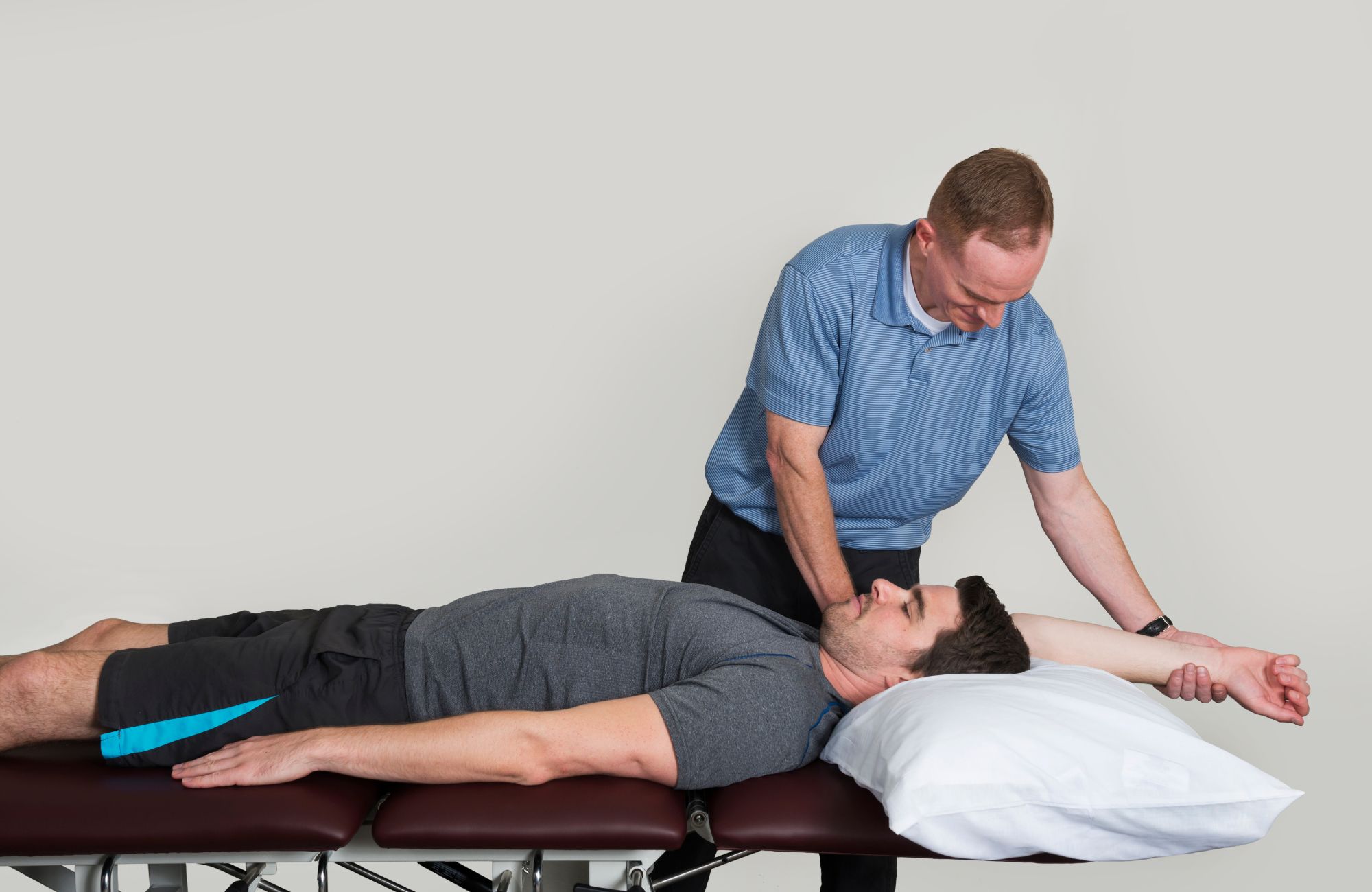
Pediatric occupational therapy jobs allow licensed occupational therapists to help children build the motor, sensory, cognitive, play, and self-care skills needed for daily life. Depending on the position, pediatric occupational therapists may work in schools, outpatient clinics, early-intervention programs, hospitals, rehabilitation centers, or other child-focused settings.
For candidates, choosing a pediatric OT career involves more than deciding to work with children. Occupational therapists must compare clinical settings, understand documentation and caseload expectations, and maintain the credentials required by New York. They must also determine which assignments match their skills and professional goals. Flagstar Rehab connects qualified occupational therapists with schools, clinics, rehabilitation providers, and healthcare organizations seeking pediatric therapy professionals. Candidates exploring pediatric occupational therapy jobs in New York can use this guide to understand the work, compare common settings, and prepare for placement.
What Does a Pediatric Occupational Therapist Work On?
A pediatric occupational therapist evaluates and addresses the functional skills that affect a child’s ability to participate in school, play, self-care, social interactions, and everyday routines. The American Occupational Therapy Association describes occupational therapy as helping people participate in the activities they need and want to perform in daily life. For children, these activities may include writing, playing, eating, dressing, brushing their teeth, organizing school materials, and interacting with others.
Pediatric OTs may work with children who have developmental delays, autism, cerebral palsy, sensory processing challenges, neurological conditions, physical disabilities, learning difficulties, or coordination disorders. Their treatment plans commonly address:
- Fine motor and visual-motor skills: Handwriting, pencil grasp, cutting, buttoning, utensil use, bilateral coordination, and visual perception.
- Sensory processing and self-regulation: Responses to sounds, textures, movement, transitions, attention demands, and changes in routine.
- Self-care and daily living skills: Dressing, feeding, grooming, brushing teeth, organizing belongings, and completing age-appropriate tasks.
- Motor planning and coordination: Balance, body awareness, movement sequencing, posture, and participation in physical activities.
- Play, cognitive, and social skills: Pretend play, puzzles, obstacle courses, problem-solving, sequencing, peer interaction, and confidence.
Common responsibilities include completing evaluations, reviewing medical and educational records, identifying functional strengths and challenges, creating evidence-based treatment plans, setting measurable goals, conducting therapy sessions, documenting progress, recommending adaptive equipment, and coordinating with families, teachers, physicians, and other therapists.
The therapist’s focus depends on the setting and purpose of the service. School-based OTs generally address skills that affect educational participation, while outpatient therapists may work on broader sensory, motor, self-care, play, and daily living goals. Although pediatric occupational therapy often uses play-based activities, each activity should support a defined functional goal within the child’s treatment plan.
What Does a Pediatric OT’s Day Look Like?
A pediatric OT’s workday usually combines evaluations, therapy sessions, documentation, collaboration, preparation, and communication. The balance of these responsibilities varies significantly across schools, outpatient clinics, and early-intervention programs.
A typical day may include:
- Reviewing the schedule, treatment plans, and recent documentation
- Preparing therapy materials and adaptive equipment
- Conducting individual or small-group occupational therapy sessions
- Observing children during classroom, play, or daily living tasks
- Recording progress toward functional goals
- Consulting with teachers, families, or other clinicians
- Completing evaluations, reports, and plan updates
- Participating in team meetings
- Adjusting activities based on the child’s response
- Preparing documentation for the next session or review period
Therapy activities may look playful, but they are chosen to develop specific skills.
| Therapy activity | Skills commonly addressed |
| Stacking blocks | Fine motor control, coordination, and motor planning |
| Stringing beads | Dexterity, bilateral coordination, and visual attention |
| Puzzles | Visual perceptual skills, problem-solving, and spatial awareness |
| Play-dough tasks | Hand strength and finger control |
| Obstacle courses | Balance, planning, body awareness, and self-regulation |
| Pretend play | Social interactions, sequencing, communication, and cognitive skills |
| Dressing activities | Self-care, coordination, and daily living skills |
| Classroom writing tasks | Fine motor skills, posture, visual-motor integration, and school performance |
Candidates must also be prepared for responsibilities that occur outside direct treatment. Documentation, team communication, equipment management, progress monitoring, and schedule coordination can take up a substantial part of the workday.
Pediatric OT Settings Compared
Pediatric occupational therapists work in several types of settings, and each environment has different goals, schedules, caseloads, documentation requirements, and compensation structures. Candidates should compare these differences before accepting a position.
| Setting | Primary focus | Typical schedule | Caseload considerations | Career considerations | Pay structure/compensation notes |
| School | Educational access and school participation | Usually follows the school calendar | May include multiple classrooms, campuses, or group sessions | Predictable hours, school-based documentation, team meetings | Often school-year, salaried, hourly, contract, or academic-calendar based; candidates should confirm breaks, guaranteed hours, documentation time, and make-up expectations. |
| Outpatient clinic | Broader developmental, sensory, motor, and self-care goals | May include evenings or weekends | Appointment-based caseload with varied diagnoses | More clinical variety and access to therapy equipment | May be salaried, hourly, or productivity-influenced; evening or weekend availability may affect scheduling. |
| Early intervention | Development within natural routines and environments | Often travel-based and family-coordinated | Visits may occur in homes, childcare settings, or community locations | Requires flexibility, family coaching, and independent scheduling | May involve per-visit, contract, or travel-based compensation; candidates should confirm mileage, cancellations, documentation time, and whether non-service time is paid. |
| Hospital or rehabilitation center | Medical, developmental, or post-injury needs | Facility-based and may include varied shifts | Caseload depends on the department and the level of care | Greater medical complexity and interdisciplinary work | Often facility-based salary or hourly employment; shifts, department needs, medical complexity, and benefits may affect total compensation. |
School-Based Pediatric OT
In a school setting, occupational therapy helps students access and participate in their education. Treatment may focus on handwriting, classroom tools, seating, attention, transitions, self-care at school, sensory regulation, or other skills directly connected to educational performance.
School-based occupational therapists work closely with teachers, special education professionals, speech-language pathologists, physical therapists, psychologists, administrators, and families. They may attend education-plan meetings, conduct classroom observations, recommend accommodations, and track progress toward school-based goals.
Candidates interested in this environment can learn more about the responsibilities and employment structure of an OT in schools.
Outpatient Pediatric OT
Outpatient pediatric occupational therapy generally addresses a broader range of functional needs than school-based therapy. Goals may include fine motor skills, sensory processing, self-care, play skills, visual perceptual skills, coordination, daily routines, and participation in home or community activities.
Outpatient clinicians often see children with varied diagnoses and developmental profiles. Sessions are usually appointment-based, and therapists may work later hours to accommodate school and family schedules. These roles may provide greater access to specialized therapy spaces, sensory equipment, and adaptive tools.
Early-Intervention OT
Early-intervention occupational therapists typically work with infants and young children who have developmental delays, disabilities, or conditions affecting participation in daily routines. Services may occur in homes, childcare centers, or community environments.
These occupational therapists work closely with families and other early-intervention professionals. Rather than focusing only on isolated clinical exercises, they often incorporate treatment strategies into feeding, dressing, play, movement, and family routines.
This setting may require local travel, schedule flexibility, strong communication skills, and the ability to work independently outside a traditional clinic.
How Do Caseloads Differ by Pediatric OT Setting?
Pediatric OT caseloads differ based on the number of children served, service frequency, evaluation volume, documentation requirements, travel, and whether sessions are individual or group-based. A position with fewer assigned children is not automatically a lighter role if it involves complex evaluations, multiple locations, or extensive reporting.
Candidates should ask prospective employers or staffing recruiters about:
- The number of children on the active caseload
- Expected evaluations and reevaluations
- Individual versus group sessions
- Documentation time
- Travel between locations or campuses
- Productivity expectations
- Meeting requirements
- Availability of therapy assistants
- OT and COTA supervision responsibilities
- Access to materials and assistive equipment
- Cancellation and make-up policies
- Support for new graduates
In schools, therapists may serve students across several classrooms or campuses. Outpatient therapists may have tightly scheduled appointments throughout the day. Early-intervention clinicians may have fewer daily sessions but spend more time traveling and coordinating visits.
Candidates should ask their recruiter or prospective facility to clarify these details before accepting a placement so they understand the actual workload, not only the job title.
How to Become a Pediatric OT in New York
To become a pediatric OT in New York, candidates must complete an accredited occupational therapy program, pass the required examination, and obtain a New York occupational therapy license. They must also keep their professional registration active. Pediatric occupational therapy is a practice area rather than a separate state license, so candidates develop pediatric expertise through fieldwork, mentorship, employment, and continuing education.
Complete an Accredited Occupational Therapy Degree
Occupational therapists typically need a master’s degree in occupational therapy from an accredited program, although entry-level doctoral programs are also available. The program includes academic coursework and supervised fieldwork.
Candidates interested in pediatric occupational therapy jobs should seek fieldwork or practical experience in settings such as:
- Schools
- Pediatric outpatient clinics
- Early-intervention programs
- Children’s hospitals
- Developmental centers
- Rehabilitation programs
Pediatric fieldwork is not a separate New York licensing requirement, but it can make candidates more competitive for roles that require experience with evaluations, treatment planning, family collaboration, sensory processing, school documentation, or developmental conditions.
Pass the Required National Examination
Graduates must pass the National Board for Certification in Occupational Therapy Occupational Therapist Registered examination, commonly called the NBCOT OTR examination. New York currently requires a passing score of 450. Candidates should consider examination dates and score-reporting timelines when planning their license application and job search.
Passing the examination does not by itself authorize a candidate to practice in New York. The candidate must also receive a state license and maintain active registration through the New York State Education Department.
Apply for a New York Occupational Therapy License
New York requires occupational therapist applicants to be at least 21 years old, demonstrate good moral character, and satisfy the state’s education and examination requirements. Applicants begin the process by submitting the required application and supporting documentation to the New York State Education Department.
Candidates should apply early and ensure that their school, examination provider, and any other required organizations submit documents correctly. NYSED advises applicants to allow time for review and currently asks candidates with complete applications to wait six weeks before requesting a status update. Applicants educated outside the United States may face a longer review.
Keep Your New York Registration Active
A New York professional license and professional registration are related but different. The license confirms that the occupational therapist has met the requirements to enter the profession and generally remains valid unless it is suspended, revoked, or annulled. Registration must be renewed periodically for the therapist to practice and use the professional title actively in New York.
Most New York occupational therapists must complete 36 hours of approved continuing competency activities during each three-year registration cycle. Therapists are generally exempt from this requirement during the registration period in which they are first licensed.
Relevant continuing education may include:
- Pediatric evaluation
- Sensory processing
- Assistive technology
- School-based practice
- Feeding and oral motor skills
- Autism support
- Fine motor intervention
- Pediatric mental health
- Trauma-informed care
- Documentation and professional ethics
Candidates should choose education that supports their intended practice setting rather than collecting credentials that are unrelated to the jobs they plan to pursue.
Complete Employer and Facility Credentialing
State licensure establishes whether an occupational therapist may legally practice in New York. Employer or facility credentialing determines whether that therapist may begin a particular assignment. These are separate processes.
Depending on the position, onboarding may include:
- Verification of the candidate’s New York license and registration
- Background or fingerprint clearance
- Employment eligibility documentation
- Health forms, immunization records, or tuberculosis screening
- CPR or basic life-support certification
- Professional references
- School-system or facility orientation
- Training in documentation, privacy, safety, or electronic records
- Review of malpractice or liability coverage requirements
These items are generally not additional occupational therapy licenses. They are conditions set by the hiring organization, school system, payer, contract, or facility.
For example, occupational and physical therapists working for New York City Public Schools must hold a New York professional license. New employees may also need to complete Applicant Gateway steps, fingerprinting, identity and employment verification, and background or certification checks before beginning work.
Prepare for Setting-Specific Onboarding
Documentation and onboarding requirements can differ substantially among pediatric OT settings.
School-based OTs may need fingerprint clearance, district onboarding, student-record privacy training, and instruction on educational documentation. Their evaluations and goals must connect occupational therapy services to the student’s participation and educational needs.
Outpatient and hospital OTs may complete facility credentialing, health screening, electronic medical record training, safety modules, and payer-related documentation requirements.
Early-intervention OTs must hold the appropriate New York professional license and registration. Early-intervention OTs must hold the appropriate New York professional license and registration. Additional provider approval, enrollment, training, and documentation requirements may depend on whether the therapist works through an approved agency or operates as an individual provider.
Candidates entering early intervention should also confirm whether their role involves evaluations, direct services, or service coordination, because required training and documentation can differ by function. New York identifies specific training requirements for providers conducting eligibility evaluations and assessments.
Before accepting a pediatric OT placement, candidates should ask which items are state requirements, which are required by the facility, and which must be completed before the anticipated start date.
What Credentials Matter for Pediatric OT Jobs?
The most important state credentials are an active New York occupational therapy license and current professional registration. Employers may also request NBCOT certification, relevant pediatric experience, and setting-specific clearances or training.
Credentials and qualifications that may strengthen a pediatric OT application include:
- Pediatric fieldwork experience
- School-based therapy experience
- Early-intervention experience
- Training in sensory processing
- Knowledge of assistive and adaptive equipment
- Experience writing measurable treatment goals
- Familiarity with educational documentation
- Feeding or oral motor training when relevant
- Strong evaluation and reporting skills
- Experience working with interdisciplinary teams
- Current CPR or basic life-support certification when required
- Experience supervising occupational therapy assistants
A certification does not automatically qualify a candidate for every pediatric position. Hiring facilities also evaluate clinical judgment, communication, documentation quality, adaptability, and the ability to manage the expected caseload.
Pediatric OT Salary and Pay Factors
Pediatric OT salary depends on location, experience, setting, schedule, employment type, specialization, and workload. Nationally, the median annual wage for occupational therapists was $98,340 in May 2024, according to the U.S. Bureau of Labor Statistics. Median pay varied by industry, with educational services reporting a lower median than hospitals, nursing facilities, and home healthcare services.
Pay for pediatric occupational therapy jobs may be structured as:
- Annual salary
- Hourly employment
- Contract compensation
- Per-session pay
- Per-visit compensation
- Academic-year salary
- Temporary or leave-coverage assignments
- Part-time or PRN work
Candidates should evaluate the full assignment rather than comparing hourly rates alone. Benefits, guaranteed hours, unpaid cancellations, school breaks, documentation time, travel reimbursement, productivity expectations, and contract length can all affect actual compensation.
For a more detailed breakdown of earning potential across experience levels, employment settings, and locations, review Flagstar Rehab’s guide to pediatric occupational therapy salary.
Is There Demand for Pediatric OTs in New York?
Demand for occupational therapists remains strong across the United States, with the BLS projecting employment to grow 14% from 2024 through 2034. Approximately 10,200 occupational therapist openings are projected each year on average during that period.
Pediatric OT opportunities in New York may arise across schools, Boards of Education, outpatient clinics, hospitals, rehabilitation facilities, and early-intervention programs. Openings vary by region, school calendar, enrollment, funding, leave coverage, and current facility needs. Openings vary by region, school calendar, funding, leave coverage, enrollment, and facility staffing needs.
Flagstar Rehab works with facilities in New York and connects healthcare and education organizations with licensed professionals. Current availability will vary, so candidates should review active openings rather than assume that every location or setting is hiring at the same time.
How to Choose the Right Pediatric OT Job
The right pediatric OT position should match your license, experience, preferred population, schedule, workload expectations, and long-term career goals. Candidates should look beyond the setting name and ask how the role functions day to day.
Before accepting an assignment, consider:
- Which age groups will you serve?
- What diagnoses or functional challenges are common?
- How many children are on the caseload?
- Are sessions individual, group-based, or both?
- Is travel required?
- How much time is available for documentation?
- What evaluations will you complete?
- Will you supervise a COTA?
- Is mentorship available?
- What materials and equipment does the facility provide?
- Are hours guaranteed?
- How are cancellations handled?
- Does the role follow a school-year or full-year schedule?
- What onboarding and credentialing support is available?
New graduates may benefit from positions with structured supervision and mentoring. Experienced pediatric occupational therapists may prioritize schedule flexibility, specialized caseloads, leadership responsibilities, or contract opportunities.
Find Pediatric Occupational Therapy Jobs Through Flagstar Rehab
Flagstar Rehab connects licensed occupational therapists with schools, hospitals, outpatient clinics, rehabilitation centers, and other facilities seeking qualified therapy professionals. Its occupational therapist staffing services help facilities address hiring needs while giving candidates access to placements that match their experience, availability, and preferred setting.
Candidates can work with Flagstar Rehab to explore pediatric occupational therapy jobs that align with their credentials, preferred setting, location, schedule, and experience. The placement process may also help candidates understand assignment expectations, credential requirements, and facility needs before accepting a role. Explore current opportunities and apply now to be considered for pediatric OT placements in New York.
Facilities seeking licensed pediatric OTs can contact Flagstar Rehab to discuss occupational therapy staffing needs and learn how its team can help connect them with qualified professionals.
FAQs
Do pediatric occupational therapists need a separate pediatric license?
Pediatric occupational therapists generally practice under their state occupational therapy license rather than a separate pediatric license. They build pediatric competency through education, fieldwork, mentorship, clinical experience, and relevant continuing education.
Can a new graduate get a pediatric OT job?
Yes. Some schools, outpatient clinics, early-intervention programs, and rehabilitation providers hire new graduates. Candidates should look for roles with appropriate orientation, manageable caseloads, clinical support, and mentorship.
What is the difference between school and outpatient pediatric OT?
School-based occupational therapy focuses on participation in education and school routines. Outpatient pediatric OT may address broader developmental, sensory, fine motor, play, self-care, and daily living goals beyond what is required for educational access.
How can I find pediatric occupational therapy jobs in New York?
Candidates can search school district websites, healthcare job boards, pediatric clinic openings, early-intervention programs, and therapy staffing agencies. Working with a specialized staffing agency may provide access to assignments that match a candidate’s location, credentials, schedule, and preferred setting.
What should candidates ask before accepting a pediatric OT placement?
Before accepting a pediatric OT placement, candidates should ask about the setting, caseload, schedule, documentation expectations, travel requirements, supervision, materials, cancellation policies, and onboarding steps. Candidates should also confirm which requirements come from New York licensure and which come from the employer, facility, school system, payer, or staffing contract.