Elderly Rehabilitation: Benefits, Services, and Recovery Support for Older Adults

  • Home
  • Elderly Rehabilitation: Benefits, Services, and Recovery Support for Older Adults

Elderly Rehabilitation: Benefits, Services, and Recovery Support for Older Adults

Rehabilitation staffing for skilled nursing facilities means maintaining reliable access to PTs, OTs, SLPs, RTs, PTAs, and COTAs who can support elderly rehabilitation caseloads. For SNFs, rehabilitation hospitals, senior rehab centers, and post-hospital care settings, staffing gaps can delay evaluations, disrupt therapy schedules, and strain the interdisciplinary team.

Flagstar Rehab helps healthcare organizations recruit and place qualified clinicians, providing rehabilitation staffing for skilled nursing, rehabilitation hospitals, and other post-acute care settings. Facilities can combine permanent recruitment with contract, per diem, travel, or temp-to-perm support. This creates a more responsive geriatric rehab staffing plan without turning every short-term gap into a permanent hire.

Why Does Rehabilitation Staffing for Skilled Nursing Matter?

Elderly rehabilitation staffing matters because older adults often enter a rehab facility with overlapping mobility, cognitive, communication, swallowing, respiratory, and personal care needs. Consistent staffing helps facilities complete evaluations, maintain therapy schedules, coordinate care, and respond when a patient’s condition or functional abilities change.

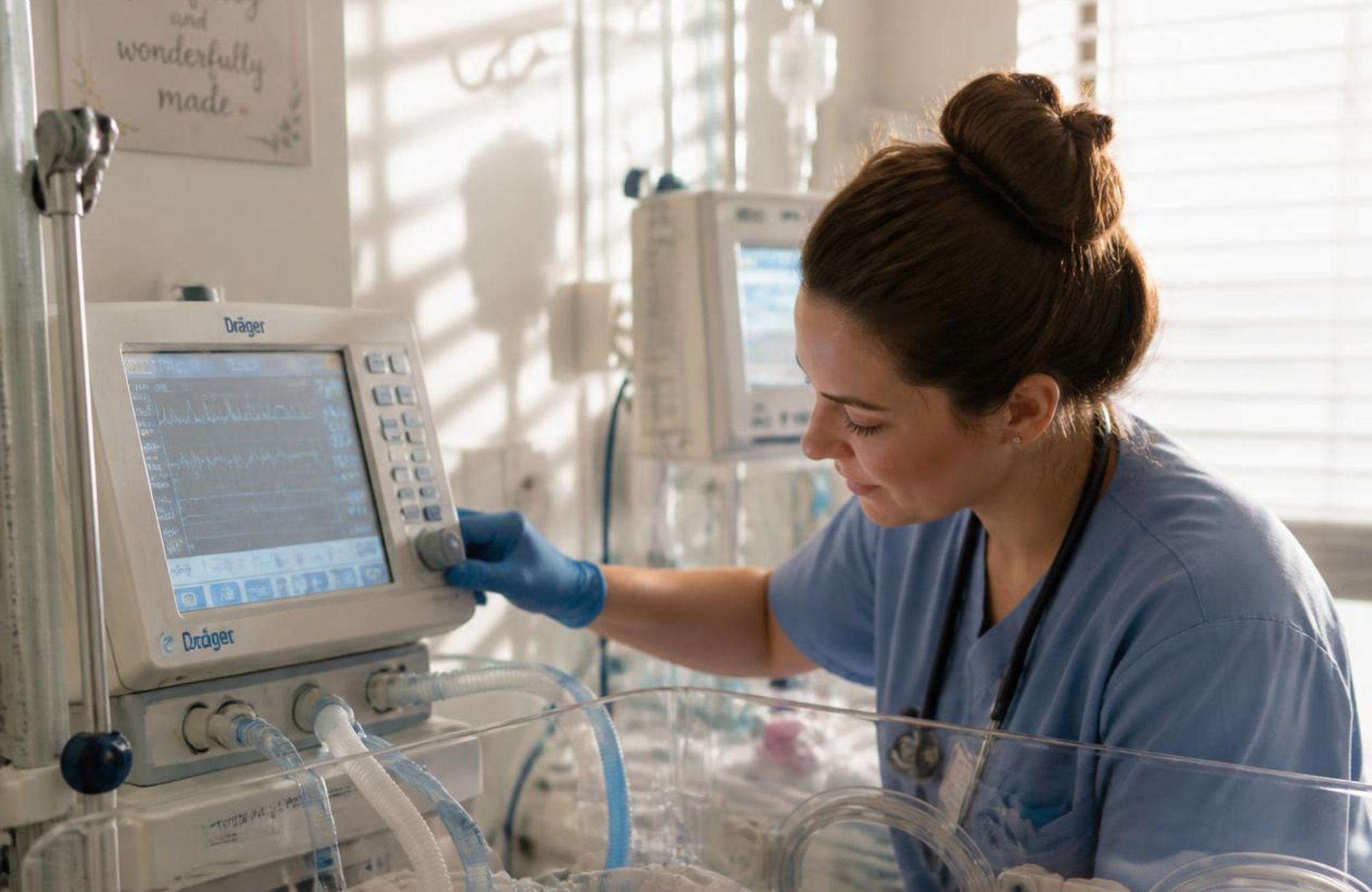
A complete rehabilitation team may include physical therapists, physical therapist assistants, occupational therapists, certified occupational therapy assistants, speech-language pathologists, and respiratory therapists. These clinicians work alongside nursing staff, physicians, hospital social workers, dietitians, and other medical professionals employed or engaged by the facility.

When a therapy position remains vacant, the effects can extend across the interdisciplinary team. Common operational consequences include:

  • Delayed evaluations after admission or a medical event
  • Reduced flexibility during the census increases
  • Larger workloads for existing therapists
  • Gaps in weekend, holiday, or leave coverage
  • Delayed documentation and care plan coordination
  • Difficulty maintaining discipline-specific therapy services
  • Greater dependence on overtime or last-minute scheduling
  • Disruptions to discharge planning and post-hospital care

Stable coverage does not simply mean having enough names on a staffing schedule. Facilities need clinicians with the appropriate licenses, experience, availability, and competencies for the elderly patients they serve.

How Do Staffing Gaps Affect Skilled Nursing Facilities?

Staffing gaps can make rehabilitation schedules less predictable and place additional pressure on the clinicians who remain. In skilled nursing facilities, even one unfilled PT, OT, SLP, or assistant position may affect therapy capacity when that clinician is responsible for a full caseload or a specialized service.

An open physical therapy position may affect mobility evaluations, gait training, transfer safety, and fall prevention. Missing occupational therapy coverage may delay assessment of personal care, fine motor skills, cognitive function, and the ability to perform daily tasks. A speech therapy vacancy may create difficulty in maintaining access to swallowing or cognitive-communication services.

Common causes of rehabilitation staffing gaps include:

  • Extended recruitment timelines
  • Sudden resignations or turnover
  • Medical, parental, or personal leave
  • Seasonal increases in admissions
  • Limited candidate availability in rural markets
  • Difficulty recruiting clinicians with geriatric experience
  • Weekend and holiday coverage needs
  • Expansion into a new rehabilitation service
  • Temporary increases in medically complex patients

Facilities that plan for these situations before a vacancy occurs generally have more time to review qualifications, complete onboarding, and select the right coverage model.

How Do PDPM and Reimbursement Pressures Affect Therapy Staffing?

The Patient-Driven Payment Model affects Medicare Part A skilled nursing facility payments by focusing on patient characteristics and clinical needs rather than basing reimbursement primarily on therapy volume. This makes appropriate evaluations, documentation, interdisciplinary coordination, and patient-specific treatment planning critical components of SNF rehabilitation operations.

CMS describes PDPM as the SNF case-mix classification model used for covered Medicare Part A stays under the SNF Prospective Payment System. Because PDPM includes separate case-mix-adjusted components for physical therapy, occupational therapy, speech-language pathology, nursing, and non-therapy ancillary services, facilities need accurate evaluations, documentation, and interdisciplinary coordination to support patient-specific care planning.

This creates a staffing balance for facility leaders. Maintaining a fixed team that regularly exceeds patient demand can increase labor pressure, but reducing therapy coverage too aggressively may leave the facility without the discipline-specific expertise needed to evaluate residents and respond to changing needs.

Qualified rehabilitation professionals help facilities:

  • Complete timely and accurate evaluations
  • Establish patient-specific functional goals
  • Document skilled needs and treatment response
  • Communicate changes to nursing and medical teams
  • Coordinate services across therapy disciplines
  • Support care planning and transition decisions
  • Adjust treatment plans as patient needs change

A flexible rehabilitation staffing plan can help facilities align coverage more closely with admissions, patient complexity, and actual therapy demand.

Should Facilities Use Per Diem or Contract Rehabilitation Coverage?

Per diem coverage is generally suited to individual days, brief absences, weekends, or fluctuating census, while contract staffing provides a more consistent schedule over several weeks or months. The better option depends on the expected duration, weekly hours, patient volume, and level of continuity the facility requires.

Staffing model Best suited for Main consideration
Direct hire Stable, permanent vacancies Recruitment time and long-term retention
Contract Extended leave, ongoing vacancy, or temporary program need Assignment length and consistent scheduling
Per diem Short absences, weekends, holidays, or census spikes Clinician availability and continuity
Temp-to-perm Permanent needs requiring an evaluation period Facility and candidate fit
Travel assignment Hard-to-fill positions or limited local candidate pools Assignment duration, licensing, and relocation needs

The right staffing model starts with the facility’s actual coverage need. A one-week absence may call for per diem support, while a long-term vacancy, hard-to-fill discipline, or recurring coverage gap may require contract, travel, temp-to-perm, or direct-hire recruitment support.

A facility may use several models at once. For example, a senior rehabilitation center may maintain a permanent core team while using per diem clinicians for weekends and a contract therapist during extended leave.

Flagstar Rehab’s physical therapist staffing support can help organizations address permanent vacancies, temporary absences, and changing PT coverage requirements.

How Can Facilities Prepare for Rehabilitation Workforce Turnover?

Facilities can prepare for turnover by tracking vacancy patterns, time-to-fill, early departures, overtime, missed coverage, and reliance on temporary staff. Because workforce instability may differ by discipline, rehabilitation leaders should evaluate PT, OT, SLP, RT, PTA, and COTA coverage separately instead of relying on one facility-wide percentage.

CMS publishes annual nursing staff turnover measures for registered nurses, licensed practical or vocational nurses, and nurse aides. Those figures do not measure therapy-specific turnover, but they show that federal quality reporting recognizes workforce stability as an important part of the skilled nursing environment.

Facilities can develop more useful internal rehabilitation data by tracking:

  • Turnover by therapy discipline
  • Average time needed to fill each vacancy
  • Positions remaining open longer than expected
  • First-90-day clinician departures
  • Overtime and additional shift use
  • Missed or rescheduled therapy sessions
  • Dependence on per diem or contract coverage
  • Candidate offer acceptance and withdrawal rates

A nursing home may have stable physical therapy coverage but repeatedly struggle to recruit speech-language pathologists or occupational therapy assistants. Discipline-level data helps leadership identify where contract support, revised scheduling, or a broader candidate search may be needed.

What Is the Career Outlook for Geriatric Rehabilitation Professionals?

Demand for rehabilitation professionals is expected to remain strong as healthcare organizations serve more aging adults with mobility, cognitive, swallowing, and respiratory needs. Skilled nursing, inpatient rehabilitation, outpatient therapy, rehabilitation hospitals, assisted living communities, and home health services all compete for qualified clinicians.

The U.S. Bureau of Labor Statistics projects employment from 2024 to 2034 to grow by:

  • 11% for physical therapists
  • 14% for occupational therapists
  • 15% for speech-language pathologists
  • 12% for respiratory therapists
  • 16% for physical therapist assistants and aides
  • 18% for occupational therapy assistants and aides

Each projection is faster than the 3% average across all occupations.

Growth in these professions does not mean that clinicians will be evenly available across settings or geographic areas. Rural facilities, skilled nursing facilities, and organizations seeking specialized geriatric experience may still face competition for qualified candidates.

Candidates interested in facility-based rehabilitation roles can review available SNF therapy jobs with Flagstar Rehab.

What Is Elderly Rehabilitation?

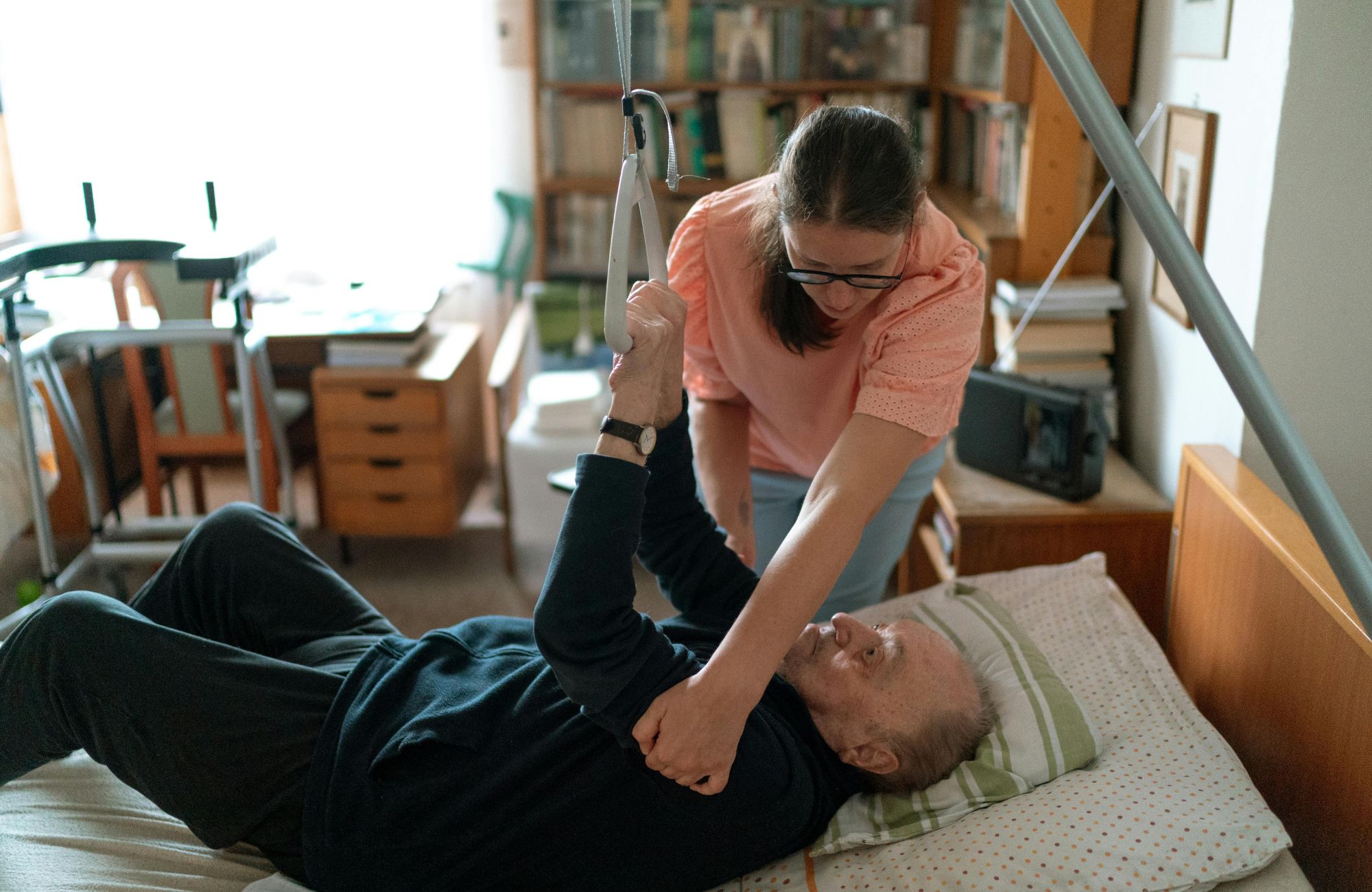
Elderly rehabilitation is a structured recovery process that helps older adults regain strength, mobility, communication skills, cognitive function, and independence after illness, injury, surgery, or age-related decline. Programs may combine several therapy disciplines based on each patient’s medical condition and functional needs.

Unlike medical care focused primarily on diagnosing and treating an illness, rehabilitation services address how that illness or injury affects physical function and daily life. A facility’s rehabilitation team evaluates the patient, establishes measurable goals, provides appropriate therapy services, and adjusts the plan as recovery progresses.

For facilities, effective senior rehabilitation requires enough clinical capacity to manage new evaluations, ongoing therapy sessions, changes in condition, care coordination, and discharge planning without placing unsustainable pressure on the existing team.

Which Therapy Disciplines Support Elderly Rehabilitation?

Elderly rehabilitation programs often require several therapy disciplines because older adults may need support with mobility, daily activities, swallowing, communication, cognition, endurance, and respiratory function. For facility leaders, the staffing question is not only which services are offered, but which disciplines must be available consistently enough to evaluate patients, deliver therapy sessions, document progress, and coordinate care.

Discipline Common role in elderly rehabilitation Staffing consideration
Physical therapy Supports mobility, strength, balance, gait, transfers, fall prevention, joint replacement recovery, and pain management Facilities may need PTs and PTAs with geriatric physical therapy or post-hospital care experience
Occupational therapy Supports personal care, fine motor skills, cognitive skills, adaptive equipment, energy conservation, and the ability to perform daily tasks Facilities may need OTs and COTAs who can support medically complex older adults and their daily living goals
Speech therapy Supports swallowing, speech, language, cognitive function, memory, problem-solving, and communication with caregivers and staff Reliable SLP coverage is important for residents with dysphagia, stroke, neurological conditions, or cognitive changes
Respiratory therapy Supports patients with breathing, airway, endurance, and chronic respiratory needs RT coverage depends on the facility’s services, patient acuity, and respiratory support requirements

Facilities that regularly serve older adults may also need geriatric physical therapist coverage for mobility, balance, fall prevention, post-hospital recovery, and medically complex senior rehabilitation caseloads.

What Caseload Must an Elderly Rehabilitation Team Cover?

An elderly rehabilitation team must be prepared to manage conditions affecting mobility, balance, communication, cognition, swallowing, endurance, and personal care. Many patients have more than one diagnosis, so facilities need clinicians who can collaborate across disciplines rather than address each condition in isolation.

Common caseload Typical rehabilitation needs Disciplines commonly involved
Stroke Mobility, balance, upper-extremity function, communication, cognition, and swallowing PT, OT, SLP
Hip fracture or fall Gait training, strength, transfers, self-care, adaptive equipment, and fall prevention PT, PTA, OT, COTA
Joint replacement Range of motion, walking, strength, pain management, and daily activities PT, PTA, OT, COTA
Parkinson’s disease Movement, balance, daily tasks, speech, cognition, and swallowing PT, OT, SLP
Arthritis and chronic pain Mobility, joint protection, exercise, adaptive techniques, and energy conservation PT, OT
Hospital-related deconditioning Strength, endurance, transfers, walking, and personal care PT, PTA, OT, COTA
Traumatic brain injury Mobility, coordination, cognition, communication, and daily function PT, OT, SLP
Dysphagia Swallowing evaluation, safety recommendations, and staff education SLP
Chronic respiratory disease Breathing support, endurance, and participation in therapy RT, PT
Complex medical recovery Coordinated mobility, self-care, cognitive, swallowing, and respiratory support PT, OT, SLP, RT

This condensed caseload view replaces separate condition-by-condition discussions while preserving the clinical context facilities need when planning rehabilitation staffing. Fall prevention should remain part of staffing planning because it often requires coordination between physical therapy, occupational therapy, nursing staff, and discharge planning teams.

Where Do Elderly Rehabilitation Services Take Place?

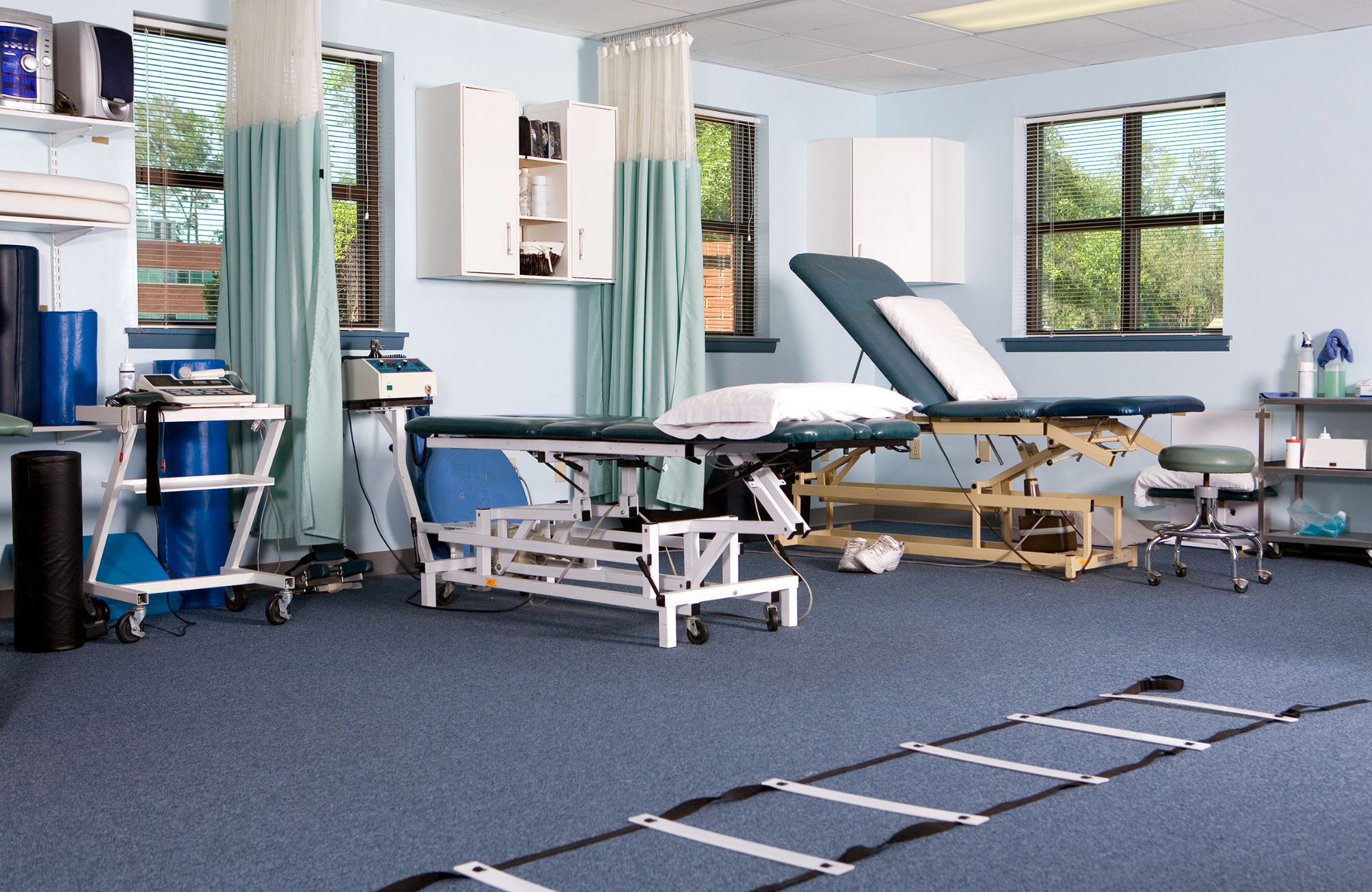
Elderly rehabilitation services are delivered in inpatient rehabilitation facilities, skilled nursing facilities, outpatient rehabilitation centers, rehabilitation hospitals, home health settings, and other senior care environments. The right rehabilitation setting depends on medical stability, nursing needs, therapy intensity, functional ability, and available support.

Rehabilitation setting Best suited for Therapy intensity Medical and nursing support
Inpatient rehabilitation Complex recovery requiring intensive therapy High High
Skilled nursing facility Rehabilitation combined with ongoing nursing care Moderate High
Outpatient rehabilitation Patients living at home who attend scheduled therapy Moderate Limited
Home health rehabilitation Homebound patients who need in-home care Variable Limited

Each rehabilitation setting creates different staffing requirements. Inpatient rehabilitation may require higher therapy intensity and closer medical coordination, while skilled nursing, outpatient rehabilitation, home health services, and assisted living communities may require different schedules, documentation workflows, supervision structures, and coverage models.

What Challenges Do Elderly Rehabilitation Programs Face?

Elderly rehabilitation programs must manage workforce shortages, medically complex patients, changing admissions, documentation demands, and financial pressure. These challenges often overlap, which is why facilities need a flexible rehabilitation staffing plan rather than a single hiring approach.

Common challenges include:

  • Recruiting PT, OT, SLP, RT, PTA, and COTA professionals across multiple disciplines
  • Maintaining coverage when census, acuity, or discharge timelines change
  • Supporting patients with multiple chronic conditions or complex medical needs
  • Balancing labor costs with therapy capacity
  • Reducing the disruption caused by vacancies, overtime, and last-minute scheduling
  • Maintaining consistent communication across therapists, nursing staff, physicians, and other medical professionals

For facility leaders, the goal is not simply to fill shifts. It is to maintain enough qualified coverage to support quality care, documentation, discharge planning, and continuity across the rehabilitation program.

How Does Flagstar Rehab Support Elderly Rehabilitation Staffing?

Flagstar Rehab supports elderly rehabilitation programs by recruiting and placing PTs, OTs, SLPs, RTs, PTAs, and COTAs for healthcare organizations that need temporary or permanent coverage. Placements may support skilled nursing, inpatient rehab, outpatient therapy, rehabilitation hospitals, and other senior care settings.

The staffing process begins with the facility’s actual need, including:

  • Required discipline and credentials
  • Patient population and caseload
  • Work schedule and expected hours
  • Coverage duration
  • Facility location
  • Required geriatric or post-acute experience
  • Supervision responsibilities
  • Documentation and onboarding requirements

Flagstar Rehab can help facilities source clinicians for direct-hire, contract, per diem, travel, and temp-to-perm roles. The facility remains responsible for clinical oversight, final credential verification, onboarding, supervision, and compliance with applicable laws, payer requirements, and facility policies.

Request Rehabilitation Staff for Your Facility

Consistent elderly rehabilitation depends on having qualified clinicians available across physical therapy, occupational therapy, speech-language pathology, respiratory therapy, and therapy assistant roles. When vacancies, turnover, leave, or changing census disrupt coverage, a flexible staffing plan can help protect therapy capacity while the facility pursues a long-term workforce solution.

Request staff from Flagstar Rehab to discuss your facility’s discipline, schedule, caseload, location, and expected coverage period. Our team can help you identify a staffing model that supports both immediate coverage needs and longer-term workforce goals. 

Therapists interested in supporting older adults can explore long-term care therapist opportunities with Flagstar Rehab.

FAQs

How quickly can a rehabilitation staffing position be filled?

The timeline depends on the discipline, location, schedule, licensing requirements, and level of experience needed. Facilities can reduce delays by providing a complete job description and beginning credentialing as soon as a suitable candidate is identified.

What information should a facility provide when requesting rehabilitation staff?

Facilities should provide the required discipline, schedule, expected caseload, coverage duration, location, and preferred level of geriatric or post-acute experience. They should also identify supervision duties, weekend requirements, documentation systems, and facility-specific onboarding requirements.

Can a staffing agency place both therapists and therapy assistants?

Yes. A rehabilitation staffing agency may place PTs, OTs, SLPs, RTs, PTAs, and COTAs based on the facility’s needs and candidate availability. The facility must still follow applicable licensing, credentialing, supervision, scope-of-practice, and payer requirements.

Can facilities request rehabilitation staff for temporary and permanent roles?

Yes. Facilities may use direct-hire, contract, per diem, travel, or temp-to-perm placements depending on the expected duration and schedule. A staffing partner can help determine which arrangement best matches the vacancy, leave period, census change, or long-term hiring need.

Fall Prevention Therapy: How It Helps Reduce Falls and Improve Safety

A fall prevention program in a skilled nursing facility is an interdisciplinary system for identifying resident risk factors, implementing individualized interventions, responding to incidents, and tracking whether those interventions reduce falls over time. It is not a single balance exercise, screening form, or nursing protocol. An effective program connects nursing, rehabilitation, medical oversight, pharmacy review, environmental safety, and quality improvement.

Falls are the leading cause of injury among adults age 65 and older, and more than 14 million older adults report falling each year. In skilled nursing, the impact extends beyond the immediate injury. Falls can affect resident mobility, confidence, independence, hospital utilization, and survey findings. Falls with major injury can also affect publicly reported quality measures and the facility’s Five-Star Quality Measure rating.

Consistent rehabilitation staffing is a core part of that system. Qualified physical therapists, occupational therapists, and therapy assistants help facilities complete timely mobility evaluations, identify functional risk, recommend assistive devices, deliver evidence-based training, and measure whether interventions are working.

What Is a Fall Prevention Program in a Skilled Nursing Facility?

A skilled nursing fall prevention program is a facility-wide quality and safety process designed to prevent avoidable falls while supporting each resident’s mobility, independence, and well-being. It combines universal screening with a comprehensive assessment for residents identified as high risk.

The program should address more than balance. Falls among older adults often involve several connected risk factors, including muscle weakness, gait changes, chronic health conditions, cognitive impairment, medication effects, continence needs, fear of falling, environmental hazards, and improper medical equipment use. AHRQ describes nursing facility fall prevention as an interdisciplinary quality improvement initiative built around assessment, individualized care planning, intervention, monitoring, and staff education.

A complete program typically includes:

  • Screening at admission, readmission, and required assessment intervals
  • Referral for rehabilitation evaluation when mobility concerns are identified
  • Individualized interventions based on resident risk
  • Immediate investigation and follow-up after a fall
  • Care plan updates across departments and shifts
  • Staff training on transfers, supervision, and equipment use
  • Tracking of fall rates, injuries, repeat incidents, and intervention compliance
  • Leadership review through the facility’s quality improvement process

Not every fall can be prevented. The facility’s responsibility is to show that known and foreseeable risks were identified, evaluated, addressed, and monitored.

Why Falls Are a CMS Quality and Survey Issue for SNFs

Falls are both a resident safety concern and a measurable indicator of nursing home quality. CMS publicly reports the percentage of long-stay residents who experience one or more falls with major injury. This measure is included among the long-stay quality measures used to calculate the Five-Star Quality Measure rating.

The falls-with-major-injury quality measure and F689 address related but different concerns. The quality measure reflects reported outcomes among long-stay residents. F689 examines whether a facility identified hazards and resident risks, provided adequate supervision and assistive devices, implemented appropriate interventions, and monitored whether those interventions worked.

CMS maintains separate Five-Star ratings for health inspections, staffing, and quality measures, which contribute to a nursing home’s overall rating. The falls-with-major-injury measure looks at incidents involving long-stay residents during the applicable reporting and look-back period.

This does not mean every resident fall automatically lowers a star rating or results in a citation. However, rising fall rates, repeat falls, major injuries, or inconsistent documentation may signal weaknesses in the facility’s assessment and prevention systems.

F689 and Fall-Related Survey Exposure

F689, Free of Accident Hazards/Supervision/Devices, requires a facility to keep the resident environment as free from accident hazards as possible and provide adequate supervision and assistance devices to prevent avoidable accidents.

CMS guidance describes four main responsibilities:

  1. Identify hazards and individual risks.
  2. Evaluate and analyze those hazards and risks.
  3. Implement interventions to reduce them.
  4. Monitor whether interventions work and modify them when necessary.

A survey concern may develop when a facility identifies that a resident needs transfer assistance, supervision, adaptive equipment, or another intervention but does not consistently provide it. Exposure may also arise when staff fail to reassess the resident after a fall, follow the care plan across shifts, provide a properly fitted assistive device, or respond to a known environmental hazard.

For SNF administrators and Directors of Rehabilitation, survey readiness therefore depends on both clinical judgment and operational follow-through. Documentation should show a clear connection between the identified fall risk, the selected intervention, staff implementation, resident response, and any later care plan revision.

Why Consistent Therapy Coverage Matters

Consistent therapy coverage allows an SNF to identify mobility-related risks early and respond before isolated issues become repeated incident patterns. When physical therapist positions remain vacant or coverage becomes unpredictable, fall prevention work may become reactive rather than preventive.

A rehabilitation staffing gap can affect:

  • Timeliness of mobility and transfer evaluations
  • Follow-up after falls or significant changes in condition
  • Balance, gait, and strength treatment
  • Walker, wheelchair, and transfer-device recommendations
  • Resident, caregiver, and nursing staff training
  • Documentation of functional progress or decline
  • Participation in care planning and interdisciplinary meetings
  • Reassessment of interventions that are not reducing fall risk

A staffing shortage does not automatically cause a fall. However, it can create process gaps that later appear in incident data. A facility may see longer evaluation wait times, repeated falls during the same daily activity, inconsistent device use, or interventions that remain on a care plan without evidence that they were reviewed.

Facilities can use physical therapist staffing services to maintain access to licensed professionals when vacancies, leaves, census changes, or recruitment delays affect rehabilitation coverage.

What a Fully Staffed Fall Prevention Program Looks Like

A fully staffed fall prevention program assigns clear responsibility while keeping the process interdisciplinary. Physical therapists do not manage every risk factor, and nurses should not be expected to address complex gait or equipment concerns without rehabilitation input.

The following is an example operating structure. Exact treatment frequency should remain based on the resident’s evaluation, orders, plan of care, payer requirements, and individual needs.

Role Fall prevention responsibilities Typical program involvement
Physical therapist Evaluates gait, balance, strength, transfers, walking tolerance, and assistive device needs At referral, after significant mobility changes, after relevant falls, and during scheduled reassessment
Physical therapist assistant Carries out the PT plan, reinforces safe movement, and documents resident response Based on the established therapy plan and supervision requirements
Occupational therapist Evaluates daily living tasks, toileting, cognition, environmental interaction, positioning, and adaptive equipment When falls relate to ADLs, cognition, bathroom tasks, wheelchair use, or environmental access
Occupational therapy assistant Implements interventions for daily activities, transfer routines, and adaptive equipment use Based on the OT plan and supervision requirements
Nurses and nurse aides Complete screening, observe condition changes, implement supervision levels, document incidents, and follow care plan instructions Every shift
Medical and pharmacy team Reviews acute conditions, medications, dizziness, sedation, blood pressure changes, vision concerns, and other medical risks At admission, during medication review, and after relevant changes or falls
DOR and facility leadership Review coverage, referrals, missed visits, trends, training needs, and program implementation Weekly operational review and routine quality meetings
Interdisciplinary team Reviews repeat falls, intervention effectiveness, and required care plan changes After significant incidents and at established fall-review intervals

AHRQ’s nursing facility program recommends screening on admission and at quarterly, annual, and change-of-condition points. It also calls for an immediate response and careful investigation after a fall, followed by long-term monitoring and care plan revision.

What Qualified Physical Therapists Bring to a Fall Program

Qualified physical therapists contribute objective mobility data that help the interdisciplinary team move beyond a general “high-risk” label. Their evaluation can identify whether a resident’s risk of falling is primarily connected to weakness, gait instability, impaired balance reactions, pain, reduced endurance, poor device use, or difficulty completing transfers.

A PT assessment may examine:

  • Prior falls and near-falls
  • Lower-extremity and core strength
  • Static and dynamic balance
  • Walking speed and gait pattern
  • Turning and direction changes
  • Bed mobility and transfers
  • Ability to recover from a loss of balance
  • Endurance during daily activities
  • Pain and arthritis-related movement limits
  • Need for a cane, walker, wheelchair, lift, or other assistive device
  • Confidence and fear during mobility tasks

The therapist’s findings should become part of the broader comprehensive assessment. Cognitive status, mental health, medications, continence, vision, acute illness, and environmental risks require input from nursing, medical staff, pharmacy, occupational therapy, and other team members.

Clinical Assessment Tools Used in Skilled Nursing

Standardized tools help physical therapists establish a mobility baseline and track changes over time.

  • Timed Up and Go Test: Measures standing, walking, turning, and sitting performance.
  • Berg Balance Scale: Uses 14 tasks to assess static and dynamic balance.
  • Five Times Sit-to-Stand Test: Measures functional leg strength and transfer ability.

No single score should determine the full fall prevention plan. Therapists interpret results alongside the resident’s diagnosis, assistance needs, cognitive status, device use, incident history, and daily activities.

Risk Factors an SNF Fall Program Should Address

Falls are rarely caused by one isolated problem. A comprehensive program examines intrinsic, extrinsic, and operational risk factors.

Resident and Clinical Risk Factors

These may include:

  • Lower-extremity weakness
  • Reduced balance or reaction time
  • Gait abnormalities
  • A recent hip fracture, stroke, or joint replacement
  • Parkinson’s disease, arthritis, neuropathy, or vestibular disorders
  • Cognitive impairment, confusion, or impulsivity
  • Fear of falling and reduced confidence
  • Dizziness, pain, or low blood pressure
  • Sedating medications or medication changes
  • Urgency, frequency, or continence needs
  • Reduced vision or hearing
  • Declining ability to complete daily activities
  • Social isolation or reduced physical activity

Fear of falling also deserves attention. A resident may begin avoiding walking, therapy, dining areas, or social activities. This reduced activity can increase deconditioning and further limit mobility and independence.

Environmental and Equipment Risk Factors

Within an SNF, environmental review may include:

  • Poor lighting
  • Wet or uneven floors
  • Cluttered walking routes
  • Inaccessible personal items
  • Unstable furniture
  • Improper footwear
  • Incorrect bed or wheelchair positioning
  • Faulty wheelchair brakes
  • Missing equipment components
  • Improperly fitted walkers or canes
  • Grab bars or handrails that are unavailable or unsuitable
  • Transfer equipment that staff have not been trained to use

These are facility safety concerns, not general home modification tips. Any simple modifications should correspond to the resident’s assessed needs and be documented in the care plan.

Therapy Techniques Used to Reduce Fall Risk

Therapy interventions should match the resident’s identified limitations rather than rely on the same exercise list for every high-risk resident.

Therapy intervention What it addresses Facility fall-program value
Balance exercises Static stability, weight shifting, reaching, and reactions to movement Helps residents respond more safely during transfers and standing activities
Gait training Step length, foot clearance, turning, device use, and walking pattern Addresses mobility problems observed during walking or incident review
Strength training Hip, knee, ankle, and trunk weakness Supports transfers, standing, and recovery from a loss of balance
Transfer training Bed, chair, toilet, and wheelchair movement Helps standardize the assistance and cues required from staff
Dual-task training Walking or balance while attention is divided Prepares appropriate residents for real daily activities
Assistive device training Fit and safe use of walkers, canes, wheelchairs, and adaptive equipment Reduces risk created by incorrect equipment use
Functional activity training Toileting, dressing, reaching, and other daily living activities Connects fall prevention to the situations where risk occurs
Staff and resident education Carryover of transfer, mobility, and equipment instructions Supports consistent implementation across shifts

Effective exercises should challenge the resident enough to support progress without creating unnecessary risk. The physical therapist or occupational therapist determines the appropriate level of assistance, training environment, and progression.

How Staffing Gaps Show Up in Fall Incident Data

Administrators should not wait for an annual quality report to identify problems. Fall data can reveal whether the facility’s staffing and intervention systems are functioning consistently.

Potential warning signs include:

  • Repeat falls involving the same resident or activity
  • Several falls during toileting or transfers
  • Incidents clustered on certain shifts
  • Delayed rehabilitation referrals after a change in mobility
  • Residents awaiting evaluation after a fall
  • Care plans that list interventions without evidence of implementation
  • Walkers or wheelchairs used differently across shifts
  • Missed therapy sessions among high-risk residents
  • Increased falls following staffing turnover
  • Limited post-fall documentation or no recorded reassessment
  • Staff uncertainty about required assistance levels

These patterns do not prove that a therapy vacancy caused the incidents. They do indicate where leadership should review referral access, staff availability, care plan communication, training, and follow-through.

AHRQ recommends tracking details such as the location, time, activity, and circumstances surrounding each incident. Reviewing these details helps organizations identify patterns that may be missed when leadership looks only at the total number of falls.

How SNFs Can Track and Improve Program Performance

SNFs should track both fall outcomes and whether prevention steps are being completed. Useful measures include falls per 1,000 resident-days, falls with injury, repeat fallers, post-fall reassessment completion, therapy evaluation delays, missed visits, care plan updates, and staff training compliance.

Leadership should also review whether each resident’s risks were identified, the care plan matched those risks, interventions were followed across shifts, and the plan was revised when needed. AHRQ notes that fall care plans should be reviewed and adjusted when current interventions are not preventing additional falls or injuries.

Building a Sustainable Fall Prevention Program

A sustainable fall prevention program requires leadership support, reliable staffing, clear communication, and ongoing staff education. Policies alone will not reduce falls when employees do not know the resident’s current assistance level or cannot access the professionals needed to complete evaluations and training.

SNF administrators and DORs can strengthen implementation by:

  • Establishing a clear referral pathway for high-risk residents
  • Identifying who reviews every fall and repeat fall
  • Maintaining therapy coverage during vacancies and leaves
  • Including rehabilitation staff in fall and quality meetings
  • Standardizing how mobility instructions are communicated
  • Training nurses and aides when transfer methods or equipment change
  • Monitoring whether interventions occur during evenings and weekends
  • Reviewing data for patterns rather than isolated incidents
  • Giving staff a process for reporting near-falls and new mobility concerns

Facilities may also benefit from professionals with focused experience in elderly rehabilitation and therapists who understand the mobility, chronic condition, and daily living needs common among geriatric residents. A geriatric physical therapist can support older adult mobility, functional independence, and fall-risk management as part of the facility’s interdisciplinary team.

How Flagstar Rehab Supports SNF Fall Prevention Staffing

A strong fall prevention program depends on more than a written policy. Facilities need qualified rehabilitation professionals who can complete timely evaluations, deliver individualized interventions, document measurable findings, train staff, and participate in interdisciplinary follow-up.

Flagstar Rehab provides flexible staffing and placement support for skilled nursing facilities that need licensed rehabilitation professionals. Temporary, contract, and direct-hire options can help facilities maintain consistent therapy coverage during vacancies, onboarding periods, and other staffing gaps.

FAQs

Does every resident fall under an F689 citation?

No. A fall does not automatically establish noncompliance. Surveyors examine whether the facility identified known and foreseeable risks, provided appropriate supervision and assistive devices, implemented the care plan, and monitored whether the interventions were effective.

How often should SNFs assess fall risk?

AHRQ’s nursing facility fall management model includes screening at admission, quarterly, annually, and after a change in condition. A resident should also receive immediate evaluation and investigation after a fall. Facilities must align their process with current CMS requirements, state rules, clinical judgment, and their own policies.

Who should lead a fall prevention program?

Leadership responsibility may sit with nursing, quality, or another designated coordinator, but the program should remain interdisciplinary. Administrators, Directors of Rehabilitation, nurses, nurse aides, rehabilitation professionals, medical staff, pharmacy, and environmental services all contribute different information needed to prevent falls.

What role does a physical therapist play in fall prevention?

A physical therapist evaluates mobility, balance, strength, gait, transfers, endurance, and assistive device use. The therapist then develops and monitors interventions based on the resident’s functional limitations and goals. Flagstar places physical therapists in facilities but does not perform the clinical evaluation itself.

What are the 5 P’s of fall prevention?

The 5 P’s commonly refer to pain, potty, position, possessions, and pathway. Staff may use them as prompts during rounding, but the framework does not replace a comprehensive assessment or an individualized care plan.

How can rehabilitation staffing shortages affect a fall prevention program?

Staffing shortages may delay evaluations, reduce treatment consistency, limit participation in post-fall reviews, and leave less time for equipment training or reassessment. Facilities can reduce these coverage gaps by using temporary, contract, or direct-hire therapy staffing support.

What Is a Geriatric PT? Roles, Skills, Career Path, and Hiring Outlook

A geriatric PT is a physical therapist who works with older adults to improve mobility, balance, strength, and functional independence. Geriatric physical therapy focuses on helping patients maintain quality of life, recover from injuries, prevent falls, and manage age-related conditions that affect movement and daily activities. As the population continues aging, the need for skilled physical therapists in this area continues to grow.

Many older adults want to stay active, live safely at home, and maintain independence for as long as possible. Geriatric PTs play a major role in making that possible. They assess movement issues, create treatment plans, provide rehabilitation services, and support long-term wellness goals. The growing demand for these services has also increased opportunities within physical therapist staffing services and healthcare organizations nationwide.

What Does a Geriatric PT Do?

These clinicians work across hospitals, skilled nursing facilities, home health agencies, and outpatient settings to address age-related movement challenges and reduce the risk of falls. Geriatric physical therapy focuses on how aging affects movement and physical health. Many older adults experience changes in strength, flexibility, coordination, and endurance over time. A geriatric PT works to address these issues through targeted treatment and rehabilitation strategies.

Much of this work involves elderly rehabilitation, helping older adults recover after surgery, illness, or injury while improving mobility, restoring function, and supporting long-term independence.

A typical day may include:

  • Performing patient evaluations
  • Assessing mobility and balance
  • Creating personalized exercise programs
  • Recommending assistive devices
  • Monitoring recovery progress
  • Educating patients, family members, and caregivers (often as much of the job as hands-on treatment)
  • Coordinating care with physicians and healthcare teams

Unlike some therapy specialties that focus on a single injury or body part, geriatric PTs often treat a broad range of conditions at the same time. One patient may be recovering from surgery while also managing arthritis, osteoporosis, and balance issues. Helping patients understand how to move safely plays a crucial role in preventing future injuries and maintaining independence.

What Conditions Do Geriatric PTs Commonly Treat?

Geriatric PTs treat conditions that affect movement, strength, balance, and daily function. Their goal is to help older adults stay active, safe, and independent while reducing complications that may affect quality of life.

Many conditions become more common with age. Some develop gradually, while others occur after an injury, illness, or surgery.

Musculoskeletal Conditions

Musculoskeletal conditions affect bones, joints, muscles, and connective tissues, making everyday activities more difficult. Examples include:

  • Arthritis
  • Osteoporosis
  • Chronic back pain
  • Joint replacement recovery
  • Shoulder injuries
  • Age-related muscle weakness

Neurological Conditions

Neurological conditions often affect balance, coordination, and mobility. Examples include:

  • Parkinson’s disease
  • Stroke recovery
  • Multiple sclerosis
  • Vestibular disorders

Functional Decline and Fall Risk

One of the most common reasons patients receive geriatric physical therapy is to address functional decline. This may include:

  • Difficulty walking
  • Reduced strength
  • Increased fall risk
  • Poor balance
  • Limited endurance
  • Difficulty getting in and out of bed or chairs

According to the CDC, more than 14 million older adults, roughly 1 in 4 Americans over 65, report falling each year, resulting in an estimated 9 million fall injuries annually. Because of this, fall prevention, balance training, and mobility assessments are major areas of focus in geriatric physical therapy.

For many patients, structured fall prevention therapy can further improve balance, strength, gait, and overall mobility while reducing the risk of future falls. These programs are often tailored to each individual’s functional abilities and health needs. 

Condition Therapy Goal
Arthritis Improve mobility and reduce discomfort
Osteoporosis Increase strength and improve safety
Parkinson’s Disease Improve balance and coordination
Stroke Recovery Restore functional movement
Balance Disorders Reduce fall risk
Joint Replacement Recovery Improve mobility and independence

Example: How Geriatric PT Supports Recovery After a Fall

Consider an older adult who experiences a fall at home and develops a fear of walking independently afterward. Even after the physical injury heals, confidence may remain low. A geriatric PT may evaluate balance, gait, strength, home safety risks, and mobility patterns before creating a treatment plan focused on restoring both physical function and confidence. Recovery often involves more than healing an injury; it also means rebuilding the confidence to move safely at home.

Where Do Geriatric PTs Work?

The work environment often shapes the types of patients geriatric PTs treat, the pace of care, and the goals of treatment. Because older adults receive care in different settings throughout life, physical therapists in this specialty often have several career paths available to them.

Skilled Nursing Facilities

Skilled nursing facilities are one of the largest employers of geriatric PTs. Patients may require:

  • Post-surgical rehabilitation
  • Recovery after hospitalization
  • Long-term mobility support
  • Balance training
  • Fall prevention programs

Therapists in these settings often work closely with nurses, physicians, and occupational therapists.

Home Health Agencies

Home health physical therapy allows therapists to treat patients where they live. This setting focuses heavily on:

  • Home safety assessments
  • Functional independence
  • Mobility training
  • Assistive device recommendations
  • Caregiver training and home exercise programs

Many therapists find value in seeing how patients function in their real-life environment, observations that aren’t always possible in a clinical setting.

Hospitals and Rehabilitation Centers

Hospitals often employ geriatric PTs to help patients begin recovery soon after surgery, illness, or injury. Responsibilities may include:

  • Early mobility programs
  • Post-operative rehabilitation
  • Discharge planning
  • Functional evaluations

Outpatient Clinics

Outpatient clinics frequently treat active older adults who want to maintain an active lifestyle and prevent future injuries. Treatment may focus on:

  • Balance improvement
  • Strength training
  • Pain management
  • Flexibility
  • Injury prevention

Assisted Living Communities

Many assisted living communities use physical therapy programs to support mobility and reduce falls among residents. These programs often focus on maintaining function rather than restoring it after a major injury.

Setting Common Patient Population Primary Focus
Skilled Nursing Facility Post-acute and long-term residents Mobility and ADLs
Home Health Aging in place Safety and independence
Hospital Acute recovery Early mobility
Outpatient Clinic Active older adults Strength and balance
Assisted Living Older adults at risk for falls Functional mobility

As staffing needs grow across each of these settings, staffing services help connect qualified geriatric PTs with facilities that match their experience, preferred environment, and career goals.

What Skills Help a Geriatric PT Succeed?

Successful geriatric PTs combine clinical knowledge with strong communication, patience, and problem-solving skills. Because older adults often present with multiple conditions at once, therapists must understand how aging affects mobility, strength, cognition, and overall health, not just how to treat a single diagnosis.

Clinical Skills

Several technical skills are especially important in geriatric physical therapy. These include:

  • Gait assessment and training
  • Balance evaluation
  • Fall prevention strategies
  • Strength and conditioning programs
  • Functional mobility training
  • Assistive device selection
  • Musculoskeletal assessment
  • Rehabilitation planning

A geriatric PT must also know how to assess patients safely and recognize when a referral or consultation with another healthcare professional may be appropriate.

Communication and Education Skills

Communication is a major part of geriatric care. Many patients may have concerns about:

  • Falling
  • Losing independence
  • Pain
  • Recovery timelines
  • Lifestyle changes

Physical therapists often spend significant time providing education to both patients and caregivers. Clear communication helps improve treatment adherence and long-term outcomes.

Adaptability and Clinical Judgment

Older adults often present with a broad range of conditions at the same time. A patient recovering from a hip replacement may also have arthritis, osteoporosis, and balance issues. Treatment plans frequently require modification as patient needs change, and therapists who can adapt quickly often achieve better results while maintaining patient safety.

How Do You Become a Geriatric PT?

Becoming a geriatric PT starts with earning a Doctor of Physical Therapy degree, obtaining licensure, and gaining experience working with older adults. Some physical therapists later pursue advanced certification and specialization in geriatric care.

Earn a Doctor of Physical Therapy Degree

The first step is completing an accredited Doctor of Physical Therapy (DPT) program. During training, students learn:

  • Human anatomy
  • Biomechanics
  • Rehabilitation science
  • Clinical assessment
  • Treatment planning
  • Patient care

Many programs also include clinical rotations that provide experience working with older adults.

Pass the National Physical Therapy Examination

After graduation, candidates must pass the National Physical Therapy Examination (NPTE) and meet state licensing requirements, which allows them to begin practicing independently.

Gain Experience Working With Older Adults

Many therapists enter geriatrics through post-acute and community-based care settings, where older adult patient populations are common, and the range of clinical experience is broad. Working across different environments helps therapists build practical knowledge and clinical confidence over time.

Continue Professional Development

Many geriatric PTs participate in:

  • Continuing education courses
  • Clinical mentorship programs
  • Specialty training
  • Professional association activities

What Is a Geriatric Clinical Specialist (GCS)?

A Geriatric Clinical Specialist (GCS) is a physical therapist who has earned advanced board certification in geriatric physical therapy. The credential demonstrates specialized knowledge, clinical experience, and commitment to caring for older adults.

The certification is administered through the American Board of Physical Therapy Specialties, the organization responsible for specialty certification within the profession. It is also supported by the American Physical Therapy Association, which promotes advanced clinical practice and professional development for physical therapists.

Who Should Consider a GCS Credential?

The GCS credential may be valuable for therapists who:

  • Primarily work with older adults
  • Want to formalize expertise built through years of geriatric practice
  • Enjoy complex patient care
  • Plan to pursue leadership or teaching roles

Benefits of Board Certification

Potential benefits include:

  • Expanded clinical knowledge
  • Professional credibility
  • Career advancement opportunities
  • Recognition within the profession

As of July 2026, 4,665 physical therapists had earned board certification in geriatric physical therapy. APTA also reports that board-certified specialists across all specialty areas earned an average of $4,540 more annually than non-certified physical therapists in its workforce data. That figure is not specific to geriatric specialists and does not establish that certification alone causes higher earnings. For geriatric PTs, the GCS may still support professional differentiation when pursuing specialized clinical, leadership, or teaching roles. 

What Do Employers Look for When Hiring a Geriatric PT?

Employers often seek geriatric PTs who combine strong clinical skills with communication, documentation, teamwork, and patient management abilities. Experience with mobility training, fall prevention, and interdisciplinary care is frequently valued across healthcare settings.

Clinical Experience Employers Value

Many facilities prioritize candidates with experience in:

  • Balance training
  • Functional mobility
  • Post-surgical rehabilitation
  • Home health services
  • Skilled nursing care

Employers also value therapists who understand assistive devices and can recommend appropriate mobility solutions.

Soft Skills Matter

Technical skills are important, but employers also look for:

  • Communication skills
  • Patient education abilities
  • Time management
  • Team collaboration
  • Critical thinking under time pressure

Many successful therapists spend significant time working with family members, caregivers, and interdisciplinary teams.

What We Commonly See Facilities Prioritize

Through therapy staffing partnerships, one trend consistently appears across skilled nursing facilities, rehabilitation centers, and home health organizations: facilities most often struggle to find therapists who are comfortable managing patients with multiple chronic conditions. Among the facilities we support, fall-prevention experience and skilled nursing experience are two of the most frequently requested qualifications for geriatric PT roles.

Employers frequently prioritize candidates who can:

  • Perform thorough mobility and balance evaluations
  • Communicate effectively with caregivers and interdisciplinary teams
  • Adapt treatment plans when the patient’s needs change
  • Document clearly and consistently
  • Support patients with multiple chronic conditions

Is Geriatric Physical Therapy a Growing Career Field?

As the U.S. population continues to age, demand for healthcare professionals who can address age-related mobility challenges continues to grow. According to the Bureau of Labor Statistics, employment of physical therapists is projected to grow 11% from 2024 to 2034, nearly four times faster than the average growth rate across all U.S. occupations. 

Why Demand Is Increasing

Several factors contribute to the growing demand:

  • Longer life expectancy
  • Increased focus on aging in place
  • Greater awareness of fall prevention
  • Rising rates of chronic conditions
  • Expanded rehabilitation services

Where Demand Is Strongest

Staffing demand is consistently highest in skilled nursing facilities, home health agencies, and post-acute rehabilitation settings, where older adults frequently require ongoing mobility and recovery support. Healthcare organizations also seek geriatric PTs in hospitals, outpatient rehabilitation centers, and assisted living communities.

Organizations most often look for therapists with experience in balance disorders, fall prevention programs, neurological rehabilitation, and functional mobility training.

Salary by Practice Setting

Compensation varies by location, experience, schedule, and employer. The U.S. Bureau of Labor Statistics reported the following median annual wages for physical therapists in May 2024:

Practice setting Median annual wage
Home healthcare services $108,110
Nursing and residential care facilities $105,330
Hospitals $105,140
Offices of physical, occupational and speech therapists, and audiologists $94,860

These figures cover physical therapists across specialties, not geriatric PTs alone. Therapists interested in skilled nursing can learn more about physical therapist salaries in skilled nursing facilities, including the factors that influence compensation and career opportunities. 

A Rewarding Long-Term Career

Both new graduates and experienced therapists can find strong opportunities in geriatrics. Unlike specialties focused on short-term recovery, geriatric PT often allows clinicians to build longer patient relationships and see the direct impact of their work on someone’s ability to live safely and independently, which many therapists find to be one of the most meaningful aspects of the specialty.

How Flagstar Rehab Helps Therapists and Healthcare Facilities With Geriatric PT Staffing

Geriatric PTs play an important role in helping older adults maintain mobility, improve balance, recover from injuries, and preserve functional independence. As the demand for rehabilitation services continues to grow, healthcare facilities need qualified professionals who can provide safe, effective, and patient-centered care.

Flagstar Rehab helps healthcare facilities find qualified physical therapists, occupational therapists, speech-language pathologists, and other therapy professionals who can support patient care across a variety of settings. Through candidate screening, credential verification, flexible staffing solutions, and direct placement support, Flagstar Rehab helps organizations address staffing shortages while maintaining continuity of care. For therapists interested in geriatric PT roles and facilities seeking rehabilitation professionals, speak with the Flagstar Rehab team about available opportunities and staffing needs.

FAQs

What is a geriatric PT?

A geriatric PT is a physical therapist who specializes in working with older adults. They help patients improve mobility, balance, strength, and independence while addressing age-related conditions, injuries, and recovery needs.

What skills should employers look for in a geriatric PT?

Employers commonly look for experience in mobility assessment, balance training, fall prevention, functional rehabilitation, documentation, patient education, and interdisciplinary care.

What age is considered geriatric in physical therapy? 

There is no strict age requirement for geriatric physical therapy. Most patients are older adults, often aged 65 and above, but eligibility depends more on functional needs and age-related health concerns than on a specific age.

What conditions do geriatric PTs treat?

Geriatric PTs commonly treat arthritis, osteoporosis, Parkinson’s disease, stroke recovery, balance disorders, joint replacement recovery, and general mobility limitations. Treatment focuses on improving function and maintaining independence.

Do geriatric PTs work in nursing homes?

Yes. Skilled nursing facilities are one of the most common workplaces for geriatric PTs. Therapists help residents improve mobility, recover from illness or surgery, and reduce fall risk.

Is a GCS certification required to work in geriatrics?

No. Physical therapists can work with older adults without a GCS credential. However, board certification may help demonstrate advanced expertise and commitment to geriatric practice.

Modified Diet Levels Explained: Understanding IDDSI Textures and Safe Swallowing

IDDSI competency for an SNF SLP means accurately identifying food and drink levels, applying the correct IDDSI testing methods, documenting recommendations, and communicating with nursing, dietary, and medical staff. Facilities may assess these skills during interviews, orientation, supervised practice, or ongoing competency reviews.

Knowing the names of the levels is only the beginning. Strong IDDSI competency means understanding how food textures and fluid consistency affect swallowing, how to verify that a texture meets the ordered level, and what to do when a meal tray does not match the documented recommendation.

Flagstar Rehab recruits and places licensed speech-language pathologists and other rehabilitation professionals in facilities that need qualified staff. The SLPs it places deliver care as part of each facility’s clinical team and work within its policies, procedures, and scope-of-practice requirements. 

What Is IDDSI Competency for an SNF SLP?

IDDSI competency is the ability to understand, apply, test, communicate, and document standardized food and drink levels used in dysphagia management. In an SNF, an SLP may need to demonstrate these skills during an interview, onboarding assessment, supervised orientation, or annual competency review.

SLPs considering assignments in the state can also review Flagstar Rehab’s speech-language pathologist staffing opportunities in New York to learn more about available placement support.

The IDDSI Framework includes eight levels, numbered 0 through 7. Drinks are classified from Levels 0 through 4, while food is classified from Levels 3 through 7. The framework gives SLPs, dietary teams, nurses, and other staff a shared language for describing food texture and drink thickness.

IDDSI Modified Diet Levels at a Glance

The following IDDSI levels table provides a quick reference for candidates preparing for SNF interviews or onboarding. Candidates should understand both the level names and the testing methods used to confirm that food or fluids match the required consistency.

IDDSI level Food or drink category What an SNF candidate should recognize
Level 0 Thin Regular fluids such as water that flow without added thickness
Level 1 Slightly Thick Fluids that are slightly thicker than water but still move easily
Level 2 Mildly Thick Drinks with more thickness and a slower flow
Level 3 Moderately Thick or Liquidised Smooth, pourable fluids or Liquidised food with no lumps
Level 4 Extremely Thick drinks / Pureed food Smooth, lump-free, Extremely Thick drinks or Pureed foods. Pureed food holds together on a spoon, does not require chewing, and must meet the applicable IDDSI testing criteria.
Level 5 Minced & Moist Soft, moist food with small particles that require limited chewing
Level 6 Soft & Bite-Sized Tender food served in controlled bite-sized pieces
Level 7 Regular, including the Easy to Chew sublevel Regular Level 7 includes everyday food textures. Easy to Chew is a Level 7 sublevel for soft, tender foods that still require biting and chewing.

Food names and appearance can offer clues, but they do not confirm that an item meets an IDDSI level. Candidates should check the applicable criteria, including texture, moisture, particle size, and the presence of lumps, seeds, skin, bones, dry pieces, crunchy coatings, or mixed consistencies.

Why Does IDDSI Knowledge Matter in Skilled Nursing Facilities?

SNF residents may experience swallowing problems related to stroke, Parkinson’s disease, dementia, surgery, neurological disease, frailty, respiratory conditions, or other medical factors. Difficulty controlling food or saliva, prolonged chewing, food remaining in the mouth, coughing, voice changes, and reduced fluid intake may all require further assessment rather than assumptions based on one symptom.

Modified diet levels are one possible part of dysphagia management, but they should be based on an individualized assessment. A pureed diet or thickened fluid is not automatically safer for every patient. The SLP must consider swallowing physiology, airway protection, hydration, nutrition, cognition, medical status, preferences, and the person’s response to each consistency.

How Does IDDSI Come Up in an SNF Interview?

An SNF interview may test whether a candidate can move beyond memorized definitions and apply IDDSI knowledge to realistic situations. The interviewer may ask the SLP to explain a level, select a testing method, identify an unsafe texture, or describe how they would communicate a concern to nursing or dietary staff.

Possible interview questions include:

  1. How would you explain the difference between Level 4 Pureed and Level 5 Minced & Moist?
  2. Which test would you use to check a Level 6 Soft & Bite-Sized food?
  3. What would you do if a patient received a regular diet tray when Level 5 was ordered?
  4. How would you respond if a team member wanted to change a diet level without reassessment?
  5. What information would you document after recommending a texture change?
  6. How would you address reduced water or fluid intake after a consistency change?
  7. How would you explain the recommendation to dietary staff, nursing, and the patient?

A strong response should connect clinical reasoning with facility procedures and interdisciplinary communication. For example, imagine that a resident with a Level 5 order receives pasta with pieces larger than the permitted size. The candidate should explain how they would identify the mismatch, prevent the incorrect item from being served, notify the appropriate staff, request a compliant replacement, and document the concern under facility policy.

What May Be Included in an IDDSI Onboarding Competency?

SNF onboarding may include written questions, texture identification, testing demonstrations, documentation review, case scenarios, or supervised clinical work. Candidates may also be asked to follow the facility’s specific process for testing samples, reporting tray concerns, and documenting diet recommendations.

ASHA’s Dysphagia Competency Verification Tool is a consensus-based resource, not official ASHA policy, that clinicians, preceptors, and employers may use for self-assessment, supervised training, and competency documentation. The tool also recognizes that competence may be verified through self-assessment, preceptor assessment, training, and observed performance.

Which IDDSI Testing Methods Should an SLP Know?

These methods confirm whether a sample meets the criteria for a defined IDDSI level. Determining whether that level is appropriate for a patient still requires an individualized swallowing assessment and clinical judgment.

Common methods include:

  • IDDSI Flow Test: Used for drinks within Levels 0 through 3.
  • Fork Drip Test: Checks how food or fluid moves through the spaces of a fork.
  • Spoon Tilt Test: Checks whether a sample holds together, slides from a spoon, and leaves limited residue.
  • Fork or Spoon Pressure Test: Checks whether soft food can be pressed or broken apart using controlled pressure.
  • Particle-size checks: Confirm that minced or bite-sized pieces are not bigger than the criteria for the ordered level.

The official IDDSI testing guidance includes the Flow Test, Fork Drip Test, Spoon Tilt Test, Fork or Spoon Pressure Test, Chopstick Test, and Finger Test. The correct method depends on whether the sample is a drink, pureed texture, minced food, soft food, or regular food.

What Is the Role of the SLP, Dietary Team, and Nursing Staff?

IDDSI competency includes knowing where the SLP’s responsibilities end and where another discipline’s responsibilities begin. The exact workflow may depend on facility policy, state requirements, and how medical diet orders are entered.

Team member Typical IDDSI responsibility
Speech-language pathologist Evaluates swallowing, considers how texture affects swallow function, recommends appropriate oral intake modifications, documents findings, educates the team, and reassesses when indicated
Dietary or food service team Prepares food and fluids according to the ordered level, uses approved recipes or products, checks consistency under facility procedures, and reports preparation concerns
Nursing and nursing assistants Follow the current diet and supervision orders, monitor intake and observable changes, provide listed precautions, and report concerns to the appropriate clinician
Dietitian Reviews nutrition, hydration, calorie, protein, and dietary needs while collaborating on texture modifications
Medical provider or authorized prescriber Enters or approves orders according to the facility’s process and applicable requirements
Other rehabilitation professionals Follow documented precautions within their scope and report changes that may affect eating, drinking, positioning, or function

ASHA describes diet texture decisions as part of the comprehensive dysphagia assessment and recommends consultation with the interprofessional team, including dietary and pharmacy professionals, when oral intake is changed. It also identifies staff education, team collaboration, follow-up, and clear documentation as parts of dysphagia competency.

Each team member should work within their scope and the facility’s approved workflow. Dietary staff prepare ordered textures, nursing staff follow current orders and report changes, and the SLP evaluates swallowing and recommends modifications when clinically supported. Concerns about intake, tolerance, or tray accuracy should be communicated to the appropriate team member and reassessed when indicated.

What IDDSI Competency Gaps Can Affect Candidate Readiness?

A candidate may know the IDDSI terminology but still need more preparation before working independently in an SNF. Readiness depends on whether the candidate can apply the framework accurately during testing, documentation, and patient-specific decision-making.

Common gaps include:

  • Confusing Level 7 Easy to Chew with Level 6 Soft & Bite-Sized
  • Assuming a food meets a level because of its name or appearance
  • Failing to check moisture, lumps, particle size, or texture
  • Selecting or performing the wrong testing method
  • Using vague terms such as “soft diet” instead of the exact IDDSI level
  • Recommending a modification without enough clinical support
  • Overlooking hydration, nutrition, medication, preference, or quality-of-life concerns
  • Failing to communicate the current level clearly to nursing and dietary staff
  • Changing a recommendation outside the facility’s order and reassessment process

Candidates should recognize that texture modification may support dysphagia management but does not remove every swallowing risk. Recommendations should reflect the patient’s swallowing physiology, medical condition, cognition, intake, preferences, and response to the selected consistency.

Quick IDDSI Self-Assessment for SLP Candidates

Use this checklist before applying for or beginning an SNF assignment:

  • I can name and describe IDDSI Levels 0 through 7.
  • I know which levels apply to food and which apply to fluids.
  • I can explain the difference between Pureed, Minced & Moist, Soft & Bite-Sized, Easy to Chew, and Regular diet textures.
  • I can select the correct IDDSI test for a given food or drink.
  • I can recognize when lumps, seeds, skin, bones, crunchy pieces, or mixed textures affect compliance.
  • I can demonstrate a Flow Test, Spoon Tilt Test, Fork Drip Test, and Fork Pressure Test.
  • I understand that testing texture is different from assessing swallow safety.
  • I can explain why one consistency may help one patient but create problems for another.
  • I can document an exact level rather than using vague terms such as “soft food.”
  • I can communicate recommendations to nursing, dietary, rehabilitation, and medical team members.
  • I know what to do when a tray does not match the current order.
  • I can identify when a change in chewing, saliva control, coughing, intake, or alertness requires reassessment.
  • I understand the facility-specific process for entering and changing diet orders.
  • I can discuss nutrition, hydration, preference, and quality-of-life concerns with the interdisciplinary team.

Any “no” answer identifies an area to review before an interview or competency assessment.

How Can SLP Candidates Prepare for an SNF Assignment?

Begin by reviewing the current IDDSI Framework and practicing the official testing methods with several foods and fluids. Practice explaining why each sample passes or fails, which criteria apply, and how you would document and communicate the result.

Candidates should review broader dysphagia therapy responsibilities before beginning an SNF assignment. They should also understand the staffing challenges that can affect swallowing therapy coverage in SNFs, including how facilities handle diet orders, testing supplies, tray audits, staff education, incident reporting, instrumental assessment referrals, and competency verification. 

Find SLP Openings Through Flagstar Rehab

Strong IDDSI competency can help an SLP enter an SNF interview with clearer examples of clinical judgment, teamwork, and documentation skills. It also shows that the candidate understands the difference between recommending a modified diet level and preparing, ordering, or monitoring that diet across the facility.

Flagstar Rehab connects licensed professionals with healthcare organizations that need qualified rehabilitation staff. Candidates can view current SLP openings and speak with the Flagstar recruiting team about available assignments. 

Facilities that need additional SLP coverage can also partner with Flagstar Rehab to recruit professionals with experience in dysphagia management, IDDSI implementation, and interdisciplinary SNF care.

FAQs

What is IDDSI competency?

IDDSI competency is the ability to understand the standardized food and drink levels, use the proper testing methods, apply the framework to clinical recommendations, document exact levels, and communicate with the interdisciplinary team.

What is the difference between Level 4 Pureed and Level 5 Minced & Moist?

Level 4 Pureed food is smooth, lump-free, and does not require chewing. Level 5 Minced & Moist food contains small, soft particles and requires limited chewing. The appropriate IDDSI tests should be used to confirm each texture.

Can an SLP recommend a change from a regular diet?

An SLP may recommend texture or fluid changes after an appropriate swallowing assessment. How the recommendation becomes an active order depends on the facility’s policy, authorized prescriber process, and applicable requirements.

Is IDDSI only relevant in skilled nursing facilities?

No. IDDSI is used across several healthcare settings. However, SLP candidates preparing for SNF assignments should focus on adult and geriatric applications, facility procedures, and the conditions frequently seen in skilled nursing care.

Does thickening water or other fluids prevent aspiration?

No. Thickened fluids change how quickly a drink flows, but they do not remove all aspiration risk. Their use should be based on an individualized assessment and monitored for effects on swallowing, hydration, intake, and patient preference.

What happens if food does not match the ordered IDDSI level?

The item should not be treated as compliant based only on its name or appearance. Staff should follow the facility’s process for withholding the incorrect item, notifying the appropriate dietary, nursing, or clinical team member, obtaining a compliant replacement, and documenting the concern when required.

Dysphagia Therapy: How Swallowing Therapy Works and When to Seek Help

Dysphagia competencies can make a speech-language pathologist more competitive for jobs in skilled nursing facilities, subacute rehabilitation centers, hospitals, and long-term care settings. Employers often look for SLPs who can evaluate swallowing difficulties, recognize aspiration risk, interpret instrumental findings, develop treatment plans, and communicate recommendations across an interdisciplinary team.

For candidates exploring dysphagia jobs, speech-language pathologist roles in adult care often require practical experience with swallowing therapy, modified barium swallow studies, FEES, documentation, and medically complex caseloads. Flagstar Rehab recruits and places licensed SLPs in facilities that need qualified rehabilitation professionals, making these competencies important for candidates preparing for interviews and new assignments.

Why Dysphagia Skills Matter in SNF and Subacute SLP Jobs

Dysphagia management is a major responsibility in many SNF and subacute SLP roles because residents frequently have neurological conditions, recent surgery, cognitive decline, respiratory illness, or age-related changes that affect swallowing. Candidates who can manage these cases safely and independently may be more placeable in adult rehabilitation settings.

Swallowing cases can make up a substantial part of an SNF SLP’s workload because residents often arrive after strokes, hospitalizations, surgery, respiratory illness, or neurological decline. SLPs may also need to complete evaluations after medical changes, review diet recommendations, train staff, monitor meals, and update care plans as swallowing function changes.

Common diagnoses and conditions associated with swallowing problems in these facilities include:

  • Stroke
  • Parkinson’s disease
  • Dementia
  • Traumatic brain injury
  • Head and neck cancer
  • Neuromuscular and muscle disorders
  • Prolonged hospitalization or intubation
  • Respiratory disease
  • Generalized weakness after surgery or illness

A swallowing disorder can affect the oral, pharyngeal, or esophageal stages of swallowing. In particular, oropharyngeal dysphagia may interfere with oral control, the swallowing reflex, airway protection, laryngeal elevation, or pharyngeal clearance.

These problems can contribute to poor intake, dehydration, weight loss, choking, and aspiration pneumonia. Facilities therefore need SLPs who can identify risk, determine whether further assessment is required, and recommend appropriate dysphagia management within their professional scope.

American Speech-Language-Hearing Association (ASHA) identifies SLPs as preferred providers of dysphagia services and describes their role in screening, assessing, diagnosing, and treating swallowing disorders across practice settings.

SLPs interested in adult rehabilitation roles can also explore speech-language pathologist staffing opportunities in New York to learn more about the settings and assignments available through Flagstar Rehab.

Is There a Dysphagia Certification for SLPs?

A separate dysphagia certification is not generally required for an SLP to assess or treat swallowing disorders. ASHA also states that it does not require special certification to perform instrumental procedures such as a fiberoptic endoscopic evaluation of swallowing, although clinicians must still meet applicable education, competency, facility, payer, and state requirements.

For SLP job candidates, “dysphagia certification” usually means proof of competency, not a single required national credential. Facilities may look for supervised experience, CEUs, MBSS or FEES exposure, documentation skills, and the ability to explain safe dysphagia management in medically complex cases.

What Employers May Look for Instead

Searches for “dysphagia certification SLP” often reflect an employer’s desire for demonstrated competency rather than a single nationally required credential. Facilities may evaluate a candidate’s graduate education, clinical experience, Certificate of Clinical Competence, state license, continuing education, supervision history, and competency with specific assessments or procedures.

An SLP should only provide dysphagia services or perform procedures for which they have the necessary training and demonstrated competence. Facility policies may also require documented observation, supervised practice, competency testing, or continuing education before an SLP independently completes certain instrumental assessments.

Requirements can also vary by state license rules, facility privileging, employer policy, payer expectations, and the specific procedure or service being performed.

Candidates can review SLP continuing education requirements when planning professional development for license renewal and adult-care specialization.

What Dysphagia Competencies Do SNFs Screen for When Hiring SLPs?

Facilities commonly screen for a combination of clinical knowledge, practical assessment ability, treatment planning, documentation, and interdisciplinary communication. The exact requirements depend on the setting, patient population, access to instrumental assessments, and level of independence expected from the incoming SLP.

A strong candidate may be able to demonstrate competency in the following areas:

Competency What employers may expect
Swallowing anatomy and physiology Understanding of the oral cavity, throat muscles, vocal cords, larynx, upper esophageal sphincter, nervous system, and swallowing muscles
Clinical swallowing evaluation Ability to complete a case history, oral mechanism or physical exam, food and liquid trials, and clinical risk assessment
Aspiration-risk identification Recognition of overt symptoms, possible silent aspiration, respiratory changes, and the need for instrumental assessment
Instrumental assessment familiarity Understanding of modified barium swallow studies and FEES, including indications, limitations, findings, and recommendations
Treatment planning Selection of individualized swallowing exercises, compensatory strategies, and functional treatment approaches
Diet and liquid recommendations Ability to assess thin liquids and solid foods and collaborate on texture or consistency recommendations
Documentation Clear support for medical necessity, functional goals, treatment response, and changes to the plan of care
Team communication Coordination with physicians, nurses, dietitians, rehabilitation staff, patients, and caregivers
Ethical decision-making Patient-centered recommendations involving nutrition, hydration, quality of life, and feeding tube considerations
Reassessment Recognition that swallowing function can change after illness, neurological decline, medication changes, or respiratory complications

Employers may test these competencies through scenario-based interview questions. For example, a candidate may be asked how they would respond to a resident who develops a wet voice and cough while drinking thin liquids or how they would determine whether bedside findings justify an instrumental assessment.

Facilities often ask candidates to distinguish between MBSS familiarity, supervised exposure, and independent competency before placement.

What SLPs Are Expected to Run During a Swallowing Evaluation

SLPs in SNF and subacute settings are often expected to complete clinical swallowing evaluations, identify immediate safety concerns, and determine whether instrumental testing is needed. A bedside evaluation provides useful clinical information, but it cannot directly visualize the swallowing process or reliably rule out silent aspiration.

A clinical swallowing evaluation may include:

  • Review of diagnoses, medications, respiratory history, and prior studies
  • Discussion of current eating habits and reported difficulty swallowing
  • Examination of the mouth, tongue, jaw, and oral cavity
  • Assessment of lip closure and tongue movement
  • Observation of cough, voice quality, and secretion management
  • Food or liquid trials when clinically appropriate
  • Assessment of chewing and oral clearance
  • Monitoring of breathing and swallowing coordination
  • Consideration of fatigue across a meal
  • Recommendations for further evaluation or immediate precautions

Candidates should be able to explain what clinical findings can and cannot establish. Coughing, throat clearing, a wet voice, prolonged chewing, oral residue, or problems swallowing may suggest impairment, but instrumental testing may be necessary to determine the underlying physiology and whether food or liquid enters the airway.

Modified Barium Swallow Study Familiarity

A modified barium swallow study, also called a videofluoroscopic swallowing study, uses X-ray imaging to examine swallowing function in real time. The patient swallows food or liquid mixed with a barium solution so the clinical team can observe bolus movement through the oral and pharyngeal stages.

The study may help assess:

  • Oral control
  • Timing of the swallowing reflex
  • Laryngeal elevation
  • Airway closure
  • Penetration or aspiration
  • Pharyngeal clearance
  • Opening of the upper esophageal sphincter
  • Response to swallowing techniques or changes in consistency

A modified barium swallow study evaluates oropharyngeal anatomy and swallowing physiology, meaning it shows how food and liquid move through the mouth and throat during swallowing. It does not identify every cause of esophageal dysphagia, which affects the tube leading to the stomach, or symptoms related to stomach acid and reflux.

An SLP does not necessarily need to conduct MBSS procedures at every facility. However, candidates should understand common findings, know when a referral may be appropriate, and be prepared to translate instrumental results into a functional dysphagia treatment plan.

FEES Familiarity

FEES uses a flexible endoscope positioned through the nose to view the pharynx and larynx before and after swallowing. It can help clinicians examine secretion management, airway protection, residue, fatigue, and swallowing performance with different food or liquid consistencies.

ASHA notes that instrumental assessments such as FEES and VFSS can identify silent aspiration that may be missed during a clinical evaluation.

Depending on the role, a facility may seek an SLP who:

  • Understands when FEES may be indicated
  • Can assist with or independently perform FEES when qualified
  • Recognizes the procedure’s limitations
  • Interprets findings within the broader clinical picture
  • Uses the results to guide swallowing therapy
  • Communicates recommendations to the care team

Candidates should describe their actual level of training accurately. Familiarity, supervised experience, and independent competency are not interchangeable.

Dysphagia Therapy Techniques SLPs May Use Daily

Employers may ask candidates to explain how they select and adapt dysphagia therapy techniques. Strong answers should connect each technique to an identified swallowing impairment rather than present a fixed list of exercises for every patient.

Dysphagia depends on the location, cause, and severity of the swallowing problem. The right exercises and techniques must therefore be based on evaluation findings, treatment goals, medical status, cognitive ability, and the person’s capacity to follow directions.

Restorative Swallowing Exercises

Restorative exercises are intended to improve muscle strength, range of motion, timing, endurance, or coordination. Depending on the clinical findings, an SLP may use or consider:

  • Effortful swallow
  • Mendelsohn maneuver
  • Shaker exercise
  • Chin tuck against resistance
  • Head lift exercises
  • Tongue resistance exercises
  • Expiratory muscle strength training when appropriate
  • Repeated swallowing practice
  • Task-specific swallowing exercises

For example, an effortful swallow may be used to increase swallowing effort and support pressure generation in selected patients. A Mendelsohn maneuver targets prolonged laryngeal elevation, while the Shaker exercise or related head lift approaches may be considered when reduced opening near the upper esophageal sphincter is part of the impairment.

Candidates should avoid claiming that one exercise is appropriate for every swallowing disorder. They should be able to explain the physiological target, contraindications, expected response, and method used to measure progress.

Compensatory Swallowing Techniques

Compensatory techniques do not necessarily change swallowing physiology permanently. Instead, they may help a person swallow safely or efficiently during a meal.

Depending on instrumental and clinical findings, strategies may include:

  • Postural adjustments
  • Smaller bites or sips
  • Controlled pacing
  • Alternating food and liquid
  • Multiple swallows
  • Breath-hold or supraglottic techniques
  • Environmental modifications
  • Assisted feeding strategies
  • Changes in bolus volume
  • Texture or liquid consistency modifications

An SLP must determine whether a strategy improves swallowing function for the individual. For example, a chin-tuck posture does not prevent food or liquid from entering the airway in every patient and should not be recommended automatically.

Functional Meal-Based Treatment

SNF and subacute clinicians must also account for real-world factors such as fatigue, positioning, reduced attention, dentition, respiratory status, and the ability to chew food. Swallowing performance may decline near the end of a meal even when the first few trials appear manageable.

Functional dysphagia therapy may therefore include:

  • Monitoring performance across a full meal
  • Adjusting pacing
  • Testing the carryover of swallowing techniques
  • Training nursing or dietary staff
  • Supporting consistent positioning
  • Observing tolerance of thin liquids or solid foods
  • Updating recommendations after a medical change
  • Documenting whether strategies improve safety or efficiency

This practical reasoning is often more valuable to employers than the ability to recite a long list of exercises.

Skills Needed for Medically Complex Dysphagia Cases

SLPs working in adult rehabilitation settings may encounter patients whose swallowing difficulties involve neurological, respiratory, gastrointestinal, cognitive, and structural factors. Candidates should know when a concern falls outside the SLP’s scope and requires collaboration or referral.

For example, an SLP may help evaluate oropharyngeal dysphagia but refer concerns involving suspected esophageal obstruction, reflux, stomach acid damage, or structural abnormalities to the appropriate medical professional.

Candidates may also need to manage cases involving:

  • Silent aspiration
  • Recurrent aspiration pneumonia
  • Tracheostomy or recent extubation
  • Progressive neurological conditions
  • Head and neck surgery
  • Reduced cough strength
  • Severe cognitive impairment
  • Poor oral intake and weight loss
  • Feeding tube use
  • End-of-life or comfort-feeding decisions

Feeding tube discussions require careful interdisciplinary and patient-centered communication. An SLP may provide information about swallowing function and oral intake safety, but placement decisions involve the patient, family, physician, and broader care team.

Strong candidates understand both the clinical issues and the limits of their role.

Documentation and Interdisciplinary Communication

Facilities need SLPs who can document why services require clinical skill, how treatment relates to functional outcomes, and why recommendations change. Generic exercise lists or statements that a patient “tolerated therapy well” may not sufficiently demonstrate skilled dysphagia treatment.

Effective documentation may address:

  • The swallowing impairment is being treated
  • The functional consequences of that impairment
  • Objective observations or assessment findings
  • The rationale for the selected treatment approach
  • The patient’s response to cues or strategies
  • Changes in food or liquid trials
  • Progress toward measurable goals
  • Caregiver or staff education
  • Need for reassessment or instrumental testing
  • Coordination with the medical and dietary teams

ASHA’s Medicare documentation examples describe skilled dysphagia services that may include caregiver education, therapeutic diet-upgrade trials, pacing strategies, and support for complete oral clearance.

An SLP should also be able to communicate recommendations in a language that nurses, aides, dietary staff, patients, and families can follow. A well-designed plan has limited value when the instructions are unclear or inconsistently implemented.

Consistent SLP coverage helps facilities keep evaluations, care-plan updates, staff education, and swallowing therapy in skilled nursing facilities on track.

How Candidates Can Build Stronger Dysphagia Competency

Candidates can strengthen their qualifications through continuing education, mentorship, supervised clinical experience, case review, competency programs, and exposure to instrumental assessments. Professional development should address both technical knowledge and clinical decision-making.

Useful development areas may include:

  • Adult swallowing anatomy and physiology
  • Clinical swallowing evaluations
  • MBSS and FEES interpretation
  • Evidence-based dysphagia treatment
  • Respiratory-swallow coordination
  • Neurodegenerative conditions
  • Head and neck cancer rehabilitation
  • Tracheostomy and ventilator-related considerations
  • Ethics and shared decision-making
  • Documentation and reimbursement
  • International Dysphagia Diet Standardisation Initiative terminology
  • Staff and caregiver education

A course certificate alone does not establish independent competence. Candidates should be ready to explain how they applied their training, what supervision they received, which procedures they can perform, and where they would seek additional support.

Newer SLPs may benefit from positions with structured onboarding, access to experienced clinicians, clear referral pathways, and opportunities to observe instrumental studies before managing complex caseloads independently.

How to Discuss Dysphagia Experience in an SLP Interview

Candidates should use specific examples to show how they assess risk, make decisions, collaborate with a team, and adapt treatment. Interviewers are often evaluating clinical reasoning rather than looking for one predetermined answer.

Be prepared to discuss:

  • The adult populations you have treated
  • The approximate size and complexity of your dysphagia caseload
  • Your experience with clinical evaluations
  • Your level of MBSS or FEES training
  • How you identify possible silent aspiration
  • How you select swallowing exercises
  • How you handle conflicting patient or family preferences
  • How you respond to respiratory or neurological changes
  • How you train nursing and dietary staff
  • How you document skilled dysphagia treatment

A useful response follows a simple structure: identify the clinical concern, explain what information you gathered, describe your reasoning, state the action you took, and share the outcome or lesson learned.

Candidates should not overstate their abilities. Facilities are more likely to trust an SLP who clearly distinguishes between observation, supervised practice, interpretation experience, and independent procedural competency.

Do Dysphagia Skills Improve SLP Job Demand and Pay?

SLP compensation varies by location, experience, employment arrangement, facility type, schedule, productivity expectations, and the complexity of the caseload. Dysphagia competency can strengthen a candidate’s fit for adult medical settings, but it does not guarantee a specific salary or pay rate.

The U.S. Bureau of Labor Statistics reported a median annual wage of $95,410 for speech-language pathologists in May 2024. It also projects SLP employment to grow 15% from 2024 through 2034, with approximately 13,300 openings per year on average.

Candidates comparing dysphagia jobs for speech pathologists should ask about:

  • Hourly, salaried, per diem, or contract compensation
  • Guaranteed hours
  • Expected caseload and productivity
  • Weekend or holiday coverage
  • Travel between facilities
  • Access to MBSS or FEES
  • Documentation time
  • Mentorship and clinical support
  • Reimbursement for continuing education
  • License and credential requirements
  • Feeding and swallowing competency procedures

A higher advertised rate does not always reflect the full employment arrangement. Candidates should compare scheduling consistency, benefits, workload, travel, cancellation policies, and clinical support before accepting a position.

How Can SLPs Find Dysphagia Jobs Through Flagstar Rehab?

Dysphagia competency can help SLPs qualify for roles in skilled nursing, subacute rehabilitation, long-term care, and other adult healthcare settings. Facilities often value candidates who can evaluate swallowing function, recognize aspiration risk, interpret instrumental findings, provide individualized swallowing therapy, and communicate clear recommendations across the care team.

Flagstar Rehab connects licensed speech-language pathologists with healthcare facilities seeking qualified rehabilitation professionals. Candidates can explore speech-language pathologist staffing opportunities in New York and speak with the Flagstar Rehab recruiting team about available assignments that match their experience. Professionals interested in maintaining reliable coverage can learn more about how consistent SLP staffing supports swallowing therapy in skilled nursing facilities.

Apply with Flagstar Rehab to explore SLP assignments that align with your dysphagia experience, preferred setting, and career goals.

FAQs

Do SLPs need a dysphagia certification?

ASHA does not require a separate dysphagia certification for an SLP to assess or treat swallowing disorders. However, clinicians must have appropriate education, training, supervised experience, and demonstrated competency for the services or instrumental procedures they provide.

What dysphagia skills do SNFs look for when hiring SLPs?

SNFs may look for experience with clinical swallowing evaluations, aspiration-risk identification, MBSS or FEES findings, swallowing exercises, diet recommendations, documentation, and staff education. Employers also value SLPs who can manage medically complex residents and communicate effectively with an interdisciplinary team.

Which swallowing exercises should an SLP know?

SLPs working with adult dysphagia should understand the indications and limitations of techniques such as the effortful swallow, Mendelsohn maneuver, Shaker exercise, head lift exercises, and compensatory strategies. Exercises should be selected according to identified swallowing physiology rather than used as a standard routine for every patient.

Are dysphagia skills useful for getting an SNF SLP job?

Yes. Dysphagia evaluation and treatment are common responsibilities in many SNF and subacute roles because these settings serve adults with neurological conditions, medical complexity, cognitive decline, and swallowing difficulties. Demonstrated competency may make a candidate better prepared for the caseload and more attractive to hiring facilities.

Swallowing Therapy: How Dysphagia Treatment Helps Improve Safer Eating and Drinking

Consistent swallowing therapy coverage helps skilled nursing facilities identify swallowing disorders, respond to changes in resident condition, and maintain clear dysphagia management plans. Without reliable speech-language pathologist staffing, evaluations may be delayed, recommendations may become outdated, and nursing or dietary teams may lack the clinical guidance needed to manage aspiration, dehydration, choking, and weight loss risks.

Flagstar Rehab supports SLP staffing for skilled nursing and rehabilitation facilities by connecting them with licensed speech-language pathologists who can support swallowing evaluations, treatment, documentation, staff education, and care plan coordination. For facility leaders, the issue is not simply whether swallowing therapy is available. It is whether qualified coverage remains consistent enough to support residents and withstand operational or survey scrutiny.

Why Is Consistent Swallowing Therapy Coverage Important in SNFs?

Consistent swallowing therapy coverage helps SNFs respond when residents develop trouble swallowing after a stroke, surgery, respiratory illness, neurological decline, or another change in condition. An available SLP can evaluate the concern, recommend appropriate next steps, and communicate with nursing, dietary, medical, and rehabilitation staff before the problem becomes more difficult to manage.

Swallowing is a complex process involving the mouth, tongue, throat muscles, nerves, airway, esophagus, and coordinated muscle contractions. A swallowing disorder can affect a resident’s ability to chew food, drink liquid, manage saliva, take medication, or receive enough nutrition and hydration.

SNF residents may be particularly vulnerable because many have:

  • Neurological conditions
  • Stroke-related weakness
  • Dementia or reduced cognition
  • Recent surgery or hospitalization
  • Progressive muscle disorders
  • Reduced cough strength
  • Respiratory illness
  • Feeding tube use
  • Limited mobility or poor positioning
  • Multiple medical conditions

ASHA describes SLPs as central providers in the screening, assessment, diagnosis, and treatment of adult dysphagia. Their work may include clinical swallowing evaluations, instrumental assessment recommendations, swallowing therapy, caregiver education, and collaboration with the care team.

Facilities reviewing their current coverage can also explore speech-language pathologist staffing in New York and related placement support available through Flagstar Rehab.

What Happens When an SNF SLP Position Sits Vacant?

When an SLP position remains vacant, swallowing concerns may be handled through temporary precautions rather than a timely clinical evaluation. Nursing staff may recognize coughing, choking, wet voice quality, prolonged eating, or other symptoms, but they cannot replace the individualized assessment and treatment provided by a qualified speech-language pathologist.

Coverage gaps may lead to:

  • Delayed bedside swallowing evaluations
  • Longer waits for modified barium swallow or FEES referrals
  • Outdated diet or liquid recommendations
  • Inconsistent use of swallowing strategies
  • Missed changes in swallowing function
  • Reduced monitoring of residents with known dysphagia
  • Delayed staff or caregiver education
  • Gaps in treatment documentation
  • Greater reliance on emergency transfers
  • Uncertainty about when oral intake is safe

The operational problem may grow when several residents need assessment at the same time. A new admission may arrive with incomplete swallowing documentation, while another resident develops a cough after drinking, and a third returns from the hospital with changed diet orders.

Without qualified SLP coverage, staff may know that a problem exists but lack the clinical support needed to determine whether the resident needs a full evaluation, temporary precautions, instrumental testing, medical referral, or an updated treatment plan.

How Can Coverage Gaps Increase Aspiration and Hospitalization Risk?

When dysphagia is not evaluated or managed promptly, it may contribute to aspiration pneumonia, dehydration, poor nutrition, weight loss, choking, emergency transfers, and preventable rehospitalization. Coverage gaps can also increase liability concerns when warning signs, referrals, diet recommendations, or care-plan updates are delayed or inconsistently documented.

Aspiration occurs when food, liquid, or saliva enters the airway rather than moving safely toward the stomach. Some residents cough immediately. Others experience silent aspiration, meaning material enters the airway without an obvious cough or choking response.

A bedside assessment can identify warning signs, but it cannot directly visualize swallowing physiology or rule out silent aspiration. ASHA notes that instrumental assessments such as videofluoroscopic swallowing studies and FEES can detect silent aspiration that may be missed during a clinical evaluation.

Common Warning Signs Staff May Observe

Nursing assistants, nurses, dietary staff, and rehabilitation professionals may notice:

  • Coughing during or after eating
  • A wet or gurgly voice after swallowing
  • Frequent throat clearing
  • Food remaining in the mouth
  • Difficulty chewing
  • Trouble swallowing pills
  • Long meal times
  • Reduced eating or drinking
  • Repeated respiratory infections
  • Unexplained dehydration or weight loss
  • Sudden refusal of certain food textures
  • Changes in breathing during meals

These signs should trigger the facility’s established screening, reporting, and referral process. They should not lead staff to independently prescribe swallowing exercises or change treatment without appropriate clinical review.

What Dysphagia Screening Protocol Does an SNF Need?

An effective SNF dysphagia protocol defines who watches for swallowing problems, what signs require action, who must be notified, and how quickly an SLP evaluation should occur. Screening does not diagnose dysphagia, but it helps identify residents who may require a more complete swallowing assessment.

ASHA explains that swallowing screening focuses on identifying clinical signs and symptoms that may indicate dysphagia and determining whether further assessment is needed. A failed or concerning screen should lead to an appropriate referral rather than an automatic treatment plan.

A facility protocol may address:

  1. Admission review. Check hospital records, current diet orders, feeding tube status, prior swallowing studies, aspiration history, and existing SLP recommendations.
  2. Change-in-condition triggers. Define when new coughing, choking, fever, wet voice quality, respiratory decline, poor intake, or difficulty taking medication requires review.
  3. Staff reporting steps. Identify who receives the concern and how nursing, dietary, medical, and rehabilitation teams communicate it.
  4. Interim safety measures. Specify which actions staff may take while awaiting assessment and which changes require an authorized order or SLP recommendation.
  5. SLP referral criteria. Establish when the resident needs a clinical swallowing evaluation and when instrumental assessment may be considered.
  6. Documentation expectations. Record the observed symptoms, actions taken, notifications made, resident response, and follow-up plan.
  7. Care-plan updates. Make sure recommendations are reflected consistently across nursing instructions, dietary records, rehabilitation documentation, and resident care plans.
  8. Staff education. Train employees to recognize swallowing difficulties and follow the resident-specific plan without applying the same techniques to everyone.

A protocol is only useful when the facility has enough SLP coverage to act on referrals within a clinically appropriate timeframe.

What Should an SLP Evaluate in a Skilled Nursing Facility?

An SLP evaluates how safely and efficiently a resident manages food, liquid, saliva, and medication. The evaluation may examine the oral, pharyngeal, respiratory, neurological, and functional factors that affect eating and drinking.

A clinical swallowing evaluation may include:

  • Review of medical history and recent hospital records
  • Discussion of current symptoms and eating habits
  • Examination of the mouth, tongue, lips, and oral cavity
  • Review of head and neck positioning
  • Assessment of cough and voice quality
  • Observation of breathing and swallowing coordination
  • Food or liquid trials when appropriate
  • Review of chewing and oral clearance
  • Consideration of fatigue during eating
  • Evaluation of the resident’s ability to follow directions
  • Recommendations for treatment or further testing

The SLP may also determine whether the resident needs an instrumental assessment.

Modified Barium Swallow Study

A modified barium swallow study uses X-ray imaging to show how food or liquid mixed with barium moves through the mouth and throat. It can help clinicians observe airway protection, swallowing timing, pharyngeal clearance, residue, aspiration, and the effect of different positions or consistencies.

FEES

A fiberoptic endoscopic evaluation of swallowing, or FEES, uses a small flexible camera passed through the nose to view the throat and voice box. It may help assess secretion management, residue, airway protection, fatigue, and swallowing performance with different foods or liquids.

These tests provide information that cannot be obtained from observation alone. However, not every resident requires instrumental testing, and the choice should depend on the clinical question, medical condition, available resources, and professional judgment.

For facilities, consistent SLP staffing helps ensure these evaluations happen before swallowing concerns become unresolved care-plan, nutrition, hydration, or documentation gaps.

What Does Swallowing Therapy Include in an SNF?

Swallowing therapy may include exercises, compensatory techniques, meal-based treatment, positioning changes, caregiver education, and coordination with dietary and nursing teams. The approach should be based on the resident’s specific swallowing disorder rather than a standard list of exercises applied to everyone.

SLPs may treat dysphagia through restorative exercises, compensatory strategies, meal-based intervention, caregiver education, and coordination with nursing and dietary teams.

Treatment may focus on improving:

  • Throat muscle strength
  • Tongue control
  • Oral clearance
  • Swallowing coordination
  • Airway protection
  • Cough strength
  • Meal endurance
  • Ability to follow safe eating strategies
  • Independence during eating and drinking

Swallowing Exercises

Depending on evaluation findings, an SLP may use:

  • Effortful swallowing exercises
  • Mendelsohn maneuver
  • Shaker or head-lift exercises
  • Tongue-strengthening tasks
  • Breath and swallowing coordination
  • Repeated task-specific practice

These exercises target different muscles or parts of the swallowing process. They should not be assigned simply because a resident has trouble swallowing. The SLP must determine which exercise fits the identified impairment and whether the resident can perform it safely.

Compensatory Techniques

Compensatory techniques are intended to make eating or drinking safer without necessarily changing the underlying swallowing disorder. They may include:

  • Smaller bites or sips
  • Slower pacing
  • Upright positioning
  • Alternating food and liquid
  • Multiple swallows
  • Changes in bolus size
  • Resident-specific postural adjustments
  • Supervised feeding support

Facility staff should follow the individual care plan rather than assume that commonly known techniques, such as a chin tuck, are appropriate for every resident.

When SLP coverage is inconsistent, even appropriate recommendations can lose effectiveness because staff education, reassessment, documentation, and follow-through become harder to maintain.

Why Do Modified Diet Orders Require Consistent Follow-Through?

Modified food and liquid recommendations only support safety when they are understood, prepared correctly, documented consistently, and followed across shifts. Gaps between the SLP recommendation, dietary preparation, nursing instructions, medication administration, and direct-care practices can undermine the entire dysphagia management plan.

Facilities may need to coordinate:

  • Food texture
  • Liquid thickness
  • Portion size
  • Feeding assistance
  • Positioning
  • Pacing
  • Medication administration
  • Oral care
  • Supervision level
  • Monitoring and reporting instructions

The modified diet levels used in dysphagia care should be written clearly enough that nursing, dietary, rehabilitation, and direct-care staff understand what the resident may receive.

A diet change should not be treated as a permanent solution without reassessment. Swallowing function may improve or decline after infection, surgery, medication changes, neurological progression, or another change in condition.

Hydration also requires close attention. CMS survey resources specifically address hydration support for residents with dysphagia, including aspiration risk, assistance needs, monitoring, and adequate time to consume fluids.

How Does SLP Coverage Support Documentation and Survey Readiness?

Reliable SLP coverage supports survey readiness by helping the facility maintain current assessments, individualized recommendations, skilled treatment documentation, staff education records, and coordinated care plans. Coverage alone does not guarantee compliance, but prolonged vacancies can make it harder to show that swallowing risks were identified and addressed consistently.

CMS guidance for nursing homes emphasizes comprehensive assessment, individualized care planning, implementation of planned interventions, and documentation that supports the resident’s needs. Surveyors may review whether identified nutrition, hydration, swallowing, and rehabilitation concerns are reflected in the care plan and followed in practice.

An SLP’s documentation may include:

  • Reason for the evaluation
  • Relevant medical and swallowing history
  • Objective clinical findings
  • Identified swallowing impairment
  • Aspiration or choking concerns
  • Recommendations and their rationale
  • Treatment goals
  • Resident response
  • Staff or caregiver education
  • Need for instrumental assessment
  • Changes in food or liquid recommendations
  • Coordination with nursing, dietary, and medical staff
  • Reassessment following a change in condition

CMS also requires that billed speech-language pathology services be reasonable, necessary, and supported by documentation. In SNF settings, therapy time must reflect services requiring the skills of a qualified therapist.

Questions a Facility Should Be Able to Answer

During internal review or a survey, leaders should be able to determine:

  • Was the swallowing concern recognized and reported?
  • Was the resident assessed within an appropriate timeframe?
  • Were the SLP’s recommendations added to the care plan?
  • Did nursing and dietary staff receive clear instructions?
  • Were food and liquid recommendations implemented consistently?
  • Was the resident monitored for changes?
  • Was the plan updated after hospitalization or decline?
  • Are interventions supported by current documentation?
  • Is staff education recorded?
  • Who is responsible for follow-up?

A vacant position can create weak points across several of these questions, especially when no temporary coverage plan is in place.

Can Per Diem SLP Coverage Help an SNF?

Per diem SLP coverage can help an SNF maintain essential evaluations, treatment, documentation, and follow-up while recruiting for a permanent employee or managing temporary increases in caseload. It may also provide support during leave, weekends, census changes, or transitions between clinicians.

A per diem model may be useful for:

  • Covering an unexpected vacancy
  • Managing new admissions
  • Responding to a cluster of referrals
  • Completing evaluations after the hospital returns
  • Providing weekend or holiday support
  • Covering parental, medical, or planned leave
  • Supporting multiple buildings
  • Reducing delays while permanent recruitment continues

Per diem coverage should still include structured onboarding and clear facility expectations. A temporary clinician needs access to resident records, dietary information, physician orders, prior swallowing studies, treatment documentation, and the facility’s referral and escalation procedures.

What to Confirm Before Coverage Begins

Facility leaders should clarify:

  • Required state license and credentials
  • Expected schedule and hours
  • Current caseload and priority referrals
  • Access to documentation systems
  • Productivity expectations
  • Availability of instrumental assessment
  • Diet terminology used by the facility
  • Team members responsible for coordination
  • Weekend or after-hours expectations
  • Staff education responsibilities
  • Handoff procedures when coverage ends

Temporary coverage works best when it is treated as part of the clinical operation rather than as a clinician simply added to the schedule.

How Can Facilities Reduce Dysphagia Management Gaps?

Facilities can reduce dysphagia management gaps by combining a clear screening protocol with staffing contingency plans, consistent documentation, interdisciplinary communication, and regular review of high-risk residents. The goal is to prevent a vacancy from stopping the facility’s response to swallowing concerns.

A practical plan may include:

  • Maintaining a current list of residents with dysphagia
  • Identifying residents with recent aspiration or hospitalization
  • Reviewing new admissions for swallowing recommendations
  • Training staff on signs of swallowing difficulty
  • Defining urgent and nonurgent referral pathways
  • Establishing per diem or contract coverage options
  • Auditing diet orders across departments
  • Reviewing feeding tube and oral intake plans
  • Confirming completion of staff education
  • Reassessing residents after a change in condition
  • Tracking open referrals and pending instrumental studies
  • Documenting handoffs between permanent and temporary SLPs

Facilities should also distinguish staffing needs from candidate competency. SLPs interested in the clinical abilities required for adult-care roles can review the dysphagia competencies facilities seek when hiring speech-language pathologists.

That cross-link gives candidates a dedicated resource without turning this facility article back into a career guide.

What Should Facilities Look for When Requesting SLP Staff?

Facilities should request SLPs whose experience matches the resident population, clinical responsibilities, and level of independence required. A clinician who has primarily worked with communication disorders may not automatically have the dysphagia experience needed for a complex SNF caseload.

Important screening areas may include:

  • Adult dysphagia experience
  • SNF or subacute experience
  • Bedside swallowing evaluation skills
  • Familiarity with modified barium swallow studies
  • FEES exposure or competency, when required
  • Experience with neurological conditions
  • Knowledge of swallowing exercises and compensatory strategies
  • Ability to manage feeding tube-related cases
  • Familiarity with diet and liquid recommendations
  • Interdisciplinary communication
  • Medicare documentation
  • Staff and caregiver education
  • State licensure and required credentials

Facilities should also explain the assignment clearly. Caseload size, productivity requirements, schedule, building coverage, documentation system, support staff, and access to instrumental testing can all affect whether a placement succeeds.

Request SLP Staff for Your Skilled Nursing Facility

Consistent swallowing therapy coverage helps SNFs respond to swallowing problems, maintain current care plans, support safe eating and drinking, and document skilled dysphagia services. It also reduces the operational uncertainty that develops when referrals, evaluations, treatment, staff education, and follow-up depend on an unfilled position.

Flagstar Rehab recruits and places licensed speech-language pathologists in skilled nursing facilities, rehabilitation centers, hospitals, and other healthcare settings. Whether you need coverage for an open SLP role, temporary staffing support, or help managing a growing dysphagia caseload, our team can connect your facility with qualified clinicians. Contact Flagstar Rehab today to request SLP staff and keep swallowing therapy coverage consistent for the residents and patients your facility serves.

FAQs

Why do SNFs need consistent swallowing therapy coverage?

SNFs need consistent coverage because residents can develop swallowing difficulties after stroke, surgery, illness, or neurological decline. An available SLP helps the facility complete evaluations, update recommendations, provide treatment, educate staff, and respond to aspiration, choking, dehydration, and weight loss risks.

What happens when an SNF does not have an SLP?

Without an SLP, swallowing evaluations and treatment may be delayed, while nursing and dietary teams may have to rely on older recommendations or temporary precautions. The facility may also experience gaps in documentation, staff education, reassessment, and care-plan coordination.

Can a per diem SLP provide swallowing therapy in a skilled nursing facility?

Yes. A properly licensed and qualified per diem SLP can provide evaluations, swallowing therapy, documentation, staff education, and follow-up within the assignment’s scope. The facility should provide appropriate onboarding, record access, referral information, and clear clinical expectations.

Does every resident with dysphagia need swallowing exercises?

No. Swallowing exercises must match the resident’s specific impairment, medical condition, cognitive ability, and evaluation findings. Some residents may need restorative exercises, while others benefit more from compensatory techniques, positioning, meal support, or medical referral.

Billable Hours Therapy: How Productivity, Staffing, and Patient Care Connect

Therapy productivity targets vary by discipline, setting, payer mix, and employer. The percentage alone does not show what your workday will actually involve because employers may count documentation, meetings, cancellations, travel, and other required duties differently. Before accepting a PT, OT, SLP, RT, PTA, or COTA position, ask how the employer calculates billable hours, which administrative tasks count against productivity, and whether documentation can be completed during paid hours.

Therapists’ billable hours are time associated with covered services that meet the applicable payer’s coding, documentation, supervision, and medical-necessity requirements. Depending on the discipline and setting, examples may include evaluations, reassessments, therapeutic exercise, manual therapy, and other skilled interventions.

This guide explains how billable hours therapy expectations affect your daily workload, what productivity targets may look like across settings, and what to ask before accepting a job. A Flagstar Rehab Therapy Staffing Specialist can also help you ask a facility about its productivity calculation and workload expectations before accepting a placement. 

Moreover, this guide primarily explains productivity systems used in PT, OT, SLP, PTA, and COTA positions. Respiratory therapy departments may instead evaluate workload through procedures, patient acuity, census, coverage requirements, activity time, or value-based measures. RT candidates should ask how both billed and non-billed responsibilities are included.

What Does Billable Hours Therapy Mean?

Billable hours therapy refers to the time spent delivering reimbursable therapy services billed to insurance companies, Medicare, Medicaid, or private insurers. These hours usually involve direct contact with a client during therapy sessions, evaluations, treatment planning, and other covered services tied to billing codes and payer guidelines.

Eligible 15-minute timed CPT codes may be reported in units based on the documented treatment time and the applicable payer’s rules. Billable time may include in-person visits, therapeutic exercise, manual therapy, mental health services, and documented clinical interventions. Many facilities also use billing software and time tracking systems to support accurate billing and reduce documentation errors.

Non-billable time is also important. Therapists spend time on administrative work, professional development, session notes, insurance claims follow-up, scheduling, and phone calls that do not generate reimbursement.

As a job candidate, do not review the billable-hours target alone. Ask how the employer measures the day, whether required non-billable work is included, and how much paid time is available for documentation and administrative tasks.

What Therapy Tasks Are Usually Billable?

A therapy service may be billable when it meets the applicable payer’s coverage, coding, supervision, time, and documentation requirements. The rules vary by discipline, service, setting, payer, and code.

Common billable tasks include:

  • Direct treatment sessions
  • Evaluations and reassessments
  • Therapeutic exercise
  • Manual therapy
  • Reassessments or plan-of-care services when the discipline, code, payer, and documentation requirements permit billing

Some providers bill using timed codes while others use service-based codes. Eligible 15-minute timed CPT codes may be reported in units based on the documented treatment time and the applicable payer’s rules. Under Medicare Part B outpatient therapy rules, eligible PT, OT, and SLP services reported with 15-minute timed codes use total timed-code treatment minutes to determine the number of units. One unit may be reported when the applicable timed service totals at least eight minutes, but other payers and settings may use different rules.

According to the Centers for Medicare & Medicaid Services, therapy providers must follow payer-specific documentation and billing rules to support reimbursement and ensure compliance. During an interview, ask which payers make up most of the caseload and whether the employer measures productivity through billable hours, billing units, completed visits, or a combination of these methods.

What Therapy Tasks Are Usually Non-Billable?

Non-billable work supports patient care and clinic operations even without reimbursement.

Examples of non-billable time often include writing session notes, attending staff meetings, scheduling appointments, credentialing, insurance verification, administrative tasks, training, professional development, extended documentation, phone calls, and general chart review.

Even though these activities may not generate direct reimbursement, they still support patient care, compliance, and daily therapy operations. Before accepting a job, ask whether required non-billable duties are removed from the productivity calculation or must fit into the time remaining after billable sessions.

Billable vs. Non-Billable Therapy Tasks

The examples below are illustrative, not universal billing determinations. Whether an activity is reimbursable or counted toward an employer’s productivity target depends on the discipline, setting, payer, code, documentation, and employer policy.

The table below shows common examples of billable and non-billable therapy tasks that many therapists manage throughout the workday. While billable tasks usually involve direct patient care tied to reimbursement, non-billable responsibilities still support documentation accuracy, compliance, scheduling, and continuity of care.

Therapy Task Billable or Non-Billable Why It Matters
Patient evaluations Billable Supports clinical assessment, goal setting, the plan of care, and reimbursement when coverage requirements are met
Therapeutic exercise sessions Billable Provides direct treatment tied to patient goals
Manual therapy treatment Billable Counts toward reimbursable skilled therapy services
Direct treatment during therapy sessions Billable Generates billable time tied to CPT codes
Updating treatment plans during patient care Sometimes Billable May support ongoing clinical management
Writing session notes Non-Billable Maintains accurate clinical records and compliance
Reviewing payer guidelines Non-Billable Helps reduce billing errors and claim denials
Insurance verification Non-Billable Confirms patient coverage before services
Correcting documentation errors Non-Billable Supports accurate billing and audit readiness
Team meetings and case discussions Non-Billable Improves coordination between providers
Scheduling patient visits Non-Billable Helps maintain consistent patient care flow
Credentialing and compliance paperwork Non-Billable Supports regulatory and payer requirements
Training and professional development Non-Billable Helps clinicians stay current with best practices
Phone calls related to scheduling or insurance Non-Billable Supports operations but may not qualify for reimbursement
General chart review before sessions Non-Billable Helps therapists prepare for patient treatment

How Do Billable Hours Affect Therapy Productivity?

Billable hours directly affect therapy productivity because many employers compare billable time against total measured work hours. Before accepting a job, convert the percentage into actual time and ask what responsibilities must fit into the remaining non-billable portion of the day.

A common calculation is: productivity percentage = counted productive time ÷ counted work time × 100. The important question is what the employer includes in both parts of that calculation. An eight-hour shift, an eight-hour measured day, and an eight-hour shift with meetings removed can produce different results.

For example, a 90% target during an eight-hour measured day requires 7 hours and 12 minutes of billable time. That leaves 48 minutes for session notes, chart review, meetings, phone calls, patient transitions, and other administrative tasks.

Productivity standards vary across practice settings. Outpatient clinics, hospitals, skilled nursing facilities, schools, and mental health providers use different benchmarks. Some measure productivity by billable units; others track billable hours per week or day against scheduled work hours.

Therapists often spend additional time completing session notes, correcting billing codes, reviewing insurance claims, and updating treatment goals after patient sessions. Non-billable time increases during staffing shortages or high patient demand periods.

Balancing direct treatment time with documentation responsibilities is a common challenge. Therapists may complete back-to-back sessions while managing insurance billing questions, payer guideline reviews, and same-day documentation requirements.

Why Productivity Expectations Vary by Therapy Setting

Several factors can affect productivity expectations in therapy settings, including patient volume, session duration, documentation requirements, insurance billing rules, staffing levels, care setting complexity, treatment goals, and the amount of administrative support available within the department.

For example, outpatient therapy clinics often schedule consecutive in-person visits, while skilled nursing facilities manage evaluations, timed codes, and documentation requirements linked to Medicare reimbursement rules. Mental health services often rely more heavily on session-based billing rather than time-based CPT codes.

Common Productivity Models by Therapy Setting

Productivity expectations differ by setting, discipline, patient population, and employer. The models below are examples candidates may encounter, not universal professional, billing, or legal standards.

Therapy Setting Productivity Model Candidates May Encounter What to Ask
Skilled nursing facility Percentage-based targets are common, but the expected range and calculation method vary by employer and discipline. Are evaluations, documentation, meetings, and patient refusals included?
Outpatient clinic Often percentage-based or measured through visits per day Are patients double-booked, and how are cancellations handled?
Acute care hospital May use weighted units, visits, procedures, workload measures, or percentage-based targets Does the target account for medical complexity and discharge coordination?
Home health Usually visit-based rather than percentage-based Are travel, phone calls, missed visits, and mileage accounted for?
School-based therapy Often caseload- or workload-based Are IEP meetings, reports, consultation, and travel included?
Private practice May use sessions, billable hours per week, or revenue Who handles scheduling, insurance claims, and administrative work?
Respiratory therapy Often based on census, procedures, or coverage How are rounds, emergencies, setup, and non-billable responsibilities measured?
Mental health services Often measured through sessions or billable hours How are cancellations, documentation, and gaps between clients handled?

Red Flags in Therapy Job Postings

A posting may not state the exact billable-hours requirement, but certain phrases and missing details should prompt more questions before you apply or accept an offer.

Watch for:

  • A “fast-paced environment” with no information about caseloads, visits, or productivity.
  • Immediate full-productivity expectations with no onboarding period.
  • Same-day documentation requirements without scheduled charting time.
  • Phrases such as “aggressive performance goals” without an exact measurement method.
  • Productivity based only on billing units or revenue.
  • Patient cancellations, refusals, or unavailable patients counting against the therapist.
  • Required meetings, training, travel, or administrative tasks remaining in the measured day.

None of these points automatically makes a position unsuitable. They indicate that you should ask how the expectations work during a typical day.

Why Sustainable Productivity Matters More Than Maximum Productivity

Sustainable productivity matters when evaluating a job because therapists manage far more than direct treatment during the workday. Documentation, treatment planning, insurance billing support, patient communication, and administrative workload all determine whether an employer’s target is realistic over a full week. PT candidates should also consider how scheduling, documentation, and caseload expectations may affect their physical therapy work-life balance.

Facilities focused only on maximizing billable hours may increase the risk of physical therapy burnout and other workplace problems, including:

  • Therapist burnout
  • Documentation errors
  • Claim denials
  • Scheduling strain
  • Staff turnover
  • Delayed session notes
  • Reduced patient continuity

Frequent scheduling changes can also affect therapy outcomes by disrupting consistent provider relationships, stable appointment times, and long-term treatment goals.

What a Typical Therapy Day May Include Beyond Billable Sessions

A typical therapy workday includes both billable treatment and non-billable responsibilities. Before accepting a role, candidates should ask whether documentation, insurance follow-ups, treatment planning, meetings, and administrative tasks can be completed during scheduled hours.

Many employers require session notes and other clinical records to be completed the same day. The key question is whether the employer builds this work into the schedule or expects therapists to finish it during breaks or after the final patient session.

Typical Daily Activity Billable Status
Morning patient evaluation Billable
Therapeutic exercise session Billable
Manual therapy treatment Billable
Completing session notes between visits Non-Billable
Insurance authorization phone call Non-Billable
Updating treatment goals after reassessment Sometimes Non-Billable
Midday team meeting Non-Billable
Reviewing payer guidelines before claim submission Non-Billable
Correcting documentation errors after sessions Non-Billable

Accurate documentation supports compliance, payer reimbursement, and continuity of care. Staffing shortages may increase the non-billable workload as clinicians handle additional sessions, evaluations, and documentation backlogs.

Why Non-Billable Work Still Affects Patient Care

Non-billable work, such as documentation, communication, scheduling, and care coordination, is necessary to ensure safe and consistent treatment. Accurate records support continuity of care, payer requirements, facility policies, professional documentation standards, and applicable privacy and security obligations.

How Documentation Requirements Increase Non-Billable Work

Documentation tasks include:

  • Writing session notes after therapy visits and evaluations
  • Updating treatment goals based on patient progress
  • Reviewing clinical records before follow-up sessions
  • Verifying billing codes tied to therapy services provided
  • Correcting documentation errors before claim submission
  • Preparing records and reports for payer audits
  • Reviewing payer guidelines for billing compliance updates
  • Supporting insurance claims with required clinical documentation

Errors in billing units or session duration can contribute to claim denials. Accurate clinical documentation supports continuity of care and payer compliance.

Why Facilities Must Balance Productivity With Clinical Accuracy

Rushed documentation may create compliance risks, affect billing accuracy, patient communication, and continuity of care. Non-billable work directly supports patient safety, treatment continuity, billing compliance, audit readiness, and coordination between providers.

Delays in documentation can affect scheduling, patient care, and workload distribution, especially during staffing shortages or high patient volume.

Questions to Ask Before Accepting a Therapy Job

Ask for practical examples instead of accepting a percentage without context:

  1. What is the expected productivity percentage or billable-hours target?
  2. How is productivity calculated?
  3. Which paid hours are included in the measured day?
  4. Are required meetings, training, and administrative tasks excluded?
  5. How many billable hours per week are expected?
  6. How many therapy sessions does a clinician usually complete each day?
  7. Is documentation time built into the schedule?
  8. Must all session notes be completed the same day?
  9. How are patient cancellations, refusals, and unavailable patients handled?
  10. Does the facility measure billable time, visits, billing units, or revenue?
  11. Who manages insurance verification, authorizations, and claim denials?
  12. Is there a reduced productivity target during onboarding?
  13. How do staffing shortages affect caseload expectations?
  14. Do most therapists finish documentation within paid hours?

The answers will show what the productivity number means during an actual workday.

How Staffing Shortages Can Affect Billable Hours in Therapy

Staffing shortages can reduce billable productivity by increasing therapist workload, documentation pressure, scheduling disruptions, and patient coverage demands. When departments operate below full staffing levels, remaining therapists often manage larger caseloads, more evaluations, additional administrative tasks, and delayed documentation, which can make sustainable productivity harder to maintain over time.

Before accepting a position, ask whether the department is fully staffed, how long the vacancy has been open, and how work is redistributed when another therapist is absent. A reasonable productivity target may become difficult when the position also requires covering larger caseloads or multiple units.

Why New Clinicians Usually Need Time Before Reaching Full Productivity

New clinicians usually need time to adjust to therapy workflows, documentation standards, billing expectations, and facility systems before reaching full productivity. During onboarding, therapists often learn billing practices, time-based CPT codes, documentation workflows, billing software, insurance billing processes, and clinical systems tied to the facility’s scheduling and patient care expectations.

Candidates should ask whether productivity increases gradually during the first few weeks. A reasonable onboarding period gives both new and experienced therapists time to learn the facility’s billing software, clinical records, scheduling systems, patient population, and documentation standards.

Facility Sidebar: Realistic Productivity Supports Retention

For facilities, realistic productivity expectations can support therapist retention and reduce repeated vacancies. Targets should account for documentation time, patient complexity, required meetings, patient cancellations and refusals, current staffing levels, and a reasonable onboarding period.

When these factors are excluded from productivity calculations, therapists may need to complete documentation after scheduled hours, manage larger caseloads during staffing shortages, or reach full productivity before they understand the facility’s systems and workflows. Over time, these pressures can contribute to burnout and turnover, leaving the facility with another open position and repeated recruitment and onboarding demands.

Facilities can reduce this cycle by clearly defining how productivity is calculated, protecting time for required non-billable work, and adjusting expectations during onboarding, vacancies, and unusually complex caseloads. Clear and realistic expectations help candidates evaluate the position and can support more stable staffing after hire.

How Flagstar Representatives Help Candidates Review Productivity Expectations

Billable hours in therapy affect more than revenue. Productivity expectations, documentation workload, staffing levels, and scheduling pressure can shape a therapist’s daily workload and long-term job satisfaction. Before accepting a position, candidates should understand how the facility calculates productivity, how much non-billable work is expected, and whether the target allows enough time for accurate documentation and patient care.

Flagstar Rehab connects PTs, OTs, SLPs, RTs, PTAs, and COTAs with healthcare facilities that need qualified therapy professionals. A Flagstar Therapy Staffing Specialist can help candidates ask facilities about productivity targets, caseload expectations, documentation time, onboarding requirements, and schedule terms before accepting a placement. Explore current SNF therapy jobs and apply for opportunities that match your preferred setting and workload expectations.

FAQs

What are considered billable hours?

Billable hours may include time spent delivering covered therapy services, such as evaluations, reassessments, therapeutic exercise, manual therapy, and other skilled interventions. Whether a service is billable depends on the discipline, setting, payer, code, supervision requirements, medical necessity, and supporting documentation.

Can you bill for 10 minutes of therapy?

Under Medicare Part B outpatient therapy rules, 10 minutes of an eligible 15-minute timed service may support one unit. Other payers may use different time rules, so the clinician and billing entity must follow the applicable policy and document the exact service time.

How much is 20 minutes in billable time?

Under Medicare Part B outpatient therapy rules, 20 minutes generally falls within the 8–22-minute range for one timed unit. When multiple timed services are delivered, total timed-code minutes and code-allocation rules determine which units may be reported.

What is an example of a billable hour?

Providing direct treatment during scheduled therapy sessions, including therapeutic exercise, manual therapy, or evaluations, documented according to payer guidelines.

Why does documentation affect billable hours?

Documentation often occurs outside patient sessions, including session notes, record updates, billing corrections, and insurance claims support.

How do staffing levels affect a therapist’s productivity expectations?

Staffing shortages may increase caseloads, evaluations, schedule changes, documentation backlogs, and administrative workload. Before accepting a position, ask whether the department is fully staffed and how productivity expectations change when therapists must provide additional coverage.

PT Productivity Standards: What Clinics and Therapists Should Realistically Expect

PT productivity standards can determine whether a physical therapy job is sustainable long before a therapist begins the role. Physical therapy employers use different productivity models by setting, and no single national percentage applies to every role. Skilled nursing facilities often use percentage-based targets, while outpatient, acute care, and home health employers may use percentages, visits, units, or points. The percentage matters, but how the employer calculates it matters just as much.

Before accepting a job, physical therapists should ask whether documentation time, evaluations, progress reports, discharge summaries, meetings, cancellations, and other nonproductive time count toward productivity expectations. A productivity target that appears reasonable on paper may lead to unpaid charting, overlapping patients, shortened treatment sessions, or pressure on clinical judgment when the schedule does not provide adequate time.

This blog post explains how to compare PT productivity standards by setting, identify red flags in job postings, and ask better questions during interviews. It also covers how productivity requirements can affect patient engagement, quality patient care, therapist burnout, and long-term career fit. Therapists exploring skilled nursing roles can also review SNF therapy jobs, PT work-life balance, and warning signs of physical therapy burnout.

What Do PT Productivity Standards Mean in a Job Offer?

PT productivity standards are benchmarks employers use to measure how much of a physical therapist’s scheduled workday is spent on billable patient care. Employers may track therapist productivity through billable time, patient visits, billable units, completed documentation, or a percentage-based productivity target.

For a job candidate, the most important question is not only the required percentage. Physical therapists should also determine which duties count as productive time and which are excluded. Documentation, meetings, patient scheduling, insurance communication, equipment setup, care coordination, and home health travel may all reduce the time available to meet productivity goals.

How Do Clinics Calculate PT Productivity?

One common percentage-based method divides billable treatment time by total scheduled clinical hours and multiplies the result by 100. Other employers measure productivity through visits, billable units, completed activities, or points.

A percentage-based productivity calculation may use this formula:

PT Productivity = Billable Treatment Time ÷ Scheduled Clinical Time × 100

For example, if a therapist spends six hours treating patients during an eight-hour shift, the productivity percentage would be 75%.

Some clinics also track:

  • patient visits per day
  • billable units
  • documentation completion rates
  • cancellation rates
  • patient satisfaction
  • outcome measures

Productivity standards help clinics create schedules, allocate staff, and monitor operational performance. However, true productivity involves more than billable time alone. Physical therapists also need time for evidence-based practice, patient education, reassessment, discharge planning, clinical judgment, and accurate documentation.

Candidates should ask whether documentation is completed during scheduled hours or routinely spills into lunch breaks and after-hours work. Same-day evaluations, cancellations, and overlapping visits can reduce protected charting time, so a productivity percentage alone may not reflect the full workload.

Productivity Metric What It Measures
Productivity Percentage Billable treatment time compared to scheduled hours
Patient Visits Per Day Number of patients treated daily
Billable Units Revenue-generating treatment services
Documentation Completion Timeliness of charting, progress reports, and discharge summaries
Outcome Measures Patient progress and treatment effectiveness

APTA states that productivity standards should balance patient experience and outcomes, the physical therapist’s clinical judgment, ethical obligations, care-delivery economics, clinician’s work experience.

One of the biggest ethical issues in the profession is balancing productivity with quality patient care. Candidates should ask what data an employer uses to measure productivity, which other factors trigger necessary adjustments, and whether improving productivity means creating a more efficient schedule or simply treating more patients. The focus should remain on realistic targets that protect documentation time, clinical judgment, and quality care. A clear evaluation plan is essential because the benefits of greater efficiency disappear when the schedule shifts unpaid work or clinical risk to the therapist.

How Do PT Productivity Models Differ by Setting?

PT productivity models differ by setting, patient volume, documentation requirements, treatment approach, and the employer’s method of measuring work. Physical therapists should compare both the stated target and the duties included in the calculation.

The table below summarizes common measurement approaches rather than universal standards. Candidates should verify the current productivity target, calculation method, and workload expectations for each position.

Physical Therapy Setting Common Measurement Approach
Outpatient clinic Percentage-based, visit-based, or unit-based
Skilled nursing facility Frequently percentage-based
Acute care hospital Percentage-based or activity-based
Home health Visit-based or points-based

A higher number is not automatically unreasonable, and a lower number does not automatically indicate a better job. A higher stated target may be manageable when documentation occurs during scheduled treatment time, and the employer accounts for meetings, evaluations, cancellations, and other required duties. The same target may be unrealistic when progress reports, discharge summaries, meetings, cancellations, and charting are excluded.

Candidates should also ask whether productivity targets change during onboarding. New graduates and therapists entering a new specialty practice may need time to learn the electronic medical record, employer procedures, payer requirements, and schedule structure before carrying a full caseload.

Factors That Affect Realistic Productivity Expectations 

Productivity standards also change based on:

  • patient complexity
  • specialty practice area
  • clinician experience
  • documentation requirements
  • payer requirements
  • schedule structure
  • staffing levels

A therapist treating post-surgical orthopedic patients in an outpatient clinic may be able to see more patients per day than a clinician working with medically complex neurological patients in acute care. The treatment model, visit length, and documentation burden all change what a realistic productivity target should look like.

One common mistake is comparing productivity across settings without considering the clinical context. A hospital therapist helping a medically fragile patient transfer safely should not be measured against the same productivity target as a therapist in a fast-paced outpatient sports clinic.

New Therapist Onboarding Often Affects Productivity 

Candidates should ask whether the employer reduces productivity expectations during onboarding. New therapists need time to learn documentation systems, scheduling workflows, payer rules, and clinic protocols before reaching full caseload expectations. Expecting immediate high productivity from new hires can create early stress, documentation delays, and avoidable turnover risk.

Sustainable productivity benchmarks should support patient care quality, documentation accuracy, and therapist retention, not just short-term billable output.

Many facilities use flexible therapy staffing support for rehabilitation facilities to help stabilize schedules during periods of high patient demand or staffing shortages.

Why Do PT Productivity Standards Vary So Much Between Facilities?

PT productivity standards vary because every facility operates with different staffing coverage, patient populations, documentation systems, payer requirements, and scheduling models. A realistic benchmark in one clinic may be unrealistic in another.

Staffing coverage is one of the biggest factors. A fully staffed clinic can distribute patient visits more evenly across therapists. An understaffed clinic may increase patient volume for remaining clinicians, creating more stress, more documentation pressure, and less flexibility when same-day changes occur.

Documentation Requirements Reduce Billable Treatment Time 

Documentation requirements also play a major role. Physical therapists often spend significant time completing:

  • evaluations
  • progress reports
  • discharge summaries
  • insurance authorizations
  • outcome measures
  • care coordination notes

This documentation time reduces available billable treatment time, especially when clinics do not protect time for charting during the workday.

Electronic medical record systems can also affect productivity. Some EMR systems support efficient workflows, while others create duplicate documentation, slow note completion, or increase administrative burden.

Scheduling Changes and Patient No-Shows Can Distort Productivity Metrics 

Scheduling changes can distort productivity metrics. A therapist may start the day with eight scheduled visits, lose two appointments to cancellations, and then absorb a same-day evaluation before lunch. In that scenario, the therapist remained available and productive, but the final productivity percentage may not reflect the actual workload.

Patient no-shows create a similar issue. Missed appointments reduce billable time even when clinicians are on-site and ready to treat. Facilities that evaluate productivity without accounting for cancellation rates may unintentionally penalize therapists for scheduling problems outside their control.

Therapist Experience Level Changes Productivity Expectations 

Experience level matters too. New graduates often need mentorship, schedule flexibility, and time to build documentation efficiency before reaching full productivity goals. Applying the same target to every clinician, regardless of experience or specialty focus, can create unrealistic expectations.

Patient complexity also changes productivity. Medically complex patients may require more education, longer evaluations, detailed documentation, and coordination with other providers. These activities may lower raw productivity percentages but support safer care and better outcomes.

How Unrealistic Productivity Standards Affect Therapists and Patient Care

Unrealistic PT productivity standards can increase therapist burnout, reduce documentation quality, weaken patient engagement, and create long-term staffing problems. Productivity demands become risky when they ignore patient complexity, administrative workload, schedule instability, or staffing shortages.

Many therapists complete documentation after hours because they lack protected charting time during treatment schedules. In outpatient clinics, clinicians may finish progress reports and discharge summaries after regular clinic hours because same-day evaluations, overlapping visits, and cancellations disrupt the original schedule.

Burnout and Administrative Burden Can Affect Long-Term Retention

High workload and limited documentation time may contribute to stress and make a role harder to sustain. Candidates should ask how the employer monitors workload, supports documentation, and responds when productivity expectations conflict with patient complexity or unexpected schedule changes.

High productivity requirements may affect:

  • patient education
  • therapist retention
  • documentation accuracy
  • evidence-based practice
  • patient satisfaction
  • clinical judgment
  • reassessment quality

High Productivity Demands Can Reduce Patient Interaction Quality 

In some clinics, therapists may feel pressure to treat more patients in shorter appointment windows. This can reduce time for education, reassessment, exercise correction, and individualized treatment planning.

Overlapping patients and concurrent treatment models may increase billable units in some environments. However, aggressive scheduling can reduce patient interaction quality if clinics push productivity percentages too high.

Billable Units Alone Do Not Measure Clinical Workload 

Productivity problems often become more visible when facilities evaluate therapists only by billable units. A clinician may meet a daily unit target while still falling behind on documentation, rushing patient education, or staying late to finish progress notes.

A sustainable employer should measure more than revenue-generating time. Candidates should look for organizations that consider proper documentation, patient outcomes, cancellation rates, clinical complexity, therapist workload, and retention trends when reviewing productivity metrics.

Facility Perspective: Unrealistic Targets Create Vacancies

Unrealistic productivity demands may increase short-term billable output, but they can also contribute to therapist burnout, turnover, and repeated staffing vacancies. When experienced physical therapists leave, remaining clinicians may absorb more patients, additional documentation, and schedule changes. This pressure can create another cycle of burnout and recruitment needs.

What Productivity Red Flags Should PTs Watch for in a Job Posting?

Productivity red flags often appear when an employer lists aggressive productivity requirements without explaining how the target is calculated. Physical therapists should be cautious when a posting emphasizes high patient volume, efficiency, or fast-paced treatment but provides no information about documentation time, scheduling practices, onboarding, or support.

Potential red flags include:

  • A high productivity target without a clear explanation of what counts toward the percentage or how required nonbillable duties are handled
  • Required overlapping patients or double-booking without adequate technician or assistant support
  • Documentation expected during lunch, after hours, or outside allotted treatment time
  • Therapists being held responsible for cancellations or no-show rates they cannot control
  • The same productivity goals for new graduates and experienced clinicians
  • No adjustment for evaluations, progress reports, discharge summaries, or medically complex patients
  • Vague language such as “must thrive in a high-volume environment” without a defined daily caseload
  • Disciplinary action tied to productivity metrics without a review of patient complexity or schedule disruptions

One warning sign does not always make a job unsuitable. However, several red flags together may indicate that the employer prioritizes billable units over proper documentation, patient outcomes, clinical judgment, and therapist retention.

What Should You Ask About Productivity During the Interview?

Physical therapists should ask direct questions before accepting a role:

  • How do you calculate therapist productivity?
  • What productivity target applies to this position?
  • Which tasks count as billable or productive time?
  • Is documentation time included in the scheduled workday?
  • How are cancellations and no-shows handled?
  • How many patient visits are expected each day?
  • Are therapists expected to manage overlapping patients or concurrent treatment?
  • Do evaluations, progress reports, and discharge summaries receive additional time?
  • Is there a reduced productivity target during onboarding?
  • What happens when a therapist does not meet the target?
  • How often are productivity goals reviewed or adjusted?
  • Can the target change based on patient complexity or specialty practice?

The answers should show how the employer balances productivity with quality care. A realistic employer should be able to explain the calculation, provide actual schedule examples, and describe any necessary adjustments made when patient volume or clinical demands change.

How Can a Flagstar Recruiter Help You Evaluate Productivity Expectations?

A Flagstar Rehab recruiter can help physical therapists request information about a facility’s caseloads, schedules, documentation expectations, onboarding process, and stated productivity targets before accepting an assignment. Flagstar connects licensed therapists with facilities that need staffing support, while each facility remains responsible for setting and administering its own productivity policy.

Before a placement is finalized, candidates may ask a Flagstar representative to help clarify questions such as:

  • What productivity target applies to the assignment?
  • How does the facility measure productivity?
  • Is documentation completed during paid hours?
  • How many patients are typically scheduled?
  • Are concurrent treatment or overlapping patients expected?
  • Does the facility provide a ramp-up period?
  • Are productivity expectations adjusted for evaluations, meetings, or complex cases?

Evaluate PT Productivity Standards Before Accepting the Job

PT productivity standards should give physical therapists a clear understanding of their expected workload. Before accepting a position, determine how the employer calculates productivity, which clinical and administrative tasks count, how much documentation time is provided, and whether the target reflects actual patient complexity. Realistic targets should allow therapists to maintain proper documentation, clinical judgment, patient engagement, and quality patient care without routinely staying late or rushing treatment sessions. When the calculation or schedule remains unclear, ask for a sample workday and specific productivity examples before making a decision.

Flagstar Rehab connects physical therapists with hospitals, clinics, nursing homes, schools, and rehabilitation facilities seeking qualified professionals. Its recruiters can help candidates explore position details, ask about productivity expectations, and identify assignments that better match their experience, preferred setting, and career goals. Apply with Flagstar Rehab to explore current physical therapy assignments.

FAQs

What are realistic PT productivity standards?

Realistic PT productivity standards depend on the setting, calculation method, patient complexity, documentation requirements, and duties included in productive time. Outpatient employers may use percentages, visits, or units; skilled nursing facilities frequently use percentage-based targets; acute care employers may use percentage- or activity-based models; and home health roles often use visits or points. Candidates should verify how each employer calculates its target.

Is 90% productivity high for a physical therapist?

A 90% productivity target can be manageable in some settings, but it may be difficult when documentation, meetings, cancellations, evaluations, and discharge summaries do not count. Candidates should ask what the percentage includes and review a typical daily schedule before accepting the position.

Does documentation count toward physical therapy productivity?

Documentation policies vary by employer. Some facilities allow point-of-service documentation or include charting in productive time, while others exclude it. Physical therapists should confirm whether adequate documentation time is provided during paid hours.

How do patient cancellations affect therapist productivity?

Cancellations and no-shows can reduce billable time even when the therapist is available to work. Candidates should ask whether the employer adjusts productivity metrics for schedule gaps that are outside the clinician’s control.

What productivity questions should a PT ask during an interview?

Ask how productivity is calculated, which duties count, how many patients are scheduled, whether overlapping treatment is expected, how documentation time is handled, and whether new hires receive a reduced target during onboarding.

Therapy Productivity: How Facilities and Therapists Can Improve Efficiency Without Burnout

Therapy productivity expectations can reveal whether a job is manageable before a therapist accepts it. In ASHA’s 2025 survey, SLPs in skilled nursing facilities reported a median productivity requirement of 85%, but expectations vary by discipline, setting, and employer. The percentage alone does not show whether documentation, transition time, care coordination, or other required work counts.

Before accepting a physical therapy, occupational therapy, speech-language pathology, respiratory therapy, or assistant role, ask how the employer calculates productivity. A target that looks reasonable may become difficult when evaluations, progress reports, cancellations, meetings, patient setup, and documentation do not count toward billable therapy minutes.

Flagstar Rehab is a therapy staffing and recruiting agency that connects licensed therapists and assistants with hospitals, clinics, nursing homes, schools, and rehabilitation centers. Flagstar recruiters can help candidates clarify productivity expectations, scheduling requirements, documentation time, and other job conditions before accepting an assignment.

What Does Therapy Productivity Mean When Comparing Jobs?

Therapy productivity measures how much of a therapist’s workday counts toward an employer’s required performance target. Employers may calculate it through billable minutes, patient visits, treatment units, completed evaluations, workload points, or another setting-specific measure.

The calculation matters as much as the productivity target. Two employers may both expect 85% productivity while counting documentation, evaluations, meetings, cancellations, transition time, and unpaid breaks differently. Candidates should ask exactly what goes into the calculation before comparing offers.

How Is Therapist Productivity Calculated?

A basic therapist productivity calculator commonly uses this formula:

Billable therapy minutes ÷ total counted work minutes × 100 = productivity percentage

For example, a therapist works an eight-hour shift with a 30-minute unpaid lunch:

Calculation factor Minutes
Scheduled shift 480
Unpaid lunch excluded 30
Total minutes counted 450
Billable therapy minutes 360
Productivity percentage 80%

After a user enters a start time, total time worked, and billable therapy minutes, a productivity calculator may produce a computed end time. Treat this result as an estimate, not a perfect end time. This lightweight client-side calculation can help therapists track productivity, but it may ignore documentation, patient delays, transition time, and other non-billable work, so it should not replace clinical judgment or employer-specific rules.

A productivity calculator may ask therapists to enter billable therapy minutes and total time worked, but candidates still need to understand the employer’s rules. Ask whether documentation, evaluations, progress reports, team meetings, patient refusals, cancellations, and transition time count toward productivity.

Also ask whether the facility requires unpaid breaks and removes those breaks from the calculation. The same number can represent very different workloads depending on what the employer treats as billable and non-billable time.

Why Should Therapists Evaluate Productivity Before Accepting a Job?

Therapists should evaluate productivity before accepting a job because the employer’s calculation can affect daily workload, documentation time, clinical judgment, work-life balance, and the likelihood of completing work within paid hours.

A high productivity target is not automatically a poor job condition. It becomes concerning when the employer does not provide enough scheduling, staffing, or documentation support to achieve it without rushing treatments, skipping breaks, or completing notes after the scheduled workday.

Documentation Overload Reduces Therapy Productivity

Physical therapists, occupational therapists, and speech-language pathologists may spend substantial non-billable time completing notes after patient sessions end. In some settings, therapists finish documentation during lunch or after their scheduled end time because the schedule leaves little room between patients.

In some facilities, therapists may move through back-to-back patient visits with little transition time between rooms, evaluations, and documentation tasks. A common issue many rehab teams report is finishing notes after scheduled hours because documentation expectations continue increasing while patient schedules remain full. Over time, this can affect therapists’ focus, work-life balance, and care quality.

Physical therapists comparing job offers should also consider how scheduling, documentation time, patient volume, and after-hours work may affect their PT work-life balance. A manageable productivity percentage should still leave enough paid time for required clinical and administrative work. 

Healthcare facilities also face increasing pressure to:

  • improve efficiency,
  • reduce expense,
  • maintain productivity standards,
  • support patient care quality,
  • manage therapist turnover.

At the same time, patient needs have become more complex. Therapists may treat patients with multiple conditions, mobility limitations, cognitive deficits, or post-surgical recovery needs during a single schedule block.

According to the American Physical Therapy Association, productivity discussions should consider both operational performance and quality patient care. Facilities that focus only on billable minutes may create systems that increase stress and reduce long-term therapist retention.

Transition Time Affects Therapy Productivity 

Another factor is transition time between patients. Therapists may need to move between rooms, locate patients, coordinate with nurses, prepare equipment, review charts, or complete setup tasks before treatment begins. Candidates should ask whether the employer accounts for this time or expects therapists to absorb it while maintaining the same productivity target.

What Productivity Red Flags Should You Look for in a Job Posting?

Vague or unusually aggressive productivity language may signal that the employer expects more than the listed schedule can reasonably support. Review the full job description and ask for clarification when you see:

  • “Must maintain high productivity” without a stated percentage or calculation
  • Productivity requirements above the setting’s usual range without added support
  • Back-to-back treatments with no protected documentation time
  • Regular double-booking, concurrent treatment, or group treatment expectations
  • Statements that documentation must be finished before leaving, without scheduled charting time
  • Productivity targets that begin at the full rate during orientation
  • Unclear rules for cancellations, refusals, meetings, evaluations, and care coordination
  • Frequent references to staying late, working through lunch, or being highly flexible
  • Open positions that have remained vacant or repeatedly reposted

One red flag does not automatically make the job unsuitable. It does mean the therapist should request specific details before accepting the offer.

What Therapy Productivity Expectations Are Common by Setting?

Productivity models vary by discipline, employer, payer, and setting. The examples below are screening references, not universal productivity standards. Where a percentage comes from discipline-specific survey data, the discipline is identified.

Therapy Setting Useful Screening Reference What Candidates Should Verify
Skilled nursing facility For SLPs, the 2025 ASHA median was 85%; other disciplines and employers vary Documentation, patient availability, refusals, group or concurrent treatment, and supervision
Outpatient rehabilitation Often measured through visits, units, or a percentage rather than one universal range Double-booking, evaluation blocks, cancellations, documentation, and expected volume
Acute care hospital For SLPs in general medical and related hospitals, the 2025 ASHA median was 80%; other disciplines vary Chart review, care coordination, transport, discharge planning, and patient acuity
Inpatient rehabilitation For SLPs in rehabilitation hospitals, the 2025 ASHA median was 80%; other disciplines vary Conferences, evaluations, interruptions, documentation, and patient complexity
Home health Often measured through visits or workload points; some employers use percentages Paid travel, mileage, territory, cancellations, documentation, and scheduling
School-based therapy Usually measured through caseload, workload, or required service minutes IEP meetings, evaluations, absences, travel, paperwork, and makeup sessions
Respiratory therapy Often measured through treatments, procedures, coverage, census, or response times Staffing ratios, emergency coverage, equipment work, rounds, and documentation

These figures should help candidates begin the conversation, not decide whether a target is fair on their own. A lower percentage can still be difficult when the schedule includes high patient complexity, extensive documentation, or large amounts of non-billable time.

Candidates comparing SNF therapy jobs should look beyond the stated percentage and ask how patient refusals, nursing coordination, documentation, evaluations, assistant supervision, and patient availability affect the daily target. A sample schedule can help show whether the expectation is realistic within paid hours.

Physical therapists looking for PT-only comparisons and more detailed setting benchmarks should also read PT Productivity Standards: What to Evaluate Before Accepting a Job. This therapy productivity guide remains multidisciplinary and applies to PT, OT, SLP, RT, PTA, COTA, and related assistant roles.

The table is intentionally presented as a screening guide rather than an official standard. APTA states that productivity measures should account for patient outcomes, clinical judgment, and the work experience of clinicians. ASHA’s 2025 survey also shows substantial differences by setting, including a median SLP productivity requirement of 85% in skilled nursing facilities.

Productivity expectations also change based on patient complexity. For example, therapists working with post-surgical patients, neurological conditions, or medically fragile individuals often spend more time on evaluations, care coordination, and patient education. Facilities that use identical productivity standards across every therapy setting may overlook these important differences.

Productivity Calculations Should Not Replace Clinical Judgment 

Facilities sometimes use a therapist productivity calculator to monitor daily or weekly performance. These tools can help management identify trends, scheduling gaps, or staffing issues. Still, productivity calculations should not replace clinical judgment.

A common mistake many organizations make is focusing only on percentages without evaluating patient outcomes, therapist workload, or documentation burden.

For example:

  • a therapist seeing fewer patients may still handle more medically complex cases,
  • evaluation appointments often require more documentation,
  • transition time may increase in larger facilities,
  • patient education may reduce future complications and improve long-term progress.

Healthy Productivity vs. Unsafe Productivity Expectations 

Healthy productivity supports:

  • patient care,
  • documentation accuracy,
  • therapist focus,
  • sustainable scheduling,
  • reduced burnout.

Unsafe productivity expectations often lead to:

  • rushed treatments,
  • incomplete documentation,
  • delayed notes,
  • therapist fatigue,
  • higher turnover.

Facilities that balance efficiency with care quality usually maintain more stable therapy teams over time.

What Should You Ask About Productivity During an Interview?

Candidates should ask for specific examples of how productivity works during a normal day rather than accepting a percentage without context. The employer’s answers can show whether the productivity requirements support quality patient care and manageable working hours.

Ask the hiring manager or recruiter:

  • What is the productivity target for this position?
  • Is the target different during orientation or the first several weeks?
  • How does the productivity calculation work?
  • What counts as billable therapy minutes?
  • Do evaluations, reassessments, progress reports, and discharge documentation count?
  • Is documentation time built into the schedule?
  • How are cancellations, patient refusals, and no-shows handled?
  • Are meetings, care coordination, equipment setup, and transition time non-billable?
  • Are therapists expected to use group therapy, concurrent treatment, or double-booking?
  • Are unpaid breaks removed from total time worked?
  • How often do therapists complete documentation after their scheduled end time?
  • What happens when patient acuity or census changes make the target difficult to achieve?
  • How many therapy positions are currently open, and how long have they been vacant?
  • What is the average length of employment for therapists in the department?

Request a sample schedule when possible. A realistic example can reveal more than a general statement about efficiency, performance, or expected productivity.

What Should Count Toward Therapy Productivity?

A productivity percentage is meaningful only when the employer clearly explains which tasks count toward the target. Billable treatments may form the main calculation, but therapists also complete evaluations, documentation, patient education, care coordination, team communication, equipment preparation, and other required tasks.

Before accepting a job, ask whether the following time is included:

  • Evaluations and reassessments
  • Point-of-care and end-of-day documentation
  • Progress reports and discharge summaries
  • Care coordination and team meetings
  • Patient or caregiver education
  • Transition time between patients
  • Equipment setup and cleaning
  • Assistant or student supervision
  • Travel between facilities, schools, or homes
  • Cancellations, refusals, and no-shows

A therapist productivity calculator can confirm the arithmetic, but it cannot show whether the employer’s expectations are realistic. Clinical judgment, patient complexity, staffing levels, documentation demands, and care quality remain part of the job even when they do not count as billable minutes.

How Do Staffing Shortages Affect a Therapy Job’s Productivity Expectations?

Staffing shortages can make an otherwise reasonable productivity target harder to meet. Therapists may need to cover open caseloads, adjust schedules, assist other departments, supervise additional staff, or complete more administrative work while maintaining the same performance expectations.

Before accepting a job, ask how many positions are open, how coverage is handled, whether PRN or contract support is available, and whether productivity requirements change when the department is understaffed.

Common Signs of Therapy Staffing Shortages 

A common sign of understaffing is therapists regularly working beyond their allowable end time to complete documentation or patient follow-ups. Some facilities also struggle with:

  • delayed evaluations,
  • increased patient wait times,
  • rising cancellations,
  • overtime scheduling,
  • reduced treatment consistency.

When staffing shortages continue for long periods, productivity usually becomes harder to maintain. Therapists may lose time managing schedule adjustments, covering open caseloads, or handling administrative work outside normal patient care responsibilities.

Based on how therapy staffing is typically handled, facilities that rely heavily on overtime often experience higher turnover rates over time. Therapists may begin looking for positions with more manageable productivity expectations and better schedule balance.

Flexible staffing support can help facilities stabilize operations during:

  • census increases,
  • employee leave,
  • vacations,
  • seasonal demand spikes,
  • unexpected turnover.

Some organizations use temporary therapists, PRN staff, or contract placements to reduce workload pressure during high-demand periods. Facilities exploring additional workforce support often use therapy staffing support for rehabilitation facilities to maintain patient care coverage and reduce operational disruption. If productivity problems continue despite workflow changes, staffing levels may need reevaluation.

Facility Note: Unrealistic Targets Can Create the Vacancies Facilities Need to Fill

Raising productivity requirements may appear to solve a short-term staffing problem, but sustained pressure can contribute to after-hours documentation, lower morale, call-outs, and therapist turnover. When employees leave, the remaining clinicians inherit larger caseloads and more schedule disruption.

Facilities can reduce this cycle by setting realistic expectations, monitoring non-billable workload, and adding PRN, temporary, or contract coverage before vacancies place excessive pressure on the permanent team.

How Can Flagstar Recruiters Help You Evaluate Productivity Expectations?

Flagstar recruiters can help candidates obtain clearer information about productivity before accepting a therapy assignment. Because Flagstar places therapists and assistants with hospitals, clinics, skilled nursing facilities, schools, and rehabilitation centers, its representatives can ask the facility how the target is calculated and what the daily schedule involves.

A Flagstar representative may help clarify:

  • The expected productivity target
  • The orientation or ramp-up period
  • Which tasks count as billable or non-billable
  • Whether documentation time is protected
  • How cancellations and patient refusals affect performance
  • Whether group treatment, concurrent treatment, or double-booking is expected
  • How staffing shortages affect the schedule
  • Whether the assignment structure or expectations can be discussed before placement

A Flagstar representative can help candidates request clearer information about an assignment before placement. The facility remains responsible for setting and administering its own productivity policy.

What Burnout Warning Signs Should You Check Before Accepting a Therapy Job?

Burnout warning signs can reveal whether an employer’s productivity expectations are sustainable. High turnover, frequent vacancies, after-hours documentation, missed breaks, low morale, and constant schedule changes may indicate that the department lacks enough time or staff to meet its requirements.

During the interview, ask whether therapists regularly complete notes after work, how often employees stay beyond their scheduled end time, and what support is available when workloads increase. Candidates should also pay attention to whether the employer treats missed targets as a workflow problem or automatically blames individual performance.

Other warning signs include:

  • emotional fatigue,
  • reduced engagement,
  • increased call-outs,
  • schedule frustration,
  • rising turnover,
  • declining morale.

How Excessive Productivity Pressure Increases Burnout 

Facilities sometimes focus heavily on productivity percentages without evaluating how workload affects therapists long-term. In many healthcare settings, therapists are expected to manage patient treatments, documentation, care coordination, and scheduling adjustments simultaneously. When these demands continue for extended periods, burnout risk increases significantly.

Among surveyed SLP clinical service providers who had a productivity requirement, 40% said none of the listed activities counted when the patient was absent. Separately, 19% of surveyed clinical service providers working full time, part time, or per diem reported performing off-the-clock work daily. These findings are discipline-specific and do not prove that productivity targets cause burnout, but they show why candidates should ask how required non-billable work is handled.

For physical therapists, repeated after-hours charting, missed breaks, constant schedule changes, and pressure to maintain targets despite staffing shortages may also be warning signs of physical therapy burnout. Candidates should ask how frequently these problems occur before deciding whether a position is sustainable. 

Sustainable productivity systems support:

  • better patient communication,
  • stronger documentation quality,
  • improved continuity of care,
  • healthier work environments,
  • stronger therapist retention.

Facilities that prioritize both efficiency and therapist well-being often maintain more stable long-term performance.

In real clinical environments, staffing shortages rarely affect productivity in only one area. Open positions often create schedule delays, rushed treatments, reduced flexibility for evaluations, and increased stress across the entire therapy department. Many facilities first notice productivity problems through documentation backlog or therapist overtime before patient scheduling problems become visible.

How Can You Find a Therapy Job With Realistic Productivity Expectations?

The right therapy job should provide clear productivity requirements, paid time for required work, realistic scheduling, and enough staffing support to protect clinical judgment and quality patient care. Candidates should compare how employers calculate productivity rather than choosing a position based only on the listed percentage or pay rate.

Flagstar Rehab connects PTs, OTs, SLPs, RTs, PTAs, COTAs, and other therapy professionals with facilities seeking qualified staff. Our recruiters can help you review job expectations, ask productivity questions, and identify assignments that better match your experience and career priorities. Apply with Flagstar Rehab to explore available therapy assignments.

FAQs

What is productivity in therapy?

Productivity in therapy measures how an employer evaluates a therapist’s work against its performance requirements. Percentage-based systems often compare billable therapy minutes with counted work minutes, while other employers use visits, treatment units, evaluations, caseloads, or workload points.

Is 90% therapy productivity realistic?

A 90% productivity target may appear in some skilled nursing and outpatient roles, but whether it is realistic depends on what counts toward the calculation. Ask how the employer handles documentation, evaluations, meetings, transition time, cancellations, patient refusals, and unpaid breaks before accepting the job.

What should I ask about productivity before accepting a therapy job?

Ask for the exact productivity target, calculation method, orientation expectations, documentation time, cancellation policy, typical patient volume, and rules for non-billable tasks. You should also ask whether clinicians regularly finish documentation after their scheduled hours and how the facility responds when staffing shortages affect performance.

Why do therapy productivity standards vary between facilities?

Therapy productivity standards vary because healthcare settings manage different patient populations, documentation requirements, staffing levels, and treatment complexity. A skilled nursing facility may use different productivity expectations than an outpatient clinic or acute care hospital.

Why does high productivity sometimes lead to burnout?

High productivity may lead to burnout when therapists manage excessive schedules, after-hours documentation, staffing shortages, or unrealistic productivity targets for long periods. Over time, this can reduce work-life balance, increase stress, and affect care quality.

PT Billing Codes: Common CPT Codes, Timed Units, and Documentation Rules

PT billing codes are the CPT codes therapists use to document physical therapy services, treatment time, and medical necessity. Facilities expect PTs and PTAs to understand common codes, timed units, modifiers, and documentation standards before an assignment so billing errors do not delay reimbursement or disrupt therapy workflows. 

These skills matter because billing and documentation errors can delay reimbursement, create compliance concerns, and add work for clinical and administrative teams. Documentation expectations may also differ between skilled nursing facilities and outpatient clinics. 

Why This Matters for Your Placement: Facilities expect incoming PTs and PTAs to document treatment accurately from the beginning of an assignment. Strong CPT and documentation knowledge can reduce corrections during onboarding, support smoother collaboration with billing teams, and help you become a clinician the facility is comfortable scheduling again.

This guide explains the common PT billing codes, timed-unit calculations, modifier 59 rules, documentation expectations, and billing mistakes therapists should understand before beginning an assignment. Facilities seeking clinicians who can transition into established rehabilitation workflows can explore Flagstar Rehab’s physical therapist staffing services.

What Are PT Billing Codes and Why Do They Matter?

PT billing codes are current procedural terminology codes used to identify physical therapy services during patient treatment. These CPT codes help insurance providers, Medicare, and healthcare organizations understand the services performed, treatment time, and medical necessity tied to a patient’s physical therapy plan.

The American Medical Association maintains the current procedural terminology system used throughout healthcare. Physical therapists use these procedure codes during:

  • Physical therapy evaluation visits
  • Therapeutic exercise sessions
  • Manual therapy techniques
  • Gait training
  • Neuromuscular re-education
  • Therapeutic activities

PT billing codes directly affect:

  • Accurate billing
  • Claim approval
  • Reimbursement timing
  • Compliance reviews
  • Therapy department workflows

Timed CPT codes require direct one-on-one patient care minutes to support reimbursement. Modifier 59 helps indicate that multiple distinct services were provided during the same therapy visit. Accurate CPT coding also helps rehab therapy clinics demonstrate medical necessity and improve functional performance tracking across a patient’s plan of care.

According to the Centers for Medicare & Medicaid Services, therapy documentation must support medical necessity and clearly explain why skilled physical therapy services are required for reimbursement eligibility.

Billing requirements can vary by payer, facility policy, state rules, and current CMS or NCCI guidance. Therapists should use this article as a job-readiness overview and confirm assignment-specific billing and documentation procedures during onboarding.

Which Physical Therapy CPT Codes Are Used Most Often? 

The most common physical therapy CPT codes include therapeutic exercise, manual therapy, gait training, therapeutic activities, and neuromuscular re-education. These codes help physical therapy practice teams document skilled treatment, calculate billing units, and support proper reimbursement through Medicare and private insurance providers.

Many rehab therapy clinics rely on a small group of common CPT codes every day.

Common Physical Therapy CPT Codes

CPT Code Service Timed or Untimed Common Use
97110 Therapeutic exercise Timed Strength and flexibility training
97112 Neuromuscular re-education Timed Coordination and balance
97116 Gait training Timed Walking and stair training
97140 Manual therapy Timed Joint mobilization and soft tissue mobilization
97530 Therapeutic activities Timed Functional movement training
97035 Ultrasound  Timed  Application of ultrasound therapy 
97161–97163 Physical therapy evaluation Untimed Initial therapy evaluation
97164 Physical therapy re-evaluation Untimed Updated therapy evaluation

Physical therapists often encounter documentation challenges when billing for therapeutic exercise and manual therapy. Common issues include unclear treatment goals or insufficient detail explaining why multiple services are medically necessary during the same therapy session. Clear, detailed documentation helps reduce billing errors and claim denials.

Manual therapy code 97140 commonly includes soft tissue mobilization, joint mobilization, myofascial release, and manual lymphatic drainage. One mistake therapists make is billing multiple CPT codes without clearly documenting why separate services were medically necessary. Manual therapy documentation often requires separate treatment justification when billed alongside therapeutic exercise.

The APTA provides guidance on timed codes, modifier 59 use, and Medicare billing compliance for physical therapists and rehabilitation facilities.

How Do Timed and Untimed PT Billing Codes Work?

Timed codes are billed according to the number of direct treatment minutes provided during a therapy session. Untimed CPT codes are billed once per visit, regardless of treatment duration. Understanding this difference helps healthcare professionals reduce billing errors and improve accurate coding across therapy departments.

Timed CPT codes usually require:

  • Direct one-on-one treatment
  • Documented treatment minutes
  • Skilled therapist involvement
  • Clear functional goals

Untimed codes are generally billed once per session.

Timed vs Untimed CPT Codes

Category Billing Method Example Codes
Timed Codes Based on treatment minutes 97110, 97112, 97116, 97140
Untimed Codes Billed once per session 97161–97164

Timed codes require detailed documentation tied to treatment minutes, services rendered, patient response, functional performance goals, and therapist involvement. A common issue is confusion about what qualifies as direct one-on-one skilled treatment. Some therapists mistakenly document total session length instead of actual timed treatment minutes, which can create reimbursement corrections.

Timed-unit mistakes are more likely during rapid onboarding, float coverage, and short-staffed shifts. When one therapist covers an unfamiliar caseload because the department is short-staffed, even one documentation mistake can multiply across several claims. For example, recording full appointment duration instead of direct one-on-one treatment time may require the rehabilitation director or billing team to reopen every affected note before the claims can be submitted.

How Does the 8-Minute Rule Work in Physical Therapy Billing?

The 8-minute rule determines how many billing units therapists may report for timed CPT codes based on total treatment minutes. Medicare generally allows one billing unit for services lasting at least 8 minutes, with additional units added as treatment time increases. Accurate treatment-minute documentation is essential for correct reimbursement.

Medicare Timed Unit Guidelines

Total Timed Minutes Billable Units
8–22 minutes 1 unit
23–37 minutes 2 units
38–52 minutes 3 units
53–67 minutes 4 units

Example: How a PT Session May Be Documented for Billing

Service Provided CPT Code Minutes Billing Notes
Therapeutic exercise 97110 15 min Lower extremity strengthening
Manual therapy 97140 10 min Soft tissue mobilization for pain reduction
Gait training 97116 15 min Stair negotiation and balance work
Total Timed Minutes 40 min Supports 3 billing units

Facilities monitor multiple CPT codes billed together, modifier 59 usage, overlapping timed services, treatment minute consistency, and plan of care documentation to ensure accurate billing.

What Documentation Is Required for PT Billing Codes?

PT billing documentation must support medical necessity, skilled treatment, treatment minutes, patient progress, and the services provided during care. Incomplete or inconsistent documentation can create claim denials or delays.

Therapists commonly document:

  • Treatment plan goals
  • Services provided
  • Therapy evaluation findings
  • Patient education
  • Adaptive equipment use
  • Response to treatment
  • Progress toward functional goals
  • Physical therapy re-evaluation updates

For example:

  • Instead of: “Performed therapeutic exercise.”
  • Use: “Performed lower extremity therapeutic exercise to improve stair negotiation and reduce fall risk during community mobility.”

Facilities reduce documentation problems through chart audits, onboarding systems, peer review, EMR workflow training, and standardized documentation templates.

Therapists interested in rehabilitation career opportunities that value workflow training can explore therapy job opportunities through Flagstar Rehab.

How Do Billing Expectations Differ Between SNF and Outpatient Assignments?

Although the same CPT and Medicare principles may apply across settings, therapists should expect documentation workflows to differ between skilled nursing facilities and outpatient clinics.

In a skilled nursing facility, therapists may need to coordinate documentation with interdisciplinary care plans, Medicare coverage requirements, functional goals, and the facility’s reimbursement model. Notes often need to show why skilled therapy remains necessary, how the resident is progressing, and how treatment supports safe mobility or daily function. Therapists considering this setting can review available SNF therapy jobs to better understand the experience facilities commonly request.

Outpatient clinics may place greater emphasis on visit-specific treatment minutes, authorization limits, payer requirements, modifier use, and clear differentiation between services performed during the same appointment. Because therapists may see patients in rapid succession, accurate point-of-care documentation and familiarity with the clinic’s electronic medical record workflow are especially important.

Physical therapist assistants should also understand how documentation review, plan-of-care responsibilities, and supervision rules apply within the setting where they are placed. Requirements can differ by jurisdiction and facility policy, so clinicians should review applicable PTA supervision requirements before accepting an assignment.

Can Documentation Quality Affect Per-Diem Contract Renewals?

Documentation quality can influence whether a facility requests a per-diem therapist for additional shifts or extends an assignment. Facilities generally value clinicians who complete notes on time, follow established billing workflows, document medical necessity clearly, and require minimal correction from rehabilitation managers or billing teams.

A therapist may provide strong clinical treatment but still create operational problems if notes are repeatedly late, timed units do not match documented minutes, or billed services lack sufficient justification. During short-term or per diem coverage, facilities have limited time to correct recurring documentation issues. Clinicians who adapt quickly to the facility’s electronic medical record, coding procedures, and compliance expectations are often easier to schedule again.

For therapists, billing readiness is therefore more than an administrative skill. It demonstrates reliability, supports smoother onboarding, and can strengthen the working relationship between the clinician and the facility.

Which PT Billing Mistakes Most Often Cause Claim Denials?

Common PT billing mistakes include unsupported treatment minutes, incorrect modifier usage, vague documentation, and mismatched CPT codes. These issues can increase claim denials, delay reimbursement, and create compliance concerns.

Common Billing Errors

  • Missing treatment minutes
  • Duplicate timed services
  • Unsupported manual therapy billing
  • Incorrect GP modifier use
  • Incomplete physical therapy re-evaluation notes
  • Incorrect use of modifier 59
  • Poor explanation of medical necessity
  • Billing untimed codes incorrectly

From a staffing perspective, these errors can create additional operational strain when facilities are covering open shifts, onboarding unfamiliar clinicians, or relying on short-term support. A missing treatment minute or unsupported modifier may appear minor in one note, but repeated corrections across multiple clinicians can delay claim submission and place extra pressure on rehabilitation directors, billing teams, and compliance reviewers. Clear onboarding processes and therapists who already understand common PT billing rules can help facilities reduce this administrative burden.

Modifier 59 requires careful documentation when multiple distinct services occur in one session. The National Correct Coding Initiative places restrictions on certain code combinations when multiple services are billed during the same therapy session.

Why Do Facilities Expect Therapists to Understand PT Billing Codes?

Facilities expect incoming therapists to understand basic PT billing codes because reimbursement, compliance, documentation quality, and daily department operations depend on accurate records. A clinician who understands timed units, medical necessity, modifier use, and code-specific documentation can usually transition into an established workflow with less corrective training.

Therapy leaders commonly look for clinicians who can:

  • Match the documented treatment to the appropriate CPT code
  • Record direct treatment minutes accurately
  • Distinguish timed from untimed services
  • Explain medical necessity and functional progress
  • Follow the facility’s modifier and billing procedures
  • Complete documentation within the required timeframes
  • Adapt to the organization’s electronic medical record system

Facilities still provide orientation on their internal processes, payer mix, documentation templates, and compliance policies. However, therapists are generally expected to arrive with a working understanding of the billing principles used in their practice setting.

Healthcare professionals seeking assignments where they can apply these skills can explore rehabilitation job opportunities through Flagstar Rehab.

Prepare for Your Next Assignment or Strengthen Your Therapy Team

PT billing knowledge helps therapists enter new assignments prepared to follow facility workflows, document skilled services clearly, and reduce avoidable corrections. Understanding common CPT codes, timed units, medical necessity, modifiers, and setting-specific expectations can make onboarding smoother across skilled nursing, outpatient, hospital, and rehabilitation environments. Flagstar Rehab connects physical therapists, physical therapist assistants, and other rehabilitation professionals with assignments that match their experience, availability, and preferred care setting. Explore current therapy job opportunities or review available SNF therapy jobs.

Facilities also benefit from clinicians who understand documentation requirements, billing workflows, and the operational impact of inaccurate coding. Flagstar Rehab recruits and places rehabilitation professionals for per diem, contract, temporary, and longer-term staffing needs, helping healthcare organizations strengthen coverage and support more consistent therapy operations. Contact Flagstar Rehab to find qualified rehabilitation professionals who can support your facility’s documentation and staffing workflows.

FAQs

What are PT billing codes? 

PT billing codes are CPT codes used to document physical therapy services for reimbursement through Medicare and private insurance providers.

Why do facilities ask therapists about billing experience?

Facilities ask about billing experience because therapists are responsible for documenting the services, treatment time, medical necessity, and patient response that support reimbursement. Familiarity with billing workflows can reduce onboarding time and the number of documentation corrections required.

Do PT billing expectations differ by facility?

Yes. Skilled nursing facilities, outpatient clinics, hospitals, and rehabilitation centers may use different electronic medical records, payer workflows, documentation templates, and internal compliance procedures. Therapists should confirm the facility’s requirements during onboarding.

What is the difference between 97110 and 97140? 

Code 97110 covers therapeutic exercise for strength, endurance, and flexibility. Code 97140 covers manual therapy techniques such as joint mobilization and soft tissue mobilization. Therapists must document separate treatment goals when billing both codes during the same session.

What is the CPT code for PT?

There is no single CPT code for all physical therapy services. Physical therapists use multiple CPT codes depending on the treatment delivered, including therapeutic exercise, gait training, manual therapy, therapeutic activities, and physical therapy evaluation codes.