Elderly Rehabilitation: Benefits, Services, and Recovery Support for Older Adults

  • Home
  • Elderly Rehabilitation: Benefits, Services, and Recovery Support for Older Adults

Elderly Rehabilitation: Benefits, Services, and Recovery Support for Older Adults

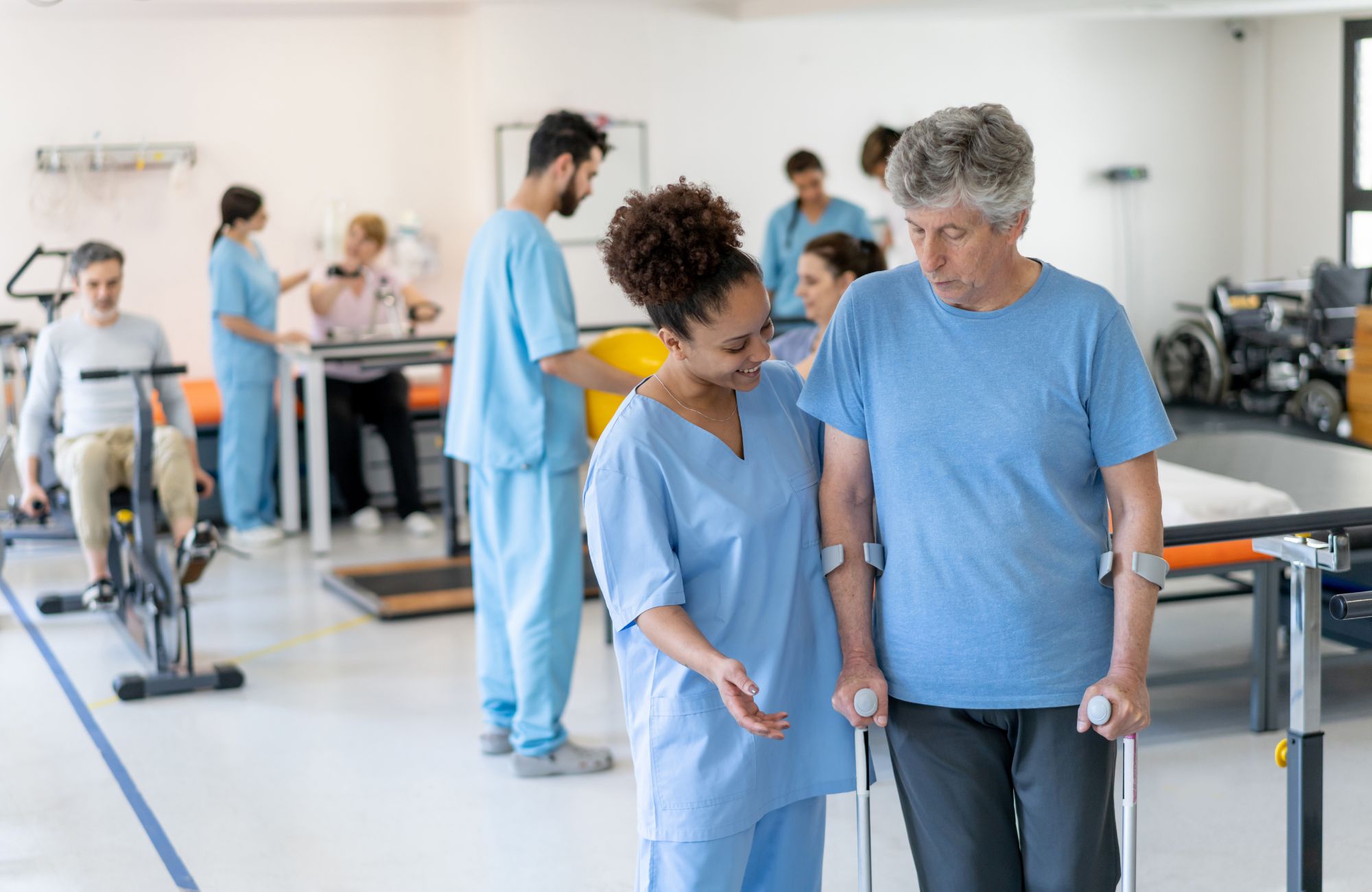
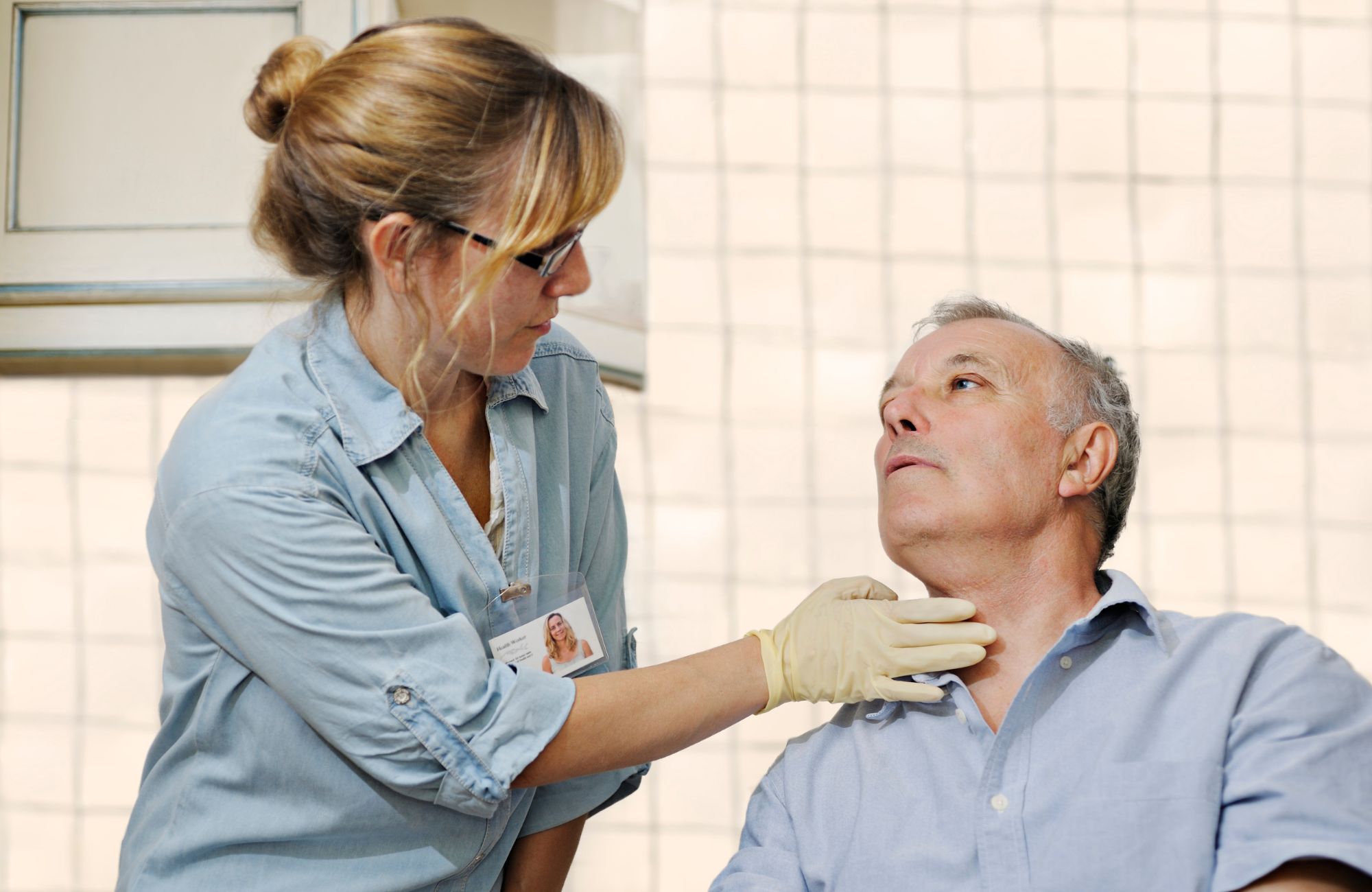
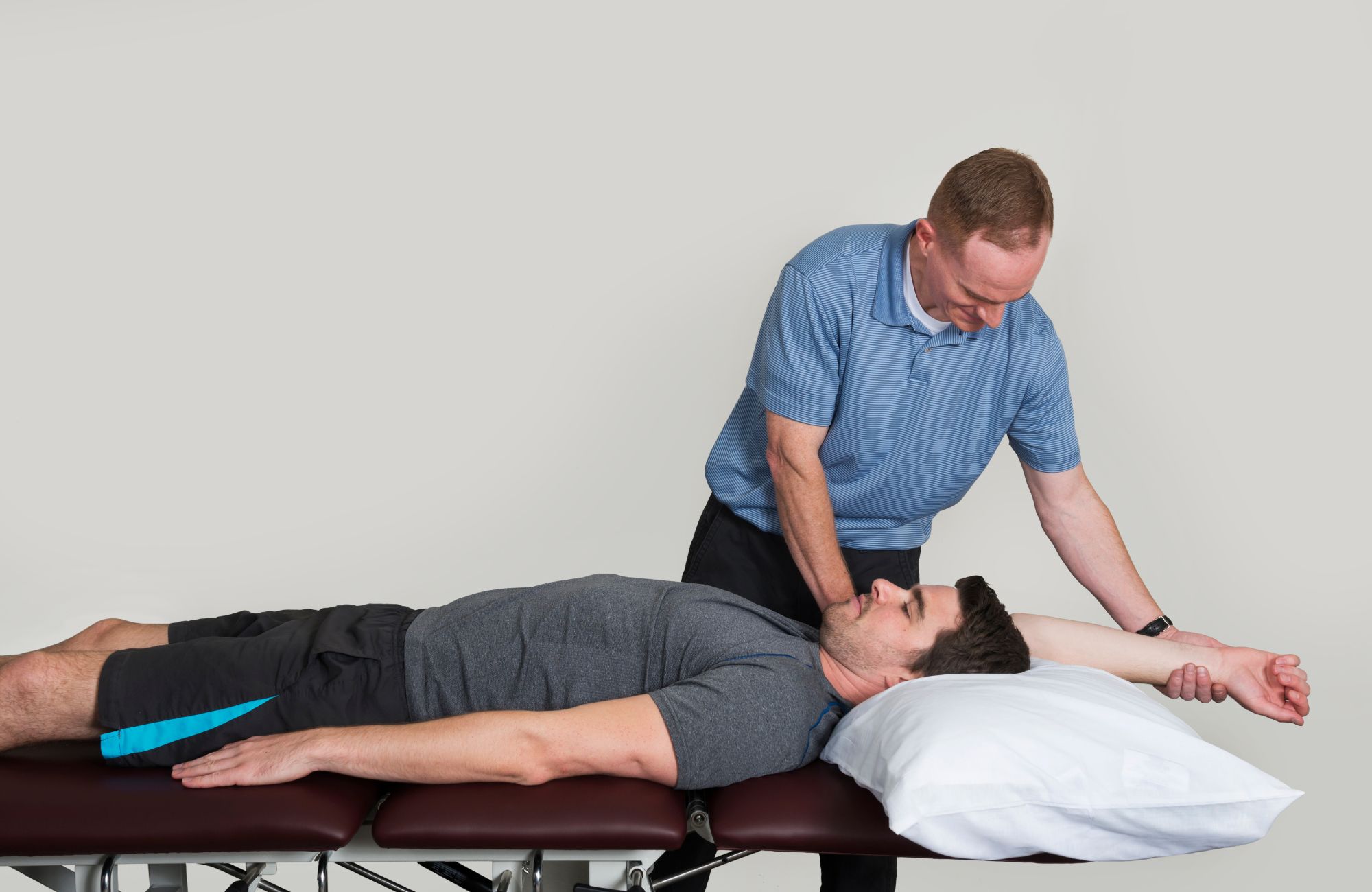
Elderly rehabilitation helps older adults regain strength, mobility, balance, communication skills, and independence after illness, injury, surgery, or age-related decline. It typically combines physical therapy, occupational therapy, speech therapy, and other services to support recovery, improve quality of life, and enable a safe return to daily activities.

As people age, recovery from a hospital stay, joint replacement, stroke, heart attack, traumatic brain injury, or other medical events grows more complex. Older adults often need structured therapy to rebuild function, manage chronic conditions, and prevent further decline. Whether care takes place in a rehabilitation center, skilled nursing facility, or outpatient setting, the goal is the same: helping elderly patients achieve the highest possible level of function and independence.

What Is Elderly Rehabilitation?

Elderly rehabilitation is a structured recovery process that helps older adults regain strength, mobility, independence, and daily function after illness, injury, surgery, or age-related decline. Rehabilitation programs often combine physical therapy, occupational therapy, speech therapy, and other services tailored to a patient’s needs.

Unlike traditional medical care, which focuses on diagnosing and treating conditions, rehabilitation focuses on restoring function and helping individuals return to daily activities safely. Programs are individualized and often involve multiple healthcare professionals working together throughout recovery.

How the Rehabilitation Process Works

Most rehabilitation programs begin with a comprehensive evaluation. The rehabilitation team assesses mobility, strength, balance, cognitive function, communication abilities, and daily living skills. Based on these findings, therapists establish measurable goals and create a personalized treatment plan.

As therapy progresses, clinicians monitor improvements and adjust interventions as needed. Treatment plans often evolve throughout recovery to address changing needs and help patients achieve greater independence.

What Happens During the First Week of Elderly Rehabilitation?

The first week of rehabilitation typically focuses on evaluation, goal setting, and establishing a safe recovery plan. Patients often participate in early therapy sessions designed to assess movement, endurance, communication abilities, and daily living skills.

For example, an older adult recovering from a hip fracture may begin with transfer training, standing exercises, and short walks with assistance. Family members are often included in education and discharge planning discussions during this early stage of recovery.

Who Can Benefit From Elderly Rehabilitation?

Older adults recovering from surgery, stroke, falls, fractures, chronic illness, or hospitalization often benefit from elderly rehabilitation. Therapy helps restore function, improve mobility, support emotional well-being, and reduce complications that may affect long-term independence.

Many conditions can lead to a need for senior rehab. While every patient’s situation is different, several health events commonly require structured rehabilitation services.

Stroke Recovery

A severe stroke can affect movement, speech, swallowing, memory, and cognitive function. Recovery typically involves physical therapy to improve walking and balance, occupational therapy to rebuild daily living skills such as dressing and meal preparation, and speech therapy to address communication and swallowing difficulties.

Early rehabilitation often plays an important role in improving outcomes, though recovery timelines vary significantly from person to person.

Hip Fractures and Falls

Falls are one of the leading causes of injury among older adults and can result in serious injuries, hospitalizations, and loss of independence. After a hip fracture or fall-related injury, rehabilitation focuses on rebuilding strength and balance through gait training, strengthening exercises, manual therapy, and fall prevention education.

One challenge rehabilitation professionals frequently encounter is that fear of falling can persist long after the physical injury heals, making confidence-building an essential part of recovery.

Joint Replacement Recovery

Many older adults undergo knee or hip replacement to address chronic pain and limited mobility. While surgery may relieve pain, rehabilitation is necessary to restore movement and function. Therapy addresses strength, range of motion, joint stiffness, walking mechanics, and safe movement patterns that support long-term recovery.

For example, an older adult recovering from knee replacement surgery may spend the first few days focusing on standing safely and short-distance walking. Over the following weeks, therapy often progresses to stair navigation, household mobility, and longer walking distances that support independent living.

Parkinson’s Disease

Parkinson’s disease can affect movement, balance, coordination, and speech. Rehabilitation helps patients maintain mobility, independence, and safety through physical therapy, occupational therapy, and speech therapy. While rehabilitation cannot stop disease progression, it can help older adults remain active and maintain a better quality of life for longer.

Arthritis and Chronic Pain

Arthritis can cause joint pain, stiffness, and reduced mobility that make everyday activities more difficult. Rehabilitation helps older adults stay active through therapeutic exercise, pain management strategies, manual therapy, and practical adaptations that support safe movement and independence.

Hospitalization and Physical Deconditioning

Even a short hospital stay can cause significant strength loss in older adults. Prolonged bed rest leads to deconditioning that affects walking, balance, endurance, and the ability to manage daily tasks, often more severely than the original illness itself.

After discharge, many older adults transition to a skilled nursing facility or short-term rehabilitation program. Facilities frequently report that patients recovering from pneumonia, infection, or extended bed rest often experience greater mobility loss than expected. In these cases, rehabilitation typically focuses on rebuilding endurance, restoring balance, and helping patients safely resume everyday activities before returning home.

What Types of Therapy Are Used in Elderly Rehabilitation?

Most elderly rehabilitation programs combine physical therapy, occupational therapy, speech therapy, and sometimes respiratory therapy, each targeting different aspects of recovery, but often working together. Older adults recovering from illness, injury, or surgery rarely benefit from a single provider alone; a team-based approach allows programs to address mobility, communication, daily living skills, and medical needs simultaneously.

Physical Therapy

A Physical therapy is often the foundation of senior rehabilitation. Physical therapists help patients improve movement, strength, endurance, balance, and coordination after a health setback. Common goals include:

  • Improving walking ability and gait mechanics
  • Increasing strength and flexibility
  • Reducing fall risk and restoring balance
  • Supporting recovery after joint replacement
  • Managing pain and joint stiffness

Therapy sessions may include therapeutic exercises, gait training, balance activities, manual therapy, and mobility practice. For patients recovering from a stroke, heart attack, or prolonged hospital stay, physical therapy is often the primary driver of restored independence. For healthcare organizations, maintaining access to qualified clinicians is an important part of delivering consistent physical therapy services throughout the rehabilitation process.

Occupational Therapy

Occupational therapy focuses on helping older adults perform daily activities safely and independently. Therapists assess how patients function in real-world situations and develop strategies, including adaptive equipment and home modifications, to make tasks easier and safer. Common areas of focus include:

  • Dressing, bathing, and grooming
  • Meal preparation and household tasks
  • Fine motor skills, hand strength, and dexterity
  • Personal care routines

For patients recovering from neurological conditions or injuries, rebuilding hand coordination and dexterity is often as critical as physical mobility.

Speech Therapy

Speech-language pathologists address more than communication; they also work on cognition and swallowing difficulties that can develop after illness or injury. Common areas of treatment include:

  • Memory and cognitive function
  • Problem-solving and language difficulties
  • Swallowing disorders (dysphagia)
  • Social communication skills

A patient recovering from a traumatic brain injury or stroke may need speech therapy to rebuild language skills and safely manage eating and drinking. Addressing communication difficulties can also reduce isolation and support emotional well-being during recovery.

Respiratory Therapy

Some older adults receive respiratory therapy during rehabilitation, particularly after respiratory illness, surgery, or chronic lung disease. The focus of respiratory therapists is to help improve breathing efficiency, exercise tolerance, and overall participation in rehabilitation activities, supporting a smoother recovery process.

What Are the Main Goals of Elderly Rehabilitation?

The primary goals of elderly rehabilitation are to restore function, improve mobility, reduce fall risk, rebuild strength, and help older adults live as independently as possible. Every rehabilitation plan is personalized, but most programs share several common objectives.

Restoring Mobility and Independence

One of the most important goals of senior rehabilitation is helping patients move safely and confidently. This may involve walking independently, navigating stairs, getting in and out of bed, standing safely, and using assistive devices correctly. Improved mobility allows people to participate more fully in daily life and is often the clearest indicator of recovery progress.

Rebuilding Strength and Confidence

Muscle weakness can develop quickly after illness, surgery, or inactivity. Rehabilitation uses progressive exercise to rebuild strength and endurance while helping older adults regain confidence with movement and daily activities.

Supporting Daily Living Activities

Rehabilitation helps patients relearn or adapt everyday tasks that determine whether they can safely return home, such as bathing, dressing, preparing meals, managing medications, and handling household routines. Occupational therapists lead much of this work, often recommending adaptive equipment or modified techniques to make tasks safer and more manageable.

Improving Cognitive Function

For patients recovering from neurological conditions, rehabilitation may focus on memory, attention, communication, and problem-solving. Speech-language pathologists and occupational therapists frequently collaborate on cognitive recovery, helping patients navigate everyday challenges more effectively.

Managing Pain and Promoting Healing

Pain can limit movement, reduce therapy participation, and slow overall recovery. Rehabilitation programs address this through therapeutic exercise, manual therapy, movement training, and education about safe activity levels, reducing discomfort while keeping patients engaged in their recovery plan.

Preventing Future Complications

Many rehabilitation programs extend beyond immediate recovery to reduce the risk of future injury or hospitalization. This includes fall prevention training, home safety education, energy conservation strategies, and teaching safe movement techniques that patients can carry forward after discharge

Where Do Elderly Rehabilitation Services Take Place?

Elderly rehabilitation can be delivered across a range of settings, from hospital-based inpatient programs to home visits. The right option depends on a patient’s medical condition, level of independence, support system, and recovery goals.

Setting Best For Therapy Intensity Medical Support
Inpatient Rehabilitation Complex recovery after serious illness or injury High High
Skilled Nursing Facility Patients needing rehab and ongoing nursing care Moderate High
Outpatient Rehabilitation Patients living at home who attend scheduled therapy Moderate Low
Home Health Rehabilitation Homebound patients receiving therapy at home Variable Limited

Inpatient Rehabilitation

Inpatient rehabilitation programs provide intensive, hospital-based therapy for patients with complex recovery needs. Patients typically receive multiple therapy sessions per day alongside continuous medical monitoring. This setting is most appropriate after a severe stroke, traumatic brain injury, major surgery, or other serious medical event requiring close clinical oversight.

Skilled Nursing Facilities

A skilled nursing facility combines rehabilitation services with ongoing nursing and medical care. Patients may receive therapy, medication administration, wound care, and medical monitoring while continuing their recovery in a structured environment.

Outpatient Rehabilitation

Outpatient therapy allows patients to live at home while attending scheduled appointments at a rehabilitation clinic or center. This option is typically appropriate for patients who have progressed beyond inpatient settings and can manage daily life with some independence but still benefit from regular, structured therapy.

Home-Based Rehabilitation

Home health rehabilitation brings therapy directly to the patient, particularly beneficial for those with limited mobility or transportation barriers. Therapists can also conduct home safety evaluations and recommend modifications that reduce fall risk and support safer daily functioning.

Insurance and Care Coordination

The rehabilitation setting a patient enters may depend on insurance coverage, Medicare or Medicaid eligibility, physician recommendations, and medical necessity requirements. A hospital social worker, discharge planner, or care coordinator often helps patients and families understand available rehabilitation options and coverage requirements before services begin.

Why Is Fall Prevention a Major Part of Elderly Rehabilitation?

Falls are one of the leading causes of injury, hospitalization, and loss of independence among older adults, and one of the most preventable. According to the CDC, falls remain a top health concern for adults 65 and older, which is why fall prevention is woven throughout most elderly rehabilitation programs rather than treated as a standalone topic.

How Rehabilitation Reduces Fall Risk

Physical therapists assess walking patterns, balance, muscle strength, transfer ability, and assistive device use to identify where fall risk is highest. Therapy is then tailored to address those specific gaps.

Balance training is a consistent focus; patients practice standing activities, weight shifting, obstacle navigation, and functional movements that mirror real-life situations. Strengthening exercises build the stability needed to recover from a stumble before it becomes a fall.

Addressing Fear of Falling and Home Safety

One of the more persistent challenges in fall prevention is psychological. Even after physical recovery begins, many older adults remain fearful of another fall and reduce their activity as a result. That reduction in movement leads to further weakness, which paradoxically increases fall risk. Rehabilitation teams address this directly, helping patients rebuild both physical capacity and confidence through gradual, supported progression.

Occupational therapists contribute by evaluating the home environment and recommending practical modifications, removing tripping hazards, improving lighting, and installing grab bars that reduce risk where patients spend most of their time.

Ultimately, fall prevention in elderly rehabilitation is about more than avoiding injury. It is about keeping older adults active, confident, and able to engage fully in daily life.

Why Rehabilitation Staffing Matters for Healthcare Facilities

Successful elderly rehabilitation programs depend on consistent, coordinated care, and that depends on having qualified therapy professionals in place. When staffing is stable, treatment plans stay on schedule, care teams communicate more effectively, and patients are less likely to experience disruptions that affect recovery progress.

At Flagstar Rehab, facilities often report that maintaining consistent therapy schedules during periods of increased admissions is one of the most common rehabilitation staffing challenges. In rehabilitation settings where patients rely on coordinated care across multiple therapy disciplines, even short staffing gaps can create scheduling pressures that affect continuity of care and treatment planning.

The Impact of Staffing Gaps on Patient Care

A full rehabilitation team spans multiple disciplines: physical therapists, occupational therapists, speech-language pathologists, respiratory therapists, nurses, and support staff. When any role remains vacant for an extended period, scheduling becomes less predictable, and the remaining care team must absorb the gap, often at the expense of therapy frequency and individualized attention.

Common Staffing Challenges in Rehabilitation Settings

Maintaining consistent staffing is an ongoing challenge for many facilities. Common pressure points include:

  • Filling specialized therapy positions quickly enough to avoid schedule disruptions
  • Balancing patient volume during periods of high admissions
  • Competing for experienced clinicians in skilled nursing facilities, inpatient rehabilitation programs, and rural healthcare markets

At Flagstar Rehab, facilities often report that maintaining therapy frequency during periods of increased admissions is one of the most common rehabilitation staffing challenges. Even short vacancies in physical therapy, occupational therapy, or speech-language pathology roles can create scheduling pressures that affect care coordination across the rehabilitation team.

Staffing Models and Workforce Solutions

Facilities typically address these gaps through a combination of approaches, temporary placement, contract staffing, direct hire, and temp-to-perm arrangements. The right mix depends on patient volume, budget, and longer-term workforce strategy.

Working with an experienced rehabilitation staffing partner can help facilities maintain therapy coverage, navigate credential verification requirements, and preserve continuity of care, so that older adults receive the consistent, high-quality rehabilitation they need throughout recovery.

What Challenges Do Elderly Rehabilitation Programs Face Today?

According to the World Health Organization, rehabilitation needs continue to grow globally as populations age, and more people live with chronic health conditions. For elderly rehabilitation programs, this rising demand intersects with workforce shortages, increasing patient complexity, and access barriers, creating pressure on facilities to deliver consistent, quality care with limited resources.

Managing Complex, Multi-Condition Patients

Many older adults entering rehabilitation have multiple overlapping medical needs. A patient recovering from a heart attack may simultaneously be managing arthritis, diabetes, balance issues, or cognitive changes. These combinations require coordinated care across several disciplines and make individualized treatment planning more demanding than straightforward single-condition recovery.

Workforce Shortages Across Rehabilitation Disciplines

Healthcare organizations continue to face clinician shortages across physical therapy, occupational therapy, speech-language pathology, and respiratory therapy. Recruiting and retaining qualified professionals, particularly in rural areas and high-demand markets, remains one of the most persistent operational challenges in rehabilitation today.

Financial and Access Barriers

Insurance limitations, transportation challenges, and access to nearby rehabilitation services can affect whether older adults receive timely care. Family caregivers also play an important role during recovery, and rehabilitation teams often provide education, discharge planning, and practical guidance to help families support a loved one’s transition from inpatient care to home. 

What Is the Career Outlook for Rehabilitation Professionals Working With Older Adults?

Demand for rehabilitation professionals continues to grow as healthcare organizations serve an aging population with increasing rehabilitation needs. Physical therapists, occupational therapists, speech-language pathologists, respiratory therapists, and therapy assistants play an important role in helping older adults recover from illness, injury, and surgery.

Hospitals, rehabilitation centers, skilled nursing facilities, outpatient clinics, and home health agencies continue to rely on qualified rehabilitation professionals to support patient recovery and maintain quality care.

How Flagstar Rehab Helps Healthcare Facilities and Therapists With Elderly Rehabilitation

Elderly rehabilitation plays an important role in helping older adults recover after illness, injury, surgery, and other health challenges. Whether a patient is rebuilding strength after a joint replacement, recovering from a severe stroke, or working to improve mobility and independence after a hospital stay, rehabilitation services help support safer movement, better function, and a higher quality of life. Successful outcomes often depend on access to qualified rehabilitation professionals and consistent therapy services delivered in a supportive environment.

Flagstar Rehab helps healthcare facilities connect with qualified rehabilitation professionals across physical therapy, occupational therapy, speech-language pathology, respiratory therapy, PTA, and COTA roles. Through ongoing partnerships with hospitals, rehabilitation centers, and skilled nursing facilities, Flagstar Rehab supports organizations working to maintain consistent therapy coverage and quality patient care. Facilities seeking qualified physical therapist staffing support or clinicians interested in rehabilitation-focused opportunities can connect with our team to discuss their goals and next steps.

FAQs

What therapies are included in elderly rehabilitation?

Most elderly rehabilitation programs include physical therapy, occupational therapy, and speech therapy. Some patients may also receive respiratory therapy, pain management support, cognitive rehabilitation, wound care services, and other specialized treatments depending on their medical needs.

Does Medicare pay for rehabilitation for seniors?

Medicare may help cover rehabilitation services for seniors when the care is considered medically necessary and meets program requirements. Coverage can vary depending on the rehabilitation setting, treatment plan, and individual eligibility, so patients should review their specific benefits with Medicare or their healthcare provider.

Does rehabilitation help people with spinal cord injuries?

Yes, rehabilitation can help people with spinal cord injuries improve mobility, strength, independence, and overall function. Treatment plans often include physical therapy, occupational therapy, adaptive equipment training, and other specialized services tailored to the individual’s needs and recovery goals.

How long can the elderly stay in rehab?

The length of a rehabilitation stay depends on the individual’s condition, recovery progress, medical needs, and treatment goals. Some older adults may require only a few weeks of rehabilitation, while others with more complex conditions may benefit from longer-term therapy and ongoing support.

Fall Prevention Therapy: How It Helps Reduce Falls and Improve Safety

Fall prevention therapy is a structured rehabilitation approach that reduces fall risk by improving balance, strength, gait, and confidence. Physical therapists conduct individualized assessments using clinical tools such as the Timed Up and Go test and the Berg Balance Scale to identify risk and track progress. Key strategies include balance training, gait correction, strength exercises, dual-task training, and home safety education. Early intervention, before a serious fall occurs, consistently produces the best outcomes. 

Falls are the leading cause of injury-related deaths among adults 65 and older in the United States. According to the Centers for Disease Control and Prevention, about 36 million falls are reported among older adults each year, resulting in more than 32,000 deaths annually. One in four older adults falls each year, yet fewer than half report it to their healthcare provider, often because they fear losing their independence.

Fall prevention therapy addresses this gap. Through personalized assessment, targeted rehabilitation, and practical education, physical therapists help older adults and at-risk individuals identify what is driving their fall risk and take meaningful steps to reduce it.

What Is Fall Prevention Therapy?

Fall prevention therapy is a structured rehabilitation approach designed to reduce an individual’s risk of falling by improving the physical, functional, and environmental factors that contribute to instability. It is delivered by licensed physical therapists and typically includes a comprehensive evaluation, individualized treatment plan, and ongoing progress monitoring.

This type of therapy is appropriate for:

  • Older adults with a history of falls or near-falls
  • Individuals recovering from stroke, hip fracture, or joint replacement
  • People managing chronic conditions such as Parkinson’s disease, arthritis, or peripheral neuropathy
  • Anyone experiencing balance difficulties, dizziness, or fear of falling

Fall Prevention Therapy at a Glance

Feature Details
Who it’s for Adults 65+, post-surgical patients, and those with chronic conditions affecting balance
Primary goals Reduce fall risk, improve balance and strength, restore confidence and independence
Key assessment tools TUG Test, Berg Balance Scale, Five Times Sit-to-Stand Test
Core interventions Balance training, gait training, strength exercises, dual-task training, and assistive device training
Home strategies Environmental modifications, daily habit changes, prescribed home exercise program
When to start As early as possible, ideally before a serious fall occurs
Who delivers it Licensed physical therapists in outpatient, inpatient, SNF, or home health settings

Why Qualified Physical Therapists Play an Important Role

Not all balance problems stem from the same cause. A physical therapist’s value lies in identifying why a person is at risk, not just recommending general exercises.

During an evaluation, a therapist examines:

  • Medical and medication history
  • Balance and vestibular function
  • Lower extremity strength
  • Walking patterns and gait deviations
  • Functional limitations in daily tasks
  • Home and environmental hazards

Clinical Assessment Tools Used in Practice

Therapists use standardized, validated tools to measure fall risk objectively and track progress over time. Three of the most widely used include:

Timed Up and Go (TUG) Test: The patient rises from a chair, walks 10 feet, turns, walks back, and sits down. Completion in more than 12 seconds is associated with increased fall risk in community-dwelling older adults. In rehabilitation settings, therapists frequently see patients score between 15 and 25 seconds at initial evaluation, and with targeted intervention, many reduce their time to under 12 seconds within six to eight weeks.

Berg Balance Scale (BBS): A 14-item assessment that evaluates static and dynamic balance across functional tasks such as standing with eyes closed, reaching forward, and stepping onto a stool. Scores below 45 out of 56 indicate a meaningful fall risk. Patients admitted to skilled nursing facilities following a hip fracture commonly present with BBS scores in the 20–35 range; discharge goals typically target 45 or above.

Five Times Sit-to-Stand Test (FTSST): The patient rises from a chair and sits back down five times as quickly as possible. Adults aged 70–79 who take longer than 12 seconds are considered at elevated risk. This test directly measures the leg strength and power needed to recover from a loss of balance, one of the most functional predictors of fall risk in daily life.

These tools allow therapists to establish a measurable baseline, set realistic goals, and demonstrate objective progress to patients, families, and referring providers.

What Causes Most Falls?

Falls are rarely caused by a single factor. Research consistently shows that fall risk increases with the number of contributing factors present. According to the CDC, having four or more risk factors significantly increases the likelihood of a fall. 

Common causes include:

  • Muscle weakness, particularly in the legs and core
  • Balance and gait impairments that affect stability during walking or transitions
  • Medication side effects, including dizziness, low blood pressure, or sedation
  • Vision changes that reduce depth perception or contrast sensitivity
  • Environmental hazards such as loose rugs, poor lighting, and cluttered pathways
  • Chronic conditions that affect coordination, sensation, or cognition

In rehabilitation settings, one pattern appears consistently: hesitation during turning or stair negotiation often emerges months before a serious fall occurs. Patients frequently describe avoiding certain movements, skipping stairs, holding walls when walking through unfamiliar spaces, or limiting outings to familiar environments. These behavioral changes are early warning signs that warrant evaluation, and addressing them proactively is consistently more effective than intervening after an injury.

How Fall Prevention Therapy Reduces Risk

A well-designed fall prevention program addresses risk factors through several evidence-supported strategies.

Balance and Vestibular Training

Exercises that challenge the body’s balance systems help the nervous system respond more effectively to unexpected shifts in position. These may include single-leg standing, tandem walking, and perturbation training, where the therapist introduces a controlled challenge, like a gentle nudge, to train reactive responses.

Gait Training

Gait abnormalities, shortened stride length, reduced arm swing, or foot drop directly increase fall risk. Therapists use observation and, in some settings, instrumented gait analysis to identify and correct these patterns.

Strength Training

Lower extremity and core strength are foundational to safe movement. Resistance exercises targeting the hips, knees, and ankles are commonly prescribed. Sit-to-stand exercises and step training are particularly functional because they mirror movements that commonly precede falls at home.

Dual-Task Training

Many falls happen when attention is divided, for example, turning to respond to someone while walking. Therapists address this by incorporating cognitive tasks, such as counting backward or naming items in a category, while the patient performs a balance activity. This trains the brain and body to handle real-world demands more safely.

Assistive Device Training

Improper use of canes and walkers is a documented fall risk. Physical therapists ensure devices are fitted correctly and that patients understand how to use them safely on different surfaces and in different settings.

Patient Outcome Example

Background: A 74-year-old woman was referred to outpatient physical therapy following two falls in three months. She had a history of osteoporosis and reported avoiding stairs and outdoor walking due to fear of falling. At initial evaluation, her TUG score was 18.4 seconds, and her Berg Balance Scale score was 38/56, both indicating elevated fall risk.

Intervention: Over eight weeks, her therapist developed a program targeting hip and ankle strength, dynamic balance using foam surface and tandem walking progressions, and dual-task training incorporating verbal tasks during ambulation. Her home environment was also assessed; recommendations included installing a grab bar in the shower and improving lighting in the hallway leading to the bathroom.

Outcome: At discharge, her TUG improved to 10.9 seconds, and her BBS score reached 48/56, both within the lower-risk range. She reported returning to outdoor walks with a walking group and independently navigating stairs at home. She had experienced no falls during the treatment period.

This example is representative of outcomes commonly seen in outpatient rehabilitation settings and is based on composite clinical experience.

Education as a Prevention Tool

Therapy sessions also involve education, which often has a lasting effect beyond the exercises themselves.

Patients learn how to:

  • Recognize their personal risk factors
  • Move safely during high-risk activities like getting out of bed or stepping into the shower
  • Navigate challenging environments such as uneven outdoor surfaces or crowded spaces
  • Stay active without increasing their injury risk

Fear of falling is itself a significant risk factor. Research on Innovation in Aging shows that fear leads to reduced activity, which accelerates deconditioning, creating a cycle that increases the high risk the person is trying to avoid. Addressing confidence alongside physical ability is a meaningful part of effective fall prevention therapy.

Why Consistent Therapy Coverage Matters in Rehabilitation Settings

In skilled nursing facilities, inpatient rehabilitation centers, and home health settings, timely access to physical therapy is directly tied to patient safety outcomes.

When staffing shortages occur, evaluations may be delayed, treatment initiation is pushed back, and follow-up care becomes inconsistent. For patients with mobility limitations or elevated fall risk, these delays carry real consequences, including preventable falls during the gap in care.

Healthcare facilities that use physical therapist staffing services can maintain consistent access to qualified physical therapists who support fall prevention programs and contribute to continuity of patient care.

How Fall Prevention Continues at Home

Gains made during therapy need to be reinforced between sessions and after discharge. Home-based strategies help patients maintain progress and reduce exposure to common hazards.

Environmental Modifications

Simple changes can significantly lower fall risk at home:

  • Remove or secure throw rugs
  • Improve lighting in hallways, stairwells, and bathrooms
  • Install grab bars near the toilet and in the shower
  • Add handrails on both sides of staircases
  • Keep frequently used items within easy reach to avoid unsafe reaching or climbing

Daily Habits That Support Safety

Consistent daily habits also influence fall risk:

  • Wear supportive, properly fitted footwear, and avoid walking in socks or loose slippers
  • Use prescribed assistive devices consistently, not just when feeling unsteady
  • Review medications with a physician or pharmacist at least annually
  • Schedule yearly vision exams
  • Avoid standing quickly from a seated or lying position, particularly first thing in the morning, when blood pressure fluctuations are more likely

Exercises to Maintain Strength and Balance at Home

A physical therapist will typically prescribe a home program tailored to the individual’s ability and goals. Common activities include:

  • Walking programs with a defined route and duration
  • Heel-to-toe walking along a straight line
  • Sit-to-stand repetitions from a chair without using hands (when appropriate)
  • Tai chi, which has strong evidence for fall reduction in older adults
  • Single-leg balance holds with a stable surface nearby for safety

These exercises should always be selected based on the individual’s current ability level and approved by their therapist; the goal is progressive challenge without increasing injury risk.

How Flagstar Rehab Supports Fall Prevention Therapy

Successful fall prevention therapy depends on timely evaluations, individualized treatment plans, and consistent access to qualified rehabilitation professionals. When healthcare facilities experience staffing shortages, delays in therapy services can affect patient safety, mobility outcomes, and the continuity of fall prevention programs. Maintaining adequate therapy coverage helps facilities identify fall risks earlier, implement evidence-based interventions, and support better patient outcomes.

Flagstar Rehab helps healthcare facilities strengthen their fall prevention efforts by connecting them with experienced physical therapists and rehabilitation professionals who are ready to contribute from day one. Through temporary staffing, contract placements, and direct-hire solutions, Flagstar Rehab supports hospitals, rehabilitation centers, skilled nursing facilities, and outpatient clinics in maintaining high-quality therapy services. Healthcare organizations looking to support patient safety initiatives and maintain reliable rehabilitation coverage can connect with the Flagstar Rehab team to discuss staffing solutions tailored to their needs.

FAQs

What are the 5 P’s of fall prevention?

The 5 P’s commonly refer to pain, potty, position, possessions, and pathway. Healthcare teams use these categories to identify and address factors that may lead to patient falls in care settings.

What exercises help most with fall prevention after 65?

Balance training, strength training (particularly for the lower extremities), and walking programs are consistently recommended as foundational activities. A physical therapist can determine which exercises are most appropriate based on an individual’s specific risk profile.

How can older adults prevent falls at home?

Fall prevention for older adults typically involves regular physical activity, balance training, home safety modifications, medication reviews, vision checkups, and appropriate footwear. A physical therapist can identify specific risk factors and develop a personalized plan.

What are the 4 P’s of fall prevention?

The 4 P’s, or pain, potty, position, and possessions, are a framework used in clinical settings to improve patient safety and reduce preventable falls.

What are the 3 key questions for fall risk screening?

Clinicians commonly ask: Have you fallen in the past year? Do you feel unsteady when standing or walking? Are you worried about falling? Positive responses indicate a need for further evaluation and likely intervention.

What Is a Geriatric PT? Roles, Skills, Career Path, and Hiring Outlook

A geriatric PT is a physical therapist who works with older adults to improve mobility, balance, strength, and functional independence. Geriatric physical therapy focuses on helping patients maintain quality of life, recover from injuries, prevent falls, and manage age-related conditions that affect movement and daily activities. As the population continues aging, the need for skilled physical therapists in this area continues to grow.

Many older adults want to stay active, live safely at home, and maintain independence for as long as possible. Geriatric PTs play a major role in making that possible. They assess movement issues, create treatment plans, provide rehabilitation services, and support long-term wellness goals. The growing demand for these services has also increased opportunities within physical therapist staffing services and healthcare organizations nationwide.

What Does a Geriatric PT Do?

These clinicians work across hospitals, skilled nursing facilities, home health agencies, and outpatient settings to address age-related movement challenges and reduce the risk of falls. Geriatric physical therapy focuses on how aging affects movement and physical health. Many older adults experience changes in strength, flexibility, coordination, and endurance over time. A geriatric PT works to address these issues through targeted treatment and rehabilitation strategies.

A typical day may include:

  • Performing patient evaluations
  • Assessing mobility and balance
  • Creating personalized exercise programs
  • Recommending assistive devices
  • Monitoring recovery progress
  • Educating patients, family members, and caregivers (often as much of the job as hands-on treatment)
  • Coordinating care with physicians and healthcare teams

Unlike some therapy specialties that focus on a single injury or body part, geriatric PTs often treat a broad range of conditions at the same time. One patient may be recovering from surgery while also managing arthritis, osteoporosis, and balance issues. Helping patients understand how to move safely plays a crucial role in preventing future injuries and maintaining independence.

What Conditions Do Geriatric PTs Commonly Treat?

Geriatric PTs treat conditions that affect movement, strength, balance, and daily function. Their goal is to help older adults stay active, safe, and independent while reducing complications that may affect quality of life.

Many conditions become more common with age. Some develop gradually, while others occur after an injury, illness, or surgery.

Musculoskeletal Conditions

Musculoskeletal conditions affect bones, joints, muscles, and connective tissues, making everyday activities more difficult. Examples include:

  • Arthritis
  • Osteoporosis
  • Chronic back pain
  • Joint replacement recovery
  • Shoulder injuries
  • Age-related muscle weakness

Neurological Conditions

Neurological conditions often affect balance, coordination, and mobility. Examples include:

  • Parkinson’s disease
  • Stroke recovery
  • Multiple sclerosis
  • Vestibular disorders

Functional Decline and Fall Risk

One of the most common reasons patients receive geriatric physical therapy is to address functional decline. This may include:

  • Difficulty walking
  • Reduced strength
  • Increased fall risk
  • Poor balance
  • Limited endurance
  • Difficulty getting in and out of bed or chairs

According to the CDC, more than 14 million older adults, roughly 1 in 4 Americans over 65, report falling each year, resulting in an estimated 9 million fall injuries annually. Because of this, fall prevention, balance training, and mobility assessments are major areas of focus in geriatric physical therapy.

Condition Therapy Goal
Arthritis Improve mobility and reduce discomfort
Osteoporosis Increase strength and improve safety
Parkinson’s Disease Improve balance and coordination
Stroke Recovery Restore functional movement
Balance Disorders Reduce fall risk
Joint Replacement Recovery Improve mobility and independence

Example: How Geriatric PT Supports Recovery After a Fall

Consider an older adult who experiences a fall at home and develops a fear of walking independently afterward. Even after the physical injury heals, confidence may remain low. A geriatric PT may evaluate balance, gait, strength, home safety risks, and mobility patterns before creating a treatment plan focused on restoring both physical function and confidence. Recovery often involves more than healing an injury; it also means rebuilding the confidence to move safely at home.

Where Do Geriatric PTs Work?

The work environment often shapes the types of patients geriatric PTs treat, the pace of care, and the goals of treatment. Because older adults receive care in different settings throughout life, physical therapists in this specialty often have several career paths available to them.

Skilled Nursing Facilities

Skilled nursing facilities are one of the largest employers of geriatric PTs. Patients may require:

  • Post-surgical rehabilitation
  • Recovery after hospitalization
  • Long-term mobility support
  • Balance training
  • Fall prevention programs

Therapists in these settings often work closely with nurses, physicians, and occupational therapists.

Home Health Agencies

Home health physical therapy allows therapists to treat patients where they live. This setting focuses heavily on:

  • Home safety assessments
  • Functional independence
  • Mobility training
  • Assistive device recommendations
  • Caregiver training and home exercise programs

Many therapists find value in seeing how patients function in their real-life environment, observations that aren’t always possible in a clinical setting.

Hospitals and Rehabilitation Centers

Hospitals often employ geriatric PTs to help patients begin recovery soon after surgery, illness, or injury. Responsibilities may include:

  • Early mobility programs
  • Post-operative rehabilitation
  • Discharge planning
  • Functional evaluations

Outpatient Clinics

Outpatient clinics frequently treat active older adults who want to maintain an active lifestyle and prevent future injuries. Treatment may focus on:

  • Balance improvement
  • Strength training
  • Pain management
  • Flexibility
  • Injury prevention

Assisted Living Communities

Many assisted living communities use physical therapy programs to support mobility and reduce falls among residents. These programs often focus on maintaining function rather than restoring it after a major injury.

Setting Common Patient Population Primary Focus
Skilled Nursing Facility Post-acute and long-term residents Mobility and ADLs
Home Health Aging in place Safety and independence
Hospital Acute recovery Early mobility
Outpatient Clinic Active older adults Strength and balance
Assisted Living Older adults at risk for falls Functional mobility

As staffing needs grow across each of these settings, staffing services help connect qualified geriatric PTs with facilities that match their experience, preferred environment, and career goals.

What Skills Help a Geriatric PT Succeed?

Successful geriatric PTs combine clinical knowledge with strong communication, patience, and problem-solving skills. Because older adults often present with multiple conditions at once, therapists must understand how aging affects mobility, strength, cognition, and overall health, not just how to treat a single diagnosis.

Clinical Skills

Several technical skills are especially important in geriatric physical therapy. These include:

  • Gait assessment and training
  • Balance evaluation
  • Fall prevention strategies
  • Strength and conditioning programs
  • Functional mobility training
  • Assistive device selection
  • Musculoskeletal assessment
  • Rehabilitation planning

A geriatric PT must also know how to assess patients safely and recognize when a referral or consultation with another healthcare professional may be appropriate.

Communication and Education Skills

Communication is a major part of geriatric care. Many patients may have concerns about:

  • Falling
  • Losing independence
  • Pain
  • Recovery timelines
  • Lifestyle changes

Physical therapists often spend significant time providing education to both patients and caregivers. Clear communication helps improve treatment adherence and long-term outcomes.

Adaptability and Clinical Judgment

Older adults often present with a broad range of conditions at the same time. A patient recovering from a hip replacement may also have arthritis, osteoporosis, and balance issues. Treatment plans frequently require modification as patient needs change, and therapists who can adapt quickly often achieve better results while maintaining patient safety.

How Do You Become a Geriatric PT?

Becoming a geriatric PT starts with earning a Doctor of Physical Therapy degree, obtaining licensure, and gaining experience working with older adults. Some physical therapists later pursue advanced certification and specialization in geriatric care.

Earn a Doctor of Physical Therapy Degree

The first step is completing an accredited Doctor of Physical Therapy (DPT) program. During training, students learn:

  • Human anatomy
  • Biomechanics
  • Rehabilitation science
  • Clinical assessment
  • Treatment planning
  • Patient care

Many programs also include clinical rotations that provide experience working with older adults.

Pass the National Physical Therapy Examination

After graduation, candidates must pass the National Physical Therapy Examination (NPTE) and meet state licensing requirements, which allows them to begin practicing independently.

Gain Experience Working With Older Adults

Many therapists enter geriatrics through post-acute and community-based care settings, where older adult patient populations are common, and the range of clinical experience is broad. Working across different environments helps therapists build practical knowledge and clinical confidence over time.

Continue Professional Development

Many geriatric PTs participate in:

  • Continuing education courses
  • Clinical mentorship programs
  • Specialty training
  • Professional association activities

What Is a Geriatric Clinical Specialist (GCS)?

A Geriatric Clinical Specialist (GCS) is a physical therapist who has earned advanced board certification in geriatric physical therapy. The credential demonstrates specialized knowledge, clinical experience, and commitment to caring for older adults.

The certification is administered through the American Board of Physical Therapy Specialties, the organization responsible for specialty certification within the profession. It is also supported by the American Physical Therapy Association, which promotes advanced clinical practice and professional development for physical therapists.

Who Should Consider a GCS Credential?

The GCS credential may be valuable for therapists who:

  • Primarily works with older adults
  • Want to formalize expertise built through years of geriatric practice
  • Enjoy complex patient care
  • Plan to pursue leadership or teaching roles

Benefits of Board Certification

Potential benefits include:

  • Expanded clinical knowledge
  • Professional credibility
  • Career advancement opportunities
  • Recognition within the profession

According to ABPTS, 4,500 physical therapists have earned the GCS credential as of July 2025, and the career case for pursuing it is concrete. APTA data shows board-certified specialists earn an average of $4,540 more annually than non-certified PTs. For clinicians focused on geriatric care, the GCS can be a meaningful differentiator when pursuing senior roles, teaching positions, or specialized clinical opportunities. 

What Do Employers Look for When Hiring a Geriatric PT?

Employers often seek geriatric PTs who combine strong clinical skills with communication, documentation, teamwork, and patient management abilities. Experience with mobility training, fall prevention, and interdisciplinary care is frequently valued across healthcare settings.

Clinical Experience Employers Value

Many facilities prioritize candidates with experience in:

  • Balance training
  • Functional mobility
  • Post-surgical rehabilitation
  • Home health services
  • Skilled nursing care

Employers also value therapists who understand assistive devices and can recommend appropriate mobility solutions.

Soft Skills Matter

Technical skills are important, but employers also look for:

  • Communication skills
  • Patient education abilities
  • Time management
  • Team collaboration
  • Critical thinking under time pressure

Many successful therapists spend significant time working with family members, caregivers, and interdisciplinary teams.

What We Commonly See Facilities Prioritize

Through therapy staffing partnerships, one trend consistently appears across skilled nursing facilities, rehabilitation centers, and home health organizations: facilities most often struggle to find therapists who are comfortable managing patients with multiple chronic conditions. Among the facilities we support, fall-prevention experience and skilled nursing experience are two of the most frequently requested qualifications for geriatric PT roles.

Employers frequently prioritize candidates who can:

  • Perform thorough mobility and balance evaluations
  • Communicate effectively with caregivers and interdisciplinary teams
  • Adapt treatment plans when the patient’s needs change
  • Document clearly and consistently
  • Support patients with multiple chronic conditions

Is Geriatric Physical Therapy a Growing Career Field?

As the U.S. population continues to age, demand for healthcare professionals who can address age-related mobility challenges continues to grow. According to the Bureau of Labor Statistics, employment of physical therapists is projected to grow 11% from 2024 to 2034, nearly four times faster than the average growth rate across all U.S. occupations. 

Why Demand Is Increasing

Several factors contribute to growing demand:

  • Longer life expectancy
  • Increased focus on aging in place
  • Greater awareness of fall prevention
  • Rising rates of chronic conditions
  • Expanded rehabilitation services

Where Demand Is Strongest

Staffing demand is consistently highest in skilled nursing facilities, home health agencies, and post-acute rehabilitation settings, where older adults frequently require ongoing mobility and recovery support. Healthcare organizations also seek geriatric PTs in hospitals, outpatient rehabilitation centers, and assisted living communities.

Organizations most often look for therapists with experience in balance disorders, fall prevention programs, neurological rehabilitation, and functional mobility training.

A Rewarding Long-Term Career

Both new graduates and experienced therapists can find strong opportunities in geriatrics. Unlike specialties focused on short-term recovery, geriatric PT often allows clinicians to build longer patient relationships and see the direct impact of their work on someone’s ability to live safely and independently, which many therapists find to be one of the most meaningful aspects of the specialty.

How Flagstar Rehab Helps Therapists and Healthcare Facilities With Geriatric PT Staffing

Geriatric PTs play an important role in helping older adults maintain mobility, improve balance, recover from injuries, and preserve functional independence. As the demand for rehabilitation services continues to grow, healthcare facilities need qualified professionals who can provide safe, effective, and patient-centered care.

Flagstar Rehab helps healthcare facilities find qualified physical therapists, occupational therapists, speech-language pathologists, and other therapy professionals who can support patient care across a variety of settings. Through candidate screening, credential verification, flexible staffing solutions, and direct placement support, Flagstar Rehab helps organizations address staffing shortages while maintaining continuity of care. For therapists interested in geriatric PT roles and facilities seeking rehabilitation professionals, speak with the Flagstar Rehab team about available opportunities and staffing needs.

FAQs

What is a geriatric PT?

A geriatric PT is a physical therapist who specializes in working with older adults. They help patients improve mobility, balance, strength, and independence while addressing age-related conditions, injuries, and recovery needs.

How do you care for a geriatric patient?

Caring for a geriatric patient involves assessing physical, functional, and health needs while supporting safety and independence. Treatment often includes exercise, education, mobility training, fall prevention, and caregiver support.

What age is considered geriatric in physical therapy? 

There is no strict age requirement for geriatric physical therapy. Most patients are older adults, often age 65 and above, but eligibility depends more on functional needs and age-related health concerns than on a specific age.

What conditions do geriatric PTs treat?

Geriatric PTs commonly treat arthritis, osteoporosis, Parkinson’s disease, stroke recovery, balance disorders, joint replacement recovery, and general mobility limitations. Treatment focuses on improving function and maintaining independence.

Do geriatric PTs work in nursing homes?

Yes. Skilled nursing facilities are one of the most common workplaces for geriatric PTs. Therapists help residents improve mobility, recover from illness or surgery, and reduce fall risk.

Is a GCS certification required to work in geriatrics?

No. Physical therapists can work with older adults without a GCS credential. However, board certification may help demonstrate advanced expertise and commitment to geriatric practice.

Modified Diet Levels Explained: Understanding IDDSI Textures and Safe Swallowing

Modified diet levels are food and liquid textures designed for people who have trouble chewing or swallowing safely. These diets help reduce choking and aspiration risk by changing the texture, moisture, and consistency of food and fluids. Healthcare teams often use the IDDSI framework to guide safe swallowing and improve nutrition during dysphagia treatment.

Swallowing problems can affect people after a stroke, neurological illness, surgery, or aging-related changes. Some patients have trouble controlling food in the mouth. Others struggle with chewing, saliva control, or moving food safely into the throat. Modified diet levels help patients eat more safely while supporting hydration and nutrition.

Speech-language pathologists often recommend texture-modified diets after a swallowing evaluation or modified barium swallow study. According to the American Speech-Language-Hearing Association (ASHA) Adult Dysphagia Practice Portal, dysphagia management may include changes to food texture, liquid consistency, positioning techniques, and swallowing strategies to improve swallowing safety and reduce aspiration risk during meals. 

These recommendations may change during recovery as swallowing ability improves or worsens over time. Facilities that need experienced rehabilitation professionals often look for speech-language pathology careers and allied health staffing support to maintain safe dysphagia care.

What Are Modified Diet Levels?

Modified diet levels are standardized food and liquid textures used to help people with swallowing problems eat and drink more safely. These diets lower choking and aspiration risk by changing the texture, size, moisture, and consistency of foods and fluids to match a patient’s swallowing ability.

A texture-modified diet changes how food looks, feels, and moves in the mouth. Some patients need soft foods that are easy to chew. Others may require a pureed diet with smooth foods that hold together on a spoon. Liquids may also need thickening to slow movement during swallowing.

Healthcare teams often recommend modified diet levels for:

  • Stroke patients
  • Older adults
  • Parkinson’s disease patients
  • Head and neck cancer patients
  • Children with neurological disorders
  • Patients recovering from surgery

Swallowing problems can create serious health risks. Food or water that enters the airway instead of the stomach can cause aspiration pneumonia. Poor swallowing may also lead to dehydration, weight loss, and reduced quality of life.

In our rehabilitation partner facilities, speech-language pathologists frequently observe patients reducing fluid intake during the first week of thickened liquid recommendations. A common pattern is patients drinking significantly less water because the texture feels unfamiliar, increasing dehydration risk until hydration strategies are adjusted.

Modified diet levels help healthcare providers create safer eating plans while still supporting nutrition and hydration.

What Is the IDDSI Framework for Modified Diet Levels?

The International Dysphagia Diet Standardisation Initiative framework is a global system that classifies food textures and liquid thickness levels for people with swallowing disorders. Hospitals, rehabilitation centers, and speech-language pathologists use IDDSI levels to improve swallowing safety and communication between caregivers and healthcare teams.

Before IDDSI, healthcare facilities often used different names for the same diet texture. One hospital might call a diet “soft,” while another might call it “mechanical soft.” This created confusion and increased safety risks during care transitions.

IDDSI created a shared system with clear levels for food and fluids. The International Dysphagia Diet Standardisation Initiative (IDDSI) framework is now used in hospitals, rehabilitation centers, nursing facilities, and healthcare systems worldwide. Standardized terminology helps reduce confusion between caregivers, nurses, dietitians, and speech therapy teams during patient care transitions.

IDDSI Food Levels

IDDSI Level Texture Description Examples
Level 7 Regular / Easy to Chew Tender chicken, soft sandwiches, cooked vegetables
Level 6 Soft & Bite-Sized Bite-sized soft meat, soft fruit without skin, moist pasta
Level 5 Minced & Moist Finely chopped meat with sauce, soft rice dishes
Level 4 Pureed Smooth mashed potatoes, yogurt, blended vegetables
Level 3 Liquidised Pourable blended soups and smooth drinks

Thickened Liquid Levels

IDDSI also classifies fluid thickness. Some patients swallow liquids too quickly, which increases aspiration risk. 

During modified barium swallow studies, clinicians may observe that slower-moving liquids give certain patients additional time to achieve airway closure before the swallow is completed. However, thickened liquids are not appropriate for every patient and should only be recommended following an individualized swallowing assessment.

Common liquid levels include:

  • Thin liquids
  • Slightly thick
  • Mildly thick
  • Moderately thick
  • Extremely thick

Healthcare teams may use a fork, spoon, or flow test to check consistency. A liquid that moves too quickly may not be safe for some patients.

In many rehabilitation settings, nurses, dietitians, speech-language pathologists, and volunteers work together to monitor swallowing safety during meals. Facilities that support dysphagia rehabilitation often rely on allied health staffing support to maintain consistent patient care.

What Foods Are Allowed at Each Modified Diet Level?

Each modified diet level allows specific food textures based on how safely a person can chew and swallow. Softer foods reduce chewing effort and lower the risk of choking, aspiration, or food remaining in the mouth or throat after swallowing.

Level 6 Soft and Bite-Sized Foods

Level 6 foods should be tender, moist, and easy to chew. Foods are usually cut into bite-sized pieces small enough to swallow safely.

Examples include:

  • Soft-cooked vegetables
  • Tender chicken without bones
  • Soft fruit without skin
  • Moist rice dishes
  • Soft scrambled eggs
  • Pasta with sauce

Foods should not be dry, tough, or crunchy. Moisture matters because dry foods may break apart and create swallowing problems.

Level 5 Minced and Moist Foods

Level 5 foods are soft foods chopped into very small pieces. The food should stay together and hold its shape on a spoon.

Examples include:

  • Minced meat with gravy
  • Finely chopped casseroles
  • Soft fish without bones
  • Moist pasta dishes
  • Mashed vegetables
  • Oatmeal

Patients still need some chewing ability at this level, but the texture makes swallowing easier and safer.

Level 4 Pureed Foods

A pureed diet includes foods blended into a completely smooth texture. Pureed foods should not contain lumps, seeds, skin, or large particles.

Examples include:

  • Smooth mashed potatoes
  • Yogurt
  • Pureed fruit
  • Blended soups
  • Smooth pudding
  • Pureed chicken with gravy

A pureed diet should hold its shape on a spoon without separating into liquid. Some facilities use moulded pureed food to improve appearance and encourage patients to eat more comfortably.

Foods Often Restricted During Dysphagia Diets

Many patients with swallowing problems need to avoid:

  • Dry bread
  • Crunchy snacks
  • Nuts and seeds
  • Tough meat
  • Sticky foods
  • Mixed textures
  • Stringy vegetables
  • Hard fruit skin

Many caregivers are surprised that mixed-texture foods like cereal with milk or chunky soup are often harder to swallow safely. A patient may manage one texture well but struggle when liquids and solids combine in the mouth.

How Do Speech Therapists Determine the Right Diet Level?

Speech-language pathologists determine modified diet levels by evaluating how safely a patient chews, controls, and swallows food and fluids. Recommendations depend on swallowing strength, airway protection, saliva control, chewing ability, and aspiration risk during meals.

The National Institute on Deafness and Other Communication Disorders (NIDCD) – Dysphagia notes that swallowing disorders can affect chewing, saliva control, moving food through the throat, and airway protection. Because symptoms vary widely, swallowing evaluations are individualized for each patient.

A swallowing evaluation may include:

  • Observing chewing and swallowing
  • Checking coughing during meals
  • Listening for wet voice sounds
  • Watching how patients hold food in their mouths
  • Monitoring fatigue during eating

Some patients also complete a modified barium swallow study. During this imaging test, patients swallow food and fluids mixed with contrast material while clinicians observe swallowing movement on X-ray.

Healthcare teams look for signs that food or water enters the airway instead of the stomach. They may also check how long patients chew or whether food remains in the mouth after swallowing.

Diet levels often change during rehabilitation. A patient recovering from a stroke may begin with a pureed diet and thickened fluids, then slowly transition toward softer foods and eventually a regular diet as swallowing improves.

For example, a patient recovering from a stroke may initially require Level 4 pureed foods and moderately thick liquids after hospitalization. Following several weeks of swallowing therapy and repeated assessment, some patients progress to Level 6 soft and bite-sized foods as swallowing strength and airway protection improve.

Common Dysphagia Challenges by Care Setting

Care Setting Common Swallowing Challenge Typical Diet Consideration
Acute Care Hospital Post-stroke aspiration risk Pureed foods and thickened liquids may be recommended initially
Skilled Nursing Facility Progressive neurological disease Ongoing reassessment of texture and liquid consistency
Inpatient Rehabilitation Swallowing recovery during therapy Gradual advancement through IDDSI levels when appropriate
Home Health Caregiver preparation errors Education on texture consistency and safe meal preparation
Long-Term Care Hydration concerns with thickened liquids Monitoring fluid intake and nutrition status


In rehabilitation settings, swallowing ability often changes gradually, which means diet recommendations may improve or become more restrictive over time. Facilities that need experienced rehabilitation professionals often use rehabilitation therapy staffing services to support swallowing care and patient safety.

Healthcare facilities that provide dysphagia treatment frequently depend on experienced speech-language pathology and rehabilitation teams to support safe eating and swallowing recovery.

What Are Common Problems and Mistakes With Modified Diet Levels?

Even when patients follow the correct modified diet levels, preparation mistakes and inconsistent textures can still create swallowing risks. Uneven food texture, dry foods, incorrect liquid thickness, and poor supervision are common causes of choking and aspiration problems.

One common issue healthcare teams see is dehydration because some patients avoid thickened liquids due to taste or texture discomfort. Patients may drink less water during the day, especially when fluids feel unpleasant or difficult to swallow.

In many rehabilitation settings, clinicians notice that patients sometimes drink far less water after moving to thickened fluids. Caregivers may assume hydration is adequate because beverages are available, but reduced intake can happen gradually over several days if patients dislike the texture or consistency.

Common Caregiver Mistakes

Some common problems include:

  • Serving foods with uneven texture
  • Leaving lumps in pureed foods
  • Using incorrect thickener amounts
  • Serving dry meat or bread
  • Forgetting to remove seeds or skin
  • Offering foods that are too big

A food may look soft but still be unsafe. For example, soft bread can become sticky during chewing and may form a difficult-to-swallow lump in the mouth.

Signs a Patient May Be Struggling to Swallow

Caregivers should watch for:

  • Coughing during meals
  • Wet or gurgly voice
  • Food pocketing in the cheeks
  • Long chewing times
  • Trouble swallowing saliva
  • Fatigue during meals
  • Frequent throat clearing

Patients should receive reassessment if swallowing changes suddenly. Illness, fatigue, medication changes, or neurological progression may affect swallowing ability over time.

How Can Caregivers Make Modified Diet Meals Safer and Easier?

Caregivers can improve swallowing safety by preparing foods with consistent texture, serving meals slowly, and following speech therapy recommendations carefully. Small adjustments during meal preparation often make eating safer and less stressful for patients with dysphagia.

Keeping foods moist is one of the most important steps. Dry food breaks apart easily and may become harder to swallow safely. Sauces, gravy, broth, and moisture-rich preparation methods often improve swallowing comfort.

Helpful meal preparation tips include:

  • Blend foods completely smooth when needed
  • Avoid large lumps
  • Cut foods into bite-sized pieces
  • Remove seeds, bones, and skin
  • Serve meals slowly
  • Encourage smaller bites
  • Allow enough time for chewing

Positioning also matters. Many patients swallow more safely while sitting upright during meals and for at least 30 minutes afterward.

Many speech-language pathologists recommend checking the mouth after meals to make sure food is not collecting in the cheeks or under the tongue. Food pocketing can increase aspiration risk later if small pieces remain in the mouth after eating.

Caregivers should monitor hydration closely. Some patients drink less because thickened fluids feel unfamiliar. Adding flavor, serving cold drinks, or offering approved beverage options may improve intake.

Healthcare facilities and rehabilitation programs often depend on experienced therapy professionals to help patients and caregivers manage swallowing safety effectively during recovery.

How Flagstar Rehab Helps Healthcare Teams Support Dysphagia Patients

Modified diet levels help patients swallow more safely while reducing aspiration and choking risk. The IDDSI framework gives healthcare teams a consistent way to prepare foods and fluids based on each patient’s swallowing ability. Speech-language pathologists, rehabilitation professionals, caregivers, and dietitians all play important roles in supporting safe swallowing and nutrition.

Flagstar Rehab connects healthcare facilities with qualified speech-language pathologists, rehabilitation therapists, and allied health professionals who support swallowing therapy, dysphagia management, and patient safety. Facilities looking to strengthen rehabilitation care teams can connect with Flagstar Rehab for therapy staffing support that helps improve continuity of care and swallowing rehabilitation services.

FAQs

What is considered a modified diet?

A modified diet changes the texture, consistency, or thickness of food and fluids to help people swallow more safely. These diets are commonly used for patients with dysphagia or chewing problems.

What is a level 5 modified diet?

A level 5 modified diet is called minced and moist. Foods are finely chopped into small, soft pieces that require limited chewing and stay moist enough to hold together on a spoon.

What is a Level 1 modified diet?

Level 1 usually refers to slightly thick liquids in some dysphagia systems. These fluids move more slowly than water and may improve swallowing control for some patients.

What are the levels of diet?

The IDDSI framework includes multiple levels ranging from regular diet textures to pureed and liquidised foods. It also includes different levels of thickened fluids for swallowing safety.

What is a level 7 diet?

A level 7 diet is the regular diet level in the IDDSI system. Some patients may require the “easy to chew” version if they have mild chewing or swallowing difficulty.

What is the 3-3-3 diet rule?

The 3-3-3 diet rule is not part of the IDDSI dysphagia framework. Different healthcare settings may use the term differently, so patients should follow the recommendations provided by their speech-language pathologist or healthcare provider.

Dysphagia Therapy: How Swallowing Therapy Works and When to Seek Help

Dysphagia therapy helps people with swallowing difficulties improve swallowing safety, strengthen swallowing muscles, and reduce aspiration risk during eating and drinking. A speech-language pathologist uses swallowing exercises, airway protection strategies, posture changes, and diet modifications to help patients swallow safely while maintaining nutrition and hydration.

Swallowing problems affect millions of adults each year, especially older adults, stroke survivors, and patients with neurological conditions. According to the American Speech-Language-Hearing Association (ASHA), dysphagia can increase the risk of aspiration pneumonia, dehydration, malnutrition, and weight loss if left untreated.

At Flagstar Rehab, healthcare facilities can connect with speech-language pathology professionals who help evaluate swallowing safety, guide dysphagia management, and support individualized therapy plans. Patients and facilities can explore speech-language pathology services for swallowing rehabilitation support and therapy staffing guidance.

What Is Dysphagia Therapy?

Dysphagia therapy is a type of swallowing therapy designed to improve swallowing function, reduce aspiration risk, and help patients swallow food or liquid more safely. Treatment may include swallowing exercises, airway protection strategies, swallowing techniques, and diet modifications based on the patient’s diagnosis and swallowing reflex problems.

A swallowing disorder can affect several stages of swallowing. Oropharyngeal dysphagia affects the mouth and throat muscles during swallowing. Esophageal dysphagia affects how food or liquid moves through the esophagus toward the stomach.

In rehab and long-term care settings, dysphagia care often requires more than exercises alone. Meal pacing, posture adjustments, breathing coordination, and food texture modifications may all affect swallowing safety and pharyngeal clearance during eating.

Signs Someone May Need Dysphagia Therapy

Common dysphagia symptoms include:

  • Frequent cough during meals
  • Wet or gurgly voice after eating
  • Food sticking in the throat
  • Trouble swallowing pills
  • Problems swallowing thin liquids
  • Choking episodes
  • Weight loss
  • Recurrent aspiration pneumonia
  • Needing extra time to chew food
  • Food or liquid coming back into the mouth

Some patients also avoid eating socially because swallowing becomes stressful or uncomfortable.

What Causes Swallowing Problems?

Swallowing depends on muscle contractions, nervous system coordination, and airway protection happening within a few seconds. Dysphagia may develop because of:

  • Stroke
  • Parkinson’s disease
  • Head and neck surgery
  • Muscle disorders
  • Neurological conditions
  • Esophageal narrowing
  • Stomach acid damage
  • Dementia
  • Radiation treatment
  • Disorders affecting the upper esophageal sphincter

The NIDCD swallowing disorders guide explains that swallowing uses dozens of muscles and nerves working together across the oral cavity, throat, and esophagus. Even small disruptions can create difficulty swallowing safely.

How Does Dysphagia Therapy Work?

Dysphagia therapy improves swallowing safety by strengthening swallowing muscles, improving airway protection, and reducing aspiration risk during eating and drinking. Speech-language pathologists select treatment approaches based on swallowing studies, medical history, muscle strength, swallowing reflex timing, and the stage of swallowing affected.

During swallowing evaluations, therapists assess how well food or liquid moves through the mouth and throat. They also look for silent aspiration, delayed swallowing reflex, weak laryngeal elevation, and poor pharyngeal clearance.

In rehabilitation and skilled nursing settings, swallowing safety often declines near the end of meals because fatigue can reduce airway protection and swallowing coordination. For that reason, therapists may adjust pacing, meal duration, and food texture rather than relying only on exercises.

What Happens During a Swallowing Evaluation?

Most dysphagia evaluations begin with a physical exam and symptom review. The speech-language pathologist may ask about surgery history, cough frequency, eating habits, recent pneumonia, or weight loss.

The evaluation may include:

  • Oral cavity examination
  • Laryngeal function assessment 
  • Observation of swallowing function
  • Food and liquid swallow trials
  • Breathing coordination checks
  • Muscle strength testing
  • Assessment of throat muscles and vocal cords

Some patients also need imaging studies such as a modified barium swallow. During this procedure, the patient swallows food or liquid mixed with barium solution while X-ray imaging tracks swallowing movement through the throat and esophagus.

Another common test is FEES, which uses a small camera to evaluate swallowing safety and aspiration risk.

What a Dysphagia Therapy Session May Include

Dysphagia therapy usually combines swallowing exercises, airway protection techniques, posture adjustments, and diet modifications to improve swallowing safety. Treatment plans often change over time depending on aspiration risk, swallowing fatigue, and the patient’s overall progress.

A therapy session may include:

  • Effortful swallow practice
  • Mendelsohn maneuver training
  • Shaker exercise routines
  • Head lift exercises
  • Multiple swallow strategies 
  • Chin tuck positioning
  • Controlled breathing techniques
  • Deep breath coordination
  • Texture-modified food trials
  • Thin liquid monitoring

Speech-language pathologists also teach compensatory swallowing techniques that help prevent food or liquid from entering the airway.

Common Dysphagia Therapy Techniques and Their Purpose

Therapy Technique Purpose Common Use
Effortful swallow Improve muscle strength Weak swallowing muscles
Mendelsohn maneuver Improve laryngeal elevation Delayed swallowing reflex
Shaker exercise Improve the upper esophageal sphincter opening Reduced throat muscle movement
Chin tuck posture Reduce aspiration risk Poor airway protection
Thickened liquids Slow liquid flow for better control  Thin liquid aspiration
Texture-modified diet Improve swallowing safety Difficulty chewing or clearing food
Double swallow technique Improve pharyngeal clearance Residue after swallowing

Patients with mild stroke-related dysphagia may regain functional swallowing within several weeks when therapy targets muscle strength, airway protection, and safe diet progression. Patients with Parkinson’s disease, dementia, or progressive muscle disorders usually need longer-term compensatory management.

Healthcare facilities looking for swallowing rehabilitation support may benefit from working with speech-language pathologists trained in swallowing rehabilitation through Flagstar Rehab.

What Are the Most Common Dysphagia Therapy Exercises?

Swallowing exercises help improve coordination, strengthen swallowing muscles, and support safer swallowing patterns during meals. The right exercises depend on the patient’s diagnosis, swallowing reflex timing, airway protection, and findings from swallowing studies like a modified barium swallow.

In post-stroke rehab programs, swallowing fatigue often becomes more noticeable late in meals. Therapists may combine exercises with pacing strategies and posture adjustments because muscle fatigue can increase aspiration risk during longer meals.

Oral Motor Exercises

These exercises target the mouth, tongue, cheeks, and throat muscles.

Examples include:

  1. Tongue resistance exercises
  2. Lip closure drills
  3. Jaw movement exercises
  4. Tongue range-of-motion training

These exercises may help patients chew food more effectively and improve oral control.

Swallow Coordination Exercises

Some patients struggle with delayed swallowing reflex timing or weak muscle contractions.

Common swallowing exercises include:

  1. Effortful swallow
  2. Mendelsohn maneuver
  3. Dry swallow practice
  4. Multiple swallow techniques

These exercises improve coordination between the swallowing muscles and airway protection.

Airway Protection Techniques

Patients with aspiration risk may practice:

  • Breath-hold swallowing
  • Controlled breathing patterns
  • Chin tuck swallowing
  • Supraglottic swallowing methods

A speech-language pathologist monitors whether patients swallow safely during these exercises.

Why Exercises Should Be Guided by an SLP

Treating dysphagia requires individualized planning. Dysphagia depends on swallowing severity, aspiration risk, and the stage of swallowing affected.

For example:

  • Stroke survivors may need restorative muscle exercises
  • Patients with progressive neurological disorders may rely more on compensatory swallowing techniques
  • Some patients recovering from surgery may temporarily require a feeding tube

The ASHA adult dysphagia practice portal recommends individualized dysphagia treatment plans based on swallowing evaluations and aspiration risk assessments.

Patients and healthcare facilities can connect with speech-language pathologists trained in swallowing rehabilitation for swallowing evaluations and rehabilitation support.

What Happens if Dysphagia Is Left Untreated?

Untreated dysphagia can increase the risk of aspiration pneumonia, dehydration, malnutrition, and serious swallowing complications. Difficulty swallowing may also reduce quality of life and increase hospitalizations related to respiratory infections and poor nutrition.

Silent aspiration is one of the most dangerous complications of dysphagia. This happens when food or liquid enters the airway without obvious cough or choking symptoms.

In long-term care settings, swallowing symptoms often worsen gradually. Patients may first develop a wet voice quality, prolonged meal times, or meal fatigue before more serious swallowing complications appear.

Aspiration Pneumonia Risk

Aspiration pneumonia develops when food, liquid, or saliva enters the lungs instead of the stomach.

Warning signs include:

  • Frequent cough after eating
  • Wet voice after meals
  • Fever
  • Breathing difficulty
  • Chest congestion
  • Recurrent infections

Older adults and patients with neurological conditions face a higher aspiration risk.

Nutrition and Hydration Problems

Many patients reduce eating because swallowing becomes painful or exhausting. Others avoid thin liquids because they trigger coughing episodes.

Over time, this may lead to:

  • Weight loss
  • Dehydration
  • Fatigue
  • Reduced muscle strength
  • Poor immune system function

When to Seek Urgent Help for Swallowing Problems

Symptom Why It Matters
Sudden inability to swallow May signal severe obstruction or neurological event
Recurrent aspiration pneumonia Suggests food or liquid repeatedly enters the airway
Significant weight loss May indicate unsafe swallowing or poor nutrition
Choking episodes during meals Increased aspiration and airway risk
Wet voice after swallowing May signal poor airway protection
Fever after eating Possible aspiration-related infection

Emotional and Social Effects

Swallowing problems often affect social life and emotional health. Some patients stop eating with family members because meals become stressful.

Speech-language pathologists frequently encourage families to focus on pacing, smaller meals, and swallowing safety rather than rushing meal completion. Those adjustments often reduce anxiety around eating.

Research summarized by the National Institutes of Health (NIH) supports dysphagia management as part of reducing aspiration-related complications and supporting nutrition in high-risk patients.

How Long Does Dysphagia Therapy Usually Take?

Dysphagia therapy timelines vary depending on the cause of the swallowing disorder, the severity of muscle weakness, and the patient’s overall health. Some patients improve within weeks, while others require long-term dysphagia management and reassessment.

Speech-language pathologists usually separate treatment into restorative therapy and compensatory therapy. Restorative therapy focuses on improving swallowing muscles and coordination. Compensatory therapy focuses on helping patients swallow safely despite long-term swallowing deficits.

Short-Term Swallowing Rehabilitation

Patients recovering from surgery or mild stroke symptoms sometimes regain swallowing function within several weeks.

Therapy may focus on:

  • Improving muscle coordination
  • Restoring swallowing reflex timing
  • Reducing swelling
  • Advancing food textures safely

Some patients progress from thickened liquids to regular diets gradually as swallowing improves.

Long-Term Dysphagia Management

Patients with Parkinson’s disease, dementia, or progressive muscle disorders often require ongoing swallowing therapy and reassessment.

Long-term dysphagia treatment may include:

  • Ongoing swallowing exercises
  • Feeding tube discussions
  • Diet modifications
  • Aspiration prevention strategies
  • Caregiver training

In rehabilitation facilities, therapists often reassess swallowing function after respiratory infections, medication changes, or neurological decline because swallowing ability can change over time.

What Can Caregivers and Families Do to Support Someone With Dysphagia?

Caregivers help improve swallowing safety by supporting therapy goals, monitoring symptoms, and creating safer eating routines at home. Small changes in meal pacing, positioning, and food preparation often reduce swallowing complications significantly.

One common issue in dysphagia management is that families encourage patients to “eat normally” before swallowing function improves. Speech-language pathologists often recommend slower pacing and structured meal routines instead.

Safe Eating Habits at Home

Helpful eating habits include:

  • Sitting upright during meals
  • Taking smaller bites
  • Avoiding distractions while eating
  • Waiting a few seconds between swallows
  • Remaining upright after meals

Some patients may also need softer foods or texture-modified diets.

Meal Positioning and Pacing

Speech-language pathologists may recommend:

  • Chin tuck posture
  • Controlled breathing
  • Smaller sips of liquids
  • Double swallowing techniques
  • Slower eating pace

These swallowing techniques help many patients swallow safely and improve coordination.

Monitoring for Aspiration Symptoms

Families should watch for:

  • Wet voice
  • Frequent cough
  • Food pocketing in the mouth
  • Breathing difficulty
  • Fever after meals
  • Weight loss

If symptoms worsen, patients should contact a family physician or swallowing specialist promptly.

Supporting Therapy Goals Between Sessions

A common goal in dysphagia therapy is helping patients maintain safe oral eating for as long as possible.

Caregivers can support therapy by:

  • Encouraging exercises consistently
  • Following texture recommendations
  • Monitoring hydration
  • Tracking swallowing symptoms
  • Attending therapy education sessions

Healthcare facilities and rehab programs seeking swallowing rehabilitation professionals can explore speech-language pathology staffing support for dysphagia management through Flagstar Rehab.

How Flagstar Rehab Helps Patients and Facilities With Dysphagia Therapy

Dysphagia therapy helps patients improve swallowing safety, reduce aspiration risk, and maintain nutrition and hydration during recovery. Speech-language pathologists evaluate swallowing function, recommend individualized treatment approaches, and guide patients through exercises and swallowing techniques designed around their swallowing difficulties and medical needs.

Flagstar Rehab supports healthcare facilities by connecting them with qualified speech-language pathology professionals experienced in dysphagia treatment, aspiration prevention, swallowing evaluations, and rehabilitation support. Facilities and patients seeking dysphagia and speech-language pathology support can explore therapy staffing and swallowing rehabilitation guidance through the Flagstar Rehab team.

FAQs

What therapy is best for dysphagia?

The best dysphagia therapy depends on the patient’s diagnosis, aspiration risk, and swallowing deficits. Speech-language pathologists often combine swallowing exercises, posture adjustments, diet modifications, and compensatory swallowing techniques to improve swallowing safety and swallowing function.

How do you manage dysphagia?

Dysphagia management may include swallowing therapy, texture-modified diets, aspiration prevention strategies, hydration support, and swallowing exercises. Some patients also require medical treatment for stomach acid problems, neurological conditions, or esophageal disorders.

How does dysphagia start?

Dysphagia may begin after a stroke, surgery, neurological disease, muscle disorders, or damage to the throat or esophagus. Common early symptoms include coughing while eating, trouble swallowing pills, a wet voice quality, and food sticking in the throat.

What is the new treatment for dysphagia?

New dysphagia treatment approaches may include neuromuscular electrical stimulation, advanced swallowing imaging, and targeted rehabilitation strategies. However, treatment still depends on the patient’s swallowing evaluation findings and medical condition.

Can omeprazole fix dysphagia?

Omeprazole may help patients whose swallowing problems relate to stomach acid or esophageal irritation. It does not treat all swallowing disorders, and many patients still require dysphagia therapy and evaluation by a speech-language pathologist.

What are the 4 types of dysphagia?

Dysphagia is commonly grouped by the stage of swallowing affected, including oral, pharyngeal, oropharyngeal, and esophageal swallowing problems. Each type affects a different stage of swallowing and may require different treatment approaches and swallowing techniques.

Swallowing Therapy: How Dysphagia Treatment Helps Improve Safer Eating and Drinking

Swallowing therapy helps people with dysphagia swallow food, liquids, and saliva more safely. Speech-language pathologists use swallowing exercises, postural changes, and rehabilitation techniques to improve coordination, protect the airway, and reduce the risk of choking or aspiration during eating and drinking.

Swallowing problems can affect people after a stroke, with neurological conditions, after surgery, or with illnesses involving the nervous system. Some adults develop trouble swallowing slowly over time due to muscle weakness or aging. Others experience sudden symptoms after brain injuries or medical procedures involving the head, neck, throat, or esophagus.

Many people do not realize that swallowing involves dozens of muscles, nerves, and muscle contractions working together in seconds. When that coordination changes, swallowing difficulties can increase the risk of dehydration, weight loss, aspiration pneumonia, and poor nutrition.

What Is Swallowing Therapy?

Swallowing therapy is a rehabilitation treatment designed to help patients swallow more safely and effectively. Speech language pathologists use exercises, breathing techniques, and compensatory strategies to strengthen throat muscles, improve coordination, and reduce swallowing complications caused by dysphagia or other swallowing disorders.

How Does Normal Swallowing Work? 

Swallowing starts in the mouth and continues through the throat and esophagus into the stomach. The brain, tongue, throat muscles, and nerves must work together quickly to move food and liquid safely away from the airway.

When that process breaks down, people may cough during meals, choke, feel food sticking in the throat, or struggle to chew and swallow certain textures. Some patients also aspirate food or liquid into the airway without coughing. This is called silent aspiration.

According to ASHA, speech-language pathologists evaluate and treat swallowing disorders across hospitals, rehabilitation centers, skilled nursing facilities, and outpatient settings.

What Conditions Can Cause Swallowing Disorders? 

Conditions commonly linked to swallowing disorders include:

  • Stroke
  • Parkinson’s disease
  • Dementia
  • ALS
  • Head and neck cancer
  • Neurological conditions
  • Traumatic brain injury
  • Age-related muscle weakness

In many inpatient rehabilitation settings, speech-language pathologists begin with bedside swallowing assessments before introducing texture trials, supervised meal practice, and swallowing exercises designed to improve airway protection.

Healthcare organizations looking for qualified rehabilitation professionals often rely on specialized speech therapy staffing services to support dysphagia care and patient recovery.

What Are the Signs Someone May Need Swallowing Therapy?

People may need swallowing therapy if they cough during meals, choke on food or liquids, lose weight unexpectedly, or feel pain while swallowing. Persistent swallowing difficulties can increase the risk of aspiration, dehydration, and malnutrition if left untreated.

Some symptoms appear suddenly after a stroke or surgery. Others develop gradually over time. Many adults delay treatment because they think occasional choking or coughing is normal aging.

Common Symptoms of Dysphagia 

Common dysphagia symptoms include:

  • Cough during meals
  • Wet or gurgly voice after swallowing
  • Food sticking in the throat
  • Trouble chewing
  • Pain while swallowing
  • Weight loss
  • Repeated chest infections
  • Long meal times
  • Frequent throat clearing
  • Avoiding certain foods or liquids

In outpatient dysphagia programs, therapists frequently encounter patients who intentionally reduce fluid intake after choking episodes. This often leads to dehydration and can slow recovery, making hydration management an important part of treatment planning.

Why Is Silent Aspiration Dangerous? 

Silent aspiration is especially dangerous because some patients do not cough even when food or liquid enters the airway. This can lead to aspiration pneumonia without obvious warning signs.

Speech language pathologists often recommend a physical exam and swallowing evaluation when symptoms continue for more than a few days or interfere with nutrition, hydration, or medication intake.

How Does a Swallowing Evaluation Work?

A swallowing evaluation helps clinicians identify how safely a person swallows food and liquids. Speech language pathologists examine muscle strength, tongue movement, breathing coordination, posture, and swallowing function to determine the safest treatment plan for dysphagia rehabilitation.

What Happens During a Bedside Swallowing Evaluation? 

The process often begins with a bedside swallowing evaluation. During this assessment, the therapist watches how the patient handles saliva, food, and liquids of different textures.

The therapist may evaluate:

  • Tongue movement
  • Lip closure
  • Voice quality
  • Cough strength
  • Breathing patterns
  • Head and neck position
  • Ability to chew food safely

During swallowing evaluations, therapists often observe how posture, fatigue, stress, and meal pacing affect swallowing safety. Even small position changes can improve airway protection for some patients.

What Imaging Tests Are Used for Dysphagia? 

Many patients also complete imaging tests such as a modified barium swallow study. This X-ray test allows clinicians to watch food and liquid move through the mouth, throat, and esophagus in real time.

Another common test is FEES, or Fiberoptic Endoscopic Evaluation of Swallowing. A small camera enters through the nose to examine throat function and aspiration risk during swallowing.

According to the National Institute on Deafness and Other Communication Disorders (NIDCD), swallowing disorders can affect nutrition, hydration, and overall health if not properly treated.

These evaluations help speech language pathologists identify whether patients need swallowing exercises, diet changes, posture strategies, or additional medical treatment.

What Happens During Swallowing Therapy Sessions?

Swallowing therapy sessions focus on improving swallowing safety, muscle coordination, and airway protection. Speech language pathologists use swallowing exercises, breathing strategies, food trials, and posture adjustments to help patients swallow more safely during meals and reduce dysphagia complications.

What Swallowing Exercises Are Commonly Used? 

Many therapy sessions begin with exercises targeting the tongue, throat muscles, and swallowing coordination.

Common swallowing exercises include:

  1. Tongue-strengthening exercises
  2. Effortful swallow exercises
  3. Mendelsohn maneuver
  4. Supraglottic swallow technique
  5. Shaker exercises
  6. Deep breath coordination exercises

These exercises help improve muscle strength, airway protection, and swallowing coordination over time. Therapists usually adjust exercises based on the patient’s swallowing evaluation results and overall rehabilitation goals. 

What Compensatory Strategies Help Improve Swallowing Safety? 

Some patients also practice compensatory strategies during meals. These strategies help reduce aspiration risk immediately while rehabilitation continues.

Examples include:

  • Chin tuck posture
  • Small bites
  • Slow pacing
  • Alternating food and liquid
  • Sitting upright during eating
  • Double swallowing

In many rehabilitation programs, therapists monitor patients during supervised meals to identify coughing, throat clearing, fatigue, or signs of aspiration while eating different food textures.

One mistake many patients make is rushing meals before swallowing coordination fully improves. Eating too quickly increases choking risk and can make swallowing exercises less effective.

Therapists may also recommend home exercises between sessions. Consistent practice often improves muscle strength and coordination over time.

Patients recovering from stroke or neurological conditions may need several weeks or months of rehabilitation, depending on symptom severity and overall health.

Facilities supporting dysphagia rehabilitation often seek experienced speech-language pathology job opportunities to help meet growing patient care needs.

What Is the Difference Between Swallowing Exercises and Compensatory Strategies?

Swallowing exercises improve muscle function and coordination over time, while compensatory strategies help patients swallow more safely right away. Most swallowing therapy plans combine both approaches to reduce aspiration risk and support long-term dysphagia rehabilitation.

Swallowing Exercises Compensatory Strategies
Improve muscle strength Improve immediate swallowing safety
Focus on rehabilitation Focus on protection during meals
Require repeated practice Used during eating and drinking
Build long-term function Reduce choking risk immediately
Examples: tongue exercises Examples: chin tuck posture

Exercises target the muscles and nerves involved in swallowing. Over time, these exercises may improve coordination and reduce swallowing difficulties.

Compensatory strategies work differently. They do not necessarily fix the swallowing disorder itself. Instead, they help protect the airway and improve meal safety while the patient recovers.

In many rehabilitation programs, therapists combine exercises with food texture changes and meal pacing recommendations to create safer swallowing routines.

Can Swallowing Therapy Improve Dysphagia?

Swallowing therapy can improve dysphagia for many patients by strengthening swallowing muscles, improving coordination, and teaching safer swallowing habits. Recovery depends on the cause of dysphagia, overall health, nervous system function, and consistency with rehabilitation exercises.

How Long Does Dysphagia Recovery Usually Take? 

Some patients improve within weeks. Others require ongoing therapy for several months. Recovery often depends on whether the swallowing disorder resulted from stroke, surgery, progressive neurological conditions, or muscle weakness.

In rehabilitation settings, many patients recovering from stroke show measurable improvements in swallowing safety within several weeks of structured therapy, although recovery timelines vary significantly based on neurological damage, aspiration severity, and adherence to home exercises.

Therapists often adjust swallowing exercises and compensatory strategies as patients regain muscle strength and swallowing coordination during recovery.

What Do Therapists Monitor During Recovery?

Speech language pathologists monitor several factors throughout dysphagia rehabilitation, including:

  • Aspiration risk
  • Cough frequency
  • Weight loss
  • Hydration
  • Meal endurance
  • Muscle strength
  • Swallowing coordination

A common issue therapists see is inconsistent home exercise practice. Patients who skip exercises or ignore posture recommendations often progress more slowly.

Speech language pathologists also help caregivers recognize warning signs such as wet voice changes, throat clearing, prolonged chewing, or food pocketing.

Early treatment may reduce complications and improve long-term eating safety for many adults with swallowing disorders.

What Foods and Diet Changes Are Used During Swallowing Therapy?

Many swallowing therapy plans include temporary diet modifications to reduce choking and aspiration risk. Speech language pathologists may recommend softer foods, thickened liquids, or texture-modified diets based on swallowing evaluation results and the patient’s ability to chew and swallow safely.

What Foods Are Commonly Recommended for Dysphagia?

Some patients struggle with thin liquids because they move too quickly through the throat. Thickened liquids may slow movement enough to improve coordination and airway protection.

Common texture-modified foods include:

  • Pureed foods
  • Soft foods
  • Minced foods
  • Moist foods
  • Thickened liquids

The International Dysphagia Diet Standardisation Initiative (IDDSI) created standardized food and liquid levels used in many healthcare settings worldwide.

Patients with dysphagia may also struggle with hydration and nutrition. Fear of choking sometimes causes people to avoid drinking enough liquids or eating balanced meals.

What Foods Are Harder to Swallow Safely? 

Certain foods are harder to swallow safely, including:

  • Dry bread
  • Tough meats
  • Sticky foods
  • Crunchy foods
  • Mixed textures like soup with chunks
  • Nuts and seeds

Therapists and dietitians often work together to help patients maintain nutrition while reducing aspiration risk during recovery.

What Happens If Dysphagia Is Left Untreated?

Untreated dysphagia can increase the risk of choking, aspiration pneumonia, dehydration, weight loss, and poor nutrition. Swallowing problems may also affect emotional health, social interaction, and overall quality of life, especially for older adults and patients recovering from neurological injuries.

Aspiration happens when food, saliva, or liquid enters the airway instead of the esophagus. Repeated aspiration can lead to lung infections and serious breathing complications.

Some patients stop eating socially because they feel embarrassed about coughing or choking during meals. Others avoid certain foods completely because swallowing causes stress or pain.

Complications linked to untreated dysphagia include:

  • Aspiration pneumonia
  • Malnutrition
  • Dehydration
  • Weight loss
  • Anxiety around eating
  • Reduced quality of life
  • Increased hospitalization risk

Patients experiencing ongoing trouble swallowing should speak with a healthcare provider or speech-language pathologist before symptoms worsen.

Healthcare facilities managing rehabilitation patients often need experienced therapy professionals trained in dysphagia treatment and swallowing rehabilitation support.

How Flagstar Rehab Helps Patients and Healthcare Facilities With Swallowing Therapy

Swallowing therapy helps many patients improve swallowing safety, airway protection, and eating confidence after stroke, surgery, or neurological conditions. Speech language pathologists play an important role in dysphagia rehabilitation by helping patients strengthen throat muscles, improve coordination, and reduce aspiration risks during meals and drinking.

Flagstar Rehab supports healthcare facilities and rehabilitation teams by helping connect organizations with qualified speech language pathologists and therapy professionals experienced in swallowing therapy and dysphagia rehabilitation. Healthcare organizations looking for rehabilitation staffing support or clinicians searching for rehabilitation therapy career opportunities can connect with Flagstar Rehab to explore therapy staffing services and professional opportunities that support patient care.

FAQs

What is the best therapy for swallowing?

The best therapy for swallowing depends on the cause of dysphagia and the patient’s symptoms. Many patients benefit from swallowing exercises, posture adjustments, breathing coordination, and diet changes guided by speech-language pathologists. Therapy plans are usually personalized after a swallowing evaluation.

How is swallowing therapy done?

Swallowing therapy is done through exercises, compensatory strategies, food trials, and rehabilitation techniques designed to improve swallowing safety. Therapists may evaluate muscle strength, breathing coordination, posture, and aspiration risk during treatment sessions.

Are there exercises to improve swallowing?

Yes. Speech language pathologists commonly use swallowing exercises such as tongue-strengthening exercises, effortful swallows, Mendelsohn maneuvers, and deep breath coordination exercises. These exercises help improve coordination and strengthen muscles involved in swallowing.

How do you treat dysphagia naturally?

Some dysphagia symptoms improve with posture changes, meal pacing, hydration, swallowing exercises, and texture-modified diets. However, patients should still complete a swallowing evaluation because untreated swallowing disorders can increase aspiration risk and other complications.

What are the worst foods for dysphagia?

Dry bread, sticky foods, tough meats, crunchy foods, nuts, and mixed textures are often difficult for people with dysphagia to swallow safely. Speech language pathologists may recommend softer foods or thickened liquids depending on the swallowing evaluation results.

What vitamin is good for dysphagia?

No single vitamin treats dysphagia directly. However, proper nutrition supports muscle function, energy, and recovery during rehabilitation. Patients with swallowing problems should speak with healthcare providers or dietitians before taking supplements or making major diet changes.