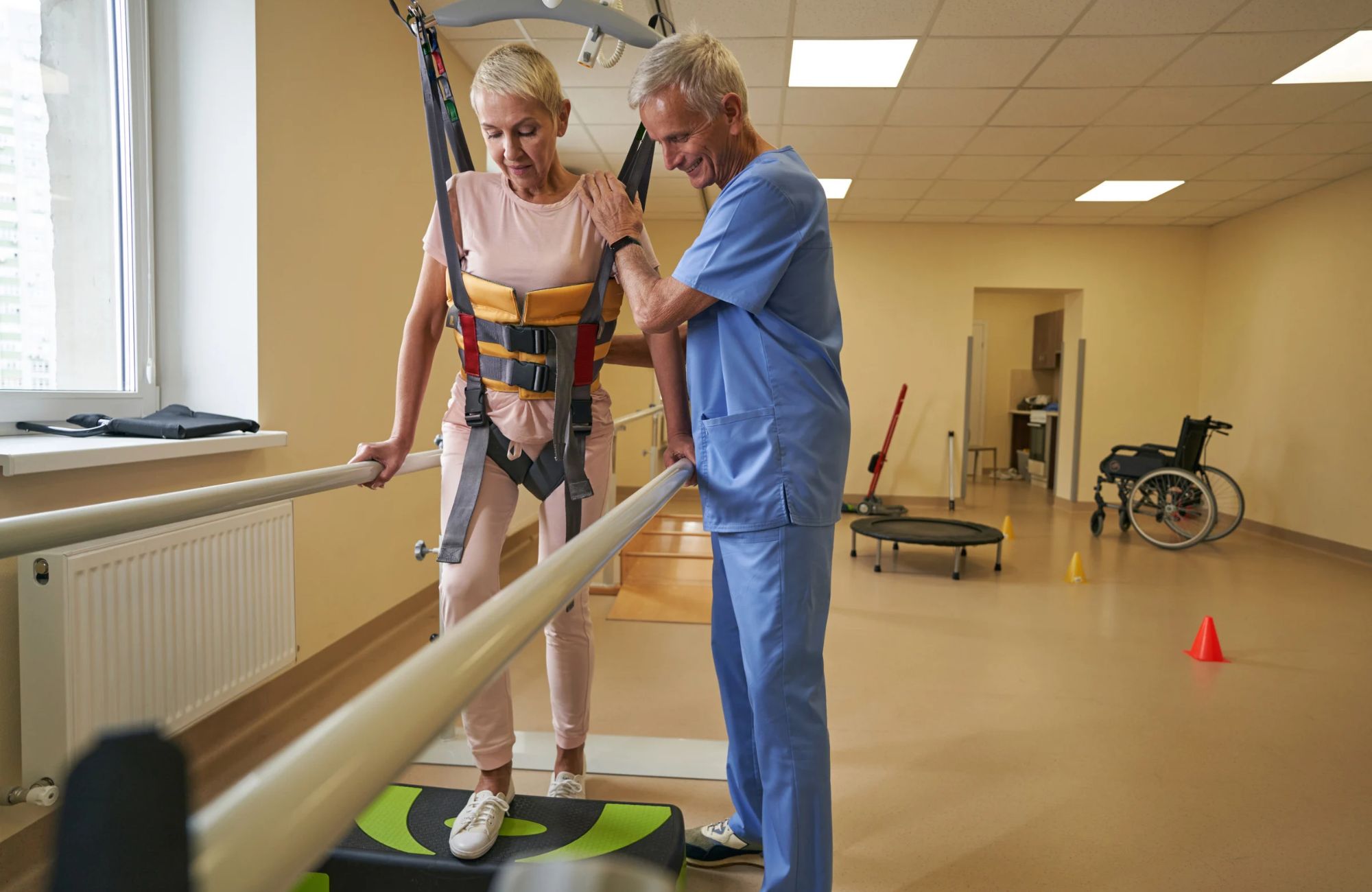
Mobile Therapy Jobs: What Therapists Should Know Before Accepting a Role

  • Home
  • Mobile Therapy Jobs: What Therapists Should Know Before Accepting a Role

Mobile Therapy Jobs: What Therapists Should Know Before Accepting a Role

Mobile therapy jobs require therapists to provide in-person care across homes, schools, skilled nursing facilities, rehabilitation centers, and community locations instead of working in one fixed clinic. These roles may involve physical therapy, occupational therapy, speech-language pathology, respiratory therapy, or assistant-level services.

Mobile therapy can offer professional variety, independence, and experience providing care in a familiar environment. However, therapists may also manage driving, busy schedules, changing treatment spaces, portable equipment, documentation, and gaps between appointments.

This guide explains how mobile therapy services work, where therapists may be assigned, which benefits and challenges to consider, and what to ask before accepting a position. Flagstar Rehab connects licensed therapy professionals with healthcare facilities through therapy staffing and career opportunities that include temporary, per-diem, contract, temp-to-perm, and direct-hire placements.

What Is a Mobile Therapy Job?

A mobile therapy job requires a licensed therapist or therapy assistant to travel between approved service locations rather than work at one permanent clinical site. Depending on the assignment, sessions may occur in a patient’s own home, school, skilled nursing facility, assisted living community, rehabilitation center, satellite clinic, or community program.

Mobile therapy services may include mobile physical therapy, occupational therapy, speech therapy, respiratory therapy, or assistant-level care within the clinician’s approved scope. Licensed physical therapists may support patients with mobility issues after surgery, injury, joint replacement, or a hospital stay. Occupational therapists may address daily activities, independence, safety, and barriers within the person’s normal environment.

These examples describe the caseload a therapist may encounter. They are not services delivered by Flagstar Rehab. The therapist, hiring facility, and care team remain responsible for treatment, documentation, clinical decisions, and patient care.

Although the location changes, professional requirements do not. Therapists must follow state licensing laws, employer policies, insurance and documentation procedures, supervision rules, privacy requirements, and facility standards.

How Is Mobile Therapy Different From Other Therapy Models?

Mobile therapy differs from clinic care because the therapist travels to the patient or facility. Telehealth services connect the therapist and patient remotely, while travel therapy describes a temporary employment assignment that may require relocation. Home health may involve mobile visits, but it follows a more specific agency, payer, referral, and eligibility framework.

Therapy model Where treatment occurs Who travels? Main distinction
Mobile therapy Homes, schools, facilities, and community settings Therapist The clinician moves between service locations
Clinic-based therapy Outpatient clinic, rehabilitation office, or gym Patient Care occurs at one main clinical site
Telehealth Separate locations using secure technology Neither person The therapist and patient connect remotely
Home health therapy Patient’s residence Therapist Care follows a defined home health model
Travel therapy Temporary assignment in another region Therapist may relocate or commute The term describes the employment arrangement

Is Mobile Therapy the Same as Home Health?

Mobile therapy and home health can overlap, but they are not always the same. Mobile therapy is a broad term for in-person services delivered across changing locations.

Home health is a defined healthcare setting. It may have specific referral, documentation, insurance, eligibility, and agency requirements. A mobile role may include visits in a patient’s own home without following the same structure as a home health position.

Is Mobile Therapy the Same as Telehealth?

Mobile therapy usually involves an in-person visit. Telehealth services use secure video or other approved communication systems to connect therapists and patients from separate locations.

Some healthcare organizations use a combination of mobile visits and telehealth. For example, an in-person evaluation may be followed by remote check-ins when the patient’s needs, state requirements, clinical judgment, care plan, and insurance coverage allow them.

Is Mobile Therapy the Same as Travel Therapy?

Travel therapy describes an employment arrangement. A travel therapist may accept a temporary contract in another city or state and relocate for the assignment.

A mobile therapist may remain within one local network but drive between several visits each day. Therapists must meet the license requirements for every state in which they provide services, even when the employer’s main office is located elsewhere.

Where Do Mobile Therapists Work?

Mobile therapists may work in homes, schools, hospitals, rehabilitation centers, skilled nursing facilities, assisted living communities, satellite clinics, and other approved locations. The setting depends on the clinician’s discipline, license, employer, assignment structure, schedule, patient population, and professional experience.

Common mobile therapy settings include:

  • Private homes: Therapists travel to individual residences within an assigned service area.
  • Schools: Clinicians may serve students across several campuses or buildings.
  • Skilled nursing facilities: Physical therapists, occupational therapists, SLPs, PTAs, and COTAs may support rehabilitation caseloads.
  • Assisted living communities: Therapists may work across one or several residential sites.
  • Rehabilitation centers: Contract clinicians may provide temporary or supplemental coverage.
  • Community programs: Services may occur in approved spaces where patients complete daily activities.
  • Satellite clinics: One therapist may divide the week between several smaller clinical locations.

Working in a familiar environment may help therapists identify barriers that are difficult to reproduce in a clinic. A patient recovering from knee or hip surgery, for example, may need to practice safe movement in the space used each day. A therapist may also notice equipment needs, transportation issues, limited assistance, or home layouts that affect mobility and independence.

Candidates should still evaluate the role as a job. Confirm whether the position involves one primary site, a small group of nearby facilities, or a broad travel territory. This distinction can affect driving time, mileage, documentation, schedule control, appointment volume, stress, and quality of life.

What Does a Mobile Therapist’s Workday Look Like?

A mobile therapist’s workday includes more than scheduled treatment sessions. Clinicians may review patient information, plan travel routes, prepare equipment, enter unfamiliar locations, document visits, contact care teams, and adjust to cancellations or delays throughout the day.

A typical mobile therapy workflow may include:

  1. Review the schedule. Confirm appointment times, locations, precautions, caseload details, and treatment plans.
  2. Plan the route. Allow time for traffic, parking, building access, and travel between visits.
  3. Prepare equipment. Gather approved assessment tools, therapy materials, safety supplies, and documentation devices.
  4. Check the location. Identify safety concerns and confirm that the available space supports the planned session.
  5. Provide care within scope. Follow the approved plan of care, employer procedures, and facility requirements.
  6. Document and communicate. Complete required records and report relevant concerns to the appropriate supervisor or care-team member.

The caseload may include patients dealing with chronic pain, balance concerns, mobility issues, recovery after surgery, or difficulty reaching a traditional clinic because of transportation barriers, anxiety, or limited assistance. Therapists should understand the patient population without assuming every mobile position uses the same treatment techniques or visit structure.

A common scheduling mistake is counting only appointment time. Four one-hour visits do not necessarily create a four-hour workday when the therapist must also drive, park, set up, document, communicate, and manage gaps between appointments.

Candidates should understand how billable and non-billable therapy hours affect workload before comparing mobile positions by visit count, hourly pay, or per-visit compensation. They should also ask whether documentation time is built into the schedule and whether appointments are grouped by location.

What Are the Career Benefits of Mobile Therapy Jobs?

Mobile therapy jobs may offer variety, independence, experience across several care settings, and opportunities to strengthen time-management and problem-solving skills. The actual benefits depend on the role, service area, employer policies, caseload, support structure, schedule, and employment type.

Potential career benefits include:

  • Experience across several healthcare or community settings
  • Exposure to different patient populations
  • Greater independence during the workday
  • Opportunities to strengthen communication skills
  • Practical experience adapting to different environments
  • More variety than working at one fixed clinic
  • Schedule flexibility in some positions
  • Experience coordinating with multiple facilities or care teams

Mobile work may help therapists understand how pain, mobility, equipment, caregiver support, transportation issues, and the treatment environment affect a patient’s daily life. That context may support more tailored and personalized care, but therapists must still follow the approved treatment plan and remain within their professional scope.

Mobile visits may reduce transportation barriers for the people served, but that convenience can create a more complex workday for therapists involving travel, setup, documentation, and communication between appointments. For the therapist, however, that convenience may create a more complex schedule involving travel, setup, documentation, and communication between visits.

These benefits are not guaranteed. Some mobile positions have fixed schedules, broad territories, strict productivity standards, unpaid gaps, or limited support. Candidates should evaluate the full job structure rather than assume mobile work automatically provides flexibility or control.

Because mobile assignments vary widely by territory, caseload, schedule, and support structure, Flagstar Rehab helps therapy professionals review roles based on their experience, availability, discipline, and preferred work setting.

What Challenges Should Mobile Therapists Consider?

Mobile therapy may involve long drives, cancellations, changing treatment spaces, limited equipment, documentation between visits, and less immediate access to coworkers. Clinicians should review the travel territory, mileage policy, paid travel time, caseload, safety process, productivity expectations, and available clinical support before accepting a role.

Common challenges include:

  • Traffic and parking delays
  • Unpaid travel or schedule gaps
  • Patient cancellations
  • Limited equipment
  • Poor internet access
  • Small or unsuitable treatment spaces
  • Pets, stairs, or other safety concerns
  • Carrying portable supplies
  • Changing schedules
  • Documentation outside appointment time
  • Different procedures across facilities
  • Limited access to immediate clinical support

Mobile therapists may work with patients experiencing pain, anxiety, limited mobility, or difficulty leaving home. Clinicians need appropriate equipment, support, clinical contacts, and safety procedures to provide compassionate care without placing themselves or patients at unnecessary risk.

A higher hourly rate may not produce better overall compensation when visits are spread far apart or travel and documentation are unpaid. Candidates should compare the full workday, not only the advertised hourly or per-visit rate.

Therapists should also compare the position’s requirements with realistic therapy productivity expectations, especially when travel, documentation, cancellations, and care coordination reduce the time available for scheduled visits.

Ask how the employer handles unsafe locations, urgent clinical concerns, cancellations, and schedule disruptions. There should be a clear process for contacting a supervisor and reporting a location that is not suitable for care.

Is a Mobile Therapy Job Right for You?

A mobile therapy job may suit clinicians who manage time well, adapt to different environments, communicate clearly, and feel comfortable working with less direct supervision. It may not be the best fit for someone who prefers one fixed clinic, nearby coworkers, permanent gym equipment, or a highly predictable schedule.

Mobile work may be a good fit when you:

  • Organize appointments and documentation well
  • Enjoy working in different locations
  • Adapt clinical activities to the available environment
  • Communicate clearly with patients, families, and facility staff
  • Provide care with skill and compassion
  • Adapt physical therapy or occupational therapy techniques to the available space
  • Maintain focus during changing schedules
  • Work safely without constant in-person supervision
  • Travel reliably within the assigned area
  • Know when to ask for assistance
  • Communicate concerns to the appropriate clinical contact

A therapist who enjoys sport rehab and access to advanced gym equipment may prefer a fixed clinic. Another physical therapist may value helping patients regain mobility after injury, surgery, or joint replacement in their own homes. The right setting depends on the therapist’s skills, interests, desired schedule, and career goals.

Is Mobile Therapy Suitable for New Graduates?

Mobile therapy may be suitable for new graduates when the employer provides structured orientation, mentorship, manageable caseload growth, clear escalation procedures, and regular access to experienced therapists.

New graduates should ask about:

  • Orientation length
  • Mentorship
  • Caseload progression
  • Documentation training
  • Clinical escalation procedures
  • Access to experienced therapists
  • PTA or COTA supervision
  • Safety training
  • Frequency of supervisor check-ins

Independence should not mean working without support. Candidates should be cautious when a job posting describes an expert physical therapy or occupational therapy role but offers little onboarding, mentorship, or clinical guidance.

Candidates who are unfamiliar with contract or flexible placements can review how a therapy staffing agency supports therapists through job matching, credentialing, interviews, onboarding, and assignment preparation.

Flagstar Rehab can help therapy professionals review opportunities based on the setting, location, schedule, experience requirements, and the supervision and clinical support offered by the hiring facility or employer.

What Should You Ask Before Accepting a Mobile Therapy Role?

Before accepting a mobile therapy position, ask about travel distance, mileage reimbursement, paid documentation time, cancellations, equipment, scheduling, safety procedures, and clinical support. Confirm the employment type, license requirements, patient population, supervision structure, insurance procedures, and expected number of daily or weekly visits.

Topic Question to ask
Service area How far apart are the usual visits?
Travel Is travel time between visits paid?
Mileage Does the employer reimburse mileage?
Schedule Are appointments fixed or assigned each week?
Cancellations How do cancellations affect hours or pay?
Documentation Is documentation time included in the schedule?
Equipment Which supplies and devices does the employer provide?
Safety How should I report an unsafe location?
Support Who handles clinical, scheduling, or security concerns?
Supervision How are PTA and COTA supervision requirements managed?
Caseload How does the employer measure productivity?
Employment type Is the role per diem, contract, temporary, or permanent?
Insurance Which payer and authorization procedures must therapists follow?

Ask whether appointments are grouped geographically and whether the schedule includes realistic time for travel, documentation, and communication with the care team.

Candidates should also review how protected patient information is handled outside a traditional clinic. Employers should provide approved devices, secure record systems, private communication methods, and clear procedures for protecting information while traveling.

Explore Mobile Therapy Career Opportunities

Mobile therapy can offer variety, independence, and experience across homes, schools, skilled nursing facilities, rehabilitation centers, and community settings. Before accepting a role, review the travel radius, mileage policy, schedule structure, documentation time, safety procedures, supervision, caseload, productivity expectations, and clinical support.

Flagstar Rehab connects licensed therapy professionals with temporary, per-diem, contract, temp-to-perm, and direct-hire opportunities. Explore therapy staffing and career opportunities that match your discipline, experience, preferred setting, schedule, and travel expectations. Healthcare facilities can request licensed therapists for mobile, temporary, per-diem, contract, or direct-hire coverage. 

FAQs

Is travel time paid in mobile therapy jobs?

Travel-time policies vary by employer, assignment, and employment type. Ask whether time spent driving between visits is paid, whether mileage is reimbursed, and how schedule gaps affect compensation.

How large is a typical mobile therapy territory?

Territory size depends on the employer and service area. Confirm the maximum travel radius, typical distance between visits, traffic conditions, parking expectations, and whether appointments are grouped geographically.

Are mobile therapy jobs suitable for new graduates?

Some mobile roles may suit new graduates when the employer provides orientation, mentorship, manageable caseload growth, clear escalation procedures, and reliable access to experienced clinicians. Avoid positions that expect fully independent work without adequate support.

What equipment does an employer provide?

Equipment varies by discipline and care setting. Ask which assessment tools, treatment materials, portable devices, safety supplies, and documentation systems the employer provides and which items the therapist must carry.

How do cancellations affect mobile therapists?

Cancellation policies vary. A cancelled visit may be unpaid, replaced with another appointment, converted into documentation time, or covered under a minimum-hours policy. Confirm the process before accepting the role.

What safety questions should mobile therapists ask?

Ask how the employer screens service locations, handles pets or environmental hazards, provides emergency contacts, and supports therapists who determine that a location is unsafe or unsuitable for treatment.

NRP Certification: What Respiratory Therapists Need to Know

NRP certification usually means completing the appropriate Neonatal Resuscitation Program Provider pathway and holding a current Provider eCard. For respiratory therapists, it may be required or preferred for NICU, delivery-room, neonatal transport, or pediatrics roles. The exact requirement depends on the facility, job duties, credentialing process, and expected start date.

In job postings, “NRP certification” does not mean a state respiratory therapy license or an NBRC credential. It also does not prove that an RT has completed hospital orientation, unit-specific skills checks, or competency validation. Flagstar Rehab connects respiratory therapists with facilities based on role requirements, credentials, clinical experience, availability, and assignment readiness. 

What NRP Certification Means for Respiratory Therapists

NRP is an evidence-based approach to newborn resuscitation and newborn care at birth. It equips healthcare providers with knowledge, communication skills, and hands-on training for critical moments after delivery. It may support respiratory therapists applying for neonatal roles, but it does not replace licensure, professional credentials, or facility training.

  • What it is: The Neonatal Resuscitation Program, or NRP, is education and assessment for healthcare professionals involved in newborn resuscitation.
  • Who may need it: Respiratory therapists, neonatal nurses, physicians, nurses, and other providers who attend births or support newborns.
  • What it does not replace: A state RT license, CRT or RRT credentials, hospital orientation, and local competency checks.
  • What to confirm first: The accepted NRP pathway, course format, completion deadline, and whether an existing NRP eCard is accepted.

What Is NRP Certification?

NRP certification is a common term for completion of the Neonatal Resuscitation Program, or NRP. The program prepares healthcare providers for newborn care at birth and supports effective team-based care during neonatal resuscitation. It is designed for clinicians who may participate in delivery, resuscitation, or early neonatal support.

The American Academy of Pediatrics and the American Heart Association support neonatal-resuscitation education and guidance. The program uses an evidence-based approach to improve preparation, communication, and teamwork around newborn care.

The NRP curriculum can cover preparation before birth, initial steps, airway management, positive pressure ventilation, effective ventilation, chest compressions, and team communication. It does not teach a respiratory therapist to work independently in every neonatal setting. Instead, it provides relevant training for real-world scenarios that may occur in delivery rooms, NICU care, or newborn transport.

NRP is not a state-issued license. It also does not replace hospital credentialing, clinical experience, or unit orientation. Respiratory therapists may need all of these items before they can participate in certain neonatal assignments.

Do Respiratory Therapists Need NRP Certification for NICU Jobs?

Respiratory therapists do not need NRP certification for every position. Hospitals may list it as typically required or preferred for roles involving NICUs, delivery rooms, neonatal transport, high-risk births, or pediatrics. The key factors are whether the RT will attend births, support delivery coverage, or participate in newborn resuscitation.

The American Heart Association’s neonatal resuscitation guidance states that every birth should have at least one person present whose primary responsibility is the newborn and who can provide ventilation when needed. This helps explain why hospitals may set specific NRP training requirements for clinicians involved in neonatal care.

Employers may request NRP for:

  • NICU respiratory therapists
  • Delivery-room respiratory therapists
  • Neonatal transport clinicians
  • Pediatric hospital RTs
  • Per diem clinicians supporting newborn care
  • RTs assigned to labor and delivery coverage

A job title does not always tell the full story. One hospital may expect RTs to attend deliveries. Another may have a separate expert team for newborn resuscitation. Some hospitals provide NRP training after hire. Others may require a current Provider eCard before submission, orientation, or the first shift.

Because neonatal and pediatric assignments may have specific licensing, experience, and NRP requirements, Flagstar Rehab helps respiratory therapists identify roles that align with their credentials, recent experience, availability, and readiness for facility onboarding.

What NRP Provider Pathway Do Respiratory Therapists Need?

NRP Essentials and NRP Advanced are separate pathways for different levels of newborn-resuscitation responsibility. Respiratory therapists should not choose a class based on cost or convenience alone. The employer should confirm the appropriate NRP course based on the role, available personnel, and expected responsibilities during a birth.

The AAP describes NRP Advanced as appropriate for providers who attend births and are responsible for the anticipated resuscitation of newborns with known risk factors. NRP Essentials may suit learners who need foundational knowledge but do not have the same advanced role in high-risk delivery situations. Review the current AAP NRP Provider guidance before registering.

Consideration NRP Essentials NRP Advanced
Main focus Basic resuscitation knowledge and core newborn care skills Preparation for advanced or higher-risk newborn resuscitation
May be relevant for Clinicians with limited newborn-resuscitation duties Providers who attend births or support high-risk deliveries
Employer question Does this pathway meet the role requirement? Is this pathway required before hire or orientation?
Important reminder Does not replace licensure or hospital training Does not replace experience, licensure, or facility competency checks

Course selection should be confirmed with the employer or an approved NRP instructor because responsibilities and accepted pathways vary by facility.

Before you register, ask:

  • Which NRP pathway does this role require?
  • Is an instructor-led event required?
  • Does the hospital accept an existing NRP eCard?
  • Is NRP training needed before hire, orientation, or the start date?
  • Does the role involve delivery attendance or neonatal transport?
  • Does the facility offer recertification support?

The NRP Learning Platform provides course information and learning options. RQI Partners offers an institutional training model that combines eLearning with recurring skills practice for participating organizations. However, the employer should still confirm which pathway meets its requirements.

What Does the NRP Provider Process Usually Involve?

NRP Provider completion commonly combines online learning with skills assessment, simulation, and debriefing. The required format can vary by curriculum level and the organization’s training model. Confirm the pathway with the employer or approved NRP instructor before you register for an online NRP course or in-person class.

For many learners, the process includes an online learning component followed by an instructor-led event. The AAP’s Provider course guidance lists an online exam, skills evaluation, simulation, and debriefing among course components.

A practical workflow may look like this:

  1. Confirm the employer’s NRP requirement.
  2. Select the correct NRP course or approved training class.
  3. Complete the online NRP learning and online exam.
  4. Attend the required instructor-led session.
  5. Participate in hands-on training, simulation, and debriefing.
  6. Save the completion certificate and NRP eCard.

The course may address airway management, positive pressure ventilation, chest compressions, communication, and other skills related to neonatal health. It may also use real-world scenarios to help learners apply knowledge during urgent delivery situations.

One common mistake is choosing online NRP training before confirming whether the hospital requires a hands-on component. An online completion certificate can be valuable, but it may not meet a facility’s Provider or credentialing requirement on its own.

How Long Is NRP Certification Valid?

NRP Provider eCards are generally active for two years, but clinicians should confirm their current status through the official eCard record before applying or starting orientation. A hospital may also have an earlier credentialing deadline based on the assignment, orientation schedule, or facility policy.

The AAP states that Provider eCards are active for two years and expire at the end of the relevant month. That timing matters when a respiratory therapist plans to change jobs, accept contract work, or complete a facility’s credential review.

Keep these records ready:

  • Current NRP eCard
  • Completion certificate
  • NRP pathway completed
  • Completion date
  • Expiration date
  • Any related hospital orientation records

For example, a clinician may have an active license and a current NRP eCard but still need to complete hospital orientation before working independently. The eCard supports credentialing, but it does not replace the facility’s own readiness process.

If you are asking, “How long is NRP certification valid?” check your eCard early. An expired card or incorrect pathway can delay an application, orientation, or planned start date.

What Do Employers Look for Beyond NRP Certification?

Hospitals assess more than NRP when hiring respiratory therapists for neonatal roles. They may review licensure, professional credentials, recent experience, schedule availability, orientation needs, and facility-specific competencies. NRP can show relevant training, but it does not by itself establish full readiness for a NICU or delivery assignment.

Common review items include:

  • Active respiratory therapy license in the work state
  • CRT or RRT credential, when required
  • Current NRP documentation
  • Recent NICU, acute-care, or pediatrics experience
  • Ability to complete hospital credentialing
  • Unit orientation and competency needs
  • Shift, weekend, holiday, or on-call availability

It also helps to understand the difference between related credentials:

Credential or Requirement What It Means
NRP Provider pathway Training and assessment related to newborn resuscitation
CRT or RRT Professional respiratory therapy credentials issued by the NBRC
RRT-NPS A neonatal-pediatric specialty credential for eligible RRTs
State RT license Legal authorization to practice respiratory therapy in a specific state
Facility competency validation Hospital-specific confirmation that a clinician can work in that unit

The National Board for Respiratory Care explains that CRT or RRT credentials are the basis for state licensure in the states that regulate respiratory care. Review Flagstar Rehab’s guide to NBRC renewal to better understand how professional credential maintenance differs from NRP recertification.

Respiratory therapists should also keep their education and required documents ready. This overview of respiratory therapist education requirements can help clarify the qualifications facilities may review during hiring.

How Should Respiratory Therapists List NRP Certification on a Resume?

Respiratory therapists should list NRP in a dedicated credentials section. Use the official program name, state the pathway only when confirmed, and include the current completion or expiration date. Clear records help recruiters and hospitals verify whether a candidate meets stated requirements.

A simple entry may look like this:

Neonatal Resuscitation Program, NRP Advanced
Completed: March 2026
Current NRP eCard available upon request

Keep the wording accurate. Do not list NRP as a state license. Do not suggest that it qualifies you for every NICU role.

You can place NRP near other relevant details, such as:

  • State respiratory therapy license
  • CRT or RRT credential
  • BLS or other required training
  • RRT-NPS, when applicable
  • Pediatric, NICU, or neonatal transport experience

A current NRP eCard can support an application, but hospitals may also require recent neonatal experience and local orientation before approving a therapist for the role.

What Should You Confirm Before Applying for a Neonatal RT Role?

Before applying for a neonatal respiratory therapy role, confirm the facility’s exact requirements. This can prevent unnecessary course costs, missed deadlines, and credentialing delays. It also helps you choose an NRP pathway that matches the assignment instead of relying only on a general job title.

Ask the recruiter or employer:

  • Is NRP certification required for this role?
  • Which pathway does the hospital accept?
  • Is NRP needed before application, before hire, or before the first shift?
  • Does the role require the RT to attend births?
  • Does the hospital provide NRP training or recertification support?
  • Is recent NICU or pediatrics experience required?
  • Which state license and NBRC credentials are needed?
  • How long is the orientation period?
  • Are weekend, holiday, or on-call shifts part of the schedule?

These questions support better communication between clinicians, recruiters, and hospitals. Before submitting an application, use Flagstar Rehab’s guide to RT license verification to check that your state information matches your professional records.

For a broader view of career settings and role options, see Flagstar Rehab’s overview of respiratory therapist employment.

Prepare for Your Next Neonatal Respiratory Therapy Role

NRP certification can strengthen a respiratory therapist’s preparation for NICU, delivery-room, neonatal transport, and pediatric roles. However, candidates may also need active state licensure, current NBRC credentials, relevant clinical experience, facility orientation, and unit-specific competency validation before beginning an assignment.

Flagstar Rehab connects respiratory therapists with healthcare facilities based on credentials, clinical experience, availability, and career goals. Explore respiratory therapist job opportunities that match your background, and confirm each facility’s NRP, licensing, orientation, and experience requirements before applying.

FAQs

Can I complete NRP entirely online?

NRP Provider completion may include online learning, but it can also require skills evaluation, simulation, and debriefing. Confirm the accepted course format with the employer or approved instructor before registering.

How much does an NRP course cost?

NRP course cost varies by the pathway, training provider, location, and whether an employer covers the expense. Ask about all fees before you register, including online access, class fees, and any instructor-led skills sessions.

Is NRP the same as BLS, ACLS, or PALS?

No. NRP focuses on newborn resuscitation at birth. BLS, ACLS, and PALS cover different patient groups and care situations.

Can neonatal nurses and respiratory therapists take the same NRP course?

Yes. The NRP Provider course is for healthcare professionals involved in some aspect of newborn resuscitation. Employers may still set different requirements for neonatal nurses, respiratory therapists, and other clinicians.

Does NRP certification guarantee a NICU job?

No. NRP can support an application, but hospitals may also review licensure, NBRC credentials, experience, orientation needs, and schedule fit. Each facility decides which requirements apply to the role.

Can I take NRP before I have a job offer?

Yes, but confirm the appropriate pathway first. Some hospitals provide training after hire, while others require a current Provider eCard before orientation or assignment.

Neonatal Care RT: What a Neonatal Respiratory Therapist Does

A neonatal care RT, also called a neonatal respiratory therapist, supports newborns and premature infants with breathing needs in a neonatal intensive care unit, or NICU. The role requires specialized respiratory therapy skills because newborns have small airways, developing lungs, and rapidly changing respiratory needs.

This guide explains the skills, credentials, and experience respiratory therapists may need to qualify for neonatal and NICU assignments. It also covers what employers commonly review, what orientation requirements candidates may face, and which questions to ask before accepting a role. Flagstar Rehab connects qualified respiratory therapists with facilities that need specialized coverage, and candidates can explore respiratory therapy job opportunities that match their experience, availability, and career goals.

Neonatal Care RT Role Overview

A neonatal care RT works in a specialized hospital setting that may require current credentials, relevant clinical experience, strong communication skills, and readiness for NICU-specific orientation. Candidates should understand these expectations before applying for or accepting a neonatal assignment.

Area What to Know
Primary setting NICU, children’s hospital, or neonatal unit
Patient population Newborns, premature infants, and babies requiring respiratory support
Common employer considerations Active license, credentials, recent experience, orientation readiness, and schedule fit
Important distinction General respiratory therapy experience may not meet every neonatal assignment requirement

What Does a Neonatal Respiratory Therapist Do in the NICU?

A neonatal respiratory therapist helps newborns with respiratory needs by assessing breathing, monitoring gas exchange, supporting ordered therapies, and managing assigned respiratory equipment. The RT works with nurses, physicians, and other healthcare professionals to follow the care plan, report changes, and support safe respiratory treatment.

The neonatal intensive care unit provides advanced care for newborns who are premature, sick, or need close medical monitoring after birth. NICU teams include neonatologists, nurses, respiratory therapists, pharmacists, and other specialists with distinct responsibilities.

A neonatal care RT may be responsible for:

  • Assessing breathing patterns, airways, and lung function
  • Reviewing oxygen needs and blood gas results
  • Setting up, checking, and troubleshooting assigned equipment
  • Supporting CPAP, ventilators, and other respiratory support systems
  • Assisting with airway procedures when permitted by hospital policy and scope of practice
  • Reporting respiratory distress, changes, or equipment concerns
  • Completing documentation and providing clear handoffs
  • Explaining respiratory equipment to parents within the therapist’s role

Because neonatal RT duties must align with state rules, physician orders, and facility policies, clinicians should understand the role’s scope and onboarding requirements before accepting a specialized assignment.

Neonatal care depends on collaboration, careful monitoring, and clear communication across the NICU team. Candidates should be prepared to demonstrate both technical competence and the ability to communicate effectively during rounds, handoffs, and changes in patient status.

How Is Neonatal Care RT Work Different From General Respiratory Therapy?

Neonatal care RT work is different because it focuses on newborns, infants, and premature babies rather than a broad range of patients. A neonatal respiratory therapist needs a strong respiratory therapy foundation, plus a unit-specific understanding of neonatal equipment, vulnerable patients, respiratory risks, and NICU workflows.

General respiratory therapists may provide care in hospitals, rehabilitation facilities, outpatient clinics, or long-term care settings. A neonatal respiratory therapist usually works in a neonatal intensive care unit, a children’s hospital, or a specialty neonatal unit.

Area General Respiratory Therapist Neonatal Respiratory Therapist
Typical patients Children, adults, and older adults Newborns, premature infants, and babies
Common work setting Hospital, clinic, rehabilitation, long-term care NICU, children’s hospital, neonatal unit
Core focus Broad respiratory care needs Newborn respiratory support and NICU care
Equipment Varies by patient population May include neonatal ventilators, CPAP, oxygen delivery, and monitoring systems
Training needs General RT competencies Neonatal orientation, unit-specific competencies, and specialty preparation
Hiring focus License, credentials, and relevant experience License, credentials, neonatal readiness, recent experience, and onboarding fit

Premature infants can have underdeveloped lungs and may face a higher risk of respiratory issues after birth. Therapists interested in working with younger patients may also compare neonatal work with pediatric respiratory therapist roles, which can involve different patient ages, care settings, and employer expectations.

Adult critical-care experience can be valuable, but it may not by itself establish readiness for independent neonatal care. Each NICU may require additional training, supervised practice, and competency review before the therapist takes on full responsibilities.

Because neonatal assignments require specialized experience and unit-specific preparation, Flagstar Rehab focuses on connecting respiratory therapists with facilities whose role requirements align with the candidate’s credentials, recent experience, and orientation readiness. 

What Qualifications Does a Neonatal Care RT Need?

Neonatal respiratory therapist requirements vary by state, hospital, NICU level, and assignment. Employers commonly look for active state licensure, current respiratory therapy credentials, recent acute-care or neonatal experience, and the ability to complete unit-specific orientation and competency requirements.

Before pursuing a neonatal role, it can help to review the usual respiratory therapist education requirements and how employers assess credentials, clinical experience, and readiness for unit orientation. 

The U.S. Bureau of Labor Statistics states that licensure requirements for respiratory therapists vary by state and usually include passing a state or professional certification examination. Facilities may also set their own job requirements.

Employers may review:

  • Active respiratory therapy license in the required state
  • Registered Respiratory Therapist, or RRT, status
  • Current Basic Life Support and other facility-required training
  • Recent acute-care, neonatal, pediatric, or critical-care experience
  • Comfort with respiratory equipment and monitoring
  • Ability to complete NICU orientation and competency requirements
  • Availability for the needed shifts, weekends, or the contract period

Some roles may prefer the RRT-NPS credential. RRT-NPS refers to the Registered Respiratory Therapist, Neonatal/Pediatric Specialty credential. The National Board for Respiratory Care states that its NPS examination measures knowledge and skills unique to neonatal and pediatric respiratory care beyond general respiratory care activities. 

The credential can support a therapist’s professional profile, but it does not replace recent experience, references, or unit-specific competency checks. Requirements can differ between facilities. An employer may prefer RRT-NPS, while another may place more weight on current NICU experience and the ability to complete its orientation process.

The American Association for Respiratory Care also offers neonatal-pediatric education designed to strengthen skills for RTs working in neonatal and pediatric critical-care environments. 

How Can Respiratory Therapists Prepare for Neonatal Care RT Jobs?

Respiratory therapists can prepare for neonatal care RT jobs by keeping credentials current, building relevant experience, and asking clear questions before accepting a position. Preparation helps clinicians understand whether the role fits their training, schedule, confidence level, and long-term goals in the field.

Start by reviewing your license, RRT status, work history, and recent training. Candidates should also know how to verify their respiratory therapy license before applying, especially when an assignment requires active licensure in a specific state. 

Use this neonatal RT readiness checklist:

  • Confirm that your state license is active and in good standing.
  • Check that your RRT status and required certifications are current.
  • Review your experience with infants, ventilators, CPAP, oxygen delivery, and blood gases.
  • Ask whether the facility provides NICU orientation or a preceptor.
  • Clarify if recent neonatal experience is needed before starting.
  • Ask whether RRT-NPS is preferred, required, or optional.
  • Confirm shift schedules, weekend expectations, and float requirements.
  • Ask about the unit’s patient range, acuity, and onboarding timeline.

Before accepting an assignment, candidates should ask how the facility reviews neonatal experience, equipment competencies, orientation needs, and availability. A therapist may have strong general respiratory experience but still need additional NICU training before working independently in a specialized unit.

Questions to ask before accepting a neonatal role include:

  • What level of neonatal intensive care does the facility provide?
  • What respiratory equipment is commonly used in the unit?
  • How does the team train RTs on neonatal ventilators and CPAP?
  • What are the expectations for monitoring, documentation, and handoff communication?
  • Is there a formal competency process before independent practice?

One mistake many people make is accepting a role before they understand the orientation process. Neonatal care can be one option within a broader career path for respiratory therapists, so it is worth considering how the role fits your experience, interests, and long-term goals. 

Flagstar Rehab can help respiratory therapists review respiratory therapy job opportunities that align with their experience, availability, and career direction.

What Neonatal Respiratory Skills May Employers Expect?

Candidates pursuing neonatal respiratory assignments may be expected to demonstrate experience with oxygen delivery, CPAP, mechanical ventilation, blood gas monitoring, airway support, respiratory equipment, and interdisciplinary communication. The exact expectations depend on the NICU level, patient acuity, assignment requirements, and the facility’s orientation process. 

A neonatal respiratory therapist may be expected to:

  • Assess breathing patterns, oxygen needs, and ventilation status
  • Set up, check, and troubleshoot assigned respiratory equipment
  • Support CPAP, neonatal ventilators, and oxygen delivery systems
  • Review blood gas results and report important changes
  • Assist with airway procedures when permitted by scope and facility policy
  • Document respiratory assessments and interventions accurately
  • Communicate clearly with nurses, physicians, and other NICU team members

Clinical knowledge of neonatal respiratory distress, premature lung development, and common NICU interventions can help a therapist prepare for an assignment. However, candidates should confirm whether the facility requires recent NICU experience, formal competency validation, supervised orientation, or specialty credentials before accepting the role. 

Why Does NICU Team Communication Matter for a Neonatal Respiratory Therapist?

Clear communication is an important job-readiness skill for neonatal respiratory therapists because NICU care involves shared responsibilities, frequent monitoring, and rapid changes in patient needs. Facilities may assess whether an RT can provide accurate handoffs, report respiratory changes quickly, document interventions, and work effectively with nurses, physicians, and other clinicians.

Strong communication may include:

  • Giving clear respiratory updates during handoffs
  • Reporting distress or equipment concerns promptly
  • Recording assessments and interventions accurately
  • Asking for support when a situation is unfamiliar
  • Explaining equipment in plain language within the therapist’s role
  • Sharing relevant information during rounds and care planning

Respiratory therapists should be ready to discuss their communication experience during interviews and onboarding. Technical knowledge is essential, but candidates may also need to show that they can provide clear handoffs, document accurately, raise concerns promptly, and ask for support when a situation falls outside their recent experience. 

Take the Next Step in Neonatal Respiratory Therapy

Neonatal respiratory therapy can be a strong career direction for RTs with the right credentials, clinical foundation, and readiness for specialized orientation. Before applying, review your recent experience, license status, certifications, equipment familiarity, schedule availability, and comfort working in a high-acuity NICU environment.

Flagstar Rehab helps respiratory therapists identify assignments that align with their qualifications, availability, and career goals. Explore neonatal and respiratory therapy job opportunities with Flagstar Rehab to discuss your experience and find roles that match your professional background.

FAQs

Can a new respiratory therapist work in neonatal care?

A new respiratory therapist can pursue neonatal care when an employer provides the required training, supervision, and orientation. The facility determines whether the therapist’s education, credentials, and competency progress meet the role’s requirements.

Is NICU experience required for every neonatal respiratory therapist job?

NICU experience is not required for every neonatal respiratory therapist job. Employers may also consider state licensure, RRT status, acute-care experience, specialty preparation, and the candidate’s ability to complete unit orientation.

Does the RRT-NPS credential guarantee a neonatal RT job?

The RRT-NPS credential does not guarantee a neonatal RT job. The credential demonstrates neonatal-pediatric specialty knowledge, while employers also assess experience, references, unit needs, and onboarding readiness.

What experience helps an RT qualify for neonatal assignments?

Recent NICU, pediatric, acute-care, or critical-care experience may help a respiratory therapist qualify for neonatal assignments. Facilities may also review ventilator and CPAP experience, blood gas monitoring skills, active credentials, references, schedule availability, and the therapist’s ability to complete unit-specific orientation.

Can respiratory therapists explain NICU equipment to parents?

Respiratory therapists can explain the purpose of respiratory equipment within their role and facility policy. Medical diagnosis, prognosis, and treatment decisions should be discussed with the appropriate physician or neonatal care provider.

NICU Respiratory Therapist: Duties, Qualifications, and Career Path

A NICU respiratory therapist is a credentialed respiratory care professional, typically state-licensed, who supports premature and critically ill newborns with breathing, airway, and oxygen needs. The therapist may manage ventilators, provide respiratory treatments, assist at high-risk deliveries, and work with neonatologists and nurses to monitor each newborn’s response to care.

NICU respiratory care requires precision because neonates have small airways and developing lungs. A minor change in oxygenation, respiratory rate, or heart rate may require a fast response from the medical team.

The exact duties depend on the hospital, NICU level, state practice rules, and physician orders. Some respiratory therapists focus on bedside patient care. Others may also work as part of a neonatal transport team.

What Does a NICU Respiratory Therapist Do?

A NICU respiratory therapist assesses breathing, manages respiratory support, and monitors newborns with respiratory issues. Common duties include oxygen therapy, mechanical ventilation, blood gas analysis, airway care, medication administration, neonatal resuscitation, documentation, and communication with physicians, nurses, and other members of the critical care team.

A therapist may begin a shift by reviewing the infants assigned to them. This review may include current oxygen needs, ventilator settings, recent blood gas results, respiratory medications, and changes from the previous shift.

Core duties may include:

  • Performing a cardiopulmonary assessment
  • Checking respiratory rate, heart rate, and oxygen saturation
  • Using pulse oximetry to monitor oxygenation
  • Setting up and checking respiratory equipment
  • Managing noninvasive and invasive respiratory support
  • Giving ordered respiratory medications
  • Assisting with airway procedures
  • Monitoring each newborn’s response to treatment
  • Recording respiratory interventions
  • Following hospital procedures and safety protocols
  • Reporting changes to the physician and nurses
  • Supporting the infant’s comfort and well-being

A NICU respiratory therapist provides respiratory care within the therapist’s legal scope of practice. The therapist follows the physician’s orders, clinical guidelines, and hospital policy.

The therapist does not work alone. NICU patient care depends on close teamwork among respiratory therapists, neonatologists, nurses, pharmacists, and other clinical staff.

NICU positions may require recent neonatal experience, active licensure, specialized equipment knowledge, and specific shift availability. Flagstar Rehab provides respiratory therapist staffing services that connect healthcare organizations with qualified clinicians for temporary, per-diem, contract, and direct-hire needs.

How Respiratory Therapists Support High-Risk Deliveries

Respiratory therapists may attend high-risk deliveries when a newborn could need breathing or airway support. Before delivery, the therapist checks masks, oxygen equipment, suction tools, airways, and ventilation devices.

During delivery, the therapist may assist with positive-pressure ventilation and other life-support measures. The infant’s breathing, heart rate, oxygen saturation, and response to ventilation guide the team’s actions.

If the newborn needs continued critical care, the therapist may help prepare respiratory equipment for transport to the NICU. A transport respiratory therapist may also support neonatal or pediatric patients during transfers between hospitals.

Respiratory therapists exploring neonatal and critical care employment can review registered respiratory therapist jobs that fit their current training and experience.

Hospitals hiring for NICU and neonatal respiratory roles may prioritize candidates with recent delivery-room experience, neonatal resuscitation education, and demonstrated competency with positive-pressure ventilation, airway equipment, and emergency respiratory support. Therapists without this experience may need supervised training before taking independent delivery assignments.

What NICU Conditions Should Respiratory Therapists Understand?

NICU respiratory therapists need working knowledge of common neonatal respiratory conditions because each diagnosis may affect oxygen delivery, airway support, ventilation settings, monitoring, and communication with the medical team. Employers may assess whether candidates understand how these conditions influence daily respiratory care, even though diagnosis and treatment decisions remain physician-led.

Common conditions include:

  • Respiratory distress syndrome: Therapists may support premature newborns who need surfactant-related care, oxygen therapy, CPAP, or mechanical ventilation.
  • Apnea of prematurity: Candidates should understand respiratory monitoring, facility protocols, and noninvasive support used when premature infants experience breathing pauses.
  • Bronchopulmonary dysplasia: Therapists may manage long-term oxygen needs and monitor infants who require extended respiratory support.
  • Meconium aspiration syndrome: The role may involve airway support, ventilation, oxygenation monitoring, and rapid response after delivery.
  • Persistent pulmonary hypertension of the newborn: Candidates may need experience with advanced oxygenation strategies and inhaled nitric oxide systems.
  • Neonatal pneumonia or infection: Respiratory therapists monitor changing oxygen needs and communicate respiratory deterioration to the care team.

Candidates are not expected to diagnose these conditions independently. However, hospitals may look for therapists who can recognize respiratory changes, use neonatal equipment safely, follow physician orders, and report treatment responses accurately.

What NICU Equipment Experience Do Employers Look For?

Hospitals hiring NICU respiratory therapists may look for candidates who can safely set up, inspect, operate, and monitor neonatal respiratory equipment. Familiarity alone may not be enough. Candidates may also need to complete unit-specific training and demonstrate competency before working independently with premature or critically ill newborns.

Equipment Competency Employers May Assess
Nasal CPAP Equipment setup, interface fit, leak checks, pressure monitoring, and patient response
Mechanical ventilator Circuit setup, ordered settings, alarm checks, humidification, and documentation
High-frequency ventilator Familiarity with specialized ventilation principles and hospital protocols
Oxygen delivery systems Accurate oxygen setup, monitoring, and adjustment within physician orders
Pulse oximeter Correct sensor placement and recognition of significant oxygen changes
Blood gas equipment Sample handling, result review, documentation, and reporting of critical findings
Artificial airways Airway equipment preparation, securement checks, suction support, and monitoring
Inhaled nitric oxide system Equipment setup, safety checks, dose monitoring, and protocol compliance
Resuscitation equipment Preparation for high-risk deliveries and support during neonatal resuscitation

Neonatal respiratory equipment is not simply a smaller version of adult equipment. Hospitals may require candidates to complete orientation, supervised practice, simulation, and competency validation before independently managing neonatal devices.

How Is NICU Respiratory Therapy Different From Adult Respiratory Care?

NICU respiratory therapy differs from adult care because newborns have smaller airways, developing lungs, and limited respiratory reserves. Equipment, airway procedures, oxygen targets, medication delivery, and mechanical ventilation require neonatal knowledge. Small changes in pressure, volume, temperature, or oxygen can have greater importance in this population.

Area NICU Respiratory Therapy Adult Respiratory Therapy
Patient population Premature and full-term newborns Adults and older patients
Airway Very small and delicate Larger and fully developed
Common respiratory issues Prematurity, apnea, birth complications COPD, asthma, pneumonia, trauma
Equipment Neonatal circuits and ventilators Adult circuits and ventilators
Monitoring Narrow neonatal ranges and small equipment adjustments Adult-specific ranges based on condition and acuity
Communication Team and family-centered Often includes direct patient communication
Care team Neonatologists and neonatal nurses Pulmonologists, hospitalists, and adult critical care teams
Emotional demands Care of fragile newborns and families Illness across the adult population

Medication administration also differs. The medication, delivery method, and amount must match the infant’s size, condition, and physician orders.

Parents and caregivers may have questions or feel overwhelmed by unfamiliar equipment and procedures. Therapists must speak with respect and explain their role in plain language when appropriate.

Adult experience may help a therapist build assessment and ventilation skills. However, a hospital will often require additional NICU training before allowing independent practice.

What Qualifications Do You Need to Become a NICU Respiratory Therapist?

Most NICU respiratory therapists complete an accredited respiratory therapy education program, earn a National Board for Respiratory Care credential, obtain any required state license, and finish hospital-based neonatal training. Many employers prefer a registered respiratory therapist with critical care experience, neonatal resuscitation education, and validated NICU skills.

The U.S. Bureau of Labor Statistics states that respiratory therapists usually need at least an associate degree, while some hold a bachelor’s degree. Respiratory therapists must be licensed in every state except Alaska, although specific licensing rules vary.

A typical career path includes:

  1. Complete an accredited respiratory therapy program.
  2. Meet the examination requirements of the National Board for Respiratory Care.
  3. Earn the credential required or preferred by the employer.
  4. Apply for a respiratory care license where state law requires one.
  5. Complete required life support and neonatal resuscitation training.
  6. Finish the hospital’s NICU orientation.
  7. Show the ability to use neonatal equipment safely.
  8. Complete unit-based competency checks.

An RRT, or registered respiratory therapist, is a professional credential. It does not mean that the therapist has already completed every NICU competency.

A candidate may hold an active RRT credential but still need training in neonatal ventilators, electronic records, blood gas procedures, respiratory medications, transport protocols, and delivery-room practice.

What Is the RRT-NPS Credential?

The RRT-NPS designation indicates that a registered respiratory therapist has also earned the National Board for Respiratory Care’s Neonatal/Pediatric Respiratory Care Specialty credential.

The NBRC states that its NPS examination measures knowledge and skills specific to neonatal-pediatric respiratory care. These skills go beyond general respiratory care activities.

The RRT-NPS credential may show an employer that a therapist has added neonatal-pediatric knowledge. However, the credential is not required for every NICU job.

Hospitals set their own preferred experience, training, and certification standards. State licensing boards also set legal practice requirements.

Can a New Graduate Become a NICU Respiratory Therapist?

A new graduate may become a NICU respiratory therapist when a hospital provides structured training and supervised practice. Some employers hire new therapists into neonatal programs. Others prefer previous adult critical care, pediatric, transport, or NICU experience before assigning independent responsibility for newborn patients.

A practical entry path may include:

  • Earning the required respiratory credential and state license
  • Applying to hospitals with formal NICU training
  • Starting in adult acute or critical care
  • Seeking pediatric or neonatal cross-training
  • Completing neonatal life support education
  • Learning neonatal ventilators and oxygen equipment
  • Working with an experienced preceptor
  • Passing unit-specific skill checks

For example, a newly registered respiratory therapist may begin on an adult hospital unit. The therapist may later complete pediatric training and neonatal resuscitation education.

After supervised practice, the therapist may move into NICU assignments. The timing depends on hospital policy, performance, available training, and the duration of orientation.

New graduates should ask about preceptors, shift support, classroom education, simulation practice, and paid time for required training. They should also ask how the hospital checks readiness for independent patient care.

Respiratory therapists can explore Flagstar Rehab career opportunities based on their experience, preferred schedule, credentials, and long-term goals.

What Skills Make Someone Effective in NICU Respiratory Care?

An effective NICU respiratory therapist combines strong respiratory knowledge with precision, calm judgment, teamwork, and emotional resilience. The therapist must notice small changes, manage delicate airway equipment, follow detailed protocols, and communicate clearly with the physician, nurses, parents, caregivers, and other members of the patient care team.

Key skills include:

  • Attention to detail: Small equipment or monitoring changes can affect a fragile newborn.
  • Clinical judgment: The therapist must recognize changes and report them quickly.
  • Technical ability: NICU practice involves ventilators, oxygen systems, airway devices, and monitoring tools.
  • Clear communication: Team members need accurate updates about respiratory status and treatment response.
  • Calm decision-making: Emergencies and high-risk deliveries can change within seconds.
  • Teamwork: Respiratory therapists must coordinate care with nurses and physicians.
  • Emotional resilience: Caring for ill newborns can affect a therapist’s well-being.
  • Respect for families: Parents and caregivers need clear, kind, and careful communication.
  • Ongoing learning: New equipment, guidelines, and clinical procedures require regular education.
  • Accurate documentation: Every intervention and response must be recorded.

NICU respiratory therapists must balance speed with safety. They need the confidence to act within their role and the judgment to ask for help when needed.

These skills support safe care during routine treatments, urgent procedures, neonatal transport, and delivery-room response.

What Is a Typical NICU Respiratory Therapist Shift Like?

A typical NICU respiratory therapist shift includes receiving a handoff, reviewing orders, checking respiratory equipment, assessing assigned neonates, attending rounds, giving treatment, responding to deliveries, documenting interventions, and sharing updates. The exact workflow changes with patient acuity, staffing, admissions, emergencies, and hospital protocols.

A general shift may follow this order:

  1. Receive a handoff from the previous therapist.
  2. Review each assigned patient’s respiratory status.
  3. Check oxygen needs and ventilator settings.
  4. Review recent blood gas results and physician orders.
  5. Inspect circuits, humidification, airways, and backup equipment.
  6. Perform a cardiopulmonary assessment.
  7. Join rounds with the nurses and the physician.
  8. Give ordered respiratory medications and treatments.
  9. Monitor oxygenation, heart rate, and respiratory rate.
  10. Respond to new admissions, emergencies, or deliveries.
  11. Document treatment and patient response.
  12. Give a detailed handoff at the end of the shift.

A transport respiratory therapist may have a different workflow. Transport work may involve checking portable ventilators, oxygen supply, emergency medication access, and transport safety equipment.

One operational mistake is assigning a licensed therapist to the NICU without checking recent neonatal experience. A strong hiring review should also examine equipment knowledge, life support training, and unit competency.

How Do Employers Evaluate NICU Respiratory Therapist Candidates?

Employers typically evaluate more than a candidate’s respiratory therapy license. Hospitals may review neonatal experience, credentials, equipment competency, life support education, employment history, schedule availability, and readiness to complete unit-specific onboarding.

Common hiring criteria include:

  • Active state respiratory care license
  • Required National Board for Respiratory Care credential
  • RRT or RRT-NPS status when preferred
  • Recent NICU, pediatric, transport, or critical care experience
  • Experience with neonatal ventilators and oxygen systems
  • Neonatal resuscitation education
  • Delivery-room or transport experience
  • Professional references and verified employment history
  • Availability for required shifts, weekends, or on-call coverage
  • Ability to complete hospital orientation and competency checks

A strong adult critical care background may help, but it does not automatically qualify a therapist for independent NICU practice. Candidates should be prepared to explain their recent neonatal experience, equipment familiarity, training history, and areas where additional orientation may be needed.

Facilities with hard-to-fill respiratory therapy openings can partner with Flagstar Rehab to source and place qualified respiratory therapists based on credentials, clinical experience, schedule requirements, and facility needs.

Is NICU Respiratory Therapy the Right Career Path for You?

NICU respiratory therapy may fit clinicians who enjoy critical care, detailed monitoring, technical equipment, and close teamwork. The role can also involve high stress, difficult outcomes, night shifts, and emotional conversations. Candidates should consider both the clinical duties and their own well-being before choosing this specialty.

The role may fit you if you:

  • Enjoy detailed clinical work
  • Stay calm during urgent events
  • Value team-based patient care
  • Want to build neonatal knowledge
  • Can work with fragile neonates
  • Communicate well with families
  • Adapt to changing assignments
  • Respect clear procedures and protocols

The specialty may be harder if you prefer a predictable shift or limited emergency work. The NICU population can change quickly, and some patients need immediate invasive support.

Before accepting a role, ask about patient assignments, training duration, staffing expectations, night or weekend requirements, transport duties, paid time off, and continuing education.

Also, ask how the hospital supports therapists’ well-being. Debriefing, peer support, safe staffing, and access to mental health resources can matter in neonatal critical care.

Build Your Career in NICU Respiratory Therapy

A NICU respiratory therapist needs more than a general respiratory care credential. Employers may also look for neonatal or pediatric experience, familiarity with specialized equipment, neonatal resuscitation education, strong communication skills, and the ability to complete unit-specific competency training. Candidates should review each position’s clinical expectations, orientation process, schedule, and support before accepting an assignment.

Flagstar Rehab connects respiratory therapists with hospitals and healthcare facilities based on their credentials, experience, availability, and career goals. Therapists can apply now to explore suitable opportunities, while facilities can request staff for temporary, per-diem, contract, or direct-hire respiratory therapy support.

FAQs

How long are NICU respiratory therapist shifts?

A NICU respiratory therapist often works an 8-hour or 12-hour shift. The hospital, employment type, staffing model, and unit needs determine the schedule.

Do NICU respiratory therapists perform intubation?

A NICU respiratory therapist may perform or assist with intubation when permitted by state rules, hospital policy, training, physician direction, and verified competency. The therapist’s exact role differs across hospitals and clinical teams.

Do NICU respiratory therapists give surfactant?

A NICU respiratory therapist may assist with or administer surfactant when permitted by state rules, hospital policy, approved protocols, physician orders, and verified competency. The therapist must also complete any required training.

Can a NICU respiratory therapist work on a transport team?

A NICU respiratory therapist can work on a neonatal transport team after completing the required clinical and transport training. The therapist may manage portable ventilators, oxygen, airway support, monitoring, and respiratory treatment during transfer.

What is the difference between a NICU nurse and a NICU respiratory therapist?

A NICU nurse manages broad nursing care, medication, monitoring, comfort, and family support. A NICU respiratory therapist focuses on breathing, airway management, oxygenation, ventilation, and respiratory equipment within the same care team.

Do all NICU respiratory therapists need the RRT-NPS credential?

Not all NICU respiratory therapists need the RRT-NPS credential. Some employers prefer it, while others focus on RRT status, active licensure where required, neonatal experience, life support education, and hospital competency training.

Staffing Autism Therapy Programs: OT, SLP, PT, and Assistant Roles Schools Need in 2026

School-based therapy staffing for an autism program starts with identifying the services students require, the licensed professionals qualified to provide them, and the workload the facility must cover. Schools, Boards of Education, pediatric clinics, and specialized learning programs may need occupational therapy, speech therapy, physical therapy, or assistant support based on student plans, evaluation demand, campus schedules, documentation duties, and supervision capacity.

Students with autism spectrum disorder may need support with communication skills, language access, classroom participation, fine motor skills, motor development, self-care, emotional regulation, and safe access to school activities. Speech-language pathologists, occupational therapists, and physical therapists address different educational and functional needs, while assistants may provide delegated services when permitted and properly supervised. Before recruiting, facilities should define the required discipline, credentials, weekly hours, campus locations, scope of duties, supervision structure, and start date. Schools and pediatric facilities building autism therapy programs can partner with Flagstar Rehab to recruit and place qualified therapists and assistants.

Start With School-Based Therapy Staffing and Service Needs

Schools should begin by calculating the service hours, evaluation workload, documentation time, campus coverage, and supervision capacity required to support the program. Administrators should also review student plans, current vacancies, leave coverage, projected enrollment, and anticipated evaluation demand before opening a position.

Under the Individuals with Disabilities Education Act, related services can include speech-language pathology, occupational therapy, and physical therapy when those services are needed to help a student benefit from special education. The student’s educational team determines the required frequency, duration, location, and type of service rather than applying one standard therapy plan to every autistic child.

Before recruiting, facilities should define:

  • The discipline and license required
  • Full-time, part-time, temporary, or leave-coverage needs
  • Direct and indirect service expectations
  • Number of campuses or program locations
  • Age groups and grade levels served
  • Evaluation and documentation responsibilities
  • Individual, group, classroom, or consultative service models
  • Assistant supervision requirements
  • Expected start date and assignment duration

A broad request for an “autism therapist” may attract candidates whose credentials do not match the actual position. A clearer request might specify a school-based SLP with AAC experience, an occupational therapist familiar with classroom participation, or a COTA who can work under an established supervision structure.

Which Therapy Professional Should a School Hire?

The correct professional depends on the student’s needs, educational goal, and scope of practice involved. Occupational therapists, speech-language pathologists, physical therapists, and assistants may collaborate within one autism program, but their responsibilities are not interchangeable.

School-Based Therapy Roles by Student Need

Student or program need Professional to consider Examples of school-based support
Language and communication skills Speech-language pathologist Receptive and expressive language, alternative communication, social communication, and conversational skills
Classroom routines and fine motor skills Occupational therapist Handwriting, tool use, sensory participation, organization, self-care, and classroom access
Carryover of an established OT plan Certified occupational therapy assistant Activities and interventions delivered under the required OT supervision
Mobility and physical access Physical therapist Balance, posture, strength, coordination, movement between school environments, and access to activities
Carryover of an established PT plan Physical therapist assistant Assigned physical therapy services under required PT supervision
Speech-language activities delegated within an approved model Speech-language pathology assistant Practice and support activities completed under qualified SLP supervision
Behavioral or social-emotional needs Appropriately credentialed behavioral or mental health professional Functional behavior support, emotional regulation, coping strategies, and participation planning

This table is a staffing guide rather than a clinical recommendation. A student’s eligibility and services must be determined through the appropriate educational and professional evaluation process.

Occupational Therapy Roles in Autism Programs

Occupational therapy in schools supports the activities students need to access and participate in education. For children with autism, an OT may address fine motor skills, classroom routines, sensory participation, organization, symbolic play, self-care, daily living skills, or environmental barriers affecting engagement.

A school-based occupational therapist may evaluate a student, contribute to educational planning, establish discipline-specific goals, document progress, collaborate with teachers, and recommend changes to tasks or learning environments. AOTA describes school-based occupational therapy practitioners as professionals who collaborate with educators from early childhood through transition services.

School-based OT support may involve:

  • Handwriting and classroom tool use
  • Fine motor and visual-motor skills
  • Dressing, toileting, feeding, or other school-related self-care
  • Daily routines and transitions
  • Classroom seating or environmental changes
  • Sensory strategies that support participation
  • Play-based activities tied to educational access
  • Staff consultation and teacher collaboration

For example, a student may have difficulty completing written assignments because of motor skills, attention, sensory demands, or the way classroom materials are presented. The occupational therapist placed in the program can identify the educational barrier and recommend appropriate supports.

A certified occupational therapy assistant may carry out parts of an established occupational therapy plan under the supervision required by the applicable state and facility. Schools should confirm the candidate’s credentials, permitted duties, documentation responsibilities, and supervision schedule before finalizing the placement.

Schools planning OT coverage should understand how OT in schools supports classroom participation, fine motor skills, self-care, and educational access.

Speech Therapy Roles in School-Based Programs

Speech therapy staffing is often central to autism programs because communication needs can affect classroom participation, social interaction, learning, safety, and self-expression. A school-based speech-language pathologist may support spoken language, nonverbal communication, alternative communication, social communication, and a child’s communication skills across educational settings.

The formal professional title is speech-language pathologist, although many facilities and families use the term speech therapist. An SLP’s responsibilities may include evaluations, educational planning, goal development, direct services, teacher consultation, progress reporting, and support for augmentative and alternative communication.

Depending on student needs, speech-language services may address:

  • Receptive and expressive language skills
  • Functional communication
  • Augmentative and alternative communication
  • Social communication and interaction
  • Conversational skills
  • Following classroom directions
  • Understanding facial expressions or other communication cues
  • Communicating needs during daily routines
  • Speech production, when it affects educational participation

Programs serving students who use signs, picture boards, communication applications, or speech-generating devices may need SLP candidates with relevant AAC experience. An appropriately licensed SLP placed within the program can help the educational team establish consistent use of the student’s communication system throughout the school day.

Schools considering an SLPA must also have an appropriate supervision model. ASHA states that SLPA supervisors should hold the necessary professional credentials, have relevant post-certification experience, complete supervision preparation, and follow state requirements. State rules ultimately determine whether SLPAs may work in a particular setting and what supervision is required.

Facilities needing speech-language coverage can explore Flagstar Rehab’s speech-language pathologist staffing in New York and discuss requirements for other service areas with its recruiting team.

Physical Therapy Roles in Autism Programs

Physical therapy supports students whose movement, balance, posture, strength, coordination, or mobility affects access to education. Not every student on the autism spectrum requires PT, but physical therapy may be necessary when motor development or physical access creates a barrier to school participation.

A school-based physical therapist may help determine how a student:

  • Moves between classrooms
  • Uses stairs, ramps, or transportation
  • Maintains safe positioning
  • Participates in physical education
  • Accesses playground or community settings
  • Uses mobility or positioning equipment
  • Builds functional strength and coordination

The educational focus matters. School-based physical therapy is connected to a student’s ability to participate in and benefit from the school program. It is not automatically the same as clinic-based physical therapy, which may address broader medical or rehabilitation goals.

A physical therapist assistant can provide delegated services under a PT’s supervision when permitted by state rules and facility policy. Before adding a PTA to an autism program, the facility should confirm that a supervising PT is available and that the assignment provides enough time for oversight, documentation review, communication, and plan updates.

Behavioral and Mental Health Roles Require Separate Hiring Decisions

Behavioral therapy, applied behavior analysis (ABA), school psychology, counseling, and mental health treatment generally require professionals with the credentials applicable to those services. Occupational therapists, physical therapists, and speech-language pathologists may contribute discipline-specific insight related to participation, communication, sensory needs, mobility, or environmental barriers.

However, facilities should not assign them behavioral or mental health responsibilities that fall outside their licenses, scopes of practice, school-based roles, or approved service plans.

Behavioral and mental health professionals may support:

  • Emotional regulation
  • Functional communication related to behavior
  • Challenging behaviors that affect safety or education
  • Positive reinforcement within an approved support plan
  • Flexible thinking and coping skills
  • Social skills or social skills training
  • Parent training or staff training
  • Anxiety, stress, or social isolation
  • Participation in structured and natural settings

Facilities should recruit professionals based on the credentials required for the specific service. An OT may contribute information about sensory or environmental factors, while an SLP may address communication barriers. However, neither role should automatically be expected to provide behavioral therapy or talk therapy without the corresponding qualifications.

The same caution applies to repetitive behaviors. School teams should evaluate whether a behavior creates a safety risk or educational barrier rather than assuming every difference requires intervention.

When defining behavioral or mental health positions, facilities should focus job responsibilities on safety, educational access, communication, participation, and approved student goals, rather than vague expectations to reduce harmful autism traits.

How to Build a Multidisciplinary Autism Therapy Team

A multidisciplinary team is appropriate when students need services across communication, movement, classroom participation, behavior, and daily routines. Effective autism program staffing gives each professional a distinct role while creating enough shared planning time to prevent fragmented services.

A school-based team may include:

  • Special education teachers
  • Speech-language pathologists
  • Occupational therapists
  • Physical therapists
  • Therapy assistants
  • School psychologists
  • Behavioral professionals
  • Counselors or social workers
  • Nurses
  • Administrators
  • Paraprofessionals
  • Family members or caregivers

Different therapies should support connected educational priorities without duplicating work. For example, an SLP might develop an alternative communication goal, while the OT helps the student physically access the communication device during classroom routines. A PT might address safe movement between learning environments.

The professionals do not provide the same therapy. They coordinate their separate areas of expertise around the student’s educational program.

Questions to Ask When Designing the Team

Administrators should consider:

  1. Which disciplines are required by current student plans?
  2. Which professionals can complete evaluations?
  3. Which services may be delegated to assistants?
  4. Who is qualified and available to supervise those assistants?
  5. How much consultation time is required?
  6. Will therapists cover one campus or several locations?
  7. Does the schedule allow for team meetings and documentation?
  8. Are there enough professionals to maintain services during absences?
  9. Which needs require direct therapy, group support, consultation, or classroom-based service?
  10. How will staff communicate with teachers and family members?

A single therapy discipline may not be sufficient when students have needs in several functional areas. However, adding more providers without a coordination structure can also create inconsistent goals and duplicated responsibilities.

Caseload and Workload Planning for School Programs

Schools should not base staffing ratios only on the number of students assigned to each therapist. A realistic workload calculation also includes evaluations, educational meetings, consultation, progress reports, travel between campuses, documentation, supervision, scheduling, and communication with educators and families.

ASHA distinguishes workload from caseload because a student count does not capture all the duties school-based SLPs perform. Its guidance states that caseloads should allow enough time for effective services, evaluations, collaboration, best-practice activities, paperwork, and compliance responsibilities during working hours.

There is no single national staffing ratio that fits every school autism program. State requirements, student needs, service frequency, travel, setting, and local workload policies can differ. A program serving students with intensive communication or motor needs may require more provider time than another program with the same number of students.

Build Ratios Around Service Hours

Instead of starting with an arbitrary student-to-therapist ratio, calculate:

  • Total weekly direct-service minutes
  • Number of evaluations and reevaluations expected
  • Time for educational meetings
  • Documentation and progress-report requirements
  • Teacher and family consultation
  • Travel between classrooms or campuses
  • Make-up service expectations
  • Assistant supervision time
  • Planning for groups and individual sessions
  • Schedule interruptions during the school day
  • Coverage needed for vacancies and leave

For example, 30 students receiving 60 minutes of therapy each week require 30 hours of direct service. That total does not include evaluations, educational meetings, documentation, travel, make-up sessions, consultation, or assistant supervision. Once those duties are added, the workload may exceed one clinician’s available hours even when the student count appears manageable.

A provider may appear to have an acceptable caseload on paper but still lack enough time to complete indirect responsibilities. Workload planning helps the facility identify whether it needs a full-time clinician, multiple part-time therapists, assistant support, temporary coverage, or an additional professional.

Workload decisions should also reflect the service model used for school-based occupational therapy, including direct sessions, classroom consultation, evaluations, documentation, and teacher collaboration.

Credential Checklist for OTs, COTAs, SLPs, SLPAs, PTs, and PTAs

Every candidate should be reviewed against the position’s state, school, and facility requirements. Autism program experience is valuable, but it does not replace an active license, appropriate educational credential, background clearance, or required supervision arrangement.

This checklist is a general recruiting guide. Requirements for licensing, credentials, supervision, clearances, and permitted duties vary by state, school system, facility, and assignment.

Role Items to verify
Occupational therapist State license, school credential if required, pediatric or educational experience, evaluation ability, and documentation experience
COTA State credential, permitted school duties, supervising OT, supervision frequency, documentation responsibilities
Speech-language pathologist State license, educational credential if required, clinical certification when requested, evaluation experience, AAC, and school documentation experience
SLPA State recognition or registration, permitted duties, qualified supervising SLP, supervision plan, school-setting eligibility
Physical therapist State license, school requirements, pediatric mobility experience, equipment knowledge, evaluation, and educational planning experience
PTA State credential, permitted duties, supervising PT, documentation process, supervision availability

Facilities should also review:

  • Background checks and fingerprinting
  • Health and immunization records
  • Professional references
  • Assignment availability
  • Experience with autistic children
  • Experience across the required age groups
  • Familiarity with educational documentation
  • Ability to work in a structured environment and natural settings
  • Experience supporting alternative communication
  • Collaboration with multidisciplinary teams
  • Understanding of professional boundaries and scope

Because assistant supervision rules vary, facilities should confirm current state requirements before setting schedules or assigning duties. A staffing plan that relies on assistants without enough licensed supervisors may create service delays even when candidates are otherwise ready to begin.

Facilities recruiting licensed professionals can review Flagstar Rehab’s occupational therapist staffing agency services for support with sourcing candidates whose credentials and experience match the assignment.

How Long Does It Take to Fill School-Year Therapy Positions?

The hiring timeline depends on the discipline, location, schedule, credentialing process, and availability of qualified candidates. Full-time openings across one campus may be easier to present than fragmented schedules involving several schools, short daily blocks, or extensive travel.

Facilities should begin recruiting before the start of the school year whenever possible. However, staffing needs can also emerge after enrollment changes, resignations, extended leave, new evaluations, or increased service requirements.

Recommended Hiring Sequence

  • Eight or more weeks before the desired start date. Define the role, weekly schedule, campus expectations, service model, credentials, and supervision structure. Confirm whether the need is permanent, contract-based, temporary, or leave coverage.
  • Four to eight weeks before the desired start date. Begin candidate sourcing, interviews, license verification, reference checks, and preliminary credential review. Clearly explain documentation systems, caseload expectations, travel, and team responsibilities.
  • Two to four weeks before the desired start date. Complete background checks, health records, school clearances, technology access, orientation, and final scheduling. Confirm the supervising clinician for any assistant role.
  • Immediately before the assignment. Provide student-service information through approved channels, review facility policies, confirm documentation procedures, and introduce the clinician to relevant staff.

Hard-to-fill positions should be opened earlier. Rural assignments, short weekly schedules, bilingual requirements, multiple-campus travel, and specialized AAC or pediatric experience can narrow the available candidate pool.

Common Autism Program Staffing Mistakes

Autism program staffing problems often occur when facilities recruit too broadly, underestimate indirect responsibilities, or expect one discipline to cover services outside its professional scope.

Common mistakes include:

  • Advertising for a general “autism therapist” instead of naming the required license
  • Focusing only on years of autism experience
  • Ignoring school-specific documentation requirements
  • Setting caseloads without calculating total workload
  • Hiring an assistant before securing qualified supervision
  • Expecting an SLP, OT, or PT to provide behavioral therapy outside their scope
  • Failing to account for travel between campuses
  • Leaving no time for educational meetings or collaboration
  • Treating all autism spectrum disorder needs as the same
  • Waiting until the first week of school to recruit for known vacancies

A strong candidate should understand the specific discipline, respect each child’s unique communication and participation needs, and work effectively with educators and other professionals. The facility must still provide a clear role, manageable workload, supportive environment, and appropriate clinical supervision.

Before contacting a staffing partner, facilities should prepare the required discipline, weekly hours, campus locations, start date, student age range, documentation system, supervision structure, and whether the role is temporary, contract-based, or ongoing.

Partner With Flagstar Rehab for Autism Program Staffing

Effective autism program staffing connects each student’s needs with the correct qualified professional. Schools and pediatric facilities may need occupational therapy for classroom participation and everyday skills, speech therapy for language and communication, or physical therapy for movement and educational access.

Flagstar Rehab recruits and places OTs, COTAs, SLPs, PTs, PTAs, and other qualified professionals for schools, Boards of Education programs, clinics, rehabilitation centers, and healthcare organizations. Its role is to help facilities source appropriate candidates based on discipline, credentials, setting, schedule, supervision, and start-date requirements. Facilities can contact Flagstar Rehab to discuss school-based therapy staffing or multidisciplinary autism program staffing needs. School-based therapists seeking their next opportunity can also review available Flagstar Rehab placements.

FAQs

What is autism program staffing?

Autism program staffing is the process of recruiting and placing qualified professionals to support autistic students within schools, pediatric clinics, and specialized education programs. Depending on the program, the team may include OTs, COTAs, SLPs, SLPAs, PTs, PTAs, behavioral professionals, and educational staff.

Which therapists commonly work in school autism programs?

Occupational therapists, speech-language pathologists, and physical therapists commonly provide school-based related services. The specific roles depend on students’ educational needs, service plans, and the professional scope required for communication, fine motor skills, daily routines, mobility, or classroom participation.

Can a therapy assistant manage a school caseload independently?

Therapy assistants generally work under the supervision of a licensed professional and may not independently complete all evaluations, establish plans, or perform duties reserved for the supervising clinician. Exact responsibilities and supervision requirements vary by profession and state.

How should schools calculate therapist staffing ratios?

Schools should consider total workload rather than relying only on the number of students. The calculation should include direct services, evaluations, meetings, documentation, travel, consultation, make-up sessions, and assistant supervision.

Sensory Integration: How It Affects Daily Life and Occupational Therapy

Sensory integration certification for occupational therapists is advanced professional training that helps OTs build skills in sensory processing, assessment, clinical reasoning, and Ayres Sensory Integration. It is most valuable for OTs pursuing pediatric, school-based, early intervention, autism, and developmental therapy roles.

However, occupational therapists should distinguish between completing introductory sensory processing courses and earning a structured sensory integration certificate. Program eligibility, training hours, hands-on requirements, and costs vary considerably. Flagstar Rehab recruits and places occupational therapists in facilities across the United States. For OTs planning their next career move, sensory integration experience may strengthen a résumé, support more focused interview responses, and expand the types of assignments they can pursue.

What Is Sensory Integration in Occupational Therapy?

Sensory integration describes the brain’s ability to receive, organize, and use sensory information to support movement, attention, body awareness, motor planning, and participation. Occupational therapists use their understanding of sensory processing to examine how a person responds to sensory input during meaningful tasks and environments.

The theory was developed by occupational therapist and educational psychologist Dr. A. Jean Ayres. Her work established a framework for understanding sensory integration, standardized assessment, and intervention principles. Contemporary neuroscience and occupational therapy research continue to examine and refine this body of knowledge.

Ayres Sensory Integration is more specific than using isolated sensory activities. It is a theory-based, manualized occupational therapy approach that requires appropriate postgraduate training in theory, assessment, clinical reasoning, and intervention fidelity.

For job candidates, this distinction matters. A facility may ask whether an OT has:

  • General sensory processing education
  • Experience supporting clients with sensory processing difficulties
  • Formal training in Ayres Sensory Integration
  • Assessment-specific training
  • A completed sensory integration certificate program
  • Experience delivering ASI with fidelity

OTs should describe their education accurately rather than using “certified” as a general label for any sensory integration course.

The Eight Sensory Systems OTs Need to Understand

Occupational therapists working with sensory processing issues need to understand how the eight sensory systems contribute to body movement, self-regulation, motor skills, attention, and participation. Employers may test this knowledge during interviews, especially for pediatric, school-based, and developmental settings.

Sensory system Primary function Career-relevant knowledge
Visual Processes light, shape, movement, and spatial information Visual attention, tracking, environmental demands, and motor tasks
Auditory Processes sound Responses to classroom noise, instructions, transitions, and competing sensory stimuli
Tactile system Processes touch, texture, pressure, and temperature Tactile defensiveness, sensory seeking, fine motor tasks, dressing, and tool use
Gustatory Processes taste Feeding participation and responses to certain sensations or textures
Olfactory Processes smell Environmental triggers, food participation, and sensory sensitivities
Vestibular system Processes balance, movement, and head position through the inner ear Postural control, gravitational insecurity, movement tolerance, and vestibular input
Proprioceptive system Processes muscle and joint information Body position, force grading, deep pressure, coordination, and motor planning
Interoceptive system Processes internal body signals Hunger, thirst, fatigue, emotional regulation, and self-regulation

OTs should understand both individual sensory systems and the broader process of processing and integration. For example, a motor task may require visual information, tactile feedback, vestibular and proprioceptive input, body awareness, and active participation at the same time.

Employers are generally looking for clinical reasoning rather than memorized definitions. Candidates should be prepared to explain how sensory differences may influence occupational performance without automatically labeling every behavior as a sensory disorder.

Is There One Sensory Integration Certification for Occupational Therapists?

There is no single universal sensory integration credential required for every occupational therapist. Instead, OTs can choose from certificate programs, continuing education courses, assessment training, and graduate-level study based on their career goals and scope of practice.

A certificate from a training provider is also different from NBCOT certification or a state occupational therapy license. NBCOT establishes national certification requirements for OTRs and COTAs, while individual states regulate professional licensure. Sensory integration education is additional professional development.

Two established pathways available to occupational therapists are the CLASI Certificate in Ayres Sensory Integration and the USC Chan Sensory Integration Continuing Education Certificate Program.

CLASI Certificate in Ayres Sensory Integration

The Collaborative for Leadership in Ayres Sensory Integration offers the Certificate in Ayres Sensory Integration, commonly called CLASI CASI.

The program includes six modules totaling 180 training hours. Modules 1, 2, 4, and 5 are delivered online, while Modules 3 and 6 include live instruction for hands-on assessment and intervention learning. CLASI is an AOTA-approved provider of continuing education.

The modules cover:

  1. Ayres Sensory Integration theory
  2. Comprehensive Assessment in ASI
  3. Hands-on Comprehensive Assessment in ASI
  4. Clinical Reasoning Using ASI
  5. Evidence-based ASI Intervention Including Fidelity to Intervention
  6. Evidence-based ASI Intervention Hands-on Practice and Review

The full CLASI CASI certificate is restricted to occupational therapists, physical therapists, and speech-language pathologists. COTAs may participate in Modules 1, 5, and 6 with a recommendation letter from a supervising occupational therapist, but they are not currently eligible for the full CASI certificate. Before enrolling, COTAs should confirm program eligibility, supervision requirements, and how the training fits their scope of practice.

This distinction is important for assistants building their résumés. A COTA should list completed modules and continuing education accurately rather than claiming the full certificate when eligibility requirements have not been met.

USC Chan Sensory Integration CE Certificate

The USC Chan Sensory Integration Continuing Education Certificate Program provides advanced instruction in sensory integration theory, assessment, clinical reasoning, and intervention.

Occupational therapists must complete four sequential courses totaling 100 contact hours or 10 CEUs:

Course Hours Regular 2026 cost
Theoretical Foundations of Sensory Integration 30 $990
Sensory Integration Evaluation and Clinical Reasoning 21 $660
Sensory Integration Treatment: From Intervention to Participation 21 $660
Special Topics in Sensory Integration Intervention 28 $990
Total 100 $3,300

USC lists a 10% discount for AOTA members. Course dates, prices, eligibility, and delivery formats may change, so candidates should verify current information before enrolling.

The program is primarily designed for occupational therapists who graduated from an OT program recognized by an appropriate government agency in the country where they were educated. Some courses may also accept physical therapists and speech-language pathologists. Participants who finish the program receive a digital certificate and may be included in USC’s public therapist directory.

How Much Does Sensory Integration Training Cost?

Sensory integration training can range from a few hundred dollars for an individual continuing education course to several thousand dollars for a complete certificate pathway. Candidates must also account for travel, lodging, assessment materials, missed work hours, and hands-on course requirements.

The USC Chan CE certificate currently lists a combined regular course cost of $3,300 before possible membership discounts. CLASI uses a modular structure, and total pricing may vary by host, location, delivery format, and scheduled cohort. Candidates should calculate the full cost of all six required modules rather than relying on the advertised price of the first course. They should also confirm whether registration fees, assessment materials, examinations, hands-on instruction, travel, and lodging are included, as the final cost may be considerably higher than the price of an individual module.

Before paying for training, ask:

  • Does the program lead to a certificate or only a certificate of attendance?
  • How many contact hours are included?
  • Are hands-on components required?
  • Are assessment tools included or purchased separately?
  • Is the provider approved for relevant continuing education credit?
  • Are OTs and COTAs equally eligible?
  • Does the certificate expire or require maintenance?
  • Will the training satisfy state licensure or NBCOT renewal requirements?
  • Does the employer offer tuition reimbursement or professional development funds?

NBCOT-certified OTRs and COTAs currently need 36 units during each renewal cycle. However, professionals remain responsible for confirming whether a particular course qualifies under NBCOT and state licensing rules.

OTs planning long-term professional development can also review Flagstar Rehab’s guide to NBCOT renewal requirements.

Which OTs Benefit Most From Sensory Integration Training?

Sensory integration education is most relevant for OTs who work in settings where sensory processing, praxis, motor planning, self-regulation, and participation are common parts of the caseload. The strongest demand for sensory integration experience is generally found in pediatric outpatient clinics, school-based programs, early intervention services, and autism or neurodevelopmental programs. The value of advanced training depends on the population, facility expectations, available equipment, supervision, and the OT’s assigned responsibilities.

Pediatric Outpatient Clinics

Pediatric clinics frequently seek occupational therapists who understand sensory modulation, tactile defensiveness, sensory seeking, motor planning, fine motor skills, feeding participation, and developmental differences.

Candidates may encounter children with autism spectrum disorder, attention deficit hyperactivity disorder, learning disabilities, developmental and behavioral disorders, or sensory processing challenges that affect participation. However, an OT should not assume that every autistic child or child with a developmental diagnosis requires sensory integration therapy.

Facilities may prefer candidates who can:

  • Use occupation-based evaluation
  • Explain the clinical relevance of sensory findings
  • Differentiate sensory sensitivities from broader performance concerns
  • Select appropriate assessments
  • Connect intervention choices to functional goals
  • Document measurable outcomes
  • Communicate with families and interdisciplinary teams

OTs interested in working with children can explore the skills, responsibilities, and common practice settings involved in pediatric occupational therapy roles.

School-Based Occupational Therapy

Schools often value OTs who can analyze the relationship between sensory input, classroom participation, handwriting, transitions, motor tasks, attention, and access to education.

School-based candidates must also show that they understand the difference between clinical treatment goals and educationally relevant occupational therapy. An interview panel may be less interested in whether an OT can describe a sensory diet and more interested in whether the candidate can explain how a proposed strategy supports participation in the classroom.

Useful school-based competencies include:

  • Classroom observation
  • Environmental analysis
  • Teacher consultation
  • Data collection
  • Fine motor and visual-motor support
  • Sensory-informed accommodations
  • Self-regulation strategies
  • Documentation tied to educational access
  • Collaboration with special education teams

Research and professional discussion continue to examine how ASI principles can be translated appropriately into school settings.

Early Intervention and Developmental Programs

Early intervention programs may look for OTs who understand children’s developmental needs, caregiver coaching, play participation, motor planning, feeding routines, sensory differences, and environmental demands.

Advanced sensory integration knowledge can be useful, but candidates must also demonstrate family-centered care, developmental reasoning, and the ability to work within natural settings. Facilities generally need therapists who can translate technical knowledge into practical recommendations rather than relying on equipment-heavy therapy sessions alone.

Autism and Neurodevelopmental Programs

Programs serving autistic individuals and people with other developmental conditions may seek OTs who understand sensory processing differences, sensory modulation, social participation, motor skills, and emotional regulation.

The evidence base for ASI is strongest when the intervention is delivered according to defined principles and matched to individualized occupational goals. Recent systematic reviews have reported moderate to strong support for ASI in areas such as individualized goal attainment and occupational performance, particularly for autistic children, but evidence should not be generalized to every sensory intervention or population.

Qualified candidates should be able to discuss both the evidence and its limits.

How Sensory Integration Experience Affects OT Pay and Placement

Sensory integration experience can help occupational therapists qualify for more specialized openings and make it easier for recruiters to match them with suitable facilities. This is especially relevant in pediatric clinics, schools, early intervention programs, and autism or developmental settings where sensory processing knowledge is part of the caseload.

Candidates may be presented to suitable facilities more quickly when their résumés clearly identify the certificate provider, completed modules, assessment training, pediatric experience, and populations served. Recruiters may need additional time to verify candidates who only use broad descriptions such as “sensory integration certified.” 

Relevant training may also strengthen salary discussions when a facility needs hard-to-find experience or wants a therapist who can begin with less onboarding. Employers may place greater value on candidates who have formal Ayres Sensory Integration training, pediatric experience, assessment knowledge, or a strong understanding of motor planning, sensory modulation, and functional participation.

Setting How SI Experience May Affect Compensation
Pediatric outpatient clinics Clinics with large sensory, autism, feeding, or developmental caseloads may offer stronger compensation for OTs who have formal ASI training and can begin with less supervision.
Specialized autism and neurodevelopmental programs Advanced sensory assessment and intervention experience may help candidates qualify for specialized or hard-to-fill positions.
School-based contract roles Sensory integration experience may strengthen eligibility for difficult-to-fill district or agency assignments, although compensation often follows established district or contract rates.
Early intervention programs SI knowledge may increase placement opportunities when combined with caregiver coaching, developmental experience, and the ability to work in natural environments.

These settings do not automatically pay a sensory integration premium. Differences in compensation depend on location, employment type, years of experience, schedule, caseload complexity, local shortages, and whether the facility specifically requests advanced SI experience.

Sensory integration certification also does not guarantee higher pay or immediate placement. Hiring speed and compensation still depend on licensure, location, availability, assignment type, references, local demand, and the facility’s specific requirements.

Candidates can increase their placement potential by clearly listing:

  • Completed sensory integration certificate programs or training modules
  • Relevant pediatric, school-based, or developmental experience
  • Assessment and clinical reasoning training
  • Experience addressing sensory processing challenges through functional goals
  • Availability for hard-to-fill locations, schedules, or assignment types

Providing specific details helps recruiters assess candidate fit more efficiently and gives employers a clearer picture of the clinical value the candidate may bring.

Sensory Integration Interview Questions Facilities May Ask

Facilities hiring occupational therapists may use scenario-based questions to evaluate sensory integration knowledge, clinical reasoning, documentation, and professional judgment. Strong candidates explain how they gather information, evaluate function, consider alternative explanations, and connect recommendations to meaningful participation.

Common interview questions include:

“How do you determine whether a behavior is related to sensory processing?”

A strong answer should explain that the OT considers context, patterns, occupational performance, developmental history, environmental demands, and other possible underlying causes. The candidate should avoid assuming that a single child’s response confirms sensory processing disorder.

“How do you assess sensory integration challenges?”

Candidates may discuss interviews, observation, occupational profiles, standardized tools, clinical observations, motor planning, sensory discrimination, sensory modulation, and functional participation. They should also explain which assessments they are trained and authorized to administer.

“What is the difference between general sensory strategies and Ayres Sensory Integration?”

The candidate should explain that general strategies may modify sensory input or the environment, while ASI is a defined, theory-based, and manualized occupational therapy intervention that requires appropriate training and fidelity.

“How do you connect sensory findings to functional goals?”

Hiring managers want to hear how the OT links sensory information to dressing, classroom access, feeding, play, motor tasks, self-regulation, work, or social participation. Answers should focus on occupation rather than attempting to normalize every sensory difference.

“How do you measure progress?”

Candidates should discuss baseline performance, individualized goals, observational data, standardized measures when appropriate, participation outcomes, caregiver or teacher feedback, and regular reassessment.

“How do you respond when a family requests a sensory diet?”

A strong answer should emphasize evaluation, individualized recommendations, safety, caregiver education, documentation, and ongoing review. Candidates should avoid presenting a sensory diet as a universal set of activities.

“How do you support a child who is underresponsive or sensory seeking?”

The OT should describe clinical reasoning rather than provide a fixed treatment recipe. Responses may consider alertness, task demands, safety, active participation, body movement, sensory modulation, and the individual sensory profile.

“How do you stay current with sensory integration research?”

Candidates can mention systematic reviews, AOTA resources, peer-reviewed research, formal continuing education, mentorship, certificate programs, and professional communities.

What recruiters look for: When facilities request OTs with sensory integration experience, they are usually not looking for keyword familiarity alone. They want candidates who can explain their training level accurately, connect sensory findings to functional goals, document measurable outcomes, and stay within their license, setting, and supervision requirements.

How OTs Should Present Sensory Integration Training on a Résumé

OTs should list sensory integration credentials in a way that allows employers and recruiters to verify what was completed. Avoid broad claims such as “sensory integration certified” when the training consisted of only one introductory course.

A clear résumé entry may include:

USC Chan Sensory Integration Continuing Education Certificate
Completed 100 contact hours covering theory, evaluation, clinical reasoning, intervention, and special topics.

Or:

CLASI Certificate in Ayres Sensory Integration
Completed six-module, 180-hour hybrid training pathway in ASI theory, assessment, clinical reasoning, intervention, and fidelity.

For partial training, state exactly what was completed:

CLASI Module 1: Ayres Sensory Integration Theory
30 hours of continuing education.

Candidates should also include related experience under each position rather than placing every skill in a general keyword list. Examples include:

  • Evaluated sensory processing challenges within pediatric occupational profiles
  • Collaborated with teachers to support classroom participation
  • Used sensory-informed strategies to support functional motor tasks
  • Documented progress toward individualized participation goals
  • Applied current evidence when selecting SI interventions
  • Educated caregivers on sensory differences and self-regulation support

How to Choose the Right Sensory Integration Training Path

The right training pathway depends on the candidate’s setting, budget, experience, and career goals. An OT entering pediatrics may begin with foundational sensory processing education, while an experienced pediatric OT may benefit from a complete certificate covering theory, assessment, intervention, and fidelity.

Before enrolling, compare:

Consideration Questions to ask
Career goal Do you need general knowledge, assessment training, or a full certificate?
Eligibility Is the program open to OTs, COTAs, or both?
Format Is training online, in person, hybrid, self-paced, or scheduled?
Hands-on learning Does the program include supervised practice?
Time commitment How many courses and contact hours are required?
Total cost Are travel, equipment, tests, and materials included?
Evidence base Does the curriculum address current research and intervention fidelity?
Recognition Will employers in your target setting recognize the provider?
Renewal value Can the coursework support NBCOT or state requirements?
Scope Does the training match your legal and professional responsibilities?

Do not choose a program based only on the word “certification.” Review its curriculum, faculty qualifications, assessment requirements, hands-on components, and relevance to the roles you plan to pursue.

Find Occupational Therapy Openings That Match Your Skills

Sensory integration training can help occupational therapists build focused expertise for pediatric clinics, schools, early intervention programs, and autism or developmental services. Its career value is strongest when candidates combine formal education with sound clinical reasoning, relevant experience, accurate documentation, and a clear understanding of the evidence base.

Flagstar Rehab is a nationwide therapist recruiting and staffing company. It connects occupational therapists and assistants with hospitals, clinics, schools, nursing homes, rehabilitation centers, and other facilities that need qualified professionals. Explore current occupational therapy openings and apply now with Flagstar Rehab to discuss assignments that align with your experience, license, availability, and career goals. Facilities that need OTs with pediatric, school-based, or sensory integration experience can request qualified staff through Flagstar Rehab’s staffing services.

FAQs

Is a sensory integration certification required for occupational therapists?

No. Sensory integration certification is not a universal requirement for occupational therapists. However, some pediatric clinics, schools, autism programs, and specialty facilities may prefer candidates with advanced sensory processing or Ayres Sensory Integration training.

What is the best sensory integration certification for occupational therapists?

The best pathway depends on the OT’s setting, career goals, budget, and preferred learning format. Established options include the CLASI Certificate in Ayres Sensory Integration and the USC Chan Sensory Integration CE Certificate. Candidates should compare eligibility, training hours, hands-on requirements, costs, and employer expectations.

Can a COTA become sensory integration certified?

COTA eligibility depends on the training provider. CLASI currently allows COTAs to participate in selected modules with an OT recommendation, but it does not list COTAs as eligible for the full CASI certificate. COTAs should verify program rules before enrolling.

How long does sensory integration certification take?

Program length varies. The CLASI CASI pathway contains six modules and 180 hours of training. The USC Chan CE certificate requires four sequential courses totaling 100 contact hours. Completion time depends on course scheduling and participant availability.

Pediatric OT: How Therapy Helps Children Build Everyday Skills

Pediatric occupational therapy jobs allow licensed occupational therapists to help children build the motor, sensory, cognitive, play, and self-care skills needed for daily life. Depending on the position, pediatric occupational therapists may work in schools, outpatient clinics, early-intervention programs, hospitals, rehabilitation centers, or other child-focused settings.

For candidates, choosing a pediatric OT career involves more than deciding to work with children. Occupational therapists must compare clinical settings, understand documentation and caseload expectations, and maintain the credentials required by New York. They must also determine which assignments match their skills and professional goals. Flagstar Rehab connects qualified occupational therapists with schools, clinics, rehabilitation providers, and healthcare organizations seeking pediatric therapy professionals. Candidates exploring pediatric occupational therapy jobs in New York can use this guide to understand the work, compare common settings, and prepare for placement.

What Does a Pediatric Occupational Therapist Work On?

A pediatric occupational therapist evaluates and addresses the functional skills that affect a child’s ability to participate in school, play, self-care, social interactions, and everyday routines. The American Occupational Therapy Association describes occupational therapy as helping people participate in the activities they need and want to perform in daily life. For children, these activities may include writing, playing, eating, dressing, brushing their teeth, organizing school materials, and interacting with others.

Pediatric OTs may work with children who have developmental delays, autism, cerebral palsy, sensory processing challenges, neurological conditions, physical disabilities, learning difficulties, or coordination disorders. Their treatment plans commonly address:

  • Fine motor and visual-motor skills: Handwriting, pencil grasp, cutting, buttoning, utensil use, bilateral coordination, and visual perception.
  • Sensory processing and self-regulation: Responses to sounds, textures, movement, transitions, attention demands, and changes in routine.
  • Self-care and daily living skills: Dressing, feeding, grooming, brushing teeth, organizing belongings, and completing age-appropriate tasks.
  • Motor planning and coordination: Balance, body awareness, movement sequencing, posture, and participation in physical activities.
  • Play, cognitive, and social skills: Pretend play, puzzles, obstacle courses, problem-solving, sequencing, peer interaction, and confidence.

Common responsibilities include completing evaluations, reviewing medical and educational records, identifying functional strengths and challenges, creating evidence-based treatment plans, setting measurable goals, conducting therapy sessions, documenting progress, recommending adaptive equipment, and coordinating with families, teachers, physicians, and other therapists.

The therapist’s focus depends on the setting and purpose of the service. School-based OTs generally address skills that affect educational participation, while outpatient therapists may work on broader sensory, motor, self-care, play, and daily living goals. Although pediatric occupational therapy often uses play-based activities, each activity should support a defined functional goal within the child’s treatment plan.

What Does a Pediatric OT’s Day Look Like?

A pediatric OT’s workday usually combines evaluations, therapy sessions, documentation, collaboration, preparation, and communication. The balance of these responsibilities varies significantly across schools, outpatient clinics, and early-intervention programs.

A typical day may include:

  1. Reviewing the schedule, treatment plans, and recent documentation
  2. Preparing therapy materials and adaptive equipment
  3. Conducting individual or small-group occupational therapy sessions
  4. Observing children during classroom, play, or daily living tasks
  5. Recording progress toward functional goals
  6. Consulting with teachers, families, or other clinicians
  7. Completing evaluations, reports, and plan updates
  8. Participating in team meetings
  9. Adjusting activities based on the child’s response
  10. Preparing documentation for the next session or review period

Therapy activities may look playful, but they are chosen to develop specific skills.

Therapy activity Skills commonly addressed
Stacking blocks Fine motor control, coordination, and motor planning
Stringing beads Dexterity, bilateral coordination, and visual attention
Puzzles Visual perceptual skills, problem-solving, and spatial awareness
Play-dough tasks Hand strength and finger control
Obstacle courses Balance, planning, body awareness, and self-regulation
Pretend play Social interactions, sequencing, communication, and cognitive skills
Dressing activities Self-care, coordination, and daily living skills
Classroom writing tasks Fine motor skills, posture, visual-motor integration, and school performance

Candidates must also be prepared for responsibilities that occur outside direct treatment. Documentation, team communication, equipment management, progress monitoring, and schedule coordination can take up a substantial part of the workday.

Pediatric OT Settings Compared

Pediatric occupational therapists work in several types of settings, and each environment has different goals, schedules, caseloads, documentation requirements, and compensation structures. Candidates should compare these differences before accepting a position.

Setting Primary focus Typical schedule Caseload considerations Career considerations Pay structure/compensation notes
School Educational access and school participation Usually follows the school calendar May include multiple classrooms, campuses, or group sessions Predictable hours, school-based documentation, team meetings Often school-year, salaried, hourly, contract, or academic-calendar based; candidates should confirm breaks, guaranteed hours, documentation time, and make-up expectations.
Outpatient clinic Broader developmental, sensory, motor, and self-care goals May include evenings or weekends Appointment-based caseload with varied diagnoses More clinical variety and access to therapy equipment May be salaried, hourly, or productivity-influenced; evening or weekend availability may affect scheduling.
Early intervention Development within natural routines and environments Often travel-based and family-coordinated Visits may occur in homes, childcare settings, or community locations Requires flexibility, family coaching, and independent scheduling May involve per-visit, contract, or travel-based compensation; candidates should confirm mileage, cancellations, documentation time, and whether non-service time is paid.
Hospital or rehabilitation center Medical, developmental, or post-injury needs Facility-based and may include varied shifts Caseload depends on the department and the level of care Greater medical complexity and interdisciplinary work Often facility-based salary or hourly employment; shifts, department needs, medical complexity, and benefits may affect total compensation.

School-Based Pediatric OT

In a school setting, occupational therapy helps students access and participate in their education. Treatment may focus on handwriting, classroom tools, seating, attention, transitions, self-care at school, sensory regulation, or other skills directly connected to educational performance.

School-based occupational therapists work closely with teachers, special education professionals, speech-language pathologists, physical therapists, psychologists, administrators, and families. They may attend education-plan meetings, conduct classroom observations, recommend accommodations, and track progress toward school-based goals.

Candidates interested in this environment can learn more about the responsibilities and employment structure of an OT in schools.

Outpatient Pediatric OT

Outpatient pediatric occupational therapy generally addresses a broader range of functional needs than school-based therapy. Goals may include fine motor skills, sensory processing, self-care, play skills, visual perceptual skills, coordination, daily routines, and participation in home or community activities.

Outpatient clinicians often see children with varied diagnoses and developmental profiles. Sessions are usually appointment-based, and therapists may work later hours to accommodate school and family schedules. These roles may provide greater access to specialized therapy spaces, sensory equipment, and adaptive tools.

Early-Intervention OT

Early-intervention occupational therapists typically work with infants and young children who have developmental delays, disabilities, or conditions affecting participation in daily routines. Services may occur in homes, childcare centers, or community environments.

These occupational therapists work closely with families and other early-intervention professionals. Rather than focusing only on isolated clinical exercises, they often incorporate treatment strategies into feeding, dressing, play, movement, and family routines.

This setting may require local travel, schedule flexibility, strong communication skills, and the ability to work independently outside a traditional clinic.

How Do Caseloads Differ by Pediatric OT Setting?

Pediatric OT caseloads differ based on the number of children served, service frequency, evaluation volume, documentation requirements, travel, and whether sessions are individual or group-based. A position with fewer assigned children is not automatically a lighter role if it involves complex evaluations, multiple locations, or extensive reporting.

Candidates should ask prospective employers or staffing recruiters about:

  • The number of children on the active caseload
  • Expected evaluations and reevaluations
  • Individual versus group sessions
  • Documentation time
  • Travel between locations or campuses
  • Productivity expectations
  • Meeting requirements
  • Availability of therapy assistants
  • OT and COTA supervision responsibilities
  • Access to materials and assistive equipment
  • Cancellation and make-up policies
  • Support for new graduates

In schools, therapists may serve students across several classrooms or campuses. Outpatient therapists may have tightly scheduled appointments throughout the day. Early-intervention clinicians may have fewer daily sessions but spend more time traveling and coordinating visits.

Candidates should ask their recruiter or prospective facility to clarify these details before accepting a placement so they understand the actual workload, not only the job title.

How to Become a Pediatric OT in New York

To become a pediatric OT in New York, candidates must complete an accredited occupational therapy program, pass the required examination, and obtain a New York occupational therapy license. They must also keep their professional registration active. Pediatric occupational therapy is a practice area rather than a separate state license, so candidates develop pediatric expertise through fieldwork, mentorship, employment, and continuing education.

Complete an Accredited Occupational Therapy Degree

Occupational therapists typically need a master’s degree in occupational therapy from an accredited program, although entry-level doctoral programs are also available. The program includes academic coursework and supervised fieldwork.

Candidates interested in pediatric occupational therapy jobs should seek fieldwork or practical experience in settings such as:

  • Schools
  • Pediatric outpatient clinics
  • Early-intervention programs
  • Children’s hospitals
  • Developmental centers
  • Rehabilitation programs

Pediatric fieldwork is not a separate New York licensing requirement, but it can make candidates more competitive for roles that require experience with evaluations, treatment planning, family collaboration, sensory processing, school documentation, or developmental conditions.

Pass the Required National Examination

Graduates must pass the National Board for Certification in Occupational Therapy Occupational Therapist Registered examination, commonly called the NBCOT OTR examination. New York currently requires a passing score of 450. Candidates should consider examination dates and score-reporting timelines when planning their license application and job search.

Passing the examination does not by itself authorize a candidate to practice in New York. The candidate must also receive a state license and maintain active registration through the New York State Education Department.

Apply for a New York Occupational Therapy License

New York requires occupational therapist applicants to be at least 21 years old, demonstrate good moral character, and satisfy the state’s education and examination requirements. Applicants begin the process by submitting the required application and supporting documentation to the New York State Education Department.

Candidates should apply early and ensure that their school, examination provider, and any other required organizations submit documents correctly. NYSED advises applicants to allow time for review and currently asks candidates with complete applications to wait six weeks before requesting a status update. Applicants educated outside the United States may face a longer review.

Keep Your New York Registration Active

A New York professional license and professional registration are related but different. The license confirms that the occupational therapist has met the requirements to enter the profession and generally remains valid unless it is suspended, revoked, or annulled. Registration must be renewed periodically for the therapist to practice and use the professional title actively in New York.

Most New York occupational therapists must complete 36 hours of approved continuing competency activities during each three-year registration cycle. Therapists are generally exempt from this requirement during the registration period in which they are first licensed.

Relevant continuing education may include:

  • Pediatric evaluation
  • Sensory processing
  • Assistive technology
  • School-based practice
  • Feeding and oral motor skills
  • Autism support
  • Fine motor intervention
  • Pediatric mental health
  • Trauma-informed care
  • Documentation and professional ethics

Candidates should choose education that supports their intended practice setting rather than collecting credentials that are unrelated to the jobs they plan to pursue.

Complete Employer and Facility Credentialing

State licensure establishes whether an occupational therapist may legally practice in New York. Employer or facility credentialing determines whether that therapist may begin a particular assignment. These are separate processes.

Depending on the position, onboarding may include:

  • Verification of the candidate’s New York license and registration
  • Background or fingerprint clearance
  • Employment eligibility documentation
  • Health forms, immunization records, or tuberculosis screening
  • CPR or basic life-support certification
  • Professional references
  • School-system or facility orientation
  • Training in documentation, privacy, safety, or electronic records
  • Review of malpractice or liability coverage requirements

These items are generally not additional occupational therapy licenses. They are conditions set by the hiring organization, school system, payer, contract, or facility.

For example, occupational and physical therapists working for New York City Public Schools must hold a New York professional license. New employees may also need to complete Applicant Gateway steps, fingerprinting, identity and employment verification, and background or certification checks before beginning work.

Prepare for Setting-Specific Onboarding

Documentation and onboarding requirements can differ substantially among pediatric OT settings.

School-based OTs may need fingerprint clearance, district onboarding, student-record privacy training, and instruction on educational documentation. Their evaluations and goals must connect occupational therapy services to the student’s participation and educational needs.

Outpatient and hospital OTs may complete facility credentialing, health screening, electronic medical record training, safety modules, and payer-related documentation requirements.

Early-intervention OTs must hold the appropriate New York professional license and registration. Early-intervention OTs must hold the appropriate New York professional license and registration. Additional provider approval, enrollment, training, and documentation requirements may depend on whether the therapist works through an approved agency or operates as an individual provider.

Candidates entering early intervention should also confirm whether their role involves evaluations, direct services, or service coordination, because required training and documentation can differ by function. New York identifies specific training requirements for providers conducting eligibility evaluations and assessments.

Before accepting a pediatric OT placement, candidates should ask which items are state requirements, which are required by the facility, and which must be completed before the anticipated start date.

What Credentials Matter for Pediatric OT Jobs?

The most important state credentials are an active New York occupational therapy license and current professional registration. Employers may also request NBCOT certification, relevant pediatric experience, and setting-specific clearances or training.

Credentials and qualifications that may strengthen a pediatric OT application include:

  • Pediatric fieldwork experience
  • School-based therapy experience
  • Early-intervention experience
  • Training in sensory processing
  • Knowledge of assistive and adaptive equipment
  • Experience writing measurable treatment goals
  • Familiarity with educational documentation
  • Feeding or oral motor training when relevant
  • Strong evaluation and reporting skills
  • Experience working with interdisciplinary teams
  • Current CPR or basic life-support certification when required
  • Experience supervising occupational therapy assistants

A certification does not automatically qualify a candidate for every pediatric position. Hiring facilities also evaluate clinical judgment, communication, documentation quality, adaptability, and the ability to manage the expected caseload.

Pediatric OT Salary and Pay Factors

Pediatric OT salary depends on location, experience, setting, schedule, employment type, specialization, and workload. Nationally, the median annual wage for occupational therapists was $98,340 in May 2024, according to the U.S. Bureau of Labor Statistics. Median pay varied by industry, with educational services reporting a lower median than hospitals, nursing facilities, and home healthcare services.

Pay for pediatric occupational therapy jobs may be structured as:

  • Annual salary
  • Hourly employment
  • Contract compensation
  • Per-session pay
  • Per-visit compensation
  • Academic-year salary
  • Temporary or leave-coverage assignments
  • Part-time or PRN work

Candidates should evaluate the full assignment rather than comparing hourly rates alone. Benefits, guaranteed hours, unpaid cancellations, school breaks, documentation time, travel reimbursement, productivity expectations, and contract length can all affect actual compensation.

For a more detailed breakdown of earning potential across experience levels, employment settings, and locations, review Flagstar Rehab’s guide to pediatric occupational therapy salary.

Is There Demand for Pediatric OTs in New York?

Demand for occupational therapists remains strong across the United States, with the BLS projecting employment to grow 14% from 2024 through 2034. Approximately 10,200 occupational therapist openings are projected each year on average during that period.

Pediatric OT opportunities in New York may arise across schools, Boards of Education, outpatient clinics, hospitals, rehabilitation facilities, and early-intervention programs. Openings vary by region, school calendar, enrollment, funding, leave coverage, and current facility needs. Openings vary by region, school calendar, funding, leave coverage, enrollment, and facility staffing needs.

Flagstar Rehab works with facilities in New York and connects healthcare and education organizations with licensed professionals. Current availability will vary, so candidates should review active openings rather than assume that every location or setting is hiring at the same time.

How to Choose the Right Pediatric OT Job

The right pediatric OT position should match your license, experience, preferred population, schedule, workload expectations, and long-term career goals. Candidates should look beyond the setting name and ask how the role functions day to day.

Before accepting an assignment, consider:

  • Which age groups will you serve?
  • What diagnoses or functional challenges are common?
  • How many children are on the caseload?
  • Are sessions individual, group-based, or both?
  • Is travel required?
  • How much time is available for documentation?
  • What evaluations will you complete?
  • Will you supervise a COTA?
  • Is mentorship available?
  • What materials and equipment does the facility provide?
  • Are hours guaranteed?
  • How are cancellations handled?
  • Does the role follow a school-year or full-year schedule?
  • What onboarding and credentialing support is available?

New graduates may benefit from positions with structured supervision and mentoring. Experienced pediatric occupational therapists may prioritize schedule flexibility, specialized caseloads, leadership responsibilities, or contract opportunities.

Find Pediatric Occupational Therapy Jobs Through Flagstar Rehab

Flagstar Rehab connects licensed occupational therapists with schools, hospitals, outpatient clinics, rehabilitation centers, and other facilities seeking qualified therapy professionals. Its occupational therapist staffing services help facilities address hiring needs while giving candidates access to placements that match their experience, availability, and preferred setting.

Candidates can work with Flagstar Rehab to explore pediatric occupational therapy jobs that align with their credentials, preferred setting, location, schedule, and experience. The placement process may also help candidates understand assignment expectations, credential requirements, and facility needs before accepting a role. Explore current opportunities and apply now to be considered for pediatric OT placements in New York.

Facilities seeking licensed pediatric OTs can contact Flagstar Rehab to discuss occupational therapy staffing needs and learn how its team can help connect them with qualified professionals.

FAQs

Do pediatric occupational therapists need a separate pediatric license?

Pediatric occupational therapists generally practice under their state occupational therapy license rather than a separate pediatric license. They build pediatric competency through education, fieldwork, mentorship, clinical experience, and relevant continuing education.

Can a new graduate get a pediatric OT job?

Yes. Some schools, outpatient clinics, early-intervention programs, and rehabilitation providers hire new graduates. Candidates should look for roles with appropriate orientation, manageable caseloads, clinical support, and mentorship.

What is the difference between school and outpatient pediatric OT?

School-based occupational therapy focuses on participation in education and school routines. Outpatient pediatric OT may address broader developmental, sensory, fine motor, play, self-care, and daily living goals beyond what is required for educational access.

How can I find pediatric occupational therapy jobs in New York?

Candidates can search school district websites, healthcare job boards, pediatric clinic openings, early-intervention programs, and therapy staffing agencies. Working with a specialized staffing agency may provide access to assignments that match a candidate’s location, credentials, schedule, and preferred setting.

What should candidates ask before accepting a pediatric OT placement?

Before accepting a pediatric OT placement, candidates should ask about the setting, caseload, schedule, documentation expectations, travel requirements, supervision, materials, cancellation policies, and onboarding steps. Candidates should also confirm which requirements come from New York licensure and which come from the employer, facility, school system, payer, or staffing contract.

Upper Extremity Therapy: Conditions Treated, Care Steps, and Recovery

Upper extremity rehabilitation specialists bring focused skills in evaluating and treating conditions affecting the shoulder, elbow, wrist, hand, and fingers. For physical therapists and occupational therapists, developing this experience can open opportunities in outpatient orthopedic clinics, hand therapy centers, hospitals, skilled nursing facilities, and other rehabilitation settings.

Employers hiring for upper extremity PT jobs or specialized OT positions often need more than a general rehabilitation background. They may look for therapists who understand post-surgical precautions, splinting, functional task training, progressive strengthening, and the coordinated movement of the hand and upper extremity. Flagstar Rehab connects qualified rehabilitation professionals with facilities seeking these skills. Understanding what employers screen for can help candidates build stronger experience and prepare for more specialized assignments.

What Does an Upper Extremity Rehabilitation Specialist Do?

An upper extremity rehabilitation specialist is typically a licensed PT or OT with focused experience treating injuries, surgical cases, neurological problems, and chronic conditions involving the shoulder, arm, elbow, wrist, or hand. Their work combines clinical reasoning, movement assessment, patient education, and progressive treatment designed to restore function.

Upper extremity therapy is not limited to one joint. A problem in the shoulder may change elbow and wrist mechanics, while a hand injury may affect grip, lifting, dressing, writing, or work performance. Employers therefore value therapists who can assess the full movement chain rather than treating one body part in isolation.

Depending on the setting and scope of practice, upper extremity rehabilitation may involve:

  • Measuring range of motion, strength, swelling, sensation, and coordination
  • Managing orthopedic and post-surgical cases
  • Progressing exercise safely according to the healing stages
  • Supporting functional return to work or daily activities
  • Applying hand therapy techniques
  • Fabricating or managing splints and orthoses when qualified
  • Documenting measurable changes in motion and function
  • Communicating with surgeons, physicians, nurses, and rehabilitation teams

Candidates do not always need an advanced certification to begin building these skills. However, relevant experience, continuing education, and exposure to specialized caseloads can make a PT or OT more competitive for upper extremity roles.

What Upper Extremity Caseloads Can PTs and OTs Expect?

Upper extremity caseloads may include orthopedic injuries, repetitive-use conditions, fractures, neurological diagnoses, and recovery after surgery. The exact mix depends on the facility, referral network, patient population, and whether the role is based in an outpatient clinic, hospital, hand center, or skilled nursing facility.

Candidates should be prepared to explain which conditions they have treated, how independently they managed those cases, and which techniques they used to improve motion, strength, coordination, or functional performance.

Condition or case type Skills employers may look for
Rotator cuff injury or repair Post-surgical precautions, shoulder mobility, progressive strengthening
Frozen shoulder Joint mobility, stretching, graded movement, patient education
Elbow fracture or surgery Range-of-motion progression, strengthening, functional use
Tennis or golfer’s elbow Load management, ergonomic education, grip assessment
Wrist or hand fracture Edema control, mobility, scar management, strengthening
Carpal tunnel syndrome Nerve-related assessment, activity modification, and hand function
Tendon injury or repair Protocol awareness, protected motion, splinting knowledge
Arthritis Joint protection, adaptive methods, and functional task modification
Stroke or neurological injury Motor retraining, coordination, positioning, task-based practice
Work-related hand or upper extremity injury Job-demand analysis, functional progression, return-to-work planning

A therapist does not need experience with every diagnosis to be considered for an upper extremity position. Hiring managers are more likely to assess whether the candidate’s current experience matches the facility’s most common referrals and whether the therapist can safely expand into more complex cases.

Who Provides Upper Extremity Therapy?

Upper extremity therapy may be provided by physical therapists, occupational therapists, and Certified Hand Therapists. These professionals can work with overlapping conditions, but employers may assign responsibilities according to the clinician’s discipline, experience, certification, and the needs of the facility.

Understanding the differences between PT, OT, and CHT roles helps candidates identify which positions fit their current background and which skills they may need to develop next.

Professional Common upper extremity focus Skills that may strengthen candidacy
Physical therapist Shoulder mechanics, elbow rehabilitation, strength, mobility, sports, or orthopedic recovery Manual therapy, post-operative protocols, therapeutic exercise, movement analysis
Occupational therapist Hand and wrist function, fine motor skills, daily activities, work tasks, adaptive strategies Splinting, functional assessment, scar management, ergonomics, task modification
Certified Hand Therapist Complex hand and upper extremity injuries, tendon repairs, nerve injuries, fractures, reconstructive cases Advanced clinical reasoning, orthotic fabrication, surgical protocols, specialized hand therapy experience

Physical Therapists in Upper Extremity Rehabilitation

Physical therapists commonly manage shoulder, elbow, and whole-arm movement problems in orthopedic, sports, hospital, and rehabilitation settings. Their work may include joint mobility, therapeutic exercise, neuromuscular training, strength development, and return-to-activity progression.

For upper extremity PT jobs, employers may prioritize candidates with experience in rotator cuff rehabilitation, shoulder instability, fractures, tendon conditions, post-operative care, or sports-related injuries. A PT who can connect shoulder mechanics with elbow, wrist, and hand function may be more useful to a facility with a varied caseload.

Candidates interested in broader placement opportunities can also learn how Flagstar supports facilities through its physical therapist staffing services.

Occupational Therapists in Upper Extremity Rehabilitation

Occupational therapists often focus on how an injury or condition affects everyday function. Their treatment may address gripping, dressing, writing, computer use, meal preparation, work tasks, fine motor control, and other activities that require coordinated hand and upper extremity movement.

Employers hiring OTs for upper extremity roles may look for experience with splinting, joint protection, edema management, scar care, adaptive equipment, ergonomics, and functional task analysis. These skills are particularly relevant in hand clinics, outpatient rehabilitation departments, hospitals, and skilled nursing facilities.

Certified Hand Therapists

A Certified Hand Therapist is a licensed OT or PT who has completed substantial direct practice in hand therapy and passed an advanced certification examination. The credential demonstrates specialized knowledge of rehabilitation involving the hand, wrist, elbow, shoulder, and related upper-quarter conditions.

According to the Hand Therapy Certification Commission, candidates for Certified Hand Therapist certification must hold a current OT or PT credential, have at least three years of professional practice, complete at least 4,000 hours of direct hand therapy experience, and pass the certification examination.

Therapists planning this career path can review Flagstar Rehab’s guide to CHT certification requirements and its overview of hand therapy practice.

Which Facilities Hire Upper Extremity Rehabilitation Specialists?

Upper extremity rehabilitation specialists are hired by facilities that manage orthopedic injuries, surgical recovery, neurological conditions, work-related injuries, and functional limitations involving the arm or hand. Each setting may prioritize a different combination of experience, scheduling flexibility, documentation ability, and specialized training.

Candidates should review the facility type before applying so they can emphasize the most relevant parts of their background.

Outpatient Orthopedic Clinics

Outpatient orthopedic clinics commonly hire PTs with experience in shoulder, elbow, and post-surgical rehabilitation. Some clinics also employ OTs or hand therapists when they receive a high volume of wrist and hand referrals.

Hiring managers may look for:

  • Orthopedic evaluation experience
  • Knowledge of surgical precautions and protocols
  • Manual therapy or therapeutic exercise skills
  • Ability to manage a full appointment schedule
  • Clear documentation and progress reporting
  • Experience progressing patients toward work, sport, or daily activity goals

Hand Therapy and Specialty Clinics

Hand clinics often manage fractures, tendon repairs, nerve injuries, crush injuries, repetitive-use conditions, burns, and reconstructive surgery. These locations may prefer a Certified Hand Therapist, but some also hire experienced OTs or PTs who are actively building the direct practice hours needed for certification.

Relevant strengths include orthotic fabrication, wound and scar management, edema control, tendon protocols, sensory retraining, and detailed hand and wrist assessment.

Hospitals and Acute Care Departments

Hospitals may need therapists who can manage upper extremity limitations after trauma, surgery, stroke, neurological illness, or extended hospitalization. Acute care roles often require candidates to work efficiently, recognize medical precautions, communicate with interdisciplinary teams, and adjust treatment according to rapidly changing patient needs.

Upper extremity experience can be especially valuable in orthopedic, neurological, trauma, and post-surgical units.

Skilled Nursing Facilities

Skilled nursing facilities may hire PTs and OTs to address upper extremity weakness, reduced range of motion, neurological impairment, arthritis, fractures, and difficulty completing daily activities.

In this setting, employers may value therapists who can connect clinical treatment with transfers, dressing, grooming, wheelchair use, self-feeding, and safe participation in daily routines. Flexibility is important because upper extremity concerns are often treated alongside mobility, balance, endurance, and cognitive needs.

Inpatient and Outpatient Rehabilitation Centers

Rehabilitation centers may treat patients with complex orthopedic or neurological conditions that require coordinated PT and OT services. Candidates with upper extremity experience may contribute to stroke rehabilitation, traumatic injury recovery, post-surgical care, and return-to-work programs.

These employers often screen for interdisciplinary communication, goal setting, documentation quality, and the ability to adapt treatment as a patient’s function changes.

What Skills Do Hiring Managers Screen For?

Hiring managers assess more than whether a therapist has previously treated shoulder, wrist, or hand conditions. They want evidence that the candidate can manage the facility’s caseload safely, communicate effectively, document skilled care, and recognize when a problem requires additional guidance or referral.

The strongest candidates connect each claimed skill to a specific example from their clinical experience.

Relevant Caseload Experience

A hiring manager may ask candidates to describe:

  • Which upper extremity conditions they have managed
  • Whether their experience was observational, supervised, or independent
  • How many upper extremity cases they typically treated
  • Which post-surgical protocols they have followed
  • Whether they have worked with acute, chronic, orthopedic, or neurological cases
  • Which age groups and functional needs they have supported

Candidates should be accurate. Treating occasional shoulder cases is not the same as managing a dedicated hand therapy caseload, and employers may ask detailed follow-up questions.

Evaluation and Clinical Reasoning

Facilities need therapists who can identify the main problem, establish measurable goals, select appropriate interventions, and modify treatment when progress changes.

Depending on the role, employers may screen for competence in:

  • Range-of-motion measurement
  • Strength and grip testing
  • Sensory assessment
  • Joint and soft-tissue evaluation
  • Pain and swelling assessment
  • Fine motor and functional testing
  • Movement analysis
  • Goal setting and reassessment

Post-Surgical Knowledge

Upper extremity specialists often work with patients after tendon repair, fracture fixation, rotator cuff surgery, joint replacement, nerve procedures, or reconstructive surgery. Employers may ask how candidates protect healing tissues while working to increase motion and restore function.

Candidates should be ready to discuss how they follow surgeon protocols, recognize precautions, document changes, and communicate concerns to the appropriate physician or referring clinician.

Splinting and Orthotic Skills

Splinting may be especially important for OT, hand therapy, and CHT positions. Employers may ask which orthoses a candidate has fabricated, how frequently they perform splinting, and whether they can educate patients on wear schedules, skin checks, and safe use.

Candidates who have completed specialized training should list the course, laboratory experience, and types of orthoses covered rather than simply writing “splinting” on a résumé.

Documentation and Productivity

Clinical ability must be supported by timely and accurate documentation. Facilities may review whether candidates can complete evaluations, progress notes, daily treatment records, and discharge documentation while meeting expected productivity levels.

Hiring managers may also ask about caseload size, appointment length, electronic medical record experience, and how the therapist prioritizes care during a busy schedule.

Communication and Teamwork

Upper extremity rehabilitation may involve communication with surgeons, referring clinicians, nurses, case managers, employers, family members, and other therapists. Candidates should demonstrate that they can explain findings clearly, report safety concerns, and coordinate goals across disciplines.

How Can a Generalist Become an Upper Extremity Specialist?

The career path usually develops in three stages:

GeneralistUpper Extremity SpecialistCertified Hand Therapist

Each stage reflects a higher level of clinical focus, case complexity, and employer confidence.

Stage 1: Build Experience as a Rehabilitation Generalist

A generalist PT or OT treats patients across several diagnoses, body regions, and care needs rather than focusing primarily on upper extremity rehabilitation.

At this stage, therapists should strengthen their core skills in:

  • Evaluation and treatment planning
  • Clinical documentation
  • Patient and caregiver communication
  • Functional outcome measurement
  • Orthopedic and neurological rehabilitation
  • Post-surgical precautions and protocols

General orthopedic, hospital, neurological, and skilled nursing positions can expose therapists to shoulder, elbow, wrist, and hand conditions. However, upper extremity cases usually represent only part of the overall caseload.

Employers typically view generalists as suitable for broad rehabilitation roles but may provide supervision before assigning complex hand injuries, tendon repairs, custom splinting, or advanced post-surgical cases.

Stage 2: Develop Into an Upper Extremity Specialist

A therapist can begin positioning themselves as an upper extremity specialist when shoulder, elbow, wrist, or hand rehabilitation becomes a consistent part of their clinical work rather than occasional exposure.

Developing specialists often:

  • Manage a regular upper extremity caseload
  • Complete focused continuing education
  • Work with post-surgical and orthopedic protocols
  • Build stronger assessment and clinical reasoning skills
  • Learn splinting or orthotic fabrication when relevant
  • Treat tendon, nerve, scar, edema, and mobility concerns
  • Consult with surgeons, physicians, and experienced therapists
  • Participate in mentorship or structured case review

Relevant education may include upper-quarter anatomy, shoulder and elbow rehabilitation, hand and wrist evaluation, tendon and nerve injuries, post-surgical care, splinting, scar management, edema control, ergonomics, and work conditioning.

At this stage, employers may consider the therapist for outpatient orthopedic clinics, hand therapy departments, specialty rehabilitation centers, and positions with a heavier upper extremity caseload. Placement opportunities may increase when candidates can show documented experience with specific diagnoses, procedures, and treatment techniques.

Stage 3: Progress Toward CHT Certification

A Certified Hand Therapist represents a more advanced level of specialization. CHT certification shows that a PT or OT has completed substantial direct practice in hand and upper extremity rehabilitation and passed a specialty examination.

Compared with an experienced upper extremity therapist without certification, a CHT may be preferred for:

  • Complex hand and wrist injuries
  • Tendon and nerve repairs
  • Complicated fractures
  • Custom orthotic fabrication
  • Advanced post-surgical rehabilitation
  • Difficult return-to-work cases
  • Clinical mentoring or leadership responsibilities
  • Specialty hand clinic positions

Certification can strengthen professional credibility and help employers identify candidates with verified specialty knowledge. Some facilities may prefer or require CHT credentials for senior hand therapy roles, while others may hire experienced upper extremity therapists who are actively working toward certification.

Therapists interested in this path should continue accumulating relevant clinical experience, seek mentorship from experienced hand therapists, and review the formal eligibility and examination requirements outlined in the CHT certification pathway.

Does Upper Extremity Specialization Increase Pay?

Upper extremity specialization can strengthen a therapist’s qualifications for positions that require harder-to-find skills, but it does not create a guaranteed pay increase. Compensation depends on the facility, geographic area, employment structure, experience level, certification requirements, schedule, productivity expectations, and local demand.

National wage data are reported for PTs and OTs as complete occupations rather than separating generalists from upper extremity specialists or CHTs. The U.S. Bureau of Labor Statistics’ May 2024 Occupational Employment and Wage Statistics reported median annual wages of $101,020 for physical therapists and $98,340 for occupational therapists. Because BLS reports these figures by occupation rather than by upper extremity specialization, they should not be interpreted as specialty-specific salaries.

Specialized experience may affect compensation when:

  • A position requires CHT certification
  • The facility has difficulty recruiting qualified hand therapists
  • The candidate can independently manage a complex caseload
  • Splinting or post-surgical expertise is essential
  • The assignment requires travel, schedule flexibility, or urgent coverage
  • The therapist brings several years of directly relevant experience

Candidates should compare the complete offer rather than focusing only on base pay. Hours, guaranteed scheduling, benefits, continuing education support, productivity requirements, assignment length, travel terms, and mentorship can materially affect the value of a position.

How Can PTs and OTs Strengthen Their Applications?

Candidates applying for upper extremity rehabilitation roles should make their relevant experience easy to identify. A general résumé that lists only job titles and facility names may not show hiring managers that the applicant has the required specialty skills.

A stronger application can include:

  • Upper extremity conditions treated
  • Approximate caseload volume or frequency
  • Post-surgical protocols managed
  • Splints or orthoses fabricated
  • Relevant continuing education
  • Experience with hand, wrist, elbow, and shoulder evaluations
  • Documentation systems used
  • Patient populations and facility settings
  • Mentorship or supervised specialty training
  • CHT status or progress toward eligibility

During interviews, candidates should use specific examples. Instead of saying, “I have hand therapy experience,” they might explain that they managed wrist fractures, performed edema and scar management, progressed range of motion, fabricated selected orthoses, and coordinated care with referring surgeons under the guidance of a senior hand therapist.

Honest detail helps staffing partners and hiring managers determine whether a candidate is ready for a role or would benefit from a position with more structured mentorship.

Find Upper Extremity PT and OT Opportunities

Upper extremity rehabilitation experience can help PTs and OTs qualify for more focused roles in orthopedic clinics, hand therapy locations, hospitals, skilled nursing facilities, and rehabilitation centers. Candidates can begin by developing relevant caseload experience, completing specialized training, finding mentorship, and documenting their progress toward advanced certification.

As a nationwide therapist recruiting and staffing company, Flagstar connects qualified physical therapists, occupational therapists, and rehabilitation professionals with facilities that need their skills. If you are ready to explore upper extremity PT jobs, OT assignments, or other rehabilitation opportunities, apply now with Flagstar Rehab to share your experience and learn about positions that may match your professional goals.

FAQs

Do I need CHT certification to work in upper extremity therapy?

No. Many physical therapists and occupational therapists treat upper extremity conditions without holding CHT certification. However, specialized hand clinics and positions involving complex tendon, nerve, fracture, or reconstructive cases may prefer or require a Certified Hand Therapist.

Can both PTs and OTs become Certified Hand Therapists?

Yes. Licensed physical therapists and occupational therapists can pursue CHT certification after meeting the Hand Therapy Certification Commission’s professional practice and direct hand therapy experience requirements and passing the examination.

What experience helps candidates qualify for upper extremity PT jobs?

Relevant experience may include shoulder and elbow rehabilitation, post-surgical care, orthopedic evaluation, progressive strengthening, manual therapy, range-of-motion treatment, and return-to-work or sports training. Employers may also review documentation ability, caseload independence, and knowledge of surgical precautions.

Are hand therapy and upper extremity therapy the same?

The terms overlap, but they are not always identical. Hand therapy commonly covers conditions from the shoulder through the fingers, while upper extremity therapy may also describe broader PT or OT rehabilitation that is not provided in a dedicated hand therapy setting.

Which settings are best for building hand and upper extremity experience?

Outpatient orthopedic clinics, hand therapy centers, hospitals, rehabilitation facilities, and skilled nursing facilities may all provide relevant experience. The best setting depends on the caseload, available mentorship, scope of the role, and the candidate’s current competence.

CHT Certification: Requirements, Exam, Career, and Benefits

CHT certification is an advanced credential for licensed occupational therapists (OTs) and physical therapists (PTs) who specialize in hand and upper extremity rehabilitation. Awarded by the Hand Therapy Certification Commission (HTCC), it recognizes therapists who meet specific eligibility requirements, complete extensive clinical experience, and earn the credential after completing the certification examination.

For many therapists, becoming a Certified Hand Therapist is more than earning another credential. It is a long-term professional goal that reflects years of treating complex upper extremity conditions and building advanced clinical skills. This guide explains what the certification involves, who qualifies, how to prepare for the exam, and how the credential can support your career in rehabilitation. For therapists planning their next career step, Flagstar Rehab connects licensed PTs and OTs with healthcare organizations seeking qualified rehabilitation professionals across a range of clinical settings.

What Is CHT Certification?

CHT certification is a nationally recognized specialty credential that validates advanced knowledge and clinical experience in hand and upper extremity rehabilitation. Unlike a professional license, it is a voluntary certification earned by experienced occupational and physical therapists who meet the standards established by the Hand Therapy Certification Commission.

A Certified Hand Therapist (CHT) treats patients recovering from injuries and conditions affecting the hand, wrist, elbow, and sometimes the shoulder. These patients may be recovering from surgery, traumatic injuries, fractures, tendon repairs, nerve injuries, arthritis, burns, or repetitive strain conditions.

The credential is awarded by the Hand Therapy Certification Commission (HTCC), an independent organization that develops eligibility standards, administers the examination, and oversees recertification. Holding a CHT credential tells employers, colleagues, and patients that a therapist has demonstrated advanced knowledge in this specialized area of rehabilitation.

It is also important to understand what the credential does not represent. CHT certification does not replace a state PT or OT license, nor is it required to provide hand therapy services. Instead, it recognizes therapists who have chosen to build deeper expertise beyond the requirements needed for professional practice.

CHT Certification vs. Professional Licensure

Many therapists beginning their careers confuse certification with licensure. While both relate to professional practice, they serve different purposes.

Professional Licensure CHT Certification
Required to practice as a PT or OT Voluntary specialty credential
Issued by a state licensing board Awarded by the Hand Therapy Certification Commission
Allows legal practice Demonstrates advanced specialization
Covers all areas of practice Focuses on hand and upper extremity rehabilitation

Understanding this distinction helps therapists decide when specialty certification fits into their long-term career plan.

Key Takeaway: CHT certification is not an entry-level qualification. It is an advanced credential earned after years of professional practice and specialized patient care.

Who Is Eligible for CHT Certification?

CHT certification is designed for experienced clinicians rather than recent graduates. Before applying, therapists must meet the eligibility requirements established by the Hand Therapy Certification Commission, including professional licensure, years of practice, and documented direct hand therapy clinical experience.

One of the biggest misconceptions about the certification process is that therapists simply need to accumulate a required number of clinical hours. In reality, eligibility is built on a combination of professional experience, consistent exposure to upper extremity rehabilitation, and accurate documentation.

According to the Hand Therapy Certification Commission, applicants generally need to:

  • Hold an active occupational therapy or physical therapy license.
  • Meet the required years of professional practice.
  • Complete the required number of qualifying direct hand therapy clinical hours.
  • Submit an approved application before registering for the certification examination.

Because eligibility standards and application requirements may change, therapists should always review the most recently published information on the HTCC website before planning their certification timeline.

What Counts as Qualifying Clinical Experience?

Not every patient encounter contributes to eligibility.

Qualifying experience generally involves direct patient care related to hand and upper extremity rehabilitation. Therapists may evaluate patients, develop treatment plans, provide interventions, monitor progress, and document outcomes throughout the recovery process.

Examples of qualifying conditions often include:

  • Hand fractures
  • Tendon injuries
  • Flexor and extensor tendon repairs
  • Peripheral nerve injuries
  • Carpal tunnel syndrome
  • Burn rehabilitation
  • Post-operative hand rehabilitation
  • Splint fabrication
  • Scar management
  • Edema management

The goal is not simply to reach a target number of hours. It is to develop the clinical judgment needed to manage a wide range of upper extremity conditions safely and effectively.

Organizations such as the American Society of Hand Therapists (ASHT) emphasize that successful hand therapy requires a combination of anatomy knowledge, clinical reasoning, evidence-based treatment, and patient-specific rehabilitation planning rather than following standardized protocols alone.

Should You Pursue CHT Certification Right Away?

Not necessarily. If you recently became licensed or your current caseload includes limited upper extremity rehabilitation, your next career move may be more valuable than your next certification.

Many therapists intentionally spend several years building experience in outpatient orthopedics, hospital rehabilitation, or specialty hand therapy clinics before applying. This approach helps develop stronger clinical reasoning while making exam preparation more practical because the knowledge comes from everyday patient care rather than memorization alone.

Career Planning Tip: Before focusing on the examination date, evaluate whether your current position gives you regular exposure to complex upper extremity cases. If not, gaining broader clinical experience may provide greater long-term value than rushing through the certification process.

Therapists who want to build stronger specialty experience should look for roles that provide consistent exposure to hand and upper extremity cases. Flagstar Rehab’s guide to upper extremity rehabilitation skills explains the clinical experience and capabilities that can make PTs and OTs more competitive for focused rehabilitation roles. Therapists can also explore physical therapist staffing opportunities with hospitals, outpatient clinics, and specialty practices seeking qualified rehabilitation professionals.

Key Takeaway: Meeting the eligibility requirements is only one part of becoming a Certified Hand Therapist. Building broad, hands-on experience with different upper extremity conditions is what prepares therapists for both the examination and specialty practice.

How Do You Become a Certified Hand Therapist?

Becoming a Certified Hand Therapist is a career journey rather than a single milestone. Most therapists spend several years progressing from licensure to specialty practice, gradually building the experience, clinical judgment, and documentation needed before applying for the certification examination.

Understanding the process early helps therapists make career decisions that support their long-term goals instead of trying to meet every requirement at the last minute.

Step 1: Build a Strong Clinical Foundation

Every Certified Hand Therapist begins as a licensed occupational therapist or physical therapist. Before becoming licensed, therapists complete an accredited training program that prepares them for professional practice and state licensure.

Both the American Physical Therapy Association (APTA) and the American Occupational Therapy Association (AOTA) encourage lifelong professional development through continuing education, mentorship, and specialty practice for therapists who want to expand their clinical expertise.

The first years of practice are valuable because they expose therapists to different diagnoses, treatment approaches, and patient populations. During this stage, many clinicians discover whether they enjoy orthopedic rehabilitation and upper extremity care enough to pursue specialization.

Rather than viewing these early years as a waiting period, think of them as the foundation for advanced practice.

Step 2: Choose Practice Settings That Build Relevant Experience

The environment where you work can significantly influence your readiness for certification.

Therapists commonly gain qualifying experience in:

  • Outpatient orthopedic clinics
  • Hand therapy practices
  • Hospital rehabilitation departments
  • Academic medical centers
  • Post-surgical rehabilitation programs

Each setting offers different opportunities. For example, outpatient clinics may provide consistent exposure to repetitive strain injuries and post-operative care, while hospitals often treat traumatic injuries and more medically complex patients.

Therapists can also review how facilities evaluate hand therapy experience, CHT credentials, specialty caseloads, and coverage needs when hiring hand therapists. Selecting a role with a varied upper-extremity caseload can help build the clinical confidence needed for both certification and long-term specialty practice. 

Selecting a role with a varied upper extremity caseload can help build the clinical confidence needed for both certification and long-term specialty practice.

Step 3: Track Your Experience from the Beginning

One of the most common challenges therapists encounter is organizing years of clinical experience when they are finally ready to apply.

Instead of trying to reconstruct your work history later, maintain records throughout your career.

Helpful documentation may include:

  • Employment dates
  • Practice settings
  • Upper extremity caseload experience
  • Continuing education records
  • Professional certifications
  • Important application documents

Keeping organized records makes the application process much easier, especially if you change employers several times before becoming eligible.

Common Mistake: Waiting Too Long to Prepare

Some therapists treat the certification process as a project that begins after they become eligible.

In practice, preparation starts much earlier.

Therapists who regularly review anatomy, biomechanics, splinting principles, and treatment progression while treating patients often find that exam preparation feels like a review of familiar concepts instead of learning everything from scratch.

The same approach applies to documentation. Waiting until application season to gather records can create unnecessary delays if information is incomplete or difficult to verify.

Step 4: Apply When You’re Truly Ready

Submitting an application should be the final step in a long preparation process, not the beginning of one.

Before selecting a testing window, review the latest HTCC eligibility requirements, confirm that your documentation is complete, and make sure you have enough time to prepare for the examination without rushing.

Taking a few extra months to strengthen your clinical knowledge is often more beneficial than scheduling the earliest available testing date.

Key Takeaway: Therapists who plan their certification journey over several years are usually better prepared than those who focus only on meeting minimum eligibility requirements. Strong specialty practice is built through consistent clinical experience, thoughtful career choices, and steady professional development.

What Does the CHT Exam Cover?

The CHT examination measures how well candidates apply clinical knowledge to real patient situations. Instead of testing memorization alone, the exam evaluates clinical reasoning, problem-solving, and treatment planning across a wide range of hand and upper extremity conditions encountered in specialty rehabilitation.

Many therapists are surprised by the exam’s focus. While anatomy and pathology are essential, success depends on understanding how to evaluate patients, adjust treatment plans, and make sound clinical decisions throughout the rehabilitation process.

The Hand Therapy Certification Commission (HTCC) develops the examination blueprint and publishes information about exam content, eligibility, and scheduling. Reviewing the official examination outline before creating a study plan helps candidates focus on the knowledge areas that receive the greatest emphasis.

What Topics Are Covered?

The examination reflects the broad scope of hand therapy practice rather than one specific diagnosis or treatment technique.

Candidates should expect questions related to:

  • Upper extremity anatomy and biomechanics
  • Clinical evaluation and assessment
  • Tendon and nerve rehabilitation
  • Fracture management
  • Wound care
  • Scar and edema management
  • Orthotic and splint fabrication
  • Pain management
  • Therapeutic exercise
  • Functional rehabilitation
  • Clinical reasoning and treatment progression

Rather than asking isolated facts, many questions require candidates to determine the safest or most appropriate clinical action based on a patient’s presentation.

What Makes the Exam Challenging?

The exam is challenging because it reflects real clinical practice.

For example, a question may ask you to determine how a rehabilitation plan should change after a patient’s healing progresses or identify the most appropriate splint for a particular injury. These scenarios require candidates to connect anatomy, healing timelines, biomechanics, and functional goals instead of relying on memorized definitions.

This practical approach is one reason therapists with broad upper extremity experience often feel more comfortable during the examination than those who rely primarily on study materials.

Practical Study Strategies

Successful candidates often prepare for several months instead of trying to study everything in a short period.

A structured study plan may include:

  1. Reviewing the official HTCC examination blueprint.
  2. Refreshing anatomy and biomechanics fundamentals.
  3. Studying current evidence-based rehabilitation approaches.
  4. Completing practice questions regularly.
  5. Discussing complex patient cases with experienced colleagues or mentors.
  6. Identifying weaker knowledge areas and reviewing them consistently.

Practical Tip: Don’t measure your readiness by the number of study hours alone. If you can explain why a treatment decision changes as healing progresses, you are building the type of clinical reasoning the examination is designed to assess.

As you continue building your expertise, seeking positions that expose you to varied orthopedic and upper extremity cases can reinforce the concepts you’ll encounter on the exam. Flagstar Rehab works with healthcare organizations that value therapists committed to continuous professional development and specialty rehabilitation.

Key Takeaway: The CHT examination rewards strong clinical reasoning developed through everyday patient care. Consistent exposure to diverse upper extremity cases often provides a stronger foundation than short-term memorization.

Is CHT Certification Worth It?

For therapists who plan to build a long-term career in hand therapy, CHT certification can strengthen professional credibility and demonstrate advanced clinical expertise. The credential is most valuable when it complements meaningful clinical experience rather than serving as a substitute for it.

Whether certification is worthwhile depends on your career goals.

If you enjoy treating upper extremity conditions and want to continue developing specialized rehabilitation skills, the credential may support your long-term professional growth. If your interests lie in another specialty, focusing on that area first may provide greater value.

How Does Certification Benefit Your Career?

Certification is often viewed as evidence of continued professional development.

Potential benefits include:

  • Demonstrating advanced knowledge in hand therapy
  • Building confidence when managing complex patient cases
  • Supporting applications for specialty rehabilitation positions
  • Strengthening professional credibility with employers and colleagues
  • Encouraging ongoing education throughout your career

The credential should not be viewed as the finish line. Most Certified Hand Therapists continue learning through continuing education, collaboration with colleagues, and daily clinical practice.

Demand for rehabilitation professionals continues across hospitals, outpatient rehabilitation clinics, skilled nursing facilities, and home health settings. The U.S. Bureau of Labor Statistics (BLS) projects continued employment growth for both physical therapists and occupational therapists, reflecting the ongoing need for rehabilitation services as the population ages and the prevalence of chronic conditions increases. 

Career Insight: Certification often strengthens an already strong candidate. Building a diverse clinical background, maintaining professional curiosity, and choosing practice settings that challenge your skills remain just as important throughout your career.

Key Takeaway: CHT certification adds the greatest value when paired with broad clinical experience, continuous learning, and a genuine interest in specialty rehabilitation.

What Mistakes Should You Avoid When Pursuing CHT Certification?

Most certification delays are caused by planning challenges rather than exam difficulty. Therapists who organize their experience, understand the eligibility requirements, and prepare steadily are often better positioned than those who rush through the process near the application deadline.

Avoiding common mistakes can save both time and frustration.

Mistake 1: Chasing Hours Instead of Experience

It is easy to focus on reaching the required number of qualifying hours.

However, building experience across different diagnoses often provides greater long-term value than repeating the same type of patient case.

Treating tendon repairs, fractures, nerve injuries, post-operative rehabilitation, and chronic conditions exposes therapists to a wider range of clinical decision-making situations that better reflect specialty practice.

Mistake 2: Waiting Until the Application Opens

Another common issue is delaying preparation until the application period begins.

Instead, maintain organized records throughout your career.

Helpful records include:

  • Employment history
  • Continuing education certificates
  • Professional licenses
  • Clinical documentation, when appropriate
  • Application correspondence

Keeping everything organized makes it easier to respond if additional information is requested during the review process.

Mistake 3: Ignoring Career Planning

Some therapists pursue certification simply because colleagues are doing the same.

A better approach is to ask yourself:

  • Do I enjoy treating upper extremity conditions?
  • Does my current role provide meaningful hand therapy experience?
  • Will this credential support the type of career I want in five years?

Answering these questions early can help you make more intentional career decisions.

Build the Career Before the Credential

One observation that often emerges in rehabilitation staffing is that therapists who intentionally choose positions with varied orthopedic and upper extremity caseloads tend to develop stronger specialty skills over time.

Instead of viewing certification as the starting point, they treat it as the natural result of several years spent building clinical expertise.

That mindset not only supports exam preparation but also helps therapists become stronger candidates for specialized rehabilitation positions.

Key Takeaway: Successful certification journeys usually begin years before the application is submitted. Careful career planning, varied clinical experience, and steady preparation often make the process much smoother than trying to accomplish everything at the last minute.

Build the Experience Needed for CHT Certification

CHT certification reflects years of direct hand therapy experience, advanced upper extremity knowledge, and continued professional development. Therapists do not need to wait until they become eligible for the exam to start preparing for a career in this specialty.

Choosing roles with varied orthopedic and upper extremity caseloads can help PTs and OTs strengthen their clinical judgment, expand their experience, and become more competitive for hand therapy positions. Flagstar Rehab connects licensed rehabilitation professionals with hospitals, outpatient clinics, rehabilitation centers, and specialty practices seeking qualified therapists. Explore available therapy opportunities with Flagstar Rehab to find a role that supports your path toward CHT certification and long-term career goals.

FAQs

Is CHT certification recognized nationwide?

CHT certification is recognized nationally because it is awarded by the Hand Therapy Certification Commission (HTCC), an independent credentialing organization. However, it does not replace state licensure, so therapists must still maintain an active physical therapy or occupational therapy license in the state where they practice.

Can I earn CHT certification if I work outside a hand therapy clinic?

Yes, you can qualify outside a dedicated hand therapy clinic if your role includes enough direct upper extremity rehabilitation experience to meet HTCC eligibility requirements. Therapists working in hospitals, outpatient orthopedic clinics, or rehabilitation centers may gain qualifying experience depending on the patients they treat and the scope of their practice.

What should I do before applying for the CHT exam?

Before submitting your application, review your eligibility carefully. Confirm that you meet the current HTCC requirements, organize documentation for your qualifying clinical hours, and create a realistic study plan before selecting an examination window. Preparing these items early can help prevent unnecessary delays during the application process.

Does CHT certification expire?

Yes, CHT certification requires renewal. Certified Hand Therapists must meet the continuing competence requirements established by the Hand Therapy Certification Commission to maintain the credential. Reviewing renewal requirements well before your certification period ends gives you enough time to complete the necessary activities.

How can I prepare for a career in hand therapy before becoming eligible for CHT certification?

Building the right clinical experience is one of the best ways to prepare. Working with a variety of upper extremity conditions, seeking mentorship from experienced therapists, and pursuing continuing education in orthopedic and hand rehabilitation can strengthen both your clinical skills and your future certification readiness.

Is CHT certification worth pursuing if I don’t plan to work only in hand therapy?

It depends on your long-term career goals. Therapists who regularly treat upper extremity conditions often benefit the most from the credential. If your primary interest is another specialty, it may be more valuable to deepen your experience in that area before pursuing an advanced hand therapy certification.

Hand Therapy: Benefits, Conditions Treated, and What to Expect During Recovery

Effective hand therapist staffing requires more than finding a licensed physical therapist or occupational therapist with general orthopedic experience. Facilities must assess whether candidates have the specialized clinical experience, upper-extremity knowledge, splinting skills, and postoperative rehabilitation competencies needed for the caseload. Certified Hand Therapists can be especially difficult to recruit because the credential requires extensive professional and direct-practice experience.

When a hand therapy position remains unfilled, outpatient clinics, hospitals, and orthopedic practices may face longer wait times, limited appointment availability, disrupted surgeon referral relationships, and lost complex cases. Flagstar Rehab helps facilities address these gaps by connecting them with licensed occupational therapists, physical therapists, and rehabilitation professionals whose training, experience, and availability align with their staffing needs.

What Is Hand Therapy?

Hand therapy is a specialized area of rehabilitation focused on conditions affecting the hand and upper extremity, including the fingers, wrist, forearm, elbow, arm, and shoulder. The specialty may include non-operative care, postoperative rehabilitation, injury management, splinting, sensory re-education, and strategies that help patients restore function and everyday performance.

Hand therapists are licensed occupational therapists or physical therapists who have developed additional experience in upper extremity rehabilitation. Some hold the Certified Hand Therapist credential, while others build specialized skills through clinical practice, mentorship, continuing education, and focused caseload experience.

The American Society of Hand Therapists describes the specialty as addressing problems throughout the upper extremities, including postoperative cases, conservative intervention, preventive care, and work-related needs.

Depending on the facility and patient population, hand therapists may work with:

  • Tendon injuries
  • Hand, wrist, and finger fractures
  • Ligament injuries and sprains
  • Arthritis and other chronic problems
  • Nerve compression and sensory loss
  • Burns, scars, and crush injuries
  • Cumulative trauma and repetitive-use conditions
  • Complex hand injuries following an accident
  • Upper extremity conditions following surgery
  • Work-related injuries affecting grip or motion
  • Non-operative orthopedic diagnoses

Facilities should define which of these conditions make up the expected caseload before beginning recruitment. A therapist who is comfortable treating routine wrist pain may not have the advanced clinical skills needed for tendon protocols, custom orthosis fabrication, burns, trauma, or complex postoperative progression.

What Is a Certified Hand Therapist?

A Certified Hand Therapist, or CHT, is a licensed occupational therapist or physical therapist who has met advanced experience requirements and passed a comprehensive certification examination in hand and upper extremity rehabilitation. The credential demonstrates focused knowledge and clinical experience, but it does not create a separate healthcare profession.

The Hand Therapy Certification Commission requires candidates to have been licensed or certified as an OT or PT for a minimum of three years. Candidates must also document at least 4,000 hours of direct practice experience in hand therapy before becoming eligible for the certification examination.

The examination assesses advanced clinical skills and theory related to upper limb rehabilitation. Certified professionals must also recertify every five years by demonstrating continued professional development and competency.

These requirements are important for hiring teams because they help explain why CHTs represent a narrower candidate pool than general occupational therapists or physical therapists.

Does Every Hand Therapist Need to Be Certified?

Not every hand therapy position requires a clinician with the CHT credential. A licensed OT or PT with strong upper-extremity clinical experience may be appropriate for some caseloads, particularly when the facility can provide supervision, structured onboarding, or mentorship from a more experienced therapist.

However, facilities may prefer or require a certified hand therapist when the role includes:

  • Complex tendon injuries
  • Custom splinting or orthosis fabrication
  • Postoperative protocols directed by orthopedic surgeons
  • Severe trauma or crush injuries
  • Burns and scar management
  • Replanted or reconstructed upper extremities
  • High-volume orthopedic referrals
  • Workers’ compensation cases
  • Advanced sensory re-education
  • Clinical leadership or staff education

The hiring decision should reflect the facility’s real caseload rather than use certification as a default requirement for every opening. Therapists who want a detailed breakdown of the eligibility process can review Flagstar Rehab’s guide to CHT certification requirements.

Why Are Certified Hand Therapists Difficult to Hire?

Certified Hand Therapists are difficult to hire because the credentialed talent pool is limited and specialty facilities often compete for the same experienced clinicians. Geographic licensing requirements, schedule expectations, compensation, surgeon-specific protocols, and demand for advanced splinting or postoperative skills can narrow the pool further.

Several other factors can make recruitment more difficult:

  • Geographic licensing requirements
  • Limited availability of experienced mentors
  • Competition from established hand therapy clinics
  • Specialized splinting and postoperative skills
  • Schedule expectations, including evenings or weekends
  • Productivity and documentation requirements
  • Surgeon-specific protocols
  • Compensation differences between generalist and specialty roles
  • Preference for permanent, contract, part-time, or flexible work
  • Limited exposure to complex trauma during earlier training

A facility may therefore receive applications from qualified OTs or PTs who have some orthopedic experience but do not yet have the clinical depth required for the position.

Hiring teams should distinguish between credentials that are mandatory and skills that can be developed after placement. An unnecessarily rigid job description may exclude promising candidates, while a description that is too broad may attract therapists who are not prepared for the caseload.

Who Should Facilities Hire for Different Hand Therapy Caseloads?

Facilities should choose between an occupational therapist, a physical therapist, an experienced hand therapist, or a CHT based on the services the position must support. The professional license matters, but the therapist’s direct experience with the expected diagnoses, techniques, documentation, and referral sources is often equally important.

Facility need or caseload Candidate profile to consider Skills to verify
General orthopedic hand and wrist cases OT or PT with upper extremity experience Range-of-motion assessment, strengthening, edema control, patient education, functional progression
Daily living and work-related limitations Occupational therapist with hand therapy experience Fine motor skills, dexterity, activity modification, work simulation, and everyday function
Movement, strength, and orthopedic rehabilitation Physical therapist with upper extremity experience Joint mobility, strength progression, movement assessment, return-to-activity planning
Complex postoperative caseload Experienced hand therapist or CHT Surgical precautions, tendon protocols, progression criteria, communication with orthopedic surgeons
Custom orthosis or splinting program OT, PT, or CHT with documented fabrication competency Static and dynamic orthoses, fit correction, skin checks, patient instruction
High-volume surgeon referral program CHT or highly experienced hand therapist Advanced clinical skills, broad diagnostic knowledge, protocol management, and timely documentation
Burns, scars, and trauma Therapist with relevant specialty experience Scar management, desensitization, edema control, sensory re-education, protected motion
Developing a hand therapy service line Senior hand therapist or CHT Program development, education, mentorship, quality standards, and referral relationship support

A CHT may offer valuable advanced certification, but facilities should still evaluate the candidate’s recent clinical experience. Certification does not automatically confirm familiarity with every diagnosis, population, electronic record system, productivity model, or facility workflow.

Likewise, a therapist without the CHT credential may still possess strong specialized skills. Hiring managers should review actual caseload history, continuing education, mentorship, splinting competency, and experience coordinating treatment with surgeons and other members of the rehabilitation team.

Which Hand Therapy Skills Should Facilities Verify?

Facilities should verify skills that directly relate to the available caseload rather than relying only on broad statements such as “orthopedic experience.” Hand and upper extremity rehabilitation can involve delicate structures, diagnosis-specific precautions, and narrow progression criteria, particularly after tendon repair, fracture fixation, nerve injury, or reconstructive surgery.

Skill area What to verify
Upper extremity assessment Evaluation of hand, wrist, forearm, elbow, and shoulder function; range-of-motion measurement; grip and pinch strength testing; edema and scar assessment
Postoperative rehabilitation Experience with tendon protocols, fracture fixation precautions, surgical progression criteria, protected motion, and communication with orthopedic surgeons
Orthosis and splinting Custom splint or orthosis fabrication, static and dynamic orthoses, fit correction, skin checks, patient instruction, and safe adjustment practices
Trauma, burns, and scars Experience with crush injuries, burns, scar management, desensitization, edema control, sensory re-education, and protected functional progression
Non-operative conditions Management of arthritis, repetitive-use conditions, nerve compression, sprains, chronic wrist or hand pain, and work-related upper extremity conditions
Functional rehabilitation Fine motor and dexterity training, work conditioning, activity modification, strengthening progression, and strategies that help patients restore everyday function
Documentation and coordination Documentation of functional progress, changes in motion, strength, pain, and function; communication with surgeons, referring providers, and the facility’s rehabilitation team
Clinical judgment and safety Recognition of complications, changes requiring referral, cases needing a more experienced hand therapist, and safe progression of motion, strengthening, and functional activity

Facilities should also ask how recently the candidate used each skill. A clinician may have completed relevant training years earlier without maintaining regular exposure to the technique.

Questions to Ask During a Hand Therapist Interview

Structured interview questions can help reveal whether the candidate’s knowledge matches the position.

Consider asking:

  1. Which hand and upper extremity conditions make up most of your current caseload?
  2. What postoperative protocols have you managed?
  3. What types of custom orthoses or splints do you fabricate?
  4. How do you coordinate progression with orthopedic surgeons?
  5. How do you document changes in motion, strength, pain, and function?
  6. What experience do you have with tendon injuries, fractures, scars, burns, or nerve conditions?
  7. How do you manage a patient whose recovery does not follow the expected progression?
  8. Which cases would you refer to a more experienced hand therapist?
  9. Have you worked in a high-volume orthopedic or hand surgery referral environment?
  10. Which continuing education or advanced training have you completed?

These questions allow the facility to evaluate clinical judgment without asking Flagstar Rehab or the recruiter to make clinical decisions on the facility’s behalf.

Clinicians building these competencies can review Flagstar Rehab’s guide to upper extremity rehabilitation skills, which explains the experience that may make PTs and OTs more placeable in specialty roles.

How Can an Unfilled Hand Therapy Position Affect a Facility?

An unfilled hand therapy position can affect referral capacity, scheduling, revenue, continuity, and relationships with orthopedic surgeons. When a facility lacks appropriate specialty coverage, it may need to delay appointments, redirect cases, reduce accepted diagnoses, or refer patients to competing rehabilitation organizations.

The financial impact varies by facility, payer mix, referral volume, and reimbursement structure. For that reason, facilities should avoid relying on a universal estimate for the cost of an open position.

Instead, leaders can assess the operational effect using their own data:

  • Number of referrals received each week
  • Number of referrals declined or redirected
  • Average wait time for the first appointment
  • Number of cancelled treatment blocks
  • Expected visits per case
  • Existing therapist overtime
  • Staff productivity and burnout concerns
  • Delays in opening new appointment slots
  • Surgeon or physician complaints
  • Revenue associated with lost or transferred referrals
  • Time spent by managers covering the staffing gap

A prolonged vacancy may also affect more than the hand therapy department. Referral sources may prefer organizations that can accept postoperative and acute cases promptly, especially when treatment timing is connected to surgical protocols.

Maintaining reliable coverage helps the facility protect continuity and preserve referral relationships. However, the clinician must still be appropriately qualified. Filling a schedule quickly with a therapist who lacks the required experience may create additional supervision, quality, or workflow concerns.

Should Facilities Use Contract or Direct-Hire Hand Therapist Staffing?

Facilities should use contract hand therapist staffing for urgent or temporary coverage gaps and direct hire when they need a long-term clinician to support a stable specialty service line. Contract and direct-hire staffing solve different problems. Contract coverage can help facilities respond to an immediate vacancy, leave of absence, referral increase, or service-line launch. Direct hire may be more appropriate when the organization has a stable caseload, long-term budget approval, and sufficient time to complete a specialty search.

Contract Hand Therapist Staffing

Contract staffing may be useful when the facility needs to:

  • Cover medical, parental, or extended leave
  • Replace a therapist who departed unexpectedly
  • Reduce appointment backlogs
  • Test demand for a new hand therapy program
  • Support a seasonal increase in referrals
  • Maintain coverage while recruiting a permanent employee
  • Add temporary expertise for a specialized caseload
  • Extend clinic hours without immediately adding a permanent position

The facility should clarify the assignment length, weekly schedule, required experience, expected productivity, documentation standards, and whether the therapist must hold the CHT credential.

Direct-Hire Recruitment

Direct hire may be appropriate when the facility needs a clinician to:

  • Build long-term relationships with orthopedic surgeons
  • Lead or expand a hand therapy department
  • Mentor less experienced occupational therapists or physical therapists
  • Develop quality and documentation processes
  • Support a stable, ongoing referral base
  • Participate in facility leadership or education
  • Establish a long-term specialty service line

Because CHT recruitment can involve a limited candidate pool, direct-hire searches may require flexibility around compensation, schedule, onboarding, relocation, and the exact amount of previous experience.

Temp-to-Perm Coverage

A temp-to-perm arrangement can allow the facility and therapist to evaluate the working relationship before making a long-term commitment. This approach may be helpful when cultural fit, schedule compatibility, productivity expectations, or specialty caseload experience cannot be fully assessed through interviews alone.

The appropriate model depends on the urgency of the coverage gap, expected duration of demand, internal recruitment capacity, and availability of qualified candidates.

How Should Facilities Write a Hand Therapist Job Description?

A strong hand therapist job description clearly separates mandatory requirements from preferred qualifications. It should describe the actual caseload, clinical setting, schedule, referral sources, and advanced skills expected rather than copying a generic physical therapist or occupational therapist posting.

Include the following information:

  • OT or PT license required for the jurisdiction
  • Whether CHT certification is required or preferred
  • Minimum hand therapy experience
  • Primary diagnoses and age groups
  • Expected postoperative and non-operative caseload
  • Splinting or orthosis fabrication requirements
  • Facility type and department structure
  • Full-time, part-time, per diem, or contract schedule
  • Average daily caseload or productivity expectations
  • Documentation platform
  • Available equipment and treatment space
  • Mentorship or supervision available
  • Relationship with orthopedic surgeons or referring providers
  • Continuing education support
  • Compensation structure and benefits
  • Expected start date

For example, “CHT required” may be too restrictive when the facility is willing to hire an experienced upper extremity therapist who is preparing for certification. A more accurate description may state that certification is preferred while specifying the clinical skills that are mandatory on the first day.

Facilities should confirm all licensure, scope-of-practice, payer, and credentialing requirements applicable to their location and setting.

How Can Facilities Strengthen Hand Therapy Coverage?

Facilities can strengthen hand therapy coverage by planning beyond a single vacancy. A sustainable strategy accounts for referral volume, clinician absences, specialty competencies, mentorship, scheduling demand, and the possibility that qualified candidates may take longer to recruit than general rehabilitation professionals.

Practical steps include:

  1. Track which diagnoses are being redirected because of staffing limitations.
  2. Identify competencies held by only one current therapist.
  3. Build relationships with qualified candidates before a vacancy occurs.
  4. Decide which roles truly require advanced certification.
  5. Develop mentorship for OTs and PTs, building upper-extremity skills.
  6. Use temporary coverage while completing a direct-hire search.
  7. Review compensation against the difficulty of the role.
  8. Maintain clear surgeon protocols and onboarding materials.
  9. Cross-train staff where appropriate and permitted.
  10. Reassess coverage before expanding referral relationships.

Facilities should also consider succession planning. A department that relies entirely on one certified hand therapist may face a serious coverage gap when that clinician takes leave, reduces their schedule, or accepts another position.

How Can Flagstar Rehab Support Hand Therapist Staffing?

Flagstar Rehab helps healthcare facilities recruit and place licensed rehabilitation professionals based on their staffing needs. For hand therapy roles, the recruiting process can consider the facility setting, required license, certification preferences, caseload, schedule, clinical experience, and type of placement.

Depending on availability and facility requirements, staffing searches may include:

  • Occupational therapists with hand therapy experience
  • Physical therapists with upper extremity rehabilitation experience
  • Certified Hand Therapists
  • Contract therapists
  • Temporary coverage
  • Temp-to-perm candidates
  • Direct-hire candidates
  • Full-time, part-time, or per diem clinicians

Facilities can also explore Flagstar Rehab’s broader physical therapist staffing and occupational therapist staffing services when building multidisciplinary rehabilitation coverage.

Flagstar Rehab supports hospitals, clinics, orthopedic practices, and rehabilitation organizations by recruiting and placing qualified hand therapy professionals whose clinical experience aligns with each facility’s caseload and coverage needs. The therapists it recruits and places deliver care on behalf of the hospitals, clinics, orthopedic practices, and rehabilitation organizations where they work.

Request Qualified Hand Therapist Staffing for Your Facility

Hiring for hand therapy requires careful alignment between the therapist’s license, advanced clinical skills, direct experience, certification, availability, and the facility’s caseload. A strong match can help organizations maintain appointment access, accept more appropriate referrals, and provide consistent hand and upper extremity rehabilitation coverage.

Flagstar Rehab connects outpatient clinics, hospitals, orthopedic practices, and other healthcare organizations with qualified rehabilitation professionals. Its staffing team can help facilities identify candidates whose experience, availability, and credentials align with the role. Contact Flagstar Rehab to discuss contract, temp-to-perm, or direct-hire hand therapist staffing.

FAQs

Does a Facility Need to Hire a CHT for Every Hand Therapy Role?

Not every hand therapy opening requires a CHT. Facilities should base the requirement on caseload complexity, postoperative responsibilities, splinting needs, referral expectations, and the amount of mentorship available to an experienced OT or PT without the credential.

What Should Facilities Look for When Hiring a Hand Therapist?

Facilities should assess professional licensure, hand therapy experience, expected caseload fit, postoperative knowledge, splinting ability, documentation skills, communication with orthopedic surgeons, schedule availability, and certification when required. The job description should clearly separate mandatory competencies from preferred qualifications.

Can Contract Staffing Cover a Hand Therapy Vacancy?

Contract staffing can help cover leave, unexpected vacancies, referral increases, appointment backlogs, or the launch of a new service line. Availability depends on the location, schedule, license requirements, assignment length, and level of hand therapy experience requested.

How Long Does It Take to Hire a Certified Hand Therapist?

There is no universal hiring timeline because candidate availability varies by location, schedule, compensation, licensing requirements, and caseload complexity. Facilities can reduce delays by defining essential qualifications early and considering contract coverage while completing a permanent search.