
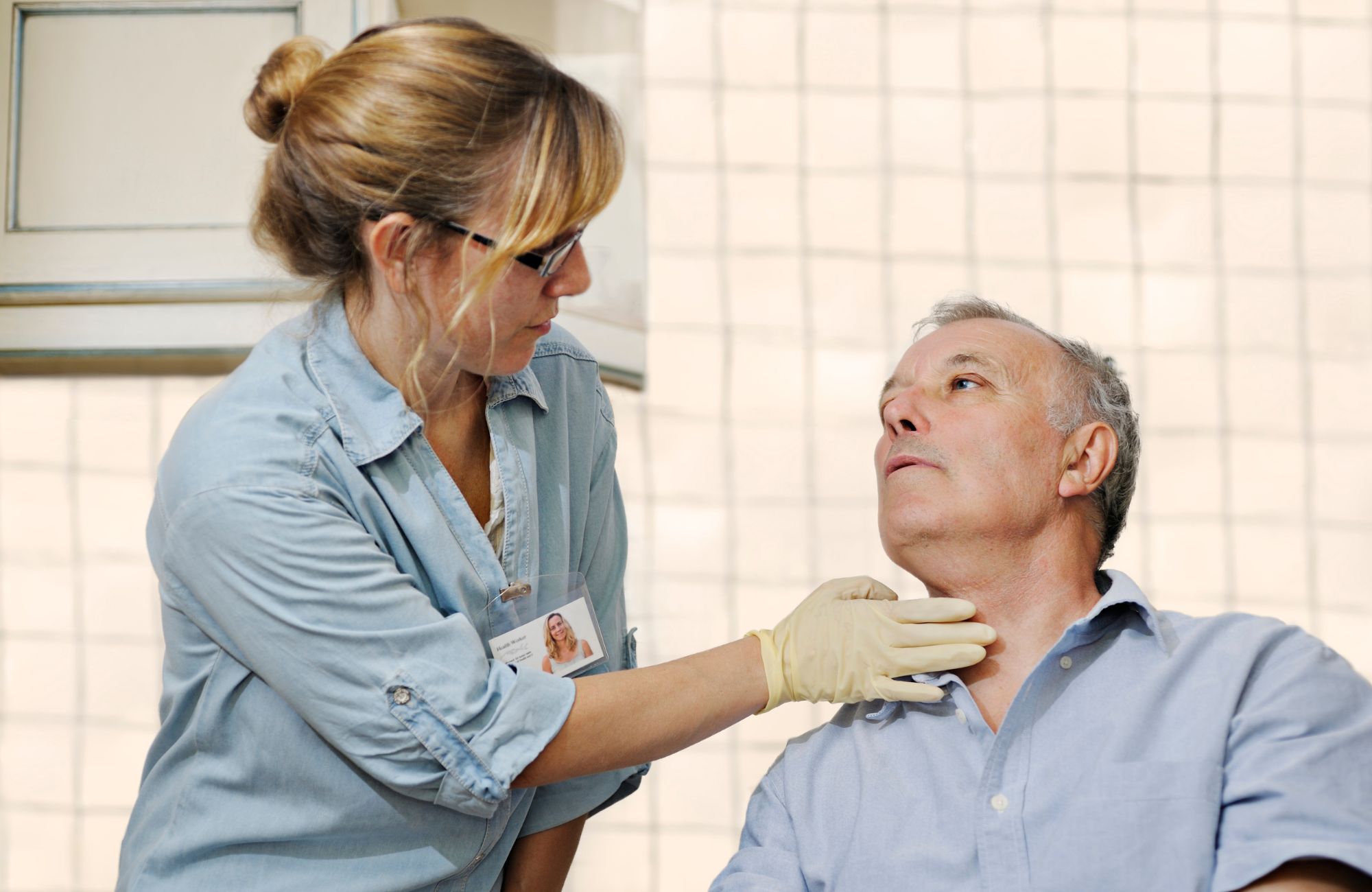
Consistent swallowing therapy coverage helps skilled nursing facilities identify swallowing disorders, respond to changes in resident condition, and maintain clear dysphagia management plans. Without reliable speech-language pathologist staffing, evaluations may be delayed, recommendations may become outdated, and nursing or dietary teams may lack the clinical guidance needed to manage aspiration, dehydration, choking, and weight loss risks.
Flagstar Rehab supports SLP staffing for skilled nursing and rehabilitation facilities by connecting them with licensed speech-language pathologists who can support swallowing evaluations, treatment, documentation, staff education, and care plan coordination. For facility leaders, the issue is not simply whether swallowing therapy is available. It is whether qualified coverage remains consistent enough to support residents and withstand operational or survey scrutiny.
Consistent swallowing therapy coverage helps SNFs respond when residents develop trouble swallowing after a stroke, surgery, respiratory illness, neurological decline, or another change in condition. An available SLP can evaluate the concern, recommend appropriate next steps, and communicate with nursing, dietary, medical, and rehabilitation staff before the problem becomes more difficult to manage.
Swallowing is a complex process involving the mouth, tongue, throat muscles, nerves, airway, esophagus, and coordinated muscle contractions. A swallowing disorder can affect a resident’s ability to chew food, drink liquid, manage saliva, take medication, or receive enough nutrition and hydration.
SNF residents may be particularly vulnerable because many have:
ASHA describes SLPs as central providers in the screening, assessment, diagnosis, and treatment of adult dysphagia. Their work may include clinical swallowing evaluations, instrumental assessment recommendations, swallowing therapy, caregiver education, and collaboration with the care team.
Facilities reviewing their current coverage can also explore speech-language pathologist staffing in New York and related placement support available through Flagstar Rehab.
When an SLP position remains vacant, swallowing concerns may be handled through temporary precautions rather than a timely clinical evaluation. Nursing staff may recognize coughing, choking, wet voice quality, prolonged eating, or other symptoms, but they cannot replace the individualized assessment and treatment provided by a qualified speech-language pathologist.
Coverage gaps may lead to:
The operational problem may grow when several residents need assessment at the same time. A new admission may arrive with incomplete swallowing documentation, while another resident develops a cough after drinking, and a third returns from the hospital with changed diet orders.
Without qualified SLP coverage, staff may know that a problem exists but lack the clinical support needed to determine whether the resident needs a full evaluation, temporary precautions, instrumental testing, medical referral, or an updated treatment plan.
When dysphagia is not evaluated or managed promptly, it may contribute to aspiration pneumonia, dehydration, poor nutrition, weight loss, choking, emergency transfers, and preventable rehospitalization. Coverage gaps can also increase liability concerns when warning signs, referrals, diet recommendations, or care-plan updates are delayed or inconsistently documented.
Aspiration occurs when food, liquid, or saliva enters the airway rather than moving safely toward the stomach. Some residents cough immediately. Others experience silent aspiration, meaning material enters the airway without an obvious cough or choking response.
A bedside assessment can identify warning signs, but it cannot directly visualize swallowing physiology or rule out silent aspiration. ASHA notes that instrumental assessments such as videofluoroscopic swallowing studies and FEES can detect silent aspiration that may be missed during a clinical evaluation.
Nursing assistants, nurses, dietary staff, and rehabilitation professionals may notice:
These signs should trigger the facility’s established screening, reporting, and referral process. They should not lead staff to independently prescribe swallowing exercises or change treatment without appropriate clinical review.
An effective SNF dysphagia protocol defines who watches for swallowing problems, what signs require action, who must be notified, and how quickly an SLP evaluation should occur. Screening does not diagnose dysphagia, but it helps identify residents who may require a more complete swallowing assessment.
ASHA explains that swallowing screening focuses on identifying clinical signs and symptoms that may indicate dysphagia and determining whether further assessment is needed. A failed or concerning screen should lead to an appropriate referral rather than an automatic treatment plan.
A facility protocol may address:
A protocol is only useful when the facility has enough SLP coverage to act on referrals within a clinically appropriate timeframe.
An SLP evaluates how safely and efficiently a resident manages food, liquid, saliva, and medication. The evaluation may examine the oral, pharyngeal, respiratory, neurological, and functional factors that affect eating and drinking.
A clinical swallowing evaluation may include:
The SLP may also determine whether the resident needs an instrumental assessment.
A modified barium swallow study uses X-ray imaging to show how food or liquid mixed with barium moves through the mouth and throat. It can help clinicians observe airway protection, swallowing timing, pharyngeal clearance, residue, aspiration, and the effect of different positions or consistencies.
A fiberoptic endoscopic evaluation of swallowing, or FEES, uses a small flexible camera passed through the nose to view the throat and voice box. It may help assess secretion management, residue, airway protection, fatigue, and swallowing performance with different foods or liquids.
These tests provide information that cannot be obtained from observation alone. However, not every resident requires instrumental testing, and the choice should depend on the clinical question, medical condition, available resources, and professional judgment.
For facilities, consistent SLP staffing helps ensure these evaluations happen before swallowing concerns become unresolved care-plan, nutrition, hydration, or documentation gaps.
Swallowing therapy may include exercises, compensatory techniques, meal-based treatment, positioning changes, caregiver education, and coordination with dietary and nursing teams. The approach should be based on the resident’s specific swallowing disorder rather than a standard list of exercises applied to everyone.
SLPs may treat dysphagia through restorative exercises, compensatory strategies, meal-based intervention, caregiver education, and coordination with nursing and dietary teams.
Treatment may focus on improving:
Depending on evaluation findings, an SLP may use:
These exercises target different muscles or parts of the swallowing process. They should not be assigned simply because a resident has trouble swallowing. The SLP must determine which exercise fits the identified impairment and whether the resident can perform it safely.
Compensatory techniques are intended to make eating or drinking safer without necessarily changing the underlying swallowing disorder. They may include:
Facility staff should follow the individual care plan rather than assume that commonly known techniques, such as a chin tuck, are appropriate for every resident.
When SLP coverage is inconsistent, even appropriate recommendations can lose effectiveness because staff education, reassessment, documentation, and follow-through become harder to maintain.
Modified food and liquid recommendations only support safety when they are understood, prepared correctly, documented consistently, and followed across shifts. Gaps between the SLP recommendation, dietary preparation, nursing instructions, medication administration, and direct-care practices can undermine the entire dysphagia management plan.
Facilities may need to coordinate:
The modified diet levels used in dysphagia care should be written clearly enough that nursing, dietary, rehabilitation, and direct-care staff understand what the resident may receive.
A diet change should not be treated as a permanent solution without reassessment. Swallowing function may improve or decline after infection, surgery, medication changes, neurological progression, or another change in condition.
Hydration also requires close attention. CMS survey resources specifically address hydration support for residents with dysphagia, including aspiration risk, assistance needs, monitoring, and adequate time to consume fluids.
Reliable SLP coverage supports survey readiness by helping the facility maintain current assessments, individualized recommendations, skilled treatment documentation, staff education records, and coordinated care plans. Coverage alone does not guarantee compliance, but prolonged vacancies can make it harder to show that swallowing risks were identified and addressed consistently.
CMS guidance for nursing homes emphasizes comprehensive assessment, individualized care planning, implementation of planned interventions, and documentation that supports the resident’s needs. Surveyors may review whether identified nutrition, hydration, swallowing, and rehabilitation concerns are reflected in the care plan and followed in practice.
An SLP’s documentation may include:
CMS also requires that billed speech-language pathology services be reasonable, necessary, and supported by documentation. In SNF settings, therapy time must reflect services requiring the skills of a qualified therapist.
During internal review or a survey, leaders should be able to determine:
A vacant position can create weak points across several of these questions, especially when no temporary coverage plan is in place.
Per diem SLP coverage can help an SNF maintain essential evaluations, treatment, documentation, and follow-up while recruiting for a permanent employee or managing temporary increases in caseload. It may also provide support during leave, weekends, census changes, or transitions between clinicians.
A per diem model may be useful for:
Per diem coverage should still include structured onboarding and clear facility expectations. A temporary clinician needs access to resident records, dietary information, physician orders, prior swallowing studies, treatment documentation, and the facility’s referral and escalation procedures.
Facility leaders should clarify:
Temporary coverage works best when it is treated as part of the clinical operation rather than as a clinician simply added to the schedule.
Facilities can reduce dysphagia management gaps by combining a clear screening protocol with staffing contingency plans, consistent documentation, interdisciplinary communication, and regular review of high-risk residents. The goal is to prevent a vacancy from stopping the facility’s response to swallowing concerns.
A practical plan may include:
Facilities should also distinguish staffing needs from candidate competency. SLPs interested in the clinical abilities required for adult-care roles can review the dysphagia competencies facilities seek when hiring speech-language pathologists.
That cross-link gives candidates a dedicated resource without turning this facility article back into a career guide.
Facilities should request SLPs whose experience matches the resident population, clinical responsibilities, and level of independence required. A clinician who has primarily worked with communication disorders may not automatically have the dysphagia experience needed for a complex SNF caseload.
Important screening areas may include:
Facilities should also explain the assignment clearly. Caseload size, productivity requirements, schedule, building coverage, documentation system, support staff, and access to instrumental testing can all affect whether a placement succeeds.
Consistent swallowing therapy coverage helps SNFs respond to swallowing problems, maintain current care plans, support safe eating and drinking, and document skilled dysphagia services. It also reduces the operational uncertainty that develops when referrals, evaluations, treatment, staff education, and follow-up depend on an unfilled position.
Flagstar Rehab recruits and places licensed speech-language pathologists in skilled nursing facilities, rehabilitation centers, hospitals, and other healthcare settings. Whether you need coverage for an open SLP role, temporary staffing support, or help managing a growing dysphagia caseload, our team can connect your facility with qualified clinicians. Contact Flagstar Rehab today to request SLP staff and keep swallowing therapy coverage consistent for the residents and patients your facility serves.
SNFs need consistent coverage because residents can develop swallowing difficulties after stroke, surgery, illness, or neurological decline. An available SLP helps the facility complete evaluations, update recommendations, provide treatment, educate staff, and respond to aspiration, choking, dehydration, and weight loss risks.
Without an SLP, swallowing evaluations and treatment may be delayed, while nursing and dietary teams may have to rely on older recommendations or temporary precautions. The facility may also experience gaps in documentation, staff education, reassessment, and care-plan coordination.
Yes. A properly licensed and qualified per diem SLP can provide evaluations, swallowing therapy, documentation, staff education, and follow-up within the assignment’s scope. The facility should provide appropriate onboarding, record access, referral information, and clear clinical expectations.
No. Swallowing exercises must match the resident’s specific impairment, medical condition, cognitive ability, and evaluation findings. Some residents may need restorative exercises, while others benefit more from compensatory techniques, positioning, meal support, or medical referral.