

Facilities looking for therapy staffing in Westchester may need different recruiting approaches depending on the discipline, schedule, work setting, and expected length of the vacancy. Those needs can involve physical therapists, occupational therapists, speech-language pathologists, PTAs, or COTAs across hospitals, long-term care settings, rehabilitation facilities, outpatient environments, and schools. For employers comparing staffing options, the […]
Read More
Knowing how to choose a staffing agency, especially in healthcare, starts with looking beyond rates and sales claims. The right staffing agency should understand the position, explain how it sources and screens candidates, clarify responsibilities, support the staffing model you need, and provide clear contract terms. For healthcare employers, the evaluation may also involve professional […]
Read More
Therapy staffing in NYC helps healthcare and educational facilities recruit physical therapists, occupational therapists, speech-language pathologists, and other qualified therapy professionals for temporary and permanent workforce needs. Depending on the position, healthcare employers may use contract, temporary, temp-to-hire, or direct-hire staffing to address different workforce needs. In these arrangements, a staffing agency supports the recruitment […]
Read More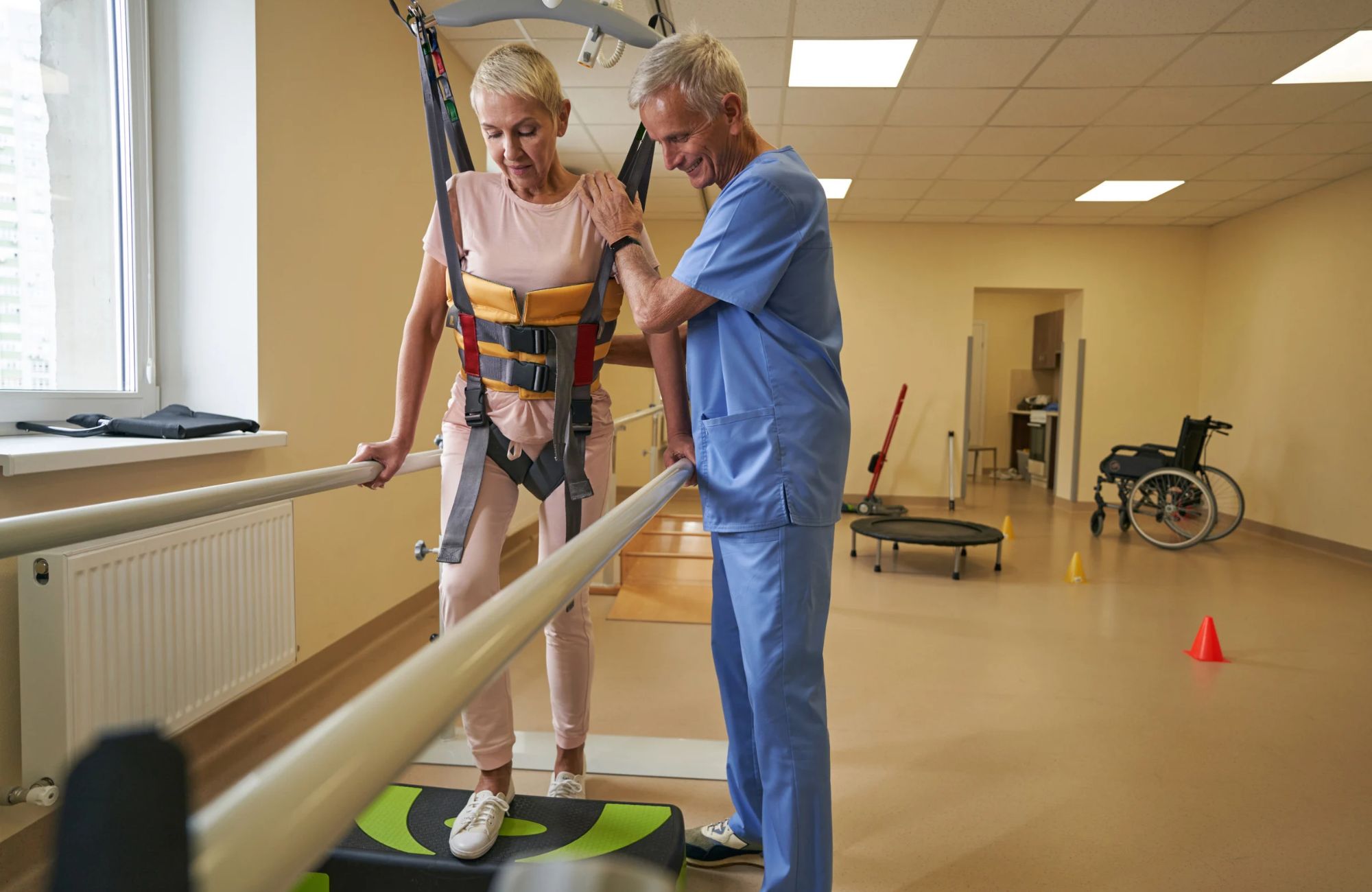
Therapist salaries on Long Island vary by profession, experience, work setting, and employment arrangement. The local wage figures used in this guide show median annual salaries of $108,297 for physical therapists, $107,274 for occupational therapists, $133,014 for speech-language pathologists, and $115,760 for respiratory therapists. These are 2024 wage figures published in a May 2026 report, […]
Read More
The main difference between a PTA vs. PT career is clinical responsibility. A physical therapist (PT) evaluates patients, develops treatment plans, and makes clinical decisions. A physical therapist assistant (PTA) carries out assigned treatment activities under a PT’s direction and supervision. If you’re comparing these careers, you’ll also need to consider education, pay, work settings, […]
Read More
SLP pay in New York can vary significantly depending on location, work setting, experience, employer, and job structure. An offer in the New York City area may look very different from one in Buffalo, Rochester, or another part of the state, which makes a single statewide number only a starting point. For speech-language pathologists comparing […]
Read More
Choosing between direct hire vs contract staffing involves more than comparing a placement fee with an hourly bill rate. The two staffing models create different cost structures, workforce commitments, and recruiting demands for a rehab department. Direct hire may fit an ongoing permanent role, while contract staffing may fit a defined coverage need or a […]
Read More
School-based therapy staffing helps Boards of Education and school districts recruit therapy professionals for open or anticipated positions. Depending on the workforce need, schools may consider temporary, contract, temp-to-perm, or direct-hire approaches. Flagstar Rehab is a therapy staffing and recruiting agency that connects facilities with qualified professionals rather than providing therapy directly to students. For […]
Read More
The best physical therapy setting depends on the patient population, pace, schedule, and team environment a PT prefers. SNFs may suit PTs who like older-adult care and functional mobility work, subacute rehab may fit post-hospital recovery work, outpatient clinics may suit appointment-based care, and schools may fit PTs interested in pediatrics and educational support. This […]
Read More
Getting an SLP license in New York requires meeting education, examination, supervised experience, age, and character requirements set by the New York State Education Department (NYSED). Applicants must also submit the required forms and pay the applicable licensing fee. Flagstar Rehab is a therapy staffing and recruiting agency that connects qualified speech-language pathologists with potential […]
Read More