Is Occupational Therapy a Good Career: Job Outlook & Growth Potential

  • Home
  • Is Occupational Therapy a Good Career: Job Outlook & Growth Potential

Is Occupational Therapy a Good Career: Job Outlook & Growth Potential

Occupational therapy is one of the most rewarding and stable careers in health care. It combines science, creativity, and compassion to help people regain independence and perform everyday tasks after illness, injury, or developmental challenges. For those asking, “Is occupational therapy a good career?” the answer lies in its strong job outlook, diverse employment settings, and meaningful patient care opportunities.

According to the Bureau of Labor Statistics, employment growth for occupational therapists is projected at 14 percent from 2024 to 2034, which is much faster than the average for all occupations. The median annual wage is $98,340, making it one of the higher-paying roles in health sciences. These numbers, combined with flexible work settings and professional advancement options, make occupational therapy a strong and sustainable career path.

Job Outlook, Employment Growth, and Salary

The demand for occupational therapy services continues to rise across the United States. This growth is driven by an aging population, chronic conditions, and increased emphasis on rehabilitation and preventive care.

Key Statistics from the Bureau of Labor Statistics (2024)

The latest labor statistics highlight strong employment growth and competitive pay, confirming that occupational therapy remains a stable and rewarding career choice for the coming decade.

Metric Data
Median Annual Wage $98,340 per year
Job Growth (2024–2034) 14% (Much faster than average)
Estimated Annual Openings 10,200 per year
Typical Entry-Level Education Master’s Degree
Number of Jobs (2024) 160,000

Reasons for Employment Growth

The demand for occupational therapy professionals continues to rise for several reasons. As the population ages, more older adults require rehabilitation to maintain their physical health and manage chronic conditions. Therapy services have also expanded across rehabilitation centers, skilled nursing facilities, and outpatient clinics, creating more opportunities for licensed occupational therapists. Also, greater awareness of therapy’s benefits for children with developmental disabilities, cerebral palsy, learning delays, and Alzheimer’s disease has strengthened job growth across healthcare and educational settings.

What Occupational Therapists Do

Occupational therapists and occupational therapy practitioners help patients improve their ability to perform daily living and routine tasks. They create individualized treatment plans to help patients regain independence and return to meaningful activities.

Their common responsibilities include:

  • Evaluate and treat patients with physical, cognitive, or developmental conditions.
  • Train patients and caregivers to use adaptive equipment safely.
  • Modify work or home environments to improve accessibility.
  • Collaborate with speech therapists, physical therapists, and physicians to coordinate care.
  • Document progress and adjust treatment plans to meet therapy goals.

Occupational therapists work with people of all ages, from children with learning delays to older adults recovering from strokes or managing chronic illnesses.

Work Environment and Settings

Occupational therapy offers flexibility across different healthcare and community settings. Each occupational therapy setting provides unique experiences and career growth opportunities.

Their common work settings include:

Setting Example Roles
Hospitals and Private Hospitals Acute care, post-surgical rehabilitation
Rehabilitation Centers Physical rehabilitation and long-term recovery
Skilled Nursing Facilities Geriatric and chronic condition management
Outpatient Clinics Orthopedic, neurological, or pediatric therapy
Private Practices Specialized care and customized programs
Educational Settings School-based therapy and early intervention programs
Home Health Personalized treatment in patient homes

Most occupational therapists work full-time, and some positions require evening or weekend shifts depending on patient schedules. The work environment can be physically active, involving standing, lifting, or assisting patients during therapy. Strong communication skills and interpersonal skills are critical to provide effective patient care and collaborate with healthcare teams.

Pros and Cons for Prospective Occupational Therapists

Before choosing this career path, it’s helpful for prospective occupational therapists to understand both the advantages and challenges that come with the profession.

Significant Benefits

Occupational therapy offers many advantages that make it a stable and fulfilling long-term career for healthcare professionals. This includes:

  • Strong job growth: Consistent demand across the country.
  • Rewarding career: Direct impact on improving patients’ daily lives and independence.
  • Career flexibility: Choice of settings, schedules, and patient populations.
  • Professional development: Multiple advanced certifications and specializations available.
  • Job stability: Consistent employment in hospitals, schools, and community programs.

Challenges to Consider

Like any healthcare profession, occupational therapy presents challenges that require adaptability, resilience, and ongoing commitment to patient care. This includes:

  • Physical demands: Frequent movement, lifting, and hands-on care.
  • Educational investment: Requires a graduate degree and state licensing.
  • Emotional strain: Working with patients who have chronic conditions or disabilities.
  • Documentation: Detailed patient tracking and insurance requirements.

Despite these challenges, the career offers a strong balance between salary, satisfaction, and stability. Many professionals report high job fulfillment due to the direct impact they have on improving patient outcomes.

Education, Licensure, and Certification Path

Becoming an occupational therapist requires focused occupational therapy education and certification. The field values both clinical skill and formal training.

Educational Requirements:

  1. Earn a bachelor’s degree in a related field such as health sciences, biology, or kinesiology.
  2. Complete a graduate program such as a master’s degree or doctoral degree in occupational therapy.
  3. The occupational therapy program must be accredited by the Accreditation Council for Occupational Therapy Education (ACOTE).

Licensing and Certification:

  1. Pass the National Board for Certification in Occupational Therapy (NBCOT) exam.
  2. All states require occupational therapists to obtain state licensure before practicing.
  3. Licenses require renewal and continuing education credits.

Supervised Fieldwork: Students complete supervised fieldwork and observation hours during their degree to gain practical experience treating patients in various clinical and community settings.

Certified Occupational Therapy Assistants (COTAs): Those who pursue the certified occupational therapy assistant route complete a shorter degree in occupational therapy and work under the supervision of licensed OTs.

Ready to put your occupational therapy education into practice? Flagstar Rehab connects skilled OTs and COTAs with rewarding placements in hospitals, schools, and rehab centers nationwide.

Advanced Career Pathways and Specializations

Occupational therapists can develop focused expertise through specialized areas of practice. Common specializations include hand therapy and upper limb rehabilitation, pediatrics and school-based therapy, gerontology and aging populations, mental health and cognitive rehabilitation, low vision and driving rehabilitation, and physical or neurological recovery. Each specialization supports therapists in delivering effective, patient-centered care across different age groups and conditions.

Many therapists also pursue advanced certifications to strengthen their skills and career opportunities. The American Occupational Therapy Association (AOTA) offers specialty certifications and continuing education programs that help professionals expand their expertise and stay current with new clinical techniques. Examples include the Certified Hand Therapist (CHT), Certified Aging-in-Place Specialist (CAPS), and Sensory Integration and Praxis Test (SIPT) certification. These credentials reflect advanced knowledge, improve professional credibility, and can lead to higher earning potential in clinical and leadership roles.

Compensation and Pay Variation

Pay varies based on work environment, region, and experience. Below is an overview of average salaries by setting:

Setting Average Annual Salary Notes
Home Health Care Services $104,790 Highest-paying sector
Skilled Nursing Facilities $101,520 Consistent patient load
Hospitals $99,570 Structured schedules
Outpatient Clinics $94,930 Growing field with flexibility
Educational Settings $80,910 Strong work-life balance

Salary data sourced from the Bureau of Labor Statistics and Indeed.

The national average is around $98,000 annually, but rates can be higher for travel positions or contract roles. Advanced credentials, such as hand therapy certification or leadership experience, also improve pay prospects.

Looking for competitive pay and flexible OT roles? Visit our Occupational Therapist Staffing page to join Flagstar Rehab’s national network and discover high-earning opportunities in top healthcare facilities.

Skills for Success

Successful occupational therapists rely on strong communication skills, patience, and adaptability. They must connect with patients of all ages, adjust treatment plans to meet changing needs, and maintain detailed documentation. Organization and time management are key in managing caseloads, while continuing education helps practitioners stay current with new treatment methods and technology. These skills help therapists deliver consistent, high-quality patient care across hospitals, schools, and private practices.

How to Choose the Right Occupational Therapy Setting

Occupational therapists have the flexibility to choose a work environment that matches their interests and lifestyle. Hospitals and rehabilitation centers offer fast-paced, medically focused care, while schools and educational settings allow therapists to support children’s learning and development.

Skilled nursing facilities provide ongoing care for older adults, and home health care offers more independence and flexible scheduling. Outpatient clinics and private practices provide structured hours with specialized rehabilitation programs. For those who value variety, travel positions offer the chance to work in different states while gaining diverse experience.

Step-by-Step Career Checklist for Prospective Occupational Therapists

This checklist outlines the key educational and professional steps every prospective occupational therapist must complete before beginning practice.

  1. Complete prerequisite courses and a bachelor’s degree.
  2. Apply to an accredited occupational therapy program.
  3. Finish the required supervised fieldwork and observation hours.
  4. Pass the NBCOT exam through the National Board for Certification.
  5. Apply for state licensure where you plan to practice.
  6. Begin your occupational therapy career in your chosen setting.
  7. Pursue advanced certifications and continuing education for growth.

Conclusion

Occupational therapy offers a strong career path for professionals who value stability, growth, and meaningful patient impact. With consistent job opportunities, high satisfaction rates, and competitive pay, it remains one of the most rewarding careers in the health sciences field. For prospective occupational therapists, investing in quality education, certification, and hands-on experience provides a clear path toward a lasting and fulfilling profession.

If you’re a licensed or prospective occupational therapist looking for flexible placements, competitive pay, and career support, Flagstar Rehab can help. We specialize in connecting skilled therapists with hospitals, rehabilitation centers, skilled nursing facilities, outpatient clinics, and school systems across the country. Whether you’re seeking full-time, part-time, or travel positions, our team simplifies the hiring and credentialing process so you can focus on patient care. Explore current occupational therapy opportunities with FSRehab and start building a rewarding career today.

FAQs

What are the disadvantages of being an occupational therapist?

The main disadvantages of being an occupational therapist include physical demands, emotional stress, and detailed documentation requirements. Therapists often stand for long hours, lift patients or equipment, and handle high caseloads. These challenges can be managed through time management, ergonomic practices, and supportive workplaces.

What field of OT makes the most money?

According to the Bureau of Labor Statistics, occupational therapists in nursing care facilities earn the highest average salary of about $103,210 per year. Other top-paying areas include skilled nursing facilities, rehabilitation centers, and private hospitals. Travel positions and advanced certifications can also increase earning potential.

Why is occupational therapy a good career?

Occupational therapy is a good career because it offers strong job growth, high satisfaction, and meaningful patient care. The Bureau of Labor Statistics projects 14 percent job growth from 2024 to 2034, much faster than average. Therapists can work in hospitals, schools, outpatient clinics, and home health, offering flexibility and variety.

Is OT school hard?

OT school is challenging because it combines academic coursework with hands-on fieldwork. Students complete studies in anatomy, psychology, and health sciences before supervised practice. Graduates must pass the NBCOT exam and meet state licensure requirements to begin their occupational therapy career.

 

Respiratory Care Technician Jobs and Career Opportunities

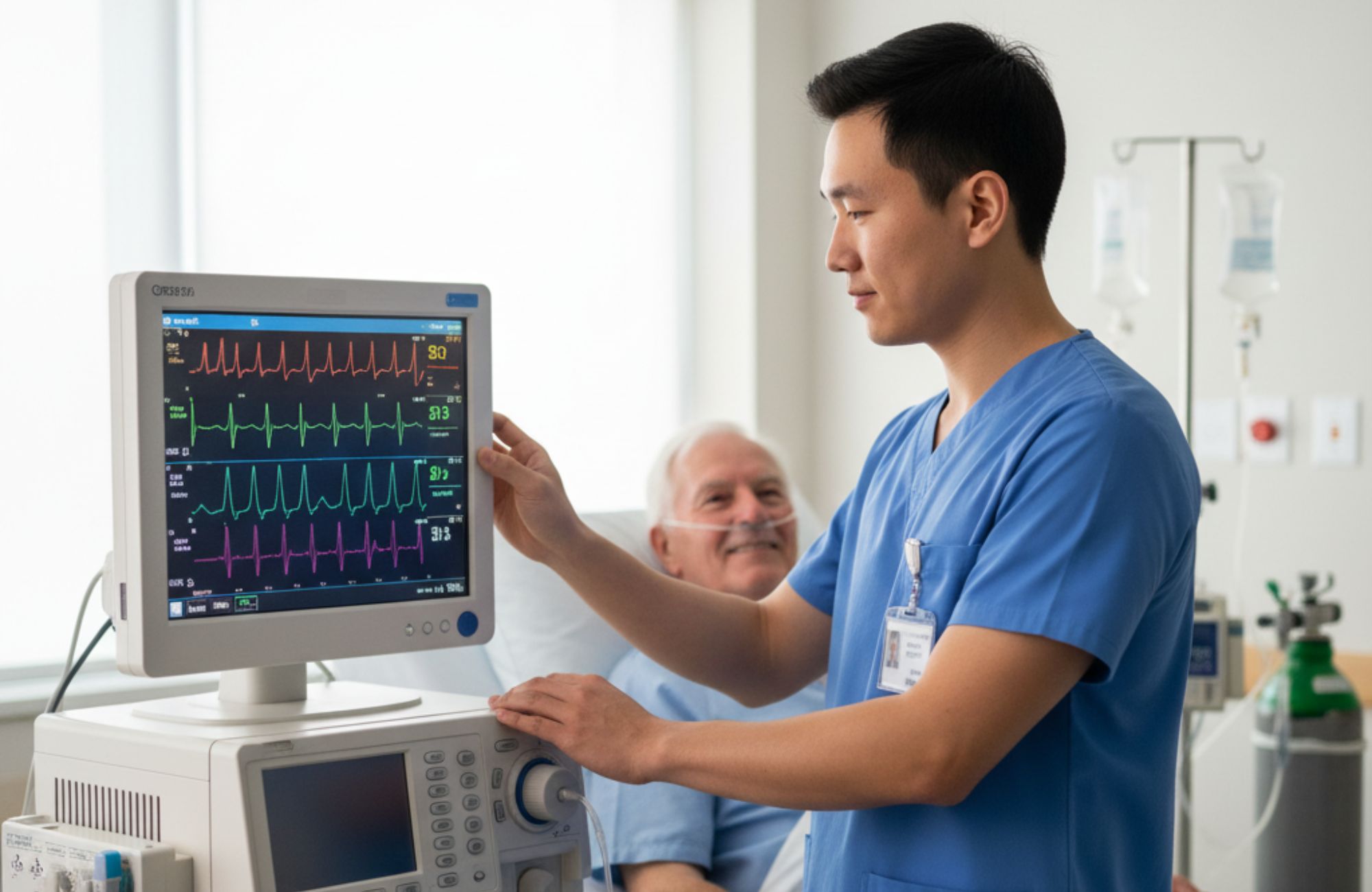
Respiratory care technicians play an important role in patient care by supporting respiratory therapists, physicians, and other healthcare professionals. They help patients breathe, operate medical equipment, and assist with respiratory care procedures. This guide explains what respiratory care technicians do, where they work, how to become one, and the career opportunities available.

What is a Respiratory Care Technician?

A respiratory care technician is part of the respiratory care team that provides treatment for patients with breathing disorders and lung disease. They work under the supervision of respiratory therapists and physicians to assist with patient care and clinical procedures.

Respiratory care technicians help care for patients in hospitals, skilled nursing facilities, nursing homes, and other medical facilities. They may provide direct support to patients with conditions such as cystic fibrosis, asthma, sleep apnea, and chronic obstructive pulmonary disease.

Job Duties and Responsibilities

Respiratory care technicians often perform clinical tasks, provide patient support, and work closely with other therapists.

Clinical Tasks

Respiratory care technicians perform routine and technical duties, including:

  • Evaluating patients under supervision
  • Measuring lung capacity through pulmonary function testing
  • Setting up oxygen and medical gases delivery systems
  • Administering drugs in aerosol form as directed
  • Operating a blood gas analyzer and recording results
  • Assisting with mechanical ventilation checks
  • Supporting cardiopulmonary resuscitation and other life support procedures

Patient Support

Respiratory care technicians interact with patients and families during treatment. They provide education on treatment plans and equipment use. Clear instructions help families support patient care at home. This improves comfort and confidence for both patients and their caregivers.

Technicians also assist patients in breathing more comfortably through therapy. They record treatment options, outcomes, and programmatic results. Accurate documentation supports program effectiveness and guides physicians. These records also serve as performance indicators for professional growth and patient care quality.

Team Collaboration

Respiratory care technicians work closely with respiratory therapists, registered respiratory therapists, respiratory care practitioners, and other healthcare professionals. They support program effectiveness through accurate reporting and communication.

Ready to put your skills to work? Browse respiratory care technician roles with Flagstar Rehab and connect with a recruiter today.

Work Environment

Respiratory therapy technicians often work full-time in hospitals, intensive care units, skilled nursing facilities, and nursing homes. They may also work in diagnostic labs or outpatient clinics.

Because hospitals and nursing homes operate around the clock, technicians may work nights, weekends, or holidays. Shifts can be long periods of time, and most of the workday is spent on their feet.

Patients and Conditions Treated

Respiratory care technicians care for patients across all age groups:

  • Premature infants with lungs not yet fully developed
  • Elderly people with chronic lung disease
  • Patients with breathing disorders such as sleep apnea, cystic fibrosis, asthma, and emphysema
  • Patients in intensive care units requiring oxygen and life support

Education and Training

High school students who want to become respiratory technicians should focus on science and health courses to prepare for further study. Many begin with an associate degree or applied science degree in a respiratory care technology program at a community college.

Degree Options

These are the main academic routes available for technicians.

  • Associate degree: Standard entry route into the field
  • Applied science degree: Specialized training in respiratory care technology
  • Bachelor’s degree or bachelor’s degree program: Employers prefer candidates with higher education for advanced roles

Certification and Licensing

Certification and licensing are required steps for respiratory care technicians. The Certified Respiratory Therapist (CRT) and Registered Respiratory Therapist (RRT) designations are awarded through the National Board for Respiratory Care after successful completion of exams.

Most states require a state license and a background check before employment. Employers also expect candidates to hold Basic Life Support certification to demonstrate readiness for patient care.

Program Quality

Candidates should review program effectiveness, programmatic outcomes, and performance indicators before enrolling. Employers prefer graduates from accredited programs that show strong completion rates.

If you need help finding the right respiratory care technician job, Flagstar Rehab is here to help. Visit our respiratory therapist staffing page to explore opportunities.

Skills Needed

Respiratory care technicians need a mix of technical and interpersonal skills.

  • Technical skills: operating ventilators, managing oxygen systems, using blood gas analyzers, conducting pulmonary function testing
  • Cognitive skills: problem-solving skills, diagnostic reasoning, being detail-oriented
  • Interpersonal skills: clear communication, teamwork with healthcare professionals, patient education
  • Physical skills: stamina to work long periods on their feet

Career Growth and Opportunities

Respiratory therapy technicians have many ways to grow in their careers. Advancement comes through education, certification, and clinical experience.

Career Ladder

The career ladder shows how technicians can build skills and move into advanced roles. Respiratory therapy technicians often begin as respiratory care technicians. With more training, they progress to certified respiratory therapist roles. Many continue to advance to registered respiratory therapist positions. With further education, they may qualify for leadership or specialty roles in healthcare settings.

Specialization Options

Specializations allow technicians to focus on areas of respiratory care that match their interests. Technicians may work in intensive care units supporting critical patients. Others choose neonatal or pediatric care to help premature infants and children. Pulmonary rehabilitation offers opportunities to support patients with chronic lung disease. Some focus on sleep disorder centers, while others prefer home care settings.

Salary and Job Outlook

According to labor statistics, respiratory therapists earn a median annual salary of $80,450. Respiratory therapy technicians generally earn less, but exact figures vary depending on education and location.

The job outlook for respiratory care shows strong growth, with demand rising due to an aging population and higher rates of chronic lung disease. Hospitals and skilled nursing facilities continue to hire respiratory therapy technicians to support patient care.

Step-by-Step: How to Become a Respiratory Care Technician

  1. Set educational goals in high school with science and health courses.
  2. Apply to accredited respiratory therapy education programs at a community college or university.
  3. Complete an associate degree or applied science degree in respiratory care technology.
  4. Pass national board exams to qualify as a certified respiratory therapist.
  5. Obtain state license and background check where required.
  6. Complete Basic Life Support training and maintain credentials.
  7. Apply for positions in hospitals, nursing homes, and skilled nursing facilities.

Tools and Technologies Used

Respiratory therapy technicians rely on a variety of medical devices to support patient care. These tools help them measure, monitor, and treat respiratory conditions effectively.

Technicians use spirometers and other devices that measure lung capacity. They also operate blood gas analyzers to assess oxygen and carbon dioxide levels. Oxygen delivery systems and medical gases are managed daily to help patients breathe. In addition, technicians work with ventilators and other mechanical ventilation devices. Electronic health records are used to document patient care and track treatment progress.

Program Outcomes and Quality Indicators

When evaluating respiratory therapy education programs, candidates should review:

  • Program effectiveness reports
  • Programmatic outcomes such as graduate placement rates
  • Performance indicators like certification exam pass rates

These factors help measure whether a program prepares graduates for successful completion and job placement.

Where to Find Jobs and How to Stand Out

Respiratory care technicians have many options when starting their careers. Knowing where to apply and how to stand out is key.

Common Employers

Respiratory care technicians often find work in hospitals and intensive care units. Skilled nursing facilities and nursing homes also provide many opportunities. Outpatient care centers are another setting where technicians can begin or grow their careers.

Resume Tips

When writing a resume, highlight job duties performed in training or previous roles. List equipment experience, such as blood gas analyzers, ventilators, and oxygen systems. Mention the successful completion of national board exams and any certifications earned.

Interview Tips

During interviews, be ready to explain treatment plans and available treatment options. Show knowledge of respiratory care procedures and patient care practices. Provide clear examples of problem-solving skills and teamwork with healthcare professionals.

Comparison of Technician, CRT, and RRT

This table highlights the differences between respiratory care technicians, certified respiratory therapists, and registered respiratory therapists.

Role Education Scope of Practice Work Settings Career Growth
Respiratory Care Technician Associate degree or applied science degree Assist with respiratory care procedures under supervision Hospitals, nursing homes, skilled nursing facilities Entry-level
Certified Respiratory Therapist (CRT) Associate or bachelor’s degree program Broader patient care and diagnostic procedures Hospitals, ICUs, rehab centers Pathway to RRT
Registered Respiratory Therapist (RRT) Bachelor’s degree or higher Advanced respiratory care, independent patient care Intensive care units, specialty centers Leadership and specialty roles

Conclusion

Working with a staffing agency gives respiratory care technicians a clear advantage when starting or advancing their careers. Agencies provide access to open positions across hospitals, nursing homes, and skilled nursing facilities nationwide. They also support candidates with licensing, background checks, and credentialing, which helps streamline the hiring process. By partnering with a staffing agency, technicians can secure faster placement, gain exposure to different work environments, and build professional growth through flexible assignments.

At Flagstar Rehab, we connect qualified therapy professionals with trusted medical facilities across the country. Patients choose us because we focus on program effectiveness, professional quality, and reliable staffing that supports consistent patient care. If you’re ready to move forward in your respiratory care career, contact Flagstar Rehab today. Explore open positions and speak with one of our recruiters about your goals.

FAQs

Do I need an associate’s degree to become a respiratory care technician?

Yes. Most employers require an associate’s degree or an applied science degree in respiratory care technology. Some community college programs also prepare students for certification and licensure. Without this degree, it is difficult to qualify for entry-level jobs.

Can I advance without a bachelor’s degree?

Yes. Many respiratory care technicians progress to become Certified Respiratory Therapists (CRT) with only an associate degree. However, a bachelor’s degree program opens more doors, including Registered Respiratory Therapist (RRT) roles and leadership positions. Employers prefer candidates with higher education for advanced responsibilities.

Where are new graduates hired most often?

Most new graduates find employment in hospitals, skilled nursing facilities, and nursing homes. These medical facilities hire respiratory therapy technicians to support respiratory therapists and provide direct patient care. Some graduates also find opportunities in outpatient clinics and diagnostic labs.

How often do I renew a state license?

Respiratory care technicians must renew their state license every two to three years, depending on state regulations. Renewal usually requires a background check and continuing education credits. These requirements vary depending on the state where technicians work.

What skills are most helpful in the first year?

The most valuable skills in the first year include problem-solving skills, being detail-oriented, and having strong interpersonal skills. New technicians also need technical ability with medical equipment such as blood gas analyzers, ventilators, and oxygen systems. These skills help support patient care and collaboration with other healthcare professionals.


What Is the Scope of Practice for Respiratory Therapist: Duties Explained

The scope of practice for respiratory therapist professionals defines the responsibilities, procedures, and patient care activities that these healthcare providers are trained and licensed to perform. Respiratory therapists play an important role in diagnosing, treating, and managing patients with abnormalities or deficiencies of the cardiopulmonary system. Understanding the scope defined by regulatory boards and professional associations helps physicians, hospitals, and patients know what services respiratory care practitioners can provide in different settings.

Legal and Professional Foundation

The practice of respiratory care is always directed by a licensed physician. In many settings, respiratory therapists also collaborate with advanced practice registered nurse providers and other clinicians. State licensure boards regulate what licensed respiratory therapists can do, and those responsibilities may vary depending on location.

Respiratory care practitioners must hold the proper licensure to perform diagnostic tests, treatment, and rehabilitation. Licensure also requires continuing education to maintain skills and knowledge. While the practice of respiratory therapy is broad, some services are limited or require specialized training and competency validation within each hospital or clinic.

Care Settings and Patient Populations

Respiratory therapists provide care in many healthcare settings. In hospitals, they support emergency rooms, intensive care units, and general wards, where patients often need oxygen, ventilatory support, or airway care. Long-term acute care hospitals and skilled nursing facilities depend on licensed respiratory therapists to monitor and treat patients with chronic breathing problems.

Outpatient clinics use respiratory therapy for evaluation and treatment planning, while sleep labs focus on diagnosing and managing sleep disorders. Respiratory care is also part of cardiopulmonary rehabilitation programs, where patients exercise under supervision while learning how to manage lung or heart conditions. Many therapists also provide home care, setting up oxygen, maintaining equipment, and teaching families how to manage breathing disorders.

Core Responsibilities

The responsibilities of respiratory care practitioners cover every stage of treatment. They assess patients through physical exams and diagnostic evaluation, then monitor physiological data and reactions during therapy. Respiratory therapists carry out respiratory care procedures such as oxygen delivery, airway care, and ventilator management under physician supervision. \

Education is another key responsibility. Therapists teach patients and families how to use medications, oxygen equipment, and breathing techniques. At every step, they follow infection control practices to keep patients and staff safe.

Education and Specialized Training for Respiratory Therapists

Respiratory therapy requires formal education, licensure, and ongoing training to provide safe and effective care.

Academic Pathways

To practice respiratory therapy, students complete either an associate’s or a bachelor’s degree in respiratory care. Programs focus on anatomy, physiology, pharmacology, and the cardiopulmonary system. Clinical rotations provide experience in hospitals, clinics, and rehabilitation settings.

Licensure and Continuing Education

After graduation, candidates must pass licensure exams to become licensed respiratory therapists. Licensure requires continuing education to maintain skills and stay current with new respiratory care procedures. Many therapists also pursue specialized training in areas such as neonatal care, sleep disorders, or mechanical ventilatory support.

Diagnostic Evaluation and Testing

Respiratory therapists perform and interpret a variety of diagnostic tests. Examples include:

  • Pulmonary function testing: spirometry, lung volumes, ventilatory volumes, and diffusion studies
  • Physiological specimens: collection and analysis of blood gases and sputum samples
  • Sleep studies: evaluation of sleep disorders and breathing abnormalities
  • Neurophysiological studies: when respiratory function is affected by neurological conditions

These tests help physicians create accurate diagnoses and guide treatment plans.

Table: Common Diagnostic Tests Performed by Respiratory Therapists

Diagnostic Test Purpose Setting
Pulmonary function testing Measures lung capacity and volumes Hospital/Clinic
Blood gas analysis Assesses oxygen and CO2 levels Hospital
Sleep study (polysomnography) Identifies sleep disorders Sleep lab
Oximetry and capnography Continuous monitoring of oxygen/CO2 ICU, Transport

Therapeutic Interventions

Respiratory therapy includes treatments that help patients breathe better and manage lung disease. Therapists administer medical gases such as oxygen and adjust levels based on patient needs. They also use aerosol and humidity therapy to deliver pharmacological agents directly into the lungs.

Other treatments include breathing exercises, chest physiotherapy, and bronchopulmonary hygiene, which help patients clear mucus and improve airflow. Therapists may also give medications related to lung care as ordered by a physician. All interventions are carefully monitored to track patient symptoms and expected outcomes.

Looking for skilled respiratory therapists or new job opportunities in this field? Explore our respiratory therapist staffing solutions today.

Mechanical Ventilatory Support and Airway Management

Respiratory therapists are trained to manage patients who need mechanical ventilatory support. They set ventilator settings, monitor ventilatory volumes, and adjust machines based on patient data. Their work is critical in intensive care and during recovery from major illness or surgery.

Therapists also help patients come off ventilators when possible. Airway management is another responsibility. Many patients require artificial airways such as endotracheal tubes or tracheostomies, and therapists provide artificial airway care, suctioning, and infection control to keep them safe.

Sleep Disorders and Polysomnography

Respiratory therapy extends into the management of sleep disorders. Respiratory care practitioners may:

  • Set up positive airway pressure devices
  • Monitor patient adherence to therapy
  • Educate patients about long-term management of obstructive sleep apnea and related conditions

Cardiopulmonary Rehabilitation

Respiratory therapists are involved in cardiopulmonary rehabilitation programs that combine exercise, education, and monitoring. These services improve outcomes for patients with chronic respiratory or cardiac disorders.

Typical responsibilities include:

  • Supervising exercise sessions tailored to patient capacity
  • Educating patients about disease management and lifestyle modification
  • Monitoring oxygen levels and physiological data during rehabilitation

Infection Control and Safety

Infection control is part of every respiratory care procedure. Therapists use personal protective equipment during treatments and disinfect equipment like ventilators and nebulizers to prevent cross-infection. They also maintain environmental control systems such as isolation rooms or negative pressure areas in hospitals. Infection control applies to the administration of medical gases and medications as well, where strict protocols protect patients.

By following these practices, respiratory care practitioners keep both patients and healthcare workers safe.

Interprofessional Collaboration

Respiratory therapists do not work alone. They practice under physician direction and in collaboration with nurses, advanced practice registered nurses, physical therapists, and speech-language pathologists. Supervision levels vary depending on the procedure and hospital policy.

Education and Counseling

Providing respiratory care also involves patient and family education. A licensed respiratory therapist may teach:

  • Proper inhaler or nebulizer use
  • Breathing exercises and chest physiotherapy techniques
  • Safe use of oxygen at home
  • Understanding of diagnosis, symptoms, and expected treatment outcomes

Research and Continuing Education

Research is part of the practice of respiratory therapy. Therapists may contribute to clinical studies, equipment testing, or quality improvement projects. Continuing education is required for licensure renewal, keeping professionals current with new therapies, medications, and procedures.

Responsibilities in Long-Term Care

Therapists also play a role in rehabilitation programs and long-term management of chronic lung and heart conditions.

Maintenance and Long-Term Management

Therapists also provide ongoing management in rehabilitation centers and home care. Their responsibilities include equipment maintenance, monitoring of symptoms, and patient education on lifestyle changes that support lung health.

Scope Boundaries and Specialized Training

The scope of practice is broad but may be limited in certain settings. Some procedures require specialized training, such as:

  • Insertion of arterial or venous lines
  • Administration of certain pharmacological agents
  • Advanced neurophysiological or diagnostic studies

Hospital policies, state regulations, and physician supervision define what respiratory care practitioners are authorized to do.

Summary Table: Key Responsibilities of Respiratory Therapists

This table highlights the main areas of practice and example services that respiratory therapists provide in healthcare settings.

Area of Practice Example Services
Diagnostic evaluation Pulmonary function testing, blood gas analysis, and sleep studies
Therapeutic procedures Oxygen therapy, aerosol therapy, chest physiotherapy
Ventilatory support Mechanical ventilatory support, monitoring ventilatory volumes
Airway management Artificial airway care, suctioning, and infection control
Rehabilitation Cardiopulmonary rehabilitation, breathing exercises
Patient education Medication use, equipment care, lifestyle coaching
Research and continuing ed. Clinical trials, device evaluation, licensure, and training

Conclusion

The scope of practice for respiratory therapist professionals is wide and supported by licensure, education, and specialized training. By performing diagnostic tests, delivering treatment, managing ventilation, and educating patients, respiratory care practitioners help manage both acute and chronic disorders of the lungs and cardiopulmonary system.

At Flagstar Rehab, we connect licensed respiratory therapists with hospitals, clinics, and rehabilitation programs nationwide. Whether you are a healthcare facility seeking respiratory care services or a therapist looking for new opportunities, our team provides staffing solutions and job placements that match skills, scope, and patient needs. Start your journey today by browsing our current respiratory therapist job listings or connecting with our team to find the right placement for your skills.

FAQs

What is the scope of a respiratory therapist?

The scope of a respiratory therapist includes evaluating patients, performing diagnostic tests, providing respiratory care procedures, managing mechanical ventilatory support, and educating patients and families under physician supervision.

What is the scope of respiratory care?

The scope of respiratory care covers the prevention, treatment, monitoring, and rehabilitation of patients with lung and cardiopulmonary system disorders across all ages and care settings.

Are RTs in high demand?

Yes, respiratory therapists are in high demand due to an aging population, more chronic lung disease, and the need for specialized respiratory care in hospitals, clinics, and rehabilitation centers.

Do respiratory therapists do IV?

In some states, licensed respiratory therapists can start IVs when related to respiratory care medications, but this depends on licensure laws and facility training requirements.

Can a respiratory therapist intubate?

Yes, respiratory therapists are trained in artificial airway care and may perform intubation in certain hospitals, usually under physician supervision and based on local scope of practice guidelines.


Scope of Practice Pulmonary Rehab Respiratory Therapist Guide

Pulmonary rehabilitation is a structured program designed for people with chronic respiratory diseases such as chronic obstructive pulmonary disease (COPD), interstitial lung disease, and pulmonary hypertension. Within the scope of practice pulmonary rehab respiratory therapist, these clinicians deliver interventions that improve exercise capacity, health status, and quality of life while lowering hospital admissions and mortality risk.

Respiratory therapists are part of a multidisciplinary team that includes physicians, nurses, physical therapists, dietitians, and other specialists. Their expertise makes pulmonary rehabilitation an essential component of integrated care across the health care system.

The Scope of Practice in Pulmonary Rehabilitation

Respiratory therapists deliver respiratory care and respiratory therapy services to adult patients and, when appropriate, children and premature infants. Their practice includes:

  • Conducting diagnostic tests such as pulmonary function tests to evaluate lung function.
  • Designing individualized programs that include breathing exercises, exercise training, respiratory muscle training, and resistance training.
  • Delivering therapeutic procedures, including oxygen titration and airway clearance support.
  • Leading self-management education to educate patients on managing breathing disorders and treatment adherence.

Clinical Pathway

The PR pathway often begins with initial pulmonary rehabilitation after referral. Therapists assess risk factors and disease severity, develop exercise and education plans, and track outcomes. Patients may continue into supervised maintenance pulmonary rehabilitation, which helps preserve gains made during the initial program.

Patient Populations Served

Pulmonary rehabilitation addresses a wide range of respiratory disease groups:

  • Obstructive pulmonary disease COPD, including stable COPD, severe COPD, mild symptoms, chronic bronchitis, and acute exacerbations.
  • Restrictive diseases such as idiopathic pulmonary fibrosis and interstitial lung disease.
  • Vascular conditions such as pulmonary hypertension.
  • Other conditions include cystic fibrosis, lung cancer, and pre- and post-lung transplantation patients.

Many patients benefit, but evidence shows few pr receive PR, especially those with undiagnosed COPD. Increasing referral rates can improve public health outcomes. Need licensed respiratory therapists to support patients with COPD, interstitial lung disease, or pulmonary hypertension? Learn more about our respiratory therapist staffing solutions.

Assessment and Testing

Respiratory therapists are directly involved in patient assessment during pulmonary rehabilitation. They carry out pulmonary function tests to check lung function and establish a baseline for care. Therapists also use field tests such as the incremental shuttle walk distance to measure exercise capacity. Symptom scales help track breathlessness, fatigue, and emotional function, which gives the team a clear picture of each patient’s health status.

Assessment also includes safety checks to lower the chance of adverse events during exercise. By combining test results with daily observations, therapists can monitor progress and adjust therapeutic procedures as needed. These measures help demonstrate that pulmonary rehabilitation leads to significant improvement in patients compared with a control group that only receives usual care.

Therapeutic Procedures and Interventions

Therapeutic procedures in pulmonary rehabilitation cover structured exercise, education, and clinical support that guide patients through recovery and long-term management.

Exercise and Training

PR programs emphasize:

  • Aerobic exercise training to increase endurance.
  • Resistance training to build strength.
  • Respiratory muscle training for better ventilatory efficiency.
  • Structured breathing exercises to reduce symptoms.

Education and Support

Therapists provide self-management education covering inhaler technique, oxygen therapy, and daily activity planning. Programs also confer social support through peer support groups, which improve adherence and reduce isolation.

Clinical Integration

PR therapists often manage patients leaving critical care, bridging the gap between acute treatment and long-term rehab. They also deliver care in outpatient settings, community programs, and center-based pulmonary rehabilitation facilities.

Flagstar Rehab connects hospitals and rehab programs with skilled respiratory therapists trained in pulmonary rehabilitation. Explore our respiratory therapist staffing services

Evidence and Guidelines

Evidence and clinical guidelines provide clear direction on when to offer pulmonary rehabilitation and highlight the measurable outcomes patients can achieve.

Guideline Consensus

The American Thoracic Society and European Respiratory Society recommend that clinicians offer pulmonary rehabilitation to patients with stable COPD, after COPD exacerbation, and for those with chronic lung disease such as interstitial lung disease and pulmonary hypertension.

Outcomes

Research from clinical trials and systematic review data confirms that pulmonary rehabilitation produces measurable results for patients with chronic respiratory diseases. Programs consistently show significant improvement in exercise capacity, including longer distances achieved in field tests such as the incremental shuttle walk distance.

Pulmonary rehabilitation also improves health-related quality scores by reducing symptoms, supporting better daily function, and addressing emotional function. Evidence further shows that participation lowers hospital admissions and decreases mortality risk for patients with stable COPD, post-COPD exacerbation, and other chronic lung conditions. These outcomes highlight why pulmonary rehabilitation is a proven, effective service that many patients should receive as part of usual care.

Intervention Target Symptom Measure Expected Change
Exercise training Dyspnea, fatigue Incremental shuttle walk distance Increased distance
Respiratory muscle training Ventilatory weakness Max inspiratory pressure Improved strength
Breathing exercises Breathlessness Dyspnea scales Reduced scores
Self-management education Limited knowledge Patient-reported confidence Higher adherence

Evidence quality is rated as moderate quality evidence in most trials, but findings are consistent across many patients who undertook PR compared with a control group.

Referral and Timing

Respiratory therapists identify adult patients who can benefit, including those with severe disease or mild symptoms. Programs are most effective when pr initiated soon after hospital discharge for a COPD exacerbation or when offered early for stable COPD. Expanding referral practices can reduce the number of patients who miss out on PR.

Staffing and Professional Standards

Staffing and professional standards define the training, qualifications, and team roles that support safe and effective pulmonary rehabilitation.

Training and Qualifications

Most respiratory therapists enter practice with an associate degree, but a bachelor’s degree is increasingly common. All must pass board exams and complete continuing education every five years.

Team Roles

In PR, therapists are part of a multidisciplinary team. Collaboration with physicians, physical therapists, psychologists, and social workers ensures programs address both medical needs and social determinants of health.

Program Design and Operations

Pulmonary rehabilitation programs are delivered in outpatient settings and center-based pulmonary rehabilitation facilities. Each program is structured to provide consistent care, beginning with intake and continuing through follow-up appointments. Scheduling systems help organize initial pulmonary rehabilitation and ongoing visits, allowing therapists to monitor progress and adjust plans as needed.

Programs also include protocols to respond to emergencies and reduce the risk of adverse events during exercise or treatment. Therapists document important outcomes such as changes in exercise capacity and health status, which are often required for payer reporting. Community outreach is another focus, with efforts aimed at reducing barriers to care, especially for patients who may face challenges with transportation or access to local services.

Special Populations

Respiratory therapists adapt care for patients with complex conditions:

  • Post-lung transplantation recovery
  • Idiopathic pulmonary fibrosis and interstitial lung disease
  • Cancer-related rehab for lung cancer patients
  • Cystic fibrosis management beyond pediatrics

Measuring Success

Pulmonary rehabilitation programs track both clinical and patient-reported outcomes to show the value of therapy. Gains in exercise capacity are measured through tools such as the incremental shuttle walk distance, which helps determine how well patients can tolerate daily activity. These improvements are closely linked to a better quality of life.

Programs also document reductions in hospital admissions and emergency department visits. Many patients maintain progress with supervised maintenance pulmonary rehabilitation, which helps extend the benefits achieved in the initial program. Safety is another focus, with continuous monitoring for adverse events to protect patients while they participate in exercise and education sessions.

Conclusion

The scope of practice pulmonary rehab respiratory therapist extends across diagnostics, therapeutic interventions, and education. By supporting patients with chronic lung disease, therapists reduce the burden on the health care system, improve health-related quality, and empower adult patients to manage their conditions more effectively. Pulmonary rehabilitation is underused, yet it offers measurable, important outcomes. Expanding access and supporting respiratory therapists through staffing solutions and ongoing continuing education can strengthen care for many patients with respiratory disease.

If you’re looking to hire an experienced respiratory therapist or are seeking your next career opportunity, Flagstar Rehab can help. We connect healthcare facilities with licensed professionals trained in pulmonary rehabilitation and support therapists in finding the right placements. Visit our respiratory therapist staffing page to learn more about our services or explore current openings.

FAQs

What is the role of a respiratory therapist in pulmonary rehab?

In pulmonary rehabilitation, respiratory therapists design and deliver exercise training, breathing exercises, and respiratory muscle training. They run pulmonary function tests, monitor lung function, and lead self-management education sessions to educate patients about breathing disorders and treatment. Their role within a multidisciplinary team improves quality of life, reduces hospital admissions, and supports safe progress for patients with chronic lung disease and chronic obstructive pulmonary disease (COPD).

What is the scope of a respiratory therapist?

The scope of practice pulmonary rehab respiratory therapist covers patient assessment, diagnostic testing, and delivery of therapeutic procedures. This includes managing oxygen therapy, mechanical ventilation, airway clearance, and pulmonary rehabilitation programs. Therapists work across care settings such as critical care, outpatient settings, and center-based pulmonary rehabilitation. They also provide self-management education and contribute to public and professional education on respiratory care.

What is the difference between pulmonary rehab and respiratory therapy?

Pulmonary rehabilitation is a structured program that combines exercise training, breathing exercises, education, and support to improve outcomes for patients with chronic respiratory diseases. Respiratory therapy is the broader clinical field that includes critical care, diagnostics, and management of lung disease across settings from the ICU to outpatient care. Pulmonary rehab is one service delivered within the larger practice of respiratory therapy.

Is RCP the same as RT?

RCP, or Respiratory Care Practitioner, is another term often used for an RT, or Respiratory Therapist. Both describe licensed professionals who deliver respiratory care, including pulmonary rehabilitation, diagnostics, and therapeutic procedures for patients with chronic lung disease and breathing disorders. The specific title may vary by state or licensing body, but the responsibilities overlap.


Infant Physical Therapy: Early Intervention for Healthy Growth

Infant physical therapy is one of the most effective ways to help babies reach developmental milestones, improve motor skills, and build strength. When families choose early intervention, children have a better chance of catching up with peers and participating fully in daily life. Physical therapists are trained to evaluate a child’s condition, create a personalized treatment plan, and provide physical therapy services that support growth from the very first months after birth.

According to the American Physical Therapy Association, pediatric physical therapy is a recognized specialty that improves quality of life for infants, children, and even young adults. At Flagstar Rehab, we staff pediatric physical therapists who meet these standards and provide care across multiple locations.

What Is Infant Physical Therapy?

Infant physical therapy focuses on treating children from birth through toddlerhood who show signs of motor delays, orthopedic injury, or other developmental concerns. Pediatric physical therapists work closely with families to promote mobility, balance, coordination, and strength. Unlike adult or young adult therapy, a child’s physical therapy program uses age-appropriate techniques, play-based exercises, and adaptive equipment.

Physical therapy for infants may be provided in hospitals, clinics, or at home. Some babies receive inpatient physical therapy in the hospital after birth, while others are referred for outpatient services once discharged. Every child’s condition is unique, so treatment is always tailored to individual needs.

Why Early Intervention Matters for Healthy Growth

The first years of life are when children develop most of their motor skills. Early detection of gross motor delay, orthopedic conditions, or genetic conditions makes it possible for therapists to start therapy at the right age. When physical therapists start therapy early, babies can maximize muscle strength, range of motion, and balance.

Benefits of early intervention include:

  • Supporting brain and motor development while the nervous system is still flexible
  • Helping babies practice physical activities that improve coordination
  • Building confidence for daily activities such as rolling, sitting, and crawling
  • Reducing the risk of long-term orthopedic conditions or musculoskeletal conditions
  • Allowing caregivers to support therapy at home through education and training

Common Reasons Babies Need Physical Therapy

Several conditions and concerns may lead families to seek infant physical therapy for their child.

Developmental and Neurological Causes

Babies may be referred to pediatric physical therapists for a variety of reasons. Developmental and neurological causes are some of the most common. A child may show signs of gross motor delay, such as difficulty crawling, sitting, or walking. Premature babies often need extra time to catch up on motor development, and genetic conditions like Down syndrome, cerebral palsy, or spina bifida can also create challenges that benefit from early therapy.

Orthopedic and Musculoskeletal Conditions

Orthopedic and musculoskeletal conditions are another reason for referral. An orthopedic injury after birth, ongoing orthopedic conditions that limit mobility, or musculoskeletal conditions that affect posture, flexibility, or strength can all interfere with daily life and development.

Red Flags for Parents

Parents should seek a referral if they notice:

  • Missed milestones such as sitting unsupported by 9 months
  • Limited range of motion in joints
  • Poor posture or persistent head tilt
  • Difficulty balancing or favoring one side of the body
  • Trouble participating in age-appropriate daily life activities

What to Expect at the First Step of Therapy

The first step in a child’s physical therapy journey is usually a referral from a pediatrician or a hospital. During the first visit, the therapist reviews the child’s birth history, medical records, and current motor skills. Parents are asked about the child’s needs and goals.

A personalized treatment plan is created that outlines therapy frequency, techniques, and goals. This treatment plan evolves as the child reaches new milestones. Pediatric physical therapists work closely with caregivers to align therapy goals with family routines.

At Flagstar Rehab, we connect families with highly trained pediatric physical therapists who can provide the care your child needs. If you’re looking for trusted physical therapy services, learn more about our physical therapist staffing solutions and schedule an evaluation today.

Evidence-Based Techniques and Approaches

Physical therapists use a range of evidence-based techniques to support each child’s condition and promote healthy development.

Common Therapy Techniques

  • Positioning strategies to improve posture and alignment
  • Range of motion exercises to increase flexibility
  • Balance and coordination activities using play-based methods
  • Pain management techniques for children recovering from injury or surgery

Using Specialized and Adaptive Equipment

Therapists may use specialized equipment such as therapy balls, resistance bands, or walkers. Adaptive equipment is introduced when babies need support with daily activities like standing or walking.

Play-Based and Family-Centered Therapy

Therapy for infants often looks like play. Parents and caregivers are guided to practice exercises at home, reinforcing skills during daily activities. This active involvement is a key factor in long-term development.

Every child’s condition is unique, which is why our therapists use evidence-based techniques supported by leading pediatric guidelines. Explore how Flagstar Rehab staffs skilled therapists who can deliver these services across multiple settings.

Types of Infant Physical Therapy Settings

Infant physical therapy can take place in different settings depending on the child’s condition, age, and family needs.

  • Inpatient physical therapy: Provided to newborns and infants in the hospital, often after birth complications or surgery.
  • Outpatient services: Clinic-based programs that offer rehabilitation and training with specialized equipment.
  • Home-based therapy: Helps children practice daily life skills in their own environment with full caregiver support.
  • School-based therapy: Offered later, once children enter school, to support participation and education.

How Physical Therapists Build Treatment Plans

A personalized treatment plan is created after evaluating the child’s condition. The plan includes exercises, education for families, and measurable goals. It is adjusted as patients grow, achieve milestones, or experience changes in health.

Plans may include strength training to build endurance and muscle strength, techniques to improve coordination and balance, and rehabilitation after injury or surgery. Pediatric physical therapists also collaborate with other specialists, such as occupational or speech therapists, to address the full scope of a child’s needs and support overall development.

Role of Parents and Caregivers in a Child’s Physical Therapy

Parents and caregivers play an active role in treatment. Physical therapists provide training so families can practice exercises at home. This includes:

  • Practicing daily positioning and movement activities
  • Supporting therapy with adaptive equipment when recommended
  • Encouraging participation in age-appropriate play and mobility exercises
  • Tracking progress at home and sharing updates with therapists

Caregiver involvement helps children achieve goals faster and supports lasting development.

Measuring Progress and Long-Term Outcomes

Progress in pediatric physical therapy is measured by improvements in mobility, endurance, coordination, and independence. Functional goals may include sitting, crawling, walking, or returning to school and community activities.

Therapists reassess treatment plans regularly and adjust techniques or exercises as children grow. For many patients, early therapy allows them to participate in daily life with greater ability and confidence.

Finding the Right Physical Therapy Services

Families should look for pediatric physical therapists with specialized training in treating patients from birth through young adulthood. The best providers offer a range of physical therapy services across different locations, have experience working with children who have genetic, orthopedic, and musculoskeletal conditions, and provide family education and support throughout the process. They also work closely with other specialists when needed to address the full scope of a child’s condition.

Conclusion

Early intervention through infant physical therapy helps babies develop motor skills, improve balance, and build strength during the most important years of growth. With guidance from pediatric physical therapists, families can support healthy development through personalized treatment plans, daily activities, and caregiver involvement. Addressing delays and conditions early allows children to achieve milestones, participate in school and community life, and work toward long-term independence.

If you are ready to take the first step, contact us and schedule an evaluation with a pediatric physical therapist today. During this visit, the therapist will review your child’s condition, set clear goals, and design a personalized treatment plan that fits your family’s needs. With early support and guided exercises, your child can reach their potential and build a strong foundation for healthy growth.

FAQs

When should a baby go to physical therapy?

A baby should go to physical therapy if they are not reaching motor skills milestones, show signs of gross motor delay, or have a diagnosed condition such as torticollis, cerebral palsy, or Down syndrome. Early detection allows physical therapists to start therapy at the right age, which helps maximize progress and improve daily activities.

What is physical therapy for babies?

Physical therapy for babies, also called infant physical therapy, is a pediatric physical therapy service designed to support motor development, balance, coordination, and muscle strength. Pediatric physical therapists use personalized treatment plans, adaptive equipment, and age-appropriate exercises to help infants participate in daily life and reach developmental goals.

When to seek a PT for a baby?

Parents should seek a pediatric physical therapist if their child is more than two to three months delayed in major milestones such as rolling, sitting, or crawling. Other common reasons include difficulty with balance, poor posture, limited range of motion, orthopedic injury, or concerns raised by a pediatrician after birth.

What does a physiotherapist do for an infant?

A physiotherapist treating infants evaluates the child’s condition, designs a personalized treatment plan, and works closely with caregivers to support development. Treatment often includes positioning techniques, range of motion exercises, balance training, and family education. The goal is to improve mobility, build muscle strength, and help the child achieve independence in daily activities.


Physical Therapy for Kids: Improving Balance and Confidence

Physical therapy for kids helps children build the skills they need to move with confidence. With guidance from pediatric physical therapists, kids practice activities that improve balance, strength, and independence. Therapy also supports motor development, making it easier for children to join in everyday routines at home, school, and sports. Sessions can take place in clinics, schools, homes, or community settings, often with input from physicians, teachers, and families to create a plan that fits each child’s needs.

In this blog, you’ll learn who benefits from pediatric physical therapy, what happens during an evaluation, the treatment methods therapists use, and how parents and caregivers can support progress at home.

Who benefits and when to start

Physical therapy services help a wide range of patients, including infants, kids, and adolescents. Many children benefit when they show signs of:

  • Developmental delays such as late walking or crawling
  • Balance difficulty and frequent falls
  • Ongoing pain during daily activities
  • Recovery needs after injuries or surgery
  • Conditions like orthopedic conditions, brain injury, or genetic disease

The American Academy of Pediatrics provides resources on child development and when intervention is helpful.

The right age to begin therapy depends on the child’s condition and goals. Parents may notice concerns before a pediatrician makes a referral. Early evaluation helps the physical therapist determine if therapy will benefit the child’s ability to move, play, and grow.

The first visit: initial evaluation and functional baseline

At the first visit, the physical therapist looks at how your child moves, stands, and balances. They may check walking patterns, flexibility, and strength while also asking parents about daily routines. This helps the therapist understand your child’s needs and create a clear plan with goals you can follow at home and in therapy sessions.

Looking for licensed pediatric physical therapists? Flagstar Rehab connects families with skilled providers ready to support your child’s progress.

Building an evidence-based treatment plan

A strong treatment plan gives direction for the child and family. It covers:

  • Main goals: balance, mobility, and confidence
  • Programs of exercises and activities to develop balance and independence
  • Duration of care and number of sessions each week
  • Role of home exercise programs so families can assist with progress at home

Plans are tailored to each child’s unique needs. Therapists work to keep treatment practical, measurable, and tied to daily activities.

Core treatment building blocks for balance and confidence

Every child’s treatment plan includes a mix of approaches that strengthen balance, mobility, and confidence. These methods are selected to match the child’s unique needs, abilities, and goals. Below are the most common strategies used in pediatric physical therapy.

Task-specific balance training

Therapists guide children through targeted balance tasks such as standing on one leg, walking on a taped line, or catching balls while moving. These activities are progressive, starting simple and gradually becoming more complex as the child’s ability improves. By repeating these exercises, kids gain confidence and learn to apply balance skills in everyday activities like climbing stairs or joining playground games.

Gait training and mobility practice

Gait training is a type of physical therapy that focuses on improving the way a person walks (their gait). Gait training helps children improve how they walk across different surfaces, including grass, ramps, steps, and stairs. Therapists break walking down into smaller parts, such as foot placement and weight shifting, to correct patterns that limit safety. Over time, better walking mechanics support greater function and allow children to participate more fully in community and school activities.

Strength, endurance, and fitness

Building strength and fitness is essential for children who need to keep up with peers at school, in sports, or during daily activities. Therapists often use resistance bands, climbing walls, obstacle courses, and play-based circuits to target muscles that stabilize the trunk and lower body. Improved endurance helps kids practice longer, recover faster, and handle tasks that require energy and balance.

Coordination and motor planning

Coordination is the ability to move smoothly and in sequence, and therapists focus heavily on this skill. Activities like rhythm games, step sequences, or bilateral exercises encourage children to use both sides of the body together. As coordination improves, movement becomes more efficient, making it easier for children to learn new skills and participate in group play or sports.

Sensory and vestibular inputs

Some children need extra support for sensory systems that affect balance, especially the vestibular system. Therapists may use swings, spinning chairs, or balance boards to safely challenge a child’s ability to adjust to movement. These activities help children improve stability, reduce dizziness, and feel more confident in active environments like playgrounds and gyms.

Manual therapy and mobility techniques

When stiffness or soft tissue tightness limits mobility, therapists may use manual therapy techniques. These include gentle stretching, soft tissue mobilization, or joint movements that restore flexibility. Once mobility improves, children can return to practicing balance tasks with less difficulty and greater safety.

Every child has unique needs. Visit Flagstar Rehab to find trained therapists who create safe, effective care plans for kids.

Pain management in treatment

Some children experience symptoms of pain during therapy, which can interfere with progress. Therapists teach pacing, graded activity, and pain-control strategies to help kids stay engaged in sessions without worsening discomfort. Effective pain management allows children to keep practicing and achieve steady progress toward their goals.

Condition-specific guidance

Children come to pediatric physical therapy with many different conditions, and each requires a focused approach to improve balance and mobility. The table below highlights common conditions and the primary areas of therapy focus.

Condition Therapy Focus
Developmental delays Play-based balance games, milestone-focused progressions
Orthopedic conditions Recovery after sprains, fractures, or surgery; restoring stability
Brain injury Rebuilding strength, coordination, and endurance after concussion or TBI
Neuromuscular disease Fatigue management, adapted equipment, and gentle balance work
Genetic disorders Safe movement patterns, posture, and efficient motor skills
Sensory challenges Structured, predictable progressions with caregiver support

Where therapy happens and how models differ

Therapy is delivered in different settings:

  • Clinics: advanced equipment and structured sessions
  • School: tasks that allow kids to join class and playground activities
  • Home: real-world daily activities, stair practice, and caregiver involvement
  • Community: gym or playground sessions for natural skill-building

Each model allows therapists to focus on goals while giving families tools they can use outside therapy.

The role of parents and caregivers

Parents and caregivers play an active role in a child’s treatment plan. They are responsible for carrying out home exercise programs, monitoring progress, and sharing changes with the therapy team. Families also encourage practice during natural routines such as meal preparation, chores, or play, which helps integrate skills into everyday life. Many parents choose to track the child’s progress with checklists or logs, making it easier to see improvements over time. Active family involvement increases motivation and supports children in applying new skills across all areas of life.

Home program road map: safe balance exercises

Here are common exercises that can be practiced at home:

Age Group Activities to Try Purpose
Infants & Toddlers • Supported standing and reaching

• Crawling across cushions

• Floor-to-sit transfers

Build early balance, strength, and movement confidence
Preschool & School-Age Kids • Walking on taped lines

• Hopping and jumping to targets

• Obstacle courses with climbing, crawling, and sliding

Improve coordination, balance, control, and playful skill practice
Adolescents • Single-leg balance with reach tasks

• Agility ladder drills

• Resistance walks and hop-to-balance moves

Support strength, agility, and readiness for sports and daily challenges

Each activity should be adjusted for the child’s condition and monitored for safety.

Tracking outcomes and adjusting the plan

Therapists monitor a child’s progress using several tools, including balance scales, timed walking or standing tests, and feedback from families about independence in daily activities. These measures give a clear picture of how well the treatment plan is supporting mobility and confidence. If progress slows or new symptoms appear, the plan is revised to address the child’s unique needs and keep therapy moving forward.

Safety, pain, and pacing

Managing safety, pain, and pacing helps children stay active in pediatric physical therapy without setbacks. Any activity that causes sharp pain should be stopped immediately and discussed with the therapist. Long sessions should include rest breaks so children can recover and stay engaged. At the same time, families can adapt the home and school environments to reduce fall risks by keeping walkways clear, using stable surfaces for exercises, and providing supervision when needed. These steps allow kids to continue therapy safely while building confidence and steady progress.

Working with a provider that fits your child’s needs

When selecting pediatric physical therapy, ask:

  • Does the therapist have experience working with children of your child’s age and diagnosis?
  • How do they measure progress and communicate with families?
  • Do they provide clear programs and support for home exercise programs?

A qualified, trained physical therapist can guide your child toward their full potential.

For therapists: advancing balance outcomes

Therapists benefit from using structured protocols when supporting balance goals in children. The process begins with a clear evaluation and well-defined goal setting to match each child’s unique needs. A four-week progression is often developed to build balance confidence in a step-by-step manner. During care, outcome tools are used to monitor patients and make timely adjustments. Regularly sharing case notes with the broader team also helps maintain consistency across programs and supports steady progress for each child.

Conclusion

Physical therapy for kids plays an important role in building balance, confidence, and independence. With guidance from pediatric physical therapists, children can improve mobility, reduce pain, and gain the skills they need to participate actively in everyday activities at home, in school, and in sports. By combining structured treatment plans, home exercise programs, and support from families and caregivers, therapy gives children the tools to reach their full potential.

At Flagstar Rehab, we connect families with skilled therapists and provide access to tailored physical therapy services designed to support each child’s unique needs. Our nationwide network of licensed professionals offers flexible placements in clinics, schools, and home settings. Whether you are a parent seeking care for your child or a therapist looking for new career opportunities, contact Flagstar Rehab to schedule an evaluation or explore current job openings.

FAQs

What is physical therapy for kids?

Physical therapy for kids is care provided by pediatric physical therapists to help children build balance, strength, coordination, and confidence. The focus is on improving mobility, reducing pain, and supporting motor development so children can participate actively in everyday activities at home, in school, and in sports.

At what age can kids start PT?

Children can start pediatric physical therapy as early as birth if there are concerns about developmental delays, injuries, or medical conditions. Infants, toddlers, and adolescents may all benefit depending on the child’s condition and needs. Early evaluation helps therapists determine the right starting point.

What type of therapy is best for kids?

The best type of therapy depends on the child’s unique goals and diagnosis. For some, balance and gait training are the focus. Others may need manual therapy, strengthening, or targeted home exercise programs. A trained physical therapist creates a personalized treatment plan that matches each child’s needs.

What is physiotherapy for kids?

Physiotherapy for kids is another term for physical therapy for kids. It involves the same licensed therapists providing physical therapy services to improve a child’s ability to move, grow, and reach their full potential. The goal is to promote independence and support healthy progress in daily activities.


Child Physical Therapy: Benefits and What Parents Should Know

Child physical therapy, also called pediatric physical therapy, helps infants, kids, and adolescents improve their mobility, strength, and function. A physical therapist works with families and caregivers to create a treatment plan that supports a child’s ability to move, participate in everyday activities, and gain independence. The main benefits include better posture, confidence, and pain reduction, so children can stand, walk, play, and keep up with their peers.

What is pediatric physical therapy?

Pediatric physical therapy addresses movement problems, posture, balance, and range of motion in children. It supports recovery after birth injuries, illness, or orthopedic conditions and helps prevent impairments from limiting a child’s development. The goal is to improve mobility, function, and participation in everyday activities.

Who provides care

Pediatric physical therapists are licensed health professionals who specialize in treating children from newborns through adolescents. They are trained to evaluate impairments, design a treatment plan, and adjust exercises as a child grows. The American Physical Therapy Association sets the education and practice standards for therapists in this field.

If you’re looking for experienced pediatric physical therapists, Flagstar Rehab’s physical therapist staffing services connect clinics, hospitals, and schools with licensed professionals trained to support children.

How a treatment plan is developed

Therapists determine a child’s needs by observing movement, testing strength and flexibility, and discussing family concerns. A treatment plan includes goals, the type of training or activities, recommended equipment, and home practice. Plans are updated as the child meets milestones or when new concerns appear.

Who benefits and when to start

Physical therapy supports a wide range of children, but referrals often start when parents, caregivers, or providers notice delays or health concerns.

Common reasons for referral

Children may be referred to physical therapy for many different conditions. Some referrals happen after birth injuries such as brachial plexus damage or complications from prematurity. Others are related to orthopedic conditions like clubfoot, fractures, or hip dysplasia. Illness or trauma that limits strength or mobility is another common reason, along with neurological conditions such as cerebral palsy or spinal muscular atrophy. Developmental delays, where kids miss important age-based milestones, are also a frequent cause for referral.

Age-based red flags parents can watch

Parents can watch for certain signs at different stages of development that may suggest a need for pediatric physical therapy.

  • Infants and newborns: not rolling, limited tummy time, stiff posture
  • Toddlers: delayed ability to stand, walk, or play with toys
  • School-age children: trouble keeping up with peers in activities, frequent falls, and ongoing pain
  • Adolescents: sports injuries, difficulty returning to activities after illness or surgery

Families often want therapy to support independence, reduce pain, improve confidence, and help children participate fully in school, play, and family activities.

What to expect at the first visit

The first visit helps families understand how pediatric physical therapy works and gives therapists a baseline for treatment.

Intake and movement screening

At the first visit, the physical therapist reviews medical history, listens to caregiver concerns, and observes how the child performs basic tasks like sitting, crawling, or walking. Standardized tests are used to determine mobility and function.

Building the treatment plan

The therapist and family agree on goals and set a clear treatment plan. This may include therapy sessions, home practice, and equipment such as braces or walkers. Recovery and training timelines are discussed so parents know what to expect.

Settings and services

Pediatric physical therapy is provided in a variety of settings, including home visits, outpatient clinics, school-based services, and hospital departments. Each setting offers unique services and opportunities for collaboration, allowing therapists to address a child’s specific needs in the environment where they live, learn, and grow.

Evidence-based treatments used in child physical therapy

Pediatric physical therapists use several proven methods to address mobility, strength, and function. These treatments are based on research and practice standards set by organizations like the American Physical Therapy Association. One of the most common starting points is structured training that focuses on building strength, balance, and endurance. From there, therapists add targeted activities to address each child’s goals and impairments.

Strength, balance, and endurance training

Therapists design activities that challenge large muscle groups and help children tolerate activity for longer periods. These may include supported standing, climbing stairs, obstacle courses that build balance and coordination, or repetitive play tasks that strengthen the legs and arms. This type of training improves a child’s ability to move with confidence, walk longer distances, and participate in everyday activities such as school and play.

Range of motion and flexibility

Children with orthopedic conditions, birth injuries, or neurological impairments often need help maintaining flexibility. Treatment may include:

  • Gentle stretching to prevent stiffness
  • Positioning programs for infants and toddlers
  • Guided motion exercises to maintain joint health
  • Orthotics or braces are used when additional support is needed

These activities reduce the risk of contractures and support healthy development as children grow.

Gait, posture, and motor skill practice

Therapists focus on tasks that help children stand, walk, and maintain good posture. This may involve:

  • Walking with or without assistive equipment
  • Practicing transitional skills like moving from sitting to standing
  • Postural exercises that support upright sitting or standing
  • Motor skill practice, such as jumping, hopping, or ball activities

By practicing these tasks, children improve function and independence in daily life.

Pain management approaches

Some children experience pain from orthopedic conditions, injuries, or chronic illness, and physical therapy helps safely address these challenges. Therapists may use graded movement to reduce stiffness, teach children how to pace activities, and guide them in recovery strategies that limit joint stress. These approaches keep kids engaged in therapy, reduce discomfort during motion, and support their overall health and development.

Play-based therapy

Play is central to treating children because it keeps therapy engaging while still targeting goals. Examples include:

  • Using toys that encourage reaching, crawling, or standing
  • Games that build balance and coordination
  • Activities that promote confidence, such as catching a ball or completing a puzzle while standing

By embedding therapy into play, children improve mobility, strength, and confidence while feeling happy and motivated during each session.

Where care happens and how models differ

Care can be delivered in different settings, and many families start with home-based pediatric physical therapy. Each model offers unique benefits and allows therapists to address a child’s needs in environments where they spend the most time. Understanding these options helps families choose the right services.

Home-based pediatric physical therapy

Therapists work directly in the home environment, which makes practice more practical and familiar for children. Sessions often focus on daily routines such as climbing stairs, sitting for meals, or moving safely in small spaces. Caregivers are closely involved, which supports consistency between therapy and daily life.

Clinic and hospital programs

Outpatient clinics provide access to specialized equipment and allow for structured practice in a dedicated space. Hospital-based programs often support children recovering from surgery, illness, or injuries that require intensive services. Both settings promote collaboration between therapists, physicians, and other departments.

School-based services

In schools, pediatric physical therapy helps children participate in classroom routines, playground activities, and school events. These services often fall under an Individualized Education Program (IEP) or 504 plan. Therapists collaborate with teachers and staff so the child can practice skills that improve function during the school day.

Your role as a parent or caregiver

Parents and caregivers play an active role in treatment, beginning with support for the home program. Their involvement makes therapy more consistent and helps children carry over skills into everyday activities. A strong partnership with the therapist improves both progress and confidence.

Supporting the home program

Caregivers support progress by practicing assigned exercises at home on a regular schedule. Short, daily activities are more effective than long, irregular sessions and help children meet their goals step by step. Tracking what was practiced and how the child responded gives the therapist clear information to update the treatment plan.

Care team communication

Parents should communicate openly with the therapist about concerns, questions, and progress. Sharing updates helps the care team adjust activities and address challenges as they appear. Collaboration between family, therapists, and teachers keeps the child’s goals consistent across home, school, and clinics.

Measuring progress and adjusting the plan

Tracking progress starts with looking at functional outcomes that reflect a child’s daily abilities.

Functional outcomes to watch

Progress is measured by improvements in:

  • Mobility and independence
  • Participation in everyday activities
  • Confidence in standing, walking, and playing
  • Reduced pain or fatigue

When to change the treatment plan

The plan may be updated when new impairments appear, after recovery from injuries or surgery, or when children meet goals earlier than expected.

Conditions often addressed by pediatric physical therapists

  • Orthopedic conditions: fractures, post-surgical recovery, sports injuries
  • Neurologic and developmental: cerebral palsy, brain injuries, spinal muscular atrophy
  • Prematurity and newborns: positioning, developmental support, head shape concerns
  • Chronic illness and pain: cancer treatment recovery, juvenile arthritis, chronic fatigue

Tools and equipment you might see

Equipment Purpose
Walkers, standers Support mobility and standing practice
Resistance bands Build strength and range of motion
Exercise balls Improve balance and posture
Orthotics/braces Support alignment and function
Home items (toys, stairs, furniture) Used to practice everyday activities

Safety, dosing, and training principles

Therapy frequency depends on the child’s age, condition, and treatment goals. Children should not push through high levels of pain or fatigue, and therapists guide them to recognize safe limits. Training progresses gradually, so kids can return to sports, playground activities, and everyday routines without risk of setbacks.

Working with a physical therapist

Choosing the right therapist helps families understand what to expect and how therapy supports a child’s goals.

Qualifications and practice standards

Physical therapists complete advanced education, licensing, and supervised clinical training before treating children. Many pediatric physical therapists specialize in conditions such as orthopedic injuries or developmental delays. The American Physical Therapy Association sets practice standards and provides resources for board certification.

How to choose a provider

Parents should ask about the therapist’s experience with their child’s age and condition. It helps to learn how treatment plans are created and how progress is measured. Families should also feel comfortable with the therapist’s communication style and willingness to collaborate.

Access and services

Children may enter physical therapy through a physician referral, a school system, or by contacting clinics directly. Services are available in home programs, outpatient clinics, schools, and hospital departments. Pediatric physical therapists often work with PT assistants under supervision to give children consistent training and care.

Families and providers can also benefit from Flagstar Rehab’s physical therapist staffing services, which match qualified therapists with the right settings to deliver consistent care.

Advanced section for complex needs

Some children require more specialized services when their needs are complex. Post-surgical pathways provide structured treatment after orthopedic or neurological surgery, focusing on safe recovery and gradual return to function. Pediatric physical therapists also guide families through the use of assistive technology, including the trial and fitting of mobility equipment that supports independence. Collaboration with other disciplines, such as occupational therapy, speech therapy, and medical specialists, helps align goals and provide well-rounded care.

Parent checklists and trackers

Checklists give parents and caregivers a simple way to stay organized and track daily therapy tasks. They make it easier to follow the treatment plan and share progress with therapists during visits. Consistent tracking also helps determine when updates to the program may be needed.

Sample Home program checklist

  • Practice exercises each day
  • Track repetitions and activities
  • Record pain or fatigue levels
  • Share progress with the therapist

Sample Progress Tracker

Goal Start Date Current Status Notes
Stand for 30 seconds Jan 2025 20 seconds Improving balance
Walk 10 steps independently Jan 2025 8 steps Practice daily

Conclusion

Child physical therapy gives infants, kids, and adolescents the tools they need to improve mobility, build strength, and participate in everyday activities with confidence. With support from pediatric physical therapists, families and caregivers can address concerns early, follow a clear treatment plan, and help children reach important developmental goals. If you notice delays, pain, or difficulties with movement, seeking care from a qualified therapist can make a lasting difference in your child’s health and independence.

If you have concerns about your child’s development or mobility, connect with a pediatric physical therapist. At Flagstar Rehab, we help families find therapists who specialize in treating children and creating treatment plans that fit your goals. Whether care takes place at home, in clinics, or in schools, the right support can improve a child’s ability to participate in everyday activities and build confidence.

FAQs

What is physical therapy for children?

Child physical therapy is treatment provided by pediatric physical therapists to improve a child’s mobility, strength, posture, and ability to participate in everyday activities. It addresses birth injuries, illness, orthopedic conditions, and developmental delays.

At what age can kids start PT?

Infants, toddlers, school-age children, and adolescents may all benefit from physical therapy. Some newborns start therapy within weeks of birth if concerns like prematurity, torticollis, or delayed milestones are present.

What is PT in pediatrics?

Pediatric physical therapy (PT) is a specialty that focuses on treating children from birth through adolescence. It supports recovery, independence, and healthy development by using play, training, equipment, and structured treatment plans.

What’s the difference between OT and PT for kids?

Physical therapy (PT) addresses mobility, strength, motion, and gross motor skills like standing, walking, and balance. Occupational therapy (OT) focuses on fine motor skills and daily activities such as dressing, writing, or self-care tasks. Many kids benefit from both services as part of a full treatment plan.


Respiratory Technician vs Therapist: Differences and Job Placement

When people think about careers in respiratory care, two roles often come up for comparison: respiratory technician vs therapist. Both play an important part in helping patients with breathing problems, but they are not the same job. The difference affects responsibilities, education, pay, and career growth. If you are looking at this field, it helps to know exactly what sets these careers apart and how job placement works for each.

What Is a Respiratory Therapist?

Respiratory therapists provide direct care for patients with breathing conditions. They do more than support other providers. They assess patients, plan treatments, and carry out advanced therapies. Typical duties include:

  • Evaluating patients and performing diagnostic tests such as pulmonary function tests and arterial blood gas analysis
  • Working with physicians to create treatment plans
  • Administering oxygen therapy and aerosol medications
  • Managing ventilators for patients who cannot breathe on their own
  • Assisting with intubation in emergency settings
  • Educating patients and families on managing respiratory conditions at home

Therapists often work in fast-paced environments such as intensive care units and emergency rooms. They may also support patients with chronic conditions like asthma or COPD in outpatient settings.

Education and Licensing

To work as a respiratory therapist, you need at least an associate’s degree in respiratory therapy. Many therapists now earn a bachelor’s degree to improve job opportunities. Education covers anatomy, physiology, pharmacology, patient care, and clinical rotations in hospitals.

Graduates must take certification exams from the National Board for Respiratory Care (NBRC). The pathway is:

Credential Requirements Role
CRT (Certified Respiratory Therapist) Associate or bachelor’s degree + NBRC multiple-choice exam Entry-level therapist
RRT (Registered Respiratory Therapist) Higher passing score on the NBRC exam + clinical simulation exam Advanced therapist, more responsibility, and higher pay

Most states require a license to practice. Licensing usually involves passing NBRC exams and submitting an application to the state board.

Salary and Job Outlook

According to the Bureau of Labor Statistics, respiratory therapists earn a median annual wage of about $80,450. Pay varies by experience, location, and healthcare setting. Therapists in intensive care units or specialty roles may earn more.

Job growth for respiratory therapists is strong. BLS projects faster-than-average growth because of higher rates of chronic respiratory disease and an aging population. This demand creates consistent job opportunities nationwide.

What Is a Respiratory Technician?

Respiratory technicians work under the supervision of a therapist or physician. Their role is to assist with treatments rather than plan them. Common responsibilities include:

  • Administering oxygen therapy and monitoring the patient’s vital signs
  • Running basic lung function tests with equipment such as spirometers
  • Cleaning and maintaining respiratory equipment
  • Helping patients learn how to use equipment at home
  • Recording test results and reporting to supervising staff

Technicians often work in the same environments as therapists but have fewer independent duties.

Education and Training

Technicians can enter the field with a postsecondary certificate or an associate degree in respiratory care. Their training programs are shorter and focus on basic patient care and equipment support.

Certification is not always required, but some employers prefer it. Obtaining certification can improve job prospects. Without additional education, technicians usually cannot move into advanced roles.

Salary and Job Outlook

The average annual salary for respiratory technicians is around $50,000–$73,000. This is lower than respiratory therapists because of the reduced scope of responsibility.

The job outlook for technicians is stable, but does not show the same strong growth as therapists. Many hospitals and clinics hire technicians, but more demand is centered on licensed therapists.

Key Differences Between Respiratory Technician and Respiratory Therapist

Category Respiratory Technician Respiratory Therapist
Education Certificate or associate degree Associate or bachelor’s degree
Certification Optional Required (CRT, RRT)
Responsibilities Assist with treatments, monitor patients, and maintain equipment Patient assessment, treatment planning, ventilator management, and emergency response
Salary $50,000–$73,000 annually $80,450 annually
Career Growth Limited advancement without more education Multiple specializations and leadership opportunities

The main differences are the level of responsibility, salary, and long-term career growth.

Looking for your next role in respiratory care? Flagstar Rehab connects qualified technicians and therapists with hospitals, rehab centers, and specialty clinics nationwide. Explore our respiratory therapist staffing opportunities here.

Skills and Qualities Employers Look For

Employers expect both technicians and therapists to have strong clinical skills and patient care abilities. Some skills and qualities that stand out include:

  • Technical skills: running diagnostic tests, using ventilators, managing oxygen delivery systems
  • Communication: explaining treatments and working with families
  • Teamwork: collaborating with physicians, nurses, and other staff
  • Empathy: supporting patients with chronic conditions
  • Problem-solving: responding to emergencies and adjusting care plans

For therapists, passing NBRC exams and holding RRT certification are strong hiring factors. For technicians, additional certifications can set them apart from other applicants.

Work Settings and Daily Environments

Both roles can be found across many healthcare settings, including:

  • Hospitals (emergency rooms, ICUs, NICUs, pediatric units)
  • Outpatient respiratory clinics
  • Nursing homes and assisted living facilities
  • Home healthcare programs
  • Sleep disorder centers
  • Telehealth roles supporting remote monitoring

Therapists usually take on the more critical patients, while technicians provide support across these environments.

Career Growth and Advancement Opportunities

Respiratory technicians face limited growth unless they return to school for a therapist degree. They can gain experience but cannot independently plan treatments or lead care teams.

Respiratory therapists have clear advancement opportunities. With an RRT credential, therapists can specialize in areas such as:

  • Neonatal and pediatric care
  • Pulmonary rehabilitation
  • Critical care ventilation
  • Sleep medicine

Therapists may also move into leadership or education roles. The demand for skilled therapists is projected to grow as more patients need long-term respiratory support.

Whether you are just starting as a technician or advancing as a registered respiratory therapist, Flagstar Rehab can help you find the right placement. We specialize in matching healthcare professionals with positions that fit their skills and goals. Learn more about our respiratory therapist staffing solutions.

Job Placement and Staffing Support

Traditionally, respiratory care professionals apply through hospital job boards or healthcare HR departments. Increasingly, many work with staffing agencies that connect them to openings in hospitals, rehab centers, long-term care, and specialty clinics.

The benefits of working with a staffing agency include:

  • Faster placement in open positions
  • Access to nationwide job opportunities
  • Contract flexibility and competitive pay rates
  • Support with licensing and credentialing paperwork

Flagstar Rehab’s Role in Job Placement

At Flagstar Rehab, we specialize in placing respiratory therapists and technicians in healthcare settings across the country. We connect candidates with hospitals, rehab centers, long-term care facilities, and specialty programs.

Our team supports candidates during the licensing and certification process and provides ongoing career support. We offer both permanent placements and contract-to-hire opportunities, giving professionals flexibility in their careers.

Pros and Cons of Each Role

Both respiratory therapists and respiratory technicians have unique advantages and challenges. Below, we outline the key points for each role.

Respiratory Therapist

  • Higher pay and strong job growth
  • Greater autonomy and responsibility
  • Longer education and licensing pathway

Respiratory Technician

  • Shorter training programs and quicker entry into the field
  • Supportive patient care role
  • Lower pay and limited career advancement

Conclusion

Respiratory technicians and respiratory therapists both support patients with breathing conditions, but the choice between the two comes down to education, salary, and career growth. Technicians can enter the field quickly with a certificate or associate degree, while therapists complete more advanced training and certification to take on greater responsibility and earn higher pay. Both roles are in demand, and staffing support can make it easier to connect with the right opportunities.

If you are looking for the right job in respiratory care, Flagstar Rehab can help. We connect qualified professionals with positions nationwide and provide support through every step of the placement process. Ready to take the next step? Contact us to learn more about respiratory therapist and technician job opportunities.

FAQs

What is the difference between a respiratory therapist and a respiratory tech?

A respiratory therapist is licensed to assess patients, create treatment plans, and perform advanced procedures such as ventilator management and intubation support. A respiratory technician, also called a respiratory therapy technician, works under supervision. Technicians assist by administering oxygen, running basic lung function tests, and maintaining equipment, but do not create treatment plans.

What is the difference between respiratory care and therapy?

Respiratory care is the broader field that includes all services provided to patients with breathing problems. It covers diagnostic testing, patient education, acute care, and long-term management. Respiratory therapy is the practice carried out by licensed professionals, such as respiratory therapists, who provide direct treatment and manage complex respiratory conditions.

Which is higher, CRT or RRT?

The Registered Respiratory Therapist (RRT) credential is higher than the Certified Respiratory Therapist (CRT). Both are awarded by the National Board for Respiratory Care (NBRC). The CRT is the entry-level credential, while the RRT requires a higher passing score and completion of a clinical simulation exam. RRTs typically have more responsibility and higher earning potential.

Is RRT the same as RCP?

No. An RRT is a Registered Respiratory Therapist who has passed the NBRC exams and is licensed to practice. An RCP, or Respiratory Care Practitioner, is a general title used in some states to describe licensed respiratory professionals, which may include RRTs. In many regions, the terms overlap, but RRT refers specifically to the credential, while RCP is a broader designation.


Rad Tech vs Respiratory Therapist: Roles, Jobs & Career Outlook

Choosing a healthcare career often comes down to understanding the differences between similar roles. Two options many people compare are rad tech vs respiratory therapist. Rad tech or radiology technicians, focus on diagnostic imaging such as X-rays, CT scans, and MRIs, while respiratory therapists specialize in treating patients with breathing problems and managing ventilators. Both careers are rewarding, but they require different skills, certifications, and daily responsibilities.

In this blog, you’ll find a clear breakdown of education requirements, job duties, salaries, career outlook, and advancement opportunities, along with guidance on which career may fit you best. You’ll also learn how Flagstar Rehab supports facilities needing reliable staffing in these areas.

What Does a Radiology Technician Do?

Radiology technicians, also called radiologic technologists, operate imaging equipment such as X-rays, CT scanners, and MRIs. Their work helps physicians diagnose disease and injury. A typical day involves preparing and positioning patients, following safety procedures to reduce radiation exposure, and ensuring images are clear enough for interpretation. They work closely with radiologists, nurses, and other team members in hospitals, imaging centers, and outpatient facilities.

Key points:

  • Operate diagnostic equipment (X-ray, CT, MRI)
  • Prepare and position patients for imaging
  • Follow safety standards for radiation exposure
  • Support physicians by producing accurate images
  • Work in hospitals, outpatient imaging centers, or surgical suites

What Does a Respiratory Therapist Do?

Respiratory therapists focus on helping patients with breathing disorders. They manage ventilators, deliver oxygen therapy, and perform pulmonary function tests. RTs are also a consistent presence at the bedside, especially in intensive care units, emergency departments, and neonatal units. They not only provide immediate treatment but also educate patients with chronic conditions like COPD and asthma on how to manage their health at home.

Key points:

  • Manage ventilators and deliver oxygen therapy
  • Conduct pulmonary function tests and blood gas sampling
  • Provide care in ICUs, ERs, and pediatric units
  • Educate patients on managing chronic lung disease
  • Respond to emergencies and rapid response calls

Education and Training Pathways

Both careers require formal training and certification, but the routes differ slightly. Radiology technicians typically earn an associate’s or bachelor’s degree in radiologic technology. They must pass the American Registry of Radiologic Technologists (ARRT) certification exam and, in most states, obtain a license. Respiratory therapists complete an associate’s or bachelor’s degree in respiratory care. They must pass the National Board for Respiratory Care (NBRC) exams, earning the CRT or RRT credential, and also hold a state license in nearly every state.

At a glance:

  • Rad Tech: Associate or bachelor’s degree, ARRT certification, state licensure
  • Respiratory Therapist: Associate or bachelor’s degree, NBRC CRT/RRT credential, state licensure

Salary Comparison

According to the U.S. Bureau of Labor Statistics, respiratory therapists earn slightly more on average than radiology technicians. In 2024, radiologic technologists and technicians reported a median salary of $77,660, while respiratory therapists reported a median salary of $80,450. Pay increases with specialization and varies by location and setting.

Factors that influence pay:

  • Specialization: MRI or interventional radiology for rad techs; neonatal or critical care for RTs
  • Work setting: Hospitals usually pay more than outpatient clinics
  • Geography: Salaries vary widely across states and metro areas
  • Schedule: Nights, weekends, overtime, and on-call shifts can raise income

If you need experienced respiratory therapists for your hospital or clinic, connect with Flagstar Rehab. Request RT staffing support.

Job Growth and Career Outlook

Both fields continue to grow, but respiratory therapy is expanding faster. Radiologic technologists and technicians are projected to see 5% growth from 2024 to 2034, while respiratory therapists are projected to grow by 12% in the same period. Aging populations and increased demand for ICU and pulmonary care are major drivers. Imaging remains steady, with consistent openings tied to hospitals, outpatient centers, and diagnostic labs.

Demand by Healthcare Setting

Employment settings can also guide career planning. Hospitals remain the largest employers for both professions. Radiology technicians are also needed in outpatient imaging centers, physician offices, and diagnostic labs, which can provide more predictable schedules.

Respiratory therapists are most in demand in ICUs, ERs, and neonatal units, but they also find opportunities in long-term acute care, pulmonary rehab, and home health. These differences explain why demand for respiratory therapists has been growing faster in recent years, while demand for radiology technicians has stayed steady across multiple settings.

Specializations and Career Advancement

Specialization allows professionals in both roles to boost pay and expand opportunities. Radiology technicians may advance into CT, MRI, mammography, or interventional radiology. Some move into supervisor or PACS administrator roles. Respiratory therapists can specialize in neonatal and pediatric care, pulmonary rehabilitation, or ECMO teams, with leadership roles available for those who hold the advanced RRT credential.

Career Advancement Beyond the Bedside

Long-term growth is another factor in choosing between these two roles. Radiology technicians often expand into advanced modalities like CT, MRI, or interventional radiology, but some also move into management, teaching, or vendor training for equipment companies.

Respiratory therapists may advance into supervisory positions in ICUs, direct pulmonary rehab programs, or move into education and case management. Both fields also offer paths into academic teaching for those who complete higher degrees. These opportunities show how a career can extend beyond direct patient care and into leadership or specialized roles.

Workday Experience and Lifestyle

Work environments differ in pace and interaction. Radiology technicians often have shorter patient contacts focused on image quality and protocols. Respiratory therapists spend more time at the bedside, monitoring therapy and educating patients. Shift work is common in both roles, including nights and weekends in hospitals. Rad techs face physical demands like positioning patients, while RTs often handle high-pressure emergencies and ventilator management.

Ready to strengthen your respiratory care team? Flagstar Rehab connects facilities with qualified RTs across the country. Start a staffing request.

Pros and Cons of Each Role

Role Pros Cons
Radiology Technician • Structured schedules

• Access to multiple imaging specialties

• Lower stress in routine settings

• Radiation safety concerns

• Physical effort when moving patients

• Limited long-term patient relationships

Respiratory Therapist • Strong demand and faster job growth

• Meaningful interactions with patients and families

• Key role in critical and long-term care

• High stress during emergencies

• Frequent night or weekend shifts

• Fewer specialization tracks compared to imaging

Which Career Fits You Best?

  • Choose a radiology technician if you prefer advanced imaging technology, structured tasks, and multiple specialization options.
  • Choose a respiratory therapist if you want hands-on care, emergency response work, and a field with faster national growth.
  • Both paths start with similar education requirements, offer steady pay, and provide opportunities for advancement.

Quick Reference Tables

The following tables provide a side-by-side comparison of qualifications and requirements.

Education and credentials

Path Entry program National credential State license
Radiology technician Associate’s or bachelor’s in radiologic technology ARRT Radiography Most states require it; details vary
Respiratory therapist Associate’s or bachelor’s in respiratory therapy NBRC CRT or RRT All states except Alaska require licensure

Salary and outlook

Path 2024 median pay 2024 to 2034 growth
Radiologic technologists and technicians 77,660 dollars 4 percent subset, 5 percent overall for radiologic and MRI technologists
Respiratory therapists 80,450 dollars 12 percent

Role focus

Focus area Radiology technician Respiratory therapist
Patient contact time Short and task-oriented Ongoing and treatment-oriented
Technology use X-ray, CT, MRI, PACS Ventilators, oxygen delivery, PFTs, ABGs
Specialty ladders CT, MRI, interventional, and mammography Critical care, neonatal and pediatric, pulmonary rehab, ECMO

How Flagstar Rehab Supports Your Career Goals

Flagstar Rehab connects respiratory therapists and radiology technicians with hospitals, rehab centers, and outpatient facilities nationwide. Our team provides fast credentialing checks, flexible scheduling, and recruiter support so professionals can find assignments that match their specialty and lifestyle. Facilities benefit from reliable staffing solutions that reduce coverage gaps and maintain quality care. Whether you are a new graduate seeking your first placement or an experienced clinician looking for travel or long-term opportunities, Flagstar Rehab is focused on helping you achieve your career goals with dependable staffing services.

Conclusion

Both radiology technicians and respiratory therapists offer stable, rewarding careers with strong demand across the country. Radiology technicians focus on imaging and advanced technology, while respiratory therapists provide hands-on care and see faster job growth. Your choice depends on whether you prefer technical diagnostic work or continuous patient care.

Flagstar Rehab specializes in connecting healthcare facilities with experienced respiratory therapists who are ready to make an impact from day one. Our team handles credentialing, scheduling, and support so you can focus on patient care without staffing gaps. Partner with Flagstar Rehab today to secure dependable respiratory therapist staffing nationwide.

FAQs

Do respiratory therapists make more than radiology techs?

Yes. In 2024, respiratory therapists earned a median of $80,450, compared to $77,660 for radiology techs (U.S. Bureau of Labor Statistics, 2024).

Is a respiratory therapist a nurse?

No. Respiratory therapists are licensed professionals who specialize in cardiopulmonary care. They focus on breathing support, ventilator management, and patient education, while nurses provide broader general care.

What certifications are required?

Radiology technicians need ARRT certification and often a state license. Respiratory therapists need NBRC CRT or RRT credentials and a state license in nearly every state.

Which career has better growth?

Respiratory therapy is projected to grow 12% through 2034, compared to 5% for radiologic technologists (BLS, 2024).

Respiratory Therapist vs. Nurse: Roles, Pay & Career Paths

Respiratory therapists specialize in breathing and cardiopulmonary care, while registered nurses provide broader patient care across many conditions and settings. Nurses have a higher national median wage and more annual job openings, while respiratory therapists have faster projected percentage growth and a more focused clinical scope. 

For people comparing these two healthcare professions, pay and job outlook are often important considerations. This guide compares respiratory therapist vs nurse salary data, education requirements, job duties, work settings, and career opportunities to help you understand the key differences and decide which path may better fit your goals. 

For qualified respiratory therapists comparing career options, Flagstar Rehab supports the job search as a therapy staffing and recruiting partner that connects professionals with healthcare facilities.

Respiratory Therapist vs. Nurse Salary Comparison for 2026

Registered nurses currently have a higher national median wage than respiratory therapists. According to the latest U.S. Bureau of Labor Statistics data, the median annual wage for registered nurses was $97,550 in May 2025, compared with $82,280 for respiratory therapists.

Role Median Annual Wage, May 2025 Lowest 10% Highest 10% Typical Entry-Level Education
Registered Nurse (RN) $97,550 Less than $68,940 More than $137,470 Bachelor’s degree, associate degree, or approved nursing diploma
Respiratory Therapist (RT) $82,280 Less than $63,660 More than $118,050 Associate degree in respiratory therapy; some employers may prefer a bachelor’s degree

Sources: U.S. Bureau of Labor Statistics — Registered Nurses and U.S. Bureau of Labor Statistics — Respiratory Therapists.

These figures are national median wages, not guaranteed salaries or Flagstar Rehab pay rates. A median represents the midpoint of the wage distribution, meaning half of workers earned more and half earned less.

How much registered nurses and respiratory therapists earn can vary based on location, experience, employer, schedule, specialty, and healthcare setting. Candidates should compare the complete employment offer rather than choosing a career or position based only on salary.

The respiratory therapist vs nurse salary difference is only one part of the career decision. Education requirements, scope of practice, day-to-day responsibilities, work environment, and long-term career opportunities also differ between nursing and respiratory therapy.

Understanding the Roles: Two Healthcare Professions, Different Scopes

Nurses and respiratory therapists may work side by side in many healthcare settings, but their roles have different clinical focuses. Registered nurses provide and coordinate broader patient care, while respiratory therapists specialize in respiratory care for people with breathing and cardiopulmonary conditions.

What Respiratory Therapists Do

Respiratory therapists specialize in respiratory care for people with breathing and cardiopulmonary disorders, including conditions such as asthma and chronic obstructive pulmonary disease (COPD). Their job duties may include performing diagnostic tests, assessing lung function, analyzing blood gases, providing oxygen therapy, and monitoring ventilator support.

Key respiratory therapist job responsibilities may include:

  • Performing diagnostic tests related to lung capacity and blood gases
  • Providing and monitoring oxygen therapy and ventilator support
  • Consulting with physicians and other healthcare professionals about patient conditions and treatment plans
  • Educating patients and families about respiratory equipment, medications, and home care
  • Providing respiratory care for critical care patients in intensive care units, emergency rooms, and neonatal intensive care units

Most respiratory therapists work in hospitals, including emergency rooms, critical care units, and neonatal intensive care units. Others work in nursing care facilities, physicians’ offices, outpatient settings, and home care. Respiratory therapists may treat patients across the lifespan, from premature infants to older adults, while working with registered nurses, physicians, and other healthcare professionals.

What Registered Nurses Do

Registered nurses provide a broader scope of patient care. Their responsibilities commonly include assessing a patient’s health, administering medications and treatments, coordinating with physicians and other medical team members, maintaining medical records, and providing patient education and emotional support.

Common registered nurse job responsibilities include:

  • Assessing patient conditions and recording medical histories and symptoms
  • Setting up nursing care plans or contributing information to existing plans
  • Administering medications and treatments
  • Coordinating care and supporting patient discharge planning
  • Providing patient education about illnesses, injuries, and ongoing care

Registered nurses work across hospitals, ambulatory care, nursing care facilities, outpatient clinics, home healthcare services, and other medical settings. Some nurses continue their education with a bachelor’s degree or graduate study and later pursue advanced practice roles such as nurse practitioner or family nurse practitioner, subject to applicable education and licensure requirements.

Respiratory Therapist vs. Nurse: Which Career Is the Better Fit?

The better career path depends on whether you want focused respiratory care or broader patient-care responsibilities. Respiratory therapy is usually a stronger fit for people interested in breathing support, ventilators, oxygen therapy, lung function, and cardiopulmonary care. Nursing is usually a stronger fit for people who want broader patient-care coordination, medication administration, discharge planning, and more specialty or advanced-practice pathways.

If you want… Better fit Why
A focused cardiopulmonary role Respiratory therapy Respiratory therapists specialize in breathing, oxygen therapy, ventilator support, blood gases, pulmonary function, and cardiopulmonary care.
A broader patient-care scope Nursing Registered nurses provide and coordinate care across many conditions, body systems, departments, and patient needs.
More advanced-practice pathways Nursing Nurses can pursue graduate education and additional licensure for roles such as nurse practitioner, family nurse practitioner, clinical nurse specialist, or other advanced practice roles.
A respiratory-focused entry path Respiratory therapy Respiratory therapists typically enter through an accredited respiratory therapy program and develop specialized clinical skills in respiratory care.
More total annual openings nationally Nursing Registered nursing is a much larger occupation and has substantially more projected annual openings than respiratory therapy.
Faster projected percentage growth Respiratory therapy BLS projects respiratory therapist employment to grow faster by percentage, although nursing still has more total openings.
Deeper specialization in ventilator and oxygen support Respiratory therapy Respiratory therapists often work closely with patients who need oxygen therapy, ventilator management, pulmonary testing, or respiratory treatment plans.
A wider range of long-term specialty options Nursing Nursing offers many specialty paths across hospitals, outpatient care, home healthcare, leadership, education, and advanced practice.

Salary Differences by Healthcare Setting

Pay can vary by employer and healthcare setting, but national labor data do not support a single salary range for every ICU, emergency room, outpatient clinic, or home healthcare position. A more reliable comparison is to use industry-specific wage data published by the U.S. Bureau of Labor Statistics when available.

For respiratory therapists, BLS reports these May 2025 median annual wages:

Respiratory Therapist Setting Median Annual Wage
Hospitals $82,730
Nursing care facilities $79,270
Offices of physicians $77,890

Candidates should compare actual job terms rather than assume that critical care, emergency medicine, neonatal nursing, or another specialty will always pay more. 

How Education and Licensure Affect Career Options and Pay

Both respiratory therapists and registered nurses need formal education and state licensure, but their education pathways, examinations, and professional credentials differ.

  • Respiratory Therapists: Respiratory therapists typically need at least an associate degree in respiratory therapy from an accredited program, although some employers may prefer candidates with a bachelor’s degree. The Commission on Accreditation for Respiratory Care (CoARC) accredits entry-to-practice respiratory care programs, which generally include coursework in anatomy, physiology, respiratory care, diagnostic procedures, and supervised clinical experience. For a closer look at the education pathway, see our guide to respiratory therapist education requirements.
  • Registered Nurses: Registered nurses typically enter the profession through a bachelor’s degree in nursing, an associate degree in nursing, or an approved nursing diploma program. Nursing education includes supervised clinical experience, and candidates must meet state licensing requirements, including passing the NCLEX-RN.

Additional education and professional credentials can expand career options, but they do not guarantee higher pay. Respiratory therapists may earn the Certified Respiratory Therapist (CRT) or Registered Respiratory Therapist (RRT) credential through the National Board for Respiratory Care (NBRC), and some employers prefer or require the RRT credential.

The NBRC credentialing pathway is also changing. Through December 31, 2026, candidates use the Therapist Multiple-Choice Examination and, when eligible, the Clinical Simulation Examination to progress from CRT toward RRT. Beginning in January 2027, the NBRC will use a single Respiratory Therapy Examination with two cut scores: the lower cut score leads to the CRT credential, while the higher cut score leads to the RRT credential.

Source: National Board for Respiratory Care — 2027 Examination Changes

Registered nurses may also pursue additional education, specialty certification, management positions, or advanced practice roles. Becoming a nurse practitioner, for example, requires graduate-level education and additional licensure requirements.

Factors That Influence Pay

Several factors can affect respiratory therapist and registered nurse pay, but the impact varies by employer and role. Experience, specialized clinical skills, work environment, education, and credentials may influence eligibility for certain positions, while actual compensation depends on the specific job offer. 

Experience and Clinical Skills

Experience can influence compensation, but the effect varies by employer, location, role, and healthcare setting. Employers may also consider specialty experience and clinical skills when establishing qualifications or pay for a position.

For respiratory therapists, relevant experience may include ventilator support, neonatal or pediatric respiratory care, or work in critical care units. Registered nurses may build specialized experience in areas such as critical care, emergency medicine, neonatal nursing, or ambulatory care. Candidates should compare actual job requirements and compensation rather than assume a particular specialty will always pay more.

Work Environment

Compensation can vary across healthcare settings, but pay should be compared using actual employer data or current labor statistics rather than assumptions about a particular department. Hospitals, nursing care facilities, outpatient clinics, home healthcare services, and other medical facilities may use different schedules and compensation structures.

Work environment also affects factors beyond salary. Candidates may want to compare shift requirements, weekend or holiday work, patient population, location, and scheduling expectations when evaluating a position.

Education and Credentials

Education level can affect which jobs a candidate qualifies for, but a higher degree does not automatically guarantee higher pay. The U.S. Bureau of Labor Statistics notes that respiratory therapists typically need an associate degree, although some employers prefer applicants with a bachelor’s degree. Registered nurses may enter the profession through bachelor’s, associate, or approved nursing diploma programs.

Additional education or credentials may support access to different positions, specialties, management opportunities, or advanced practice pathways. Actual compensation still depends on factors such as employer, location, experience, responsibilities, and healthcare setting.

Respiratory Therapist vs. Nurse Job Outlook

The job outlook is positive for both careers, although respiratory therapy is projected to grow faster. The U.S. Bureau of Labor Statistics projects employment of respiratory therapists to grow 9% from 2025 to 2035, compared with 6% for registered nurses.

Role Projected Employment Growth, 2025–2035 Average Openings Per Year BLS-Identified Factors
Respiratory Therapist 9% About 8,600 Older population, respiratory conditions such as COPD and pneumonia, and outpatient respiratory care
Registered Nurse 6% About 180,800 Older population, chronic health conditions, hospitals, outpatient care, and home healthcare

Sources: U.S. Bureau of Labor Statistics — Respiratory Therapists and U.S. Bureau of Labor Statistics — Registered Nurses.

Respiratory therapy has the faster projected percentage growth, but registered nursing is a much larger occupation and is expected to have substantially more openings each year. The two figures should not be interpreted as measuring the same thing.

BLS attributes projected growth in respiratory therapy partly to an aging population and an increased prevalence of respiratory conditions such as pneumonia and chronic obstructive pulmonary disease (COPD). It also notes that greater use of respiratory care in outpatient facilities may support employment growth outside hospitals.

Registered nursing employment is also projected to grow as healthcare needs increase among older adults and people with chronic health conditions. BLS expects opportunities across hospitals, outpatient care centers, home healthcare, and other healthcare settings.

Career Growth Paths

Both nursing and respiratory therapy offer several career development paths. Professionals may build specialty experience, earn additional credentials, pursue advanced education, or move into leadership, education, or other non-entry-level roles.

Nursing Career Path

Registered nurses can develop their careers through specialty practice, additional education, management, education, or advanced practice. Some nurses pursue graduate education and additional licensure to become a nurse practitioner, family nurse practitioner, clinical nurse specialist, or another advanced practice registered nurse.

Others move into leadership, education, quality, or administrative roles. The requirements vary by position and state.

Respiratory Therapy Career Path

Respiratory therapists can build their careers through the Registered Respiratory Therapist (RRT) credential and additional specialty credentials offered by the National Board for Respiratory Care. Specialty areas can include adult critical care, neonatal and pediatric respiratory care, pulmonary function technology, and sleep disorders. For a broader look at advancement options, see our guide to the career path for respiratory therapists.

Depending on their education, experience, employer, and qualifications, respiratory therapists may also pursue roles in supervision, education, management, research, or other areas of the healthcare industry.

The two career paths differ more in focus than in whether advancement is possible. Nursing offers a wide range of specialty and advanced-practice pathways, while respiratory therapy provides deeper specialization in respiratory and cardiopulmonary care.

Conclusion

Respiratory therapy and nursing are both direct patient care careers, but they differ in clinical focus, education, credentials, salary, and long-term career options. Registered nurses currently have a higher national median wage and a broader nursing scope, while respiratory therapists specialize in respiratory and cardiopulmonary care. The better career path depends on the type of patient care, work setting, education path, and professional responsibilities that fit your goals.

Flagstar Rehab is a therapy staffing and recruiting agency that connects qualified therapy professionals, including respiratory therapists, with healthcare facilities. If you are already qualified as a respiratory therapist and exploring your next role, you can review respiratory therapist staffing to learn more about Flagstar Rehab’s staffing and placement services.

FAQs

What factors can affect a respiratory therapist’s salary?

Respiratory therapist pay can vary by employer, geographic location, experience, work schedule, healthcare setting, and job responsibilities. Specialty credentials or critical care experience may affect eligibility for certain roles, but they do not guarantee a higher salary.

Do advanced nursing roles pay more than registered nurse roles?

Some advanced practice nursing occupations, such as nurse practitioner and nurse anesthetist roles, have higher median wages than registered nurse positions. These careers require additional graduate education, certification, and licensure, so they should be treated as separate career paths rather than ordinary RN promotions.

How do I choose between respiratory therapy and nursing?

The better fit depends on your interests and career goals. Respiratory therapy may appeal more to someone interested in respiratory and cardiopulmonary care, while nursing may suit someone who wants a broader patient-care scope and a wider range of specialty or advanced-practice pathways.

Is respiratory therapy a good career?

Respiratory therapy may be a good career for someone interested in cardiopulmonary care, direct patient care, and work in hospitals or other healthcare settings. The U.S. Bureau of Labor Statistics projects respiratory therapist employment to grow 9% from 2025 to 2035, but career fit also depends on your interests, education goals, preferred work environment, and professional responsibilities.