

CHT certification is an advanced credential for licensed occupational therapists (OTs) and physical therapists (PTs) who specialize in hand and upper extremity rehabilitation. Awarded by the Hand Therapy Certification Commission (HTCC), it recognizes therapists who meet specific eligibility requirements, complete extensive clinical experience, and earn the credential after completing the certification examination. For many therapists, […]
Read More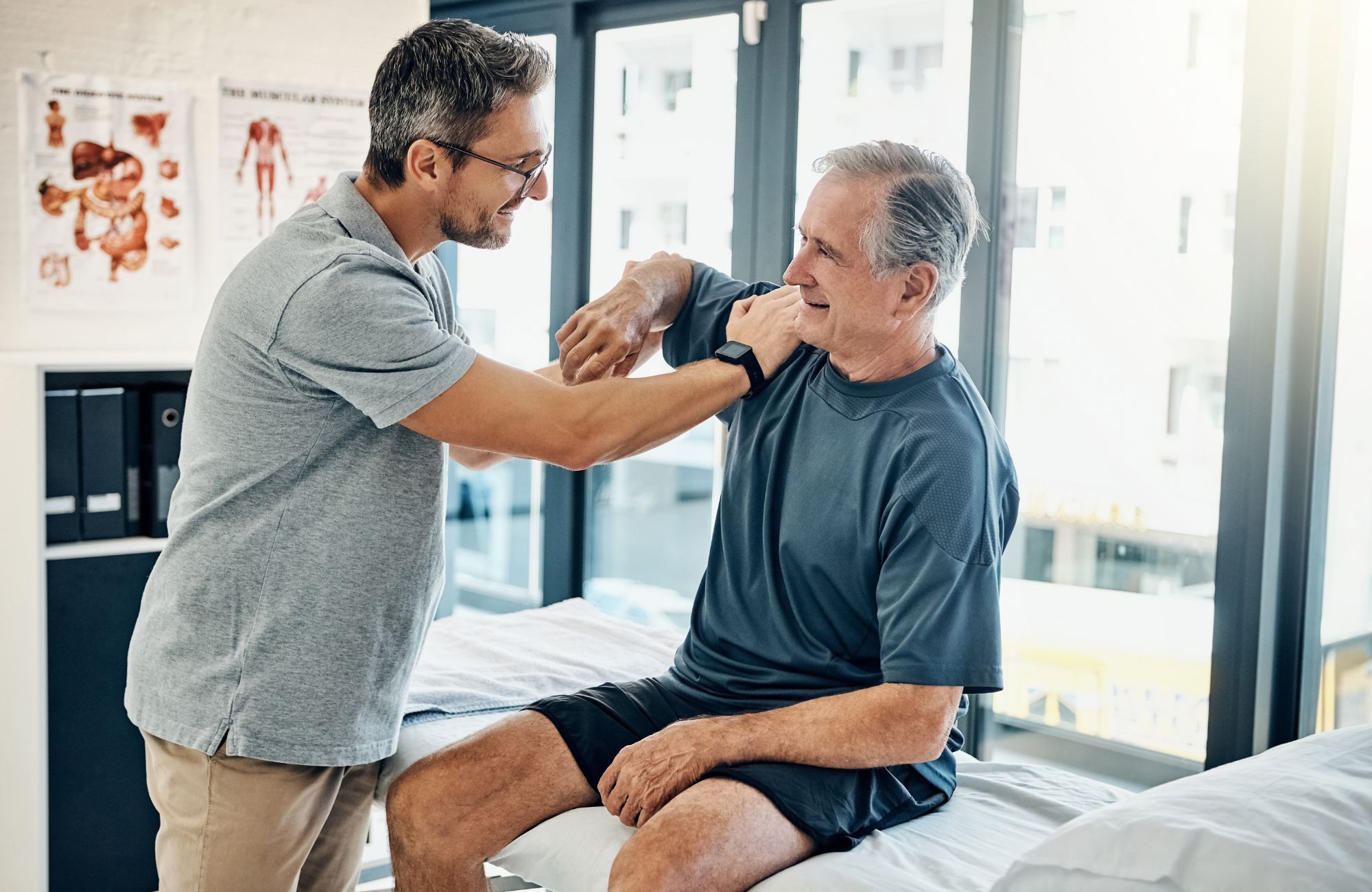
Effective hand therapist staffing requires more than finding a licensed physical therapist or occupational therapist with general orthopedic experience. Facilities must assess whether candidates have the specialized clinical experience, upper-extremity knowledge, splinting skills, and postoperative rehabilitation competencies needed for the caseload. Certified Hand Therapists can be especially difficult to recruit because the credential requires extensive […]
Read More
Rehabilitation staffing for skilled nursing facilities means maintaining reliable access to PTs, OTs, SLPs, RTs, PTAs, and COTAs who can support elderly rehabilitation caseloads. For SNFs, rehabilitation hospitals, senior rehab centers, and post-hospital care settings, staffing gaps can delay evaluations, disrupt therapy schedules, and strain the interdisciplinary team. Flagstar Rehab helps healthcare organizations recruit and […]
Read More
A fall prevention program in a skilled nursing facility is an interdisciplinary system for identifying resident risk factors, implementing individualized interventions, responding to incidents, and tracking whether those interventions reduce falls over time. It is not a single balance exercise, screening form, or nursing protocol. An effective program connects nursing, rehabilitation, medical oversight, pharmacy review, […]
Read More
A geriatric PT is a physical therapist who works with older adults to improve mobility, balance, strength, and functional independence. Geriatric physical therapy focuses on helping patients maintain quality of life, recover from injuries, prevent falls, and manage age-related conditions that affect movement and daily activities. As the population continues aging, the need for skilled […]
Read More
IDDSI competency for an SNF SLP means accurately identifying food and drink levels, applying the correct IDDSI testing methods, documenting recommendations, and communicating with nursing, dietary, and medical staff. Facilities may assess these skills during interviews, orientation, supervised practice, or ongoing competency reviews. Knowing the names of the levels is only the beginning. Strong IDDSI […]
Read More
Dysphagia competencies can make a speech-language pathologist more competitive for jobs in skilled nursing facilities, subacute rehabilitation centers, hospitals, and long-term care settings. Employers often look for SLPs who can evaluate swallowing difficulties, recognize aspiration risk, interpret instrumental findings, develop treatment plans, and communicate recommendations across an interdisciplinary team. For candidates exploring dysphagia jobs, speech-language […]
Read More
Consistent swallowing therapy coverage helps skilled nursing facilities identify swallowing disorders, respond to changes in resident condition, and maintain clear dysphagia management plans. Without reliable speech-language pathologist staffing, evaluations may be delayed, recommendations may become outdated, and nursing or dietary teams may lack the clinical guidance needed to manage aspiration, dehydration, choking, and weight loss […]
Read More
Therapy productivity targets vary by discipline, setting, payer mix, and employer. The percentage alone does not show what your workday will actually involve because employers may count documentation, meetings, cancellations, travel, and other required duties differently. Before accepting a PT, OT, SLP, RT, PTA, or COTA position, ask how the employer calculates billable hours, which […]
Read More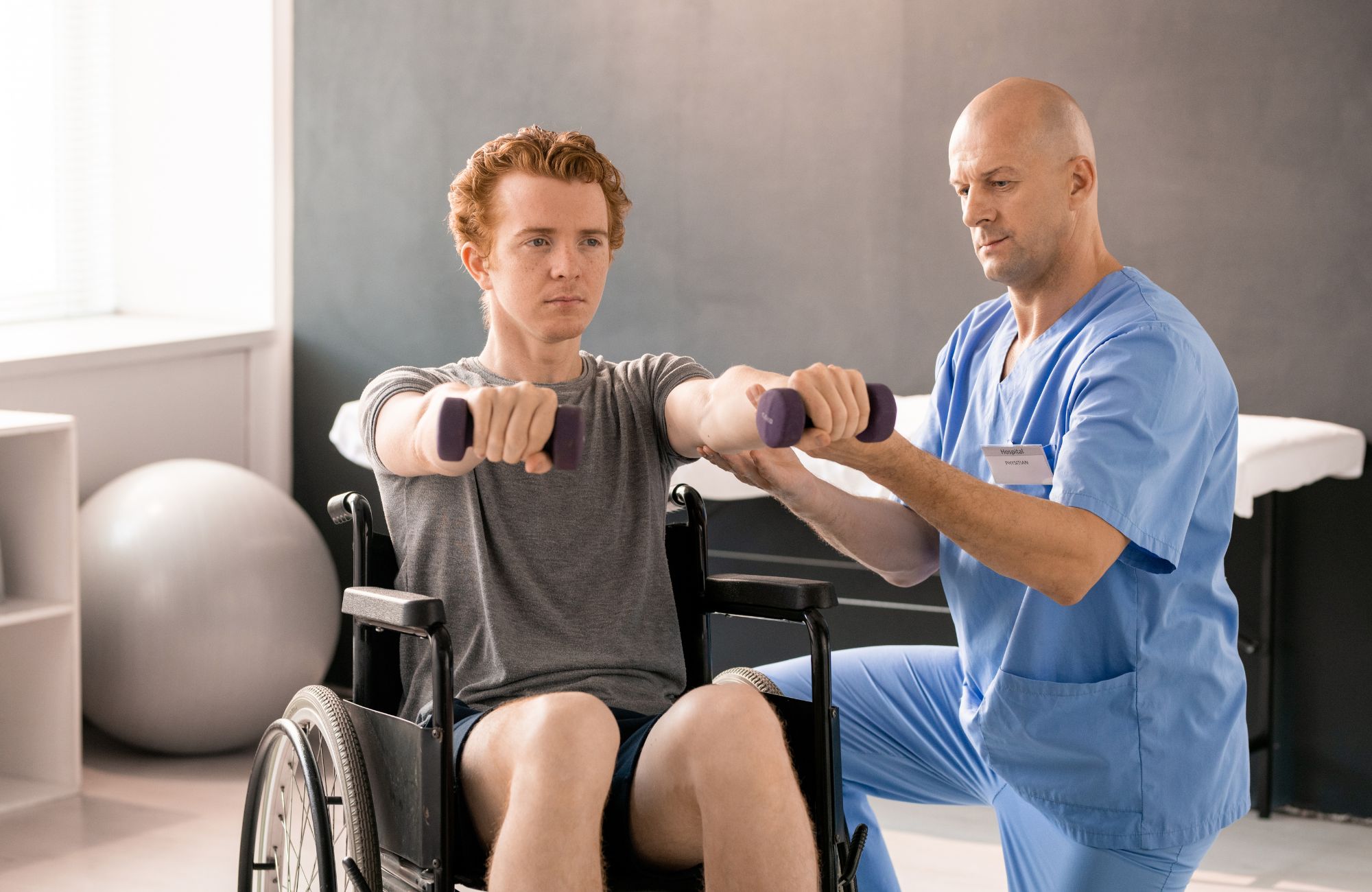
PT productivity standards can determine whether a physical therapy job is sustainable long before a therapist begins the role. Physical therapy employers use different productivity models by setting, and no single national percentage applies to every role. Skilled nursing facilities often use percentage-based targets, while outpatient, acute care, and home health employers may use percentages, […]
Read More