

Most PTs ask how much do physical therapists make in New York. According to 2025 Bureau of Labor Statistics wage data published through O*NET OnLine, physical therapists in New York earn a median annual wage of $100,660. Actual pay can vary depending on location, experience, clinical setting, schedule, employer, and job type. This guide is […]
Read More
Home health PT is physical therapy provided in a patient’s home by a licensed physical therapist. The role is best for PTs who are comfortable working independently, traveling between visits, documenting carefully, teaching caregivers, and adapting treatment to each patient’s actual living environment. Candidates entering home health physical therapy may work with seniors, people recovering […]
Read More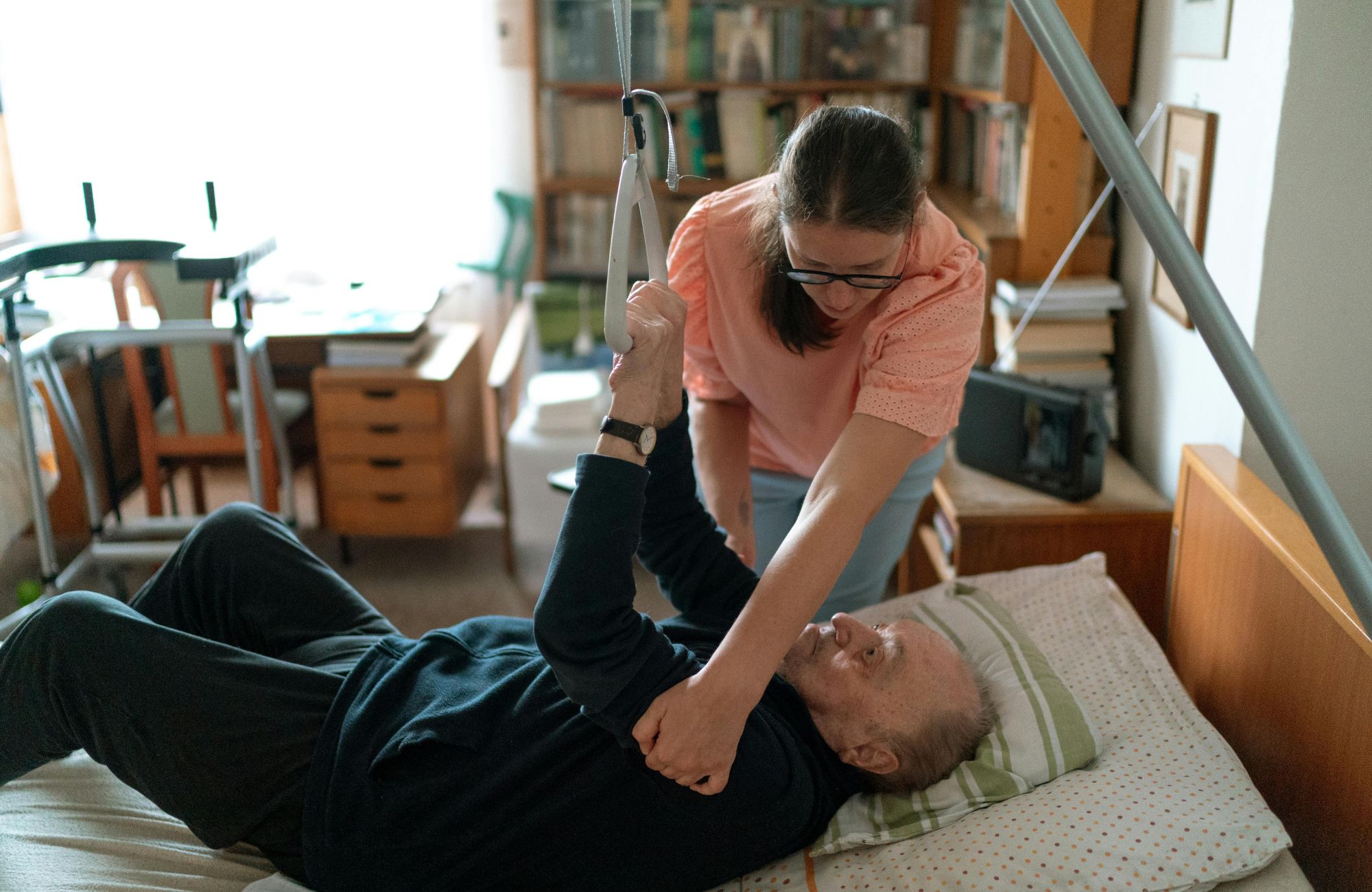
Mobile therapy jobs require therapists to provide in-person care across homes, schools, skilled nursing facilities, rehabilitation centers, and community locations instead of working in one fixed clinic. These roles may involve physical therapy, occupational therapy, speech-language pathology, respiratory therapy, or assistant-level services. Mobile therapy can offer professional variety, independence, and experience providing care in a […]
Read More
NRP certification usually means completing the appropriate Neonatal Resuscitation Program Provider pathway and holding a current Provider eCard. For respiratory therapists, it may be required or preferred for NICU, delivery-room, neonatal transport, or pediatrics roles. The exact requirement depends on the facility, job duties, credentialing process, and expected start date. In job postings, “NRP certification” […]
Read More
A neonatal care RT, also called a neonatal respiratory therapist, supports newborns and premature infants with breathing needs in a neonatal intensive care unit, or NICU. The role requires specialized respiratory therapy skills because newborns have small airways, developing lungs, and rapidly changing respiratory needs. This guide explains the skills, credentials, and experience respiratory therapists […]
Read More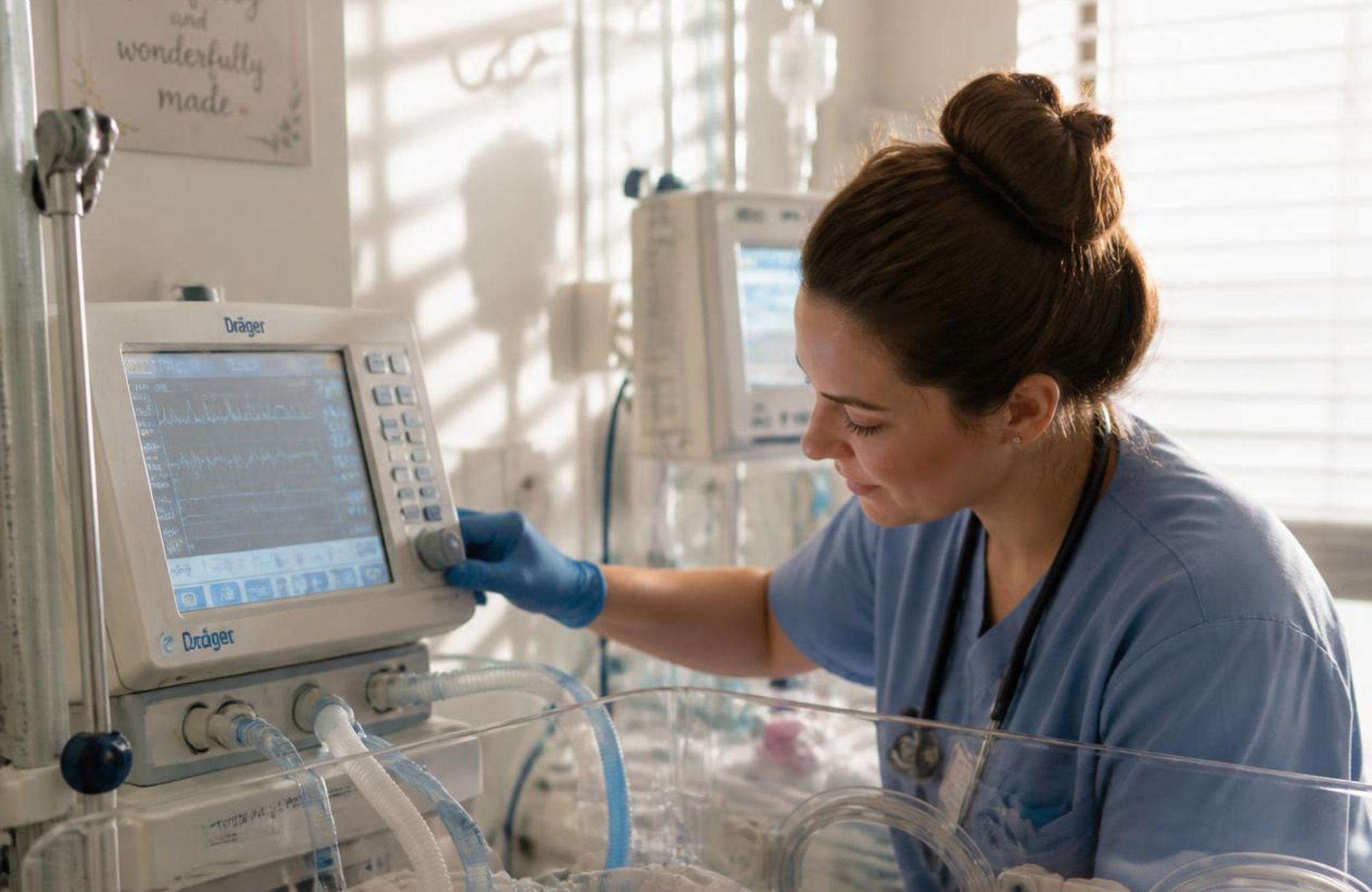
A NICU respiratory therapist is a credentialed respiratory care professional, typically state-licensed, who supports premature and critically ill newborns with breathing, airway, and oxygen needs. The therapist may manage ventilators, provide respiratory treatments, assist at high-risk deliveries, and work with neonatologists and nurses to monitor each newborn’s response to care. NICU respiratory care requires precision […]
Read More
School-based therapy staffing for an autism program starts with identifying the services students require, the licensed professionals qualified to provide them, and the workload the facility must cover. Schools, Boards of Education, pediatric clinics, and specialized learning programs may need occupational therapy, speech therapy, physical therapy, or assistant support based on student plans, evaluation demand, […]
Read More
Sensory integration certification for occupational therapists is advanced professional training that helps OTs build skills in sensory processing, assessment, clinical reasoning, and Ayres Sensory Integration. It is most valuable for OTs pursuing pediatric, school-based, early intervention, autism, and developmental therapy roles. However, occupational therapists should distinguish between completing introductory sensory processing courses and earning a […]
Read More
Pediatric occupational therapy jobs allow licensed occupational therapists to help children build the motor, sensory, cognitive, play, and self-care skills needed for daily life. Depending on the position, pediatric occupational therapists may work in schools, outpatient clinics, early-intervention programs, hospitals, rehabilitation centers, or other child-focused settings. For candidates, choosing a pediatric OT career involves more […]
Read More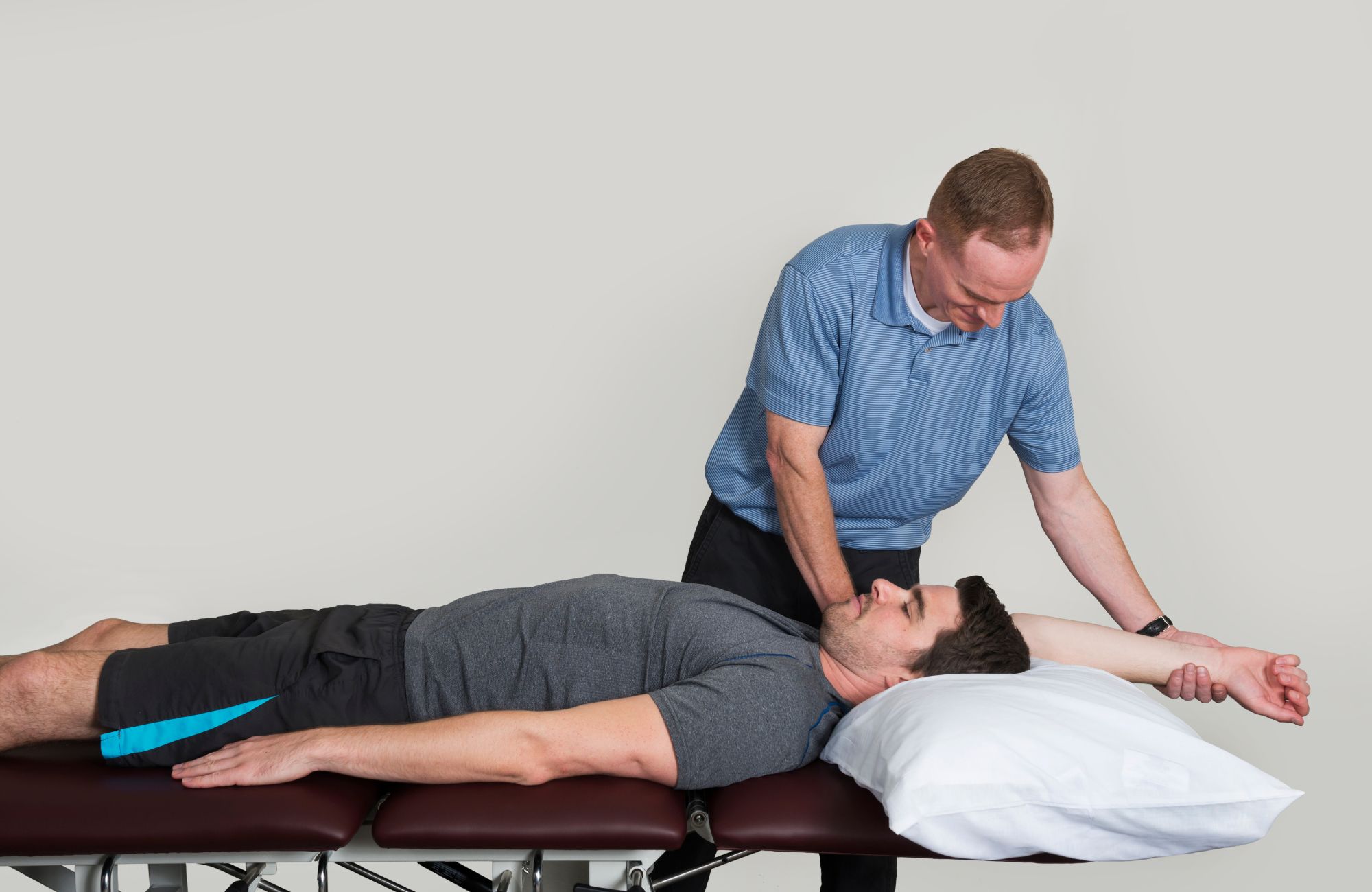
Upper extremity rehabilitation specialists bring focused skills in evaluating and treating conditions affecting the shoulder, elbow, wrist, hand, and fingers. For physical therapists and occupational therapists, developing this experience can open opportunities in outpatient orthopedic clinics, hand therapy centers, hospitals, skilled nursing facilities, and other rehabilitation settings. Employers hiring for upper extremity PT jobs or […]
Read More