
How Many Years to Become a Physical Therapist Assistant?

  • Home
  • How Many Years to Become a Physical Therapist Assistant?

How Many Years to Become a Physical Therapist Assistant?

If you’re thinking about becoming a physical therapist assistant, you’re probably asking one key question: how many years to become a physical therapist assistant? Most PTA students complete their education and licensure process in about two years. But that timeline includes more than just classes. It involves clinical education, national licensure, and preparation for real-world work in physical therapy.

Here’s everything you need to know, broken down step by step, from high school to becoming a licensed physical therapist assistant.

Timeline Overview – From High School to Licensure

1. Graduate from High School

To apply to any physical therapist assistant program, you’ll need a high school diploma or GED. This is the first requirement for starting your physical therapy education. In high school, courses in biology, anatomy, and exercise science can help you prepare.

2. Apply to an Accredited PTA Program

Once you meet the basic educational requirements, the next step is to apply to a physical therapist assistant program. These are often selective admissions programs that only accept a limited number of students per year.

Each PTA program sets its own admission requirements. Most will ask for:

  • A completed application
  • Proof of high school diploma or equivalent
  • A criminal background check
  • Proof of personal health insurance
  • Basic Life Support (BLS) certification

Some programs may require observation hours at clinical sites or interviews as part of the application.

3. Complete a Two-Year Associate’s Degree

Most PTA students complete an Associate of Applied Science degree in about two years or five semesters. That includes classroom instruction, lab work, and clinical education.

You’ll study both general education courses and core PTA courses. Topics in the PTA curriculum often include:

  • Anatomy and physiology
  • Clinical pathology
  • Kinesiology
  • Behavioral sciences
  • Communication and ethics
  • Physical therapy procedures
  • Therapeutic exercises
  • Patient care and documentation

This part of your physical therapist assistant education is essential for preparing you to work under the supervision of a licensed physical therapist.

4. Complete Clinical Education

Your program will include clinical education at assigned clinical education sites. This is where you’ll gain real experience working with patients in:

  • Outpatient clinics
  • Skilled nursing facilities
  • Hospitals
  • Rehabilitation centers

You’ll typically spend around 16 weeks in full-time clinical assignments. This is about 25% of your program’s requirements. During this time, you’ll apply your classroom knowledge in real-world settings while being supervised by a licensed physical therapist.

How Long Is a PTA Program?

Stage Estimated Time
High school diploma or GED 4 years (if starting from high school)
PTA Program (Associate’s Degree) 2 years (5 semesters, including summer)
Clinical Education Part of the 2-year program
NPTE Licensing Exam Prep & Testing 1–3 months

Total Time from Start to Licensure: ~24 to 30 months

Most PTA programs follow a two-year schedule, often including a summer semester to complete all required courses and clinical experience.

What to Expect in a PTA Program

Curriculum and Courses

Each physical therapist assistant program offers different course descriptions, but most cover these key areas:

General Education Courses:

  • English composition
  • General psychology
  • Introductory math or statistics
  • Health sciences

Core PTA Courses:

  • Clinical pathology
  • Therapeutic exercises
  • Rehabilitation techniques
  • Physical therapy procedures
  • Documentation and ethics

Clinical Assignments

During your clinical education, you’ll complete rotations in multiple settings. These clinical sites help you build hands-on skills and prepare for working with people across the lifespan, from children to the aging population.

You’ll learn how to:

  • Monitor progress
  • Assist with exercise programs
  • Manage pain
  • Help patients improve physical function

How Competitive Are PTA Programs?

PTA programs are often limited in size and use selective admission policies. Some programs only accept students once per year.

Common admission requirements include:

  • High school diploma
  • GPA minimums
  • Background checks
  • Proof of BLS training
  • Physical exams or vaccination records

Many students interested in PTA programs already work in allied health or as rehabilitation aides. But you don’t need a bachelor’s degree to apply.

Licensing and the National Exam

After completing your PTA program, the next step is passing the National Physical Therapy Exam (NPTE) for PTAs. This is a state-administered national exam required for licensure.

Exam Overview

  • Developed by the Federation of State Boards of Physical Therapy (FSBPT)
  • Covers clinical application, safety, and physical therapy procedures
  • Required in nearly all U.S. states

You’ll usually take this exam within 1–3 months of graduating. After successful completion, you can apply for jobs as a licensed physical therapist assistant.

PTA vs. PT: Education and Career Path Comparison

Role Degree Required Total Education Time Exam Average Salary*
PTA Associate’s Degree ~2 years NPTE (PTA) ~$62,770
PT Doctorate (DPT) + Bachelor’s Degree ~7 years NPTE (PT) ~$95,620

Note: This Data from the U.S. Bureau of Labor Statistics

PTAs support treatment and patient care. PTs diagnose and create care plans. Both roles are essential in delivering quality physical therapy services.

Can PTA Students Become Physical Therapists Later?

Yes. Many PTA students go on to earn a full physical therapy degree. This usually means:

  • Completing a bachelor’s degree if you don’t already have one
  • Applying to a Doctor of Physical Therapy (DPT) program
  • Finishing about 3 more years of physical therapy education

Some schools offer bridge programs designed for working PTA professionals. But the process takes several more years.

Job Growth and Career Outlook

The U.S. Department of Labor Statistics projects strong job growth for physical therapist assistants due to the needs of an aging population and the expansion of physical therapy services.

Where PTAs Work:

  • Outpatient facilities
  • Skilled nursing
  • Home health
  • Pediatrics
  • Hospitals

Why the Demand Is Rising:

  • Increased need for post-operative rehab
  • Shortage of licensed physical therapists
  • Cost-effective patient care model

PTAs are among the most in-demand jobs in allied health, especially in rural and underserved areas.

Accreditation and Program Effectiveness

Every physical therapist assistant program in the United States must be accredited by the Commission on Accreditation in Physical Therapy Education (CAPTE). Accreditation guarantees that the program meets national standards for physical therapy education, including curriculum quality, faculty qualifications, and clinical training requirements. Enrolling in a CAPTE-accredited program is required to sit for the National Physical Therapy Exam and obtain your PTA license in most states.

Before choosing a school, it’s important to understand how each program performs. You can do this by reviewing public program effectiveness data, which may include graduation rates, national licensure examination pass rates, and post-graduation job placement.

Questions to Ask When Choosing a Physical Therapist Assistant Program

  • What is the program’s NPTE pass rate?: This shows how well the school prepares students to meet state licensure standards.
  • How many credit hours are required for graduation?: Most programs require between 60–75 credit hours, including general education courses, core PTA courses, and clinical courses.
  • What are the clinical education requirements?: Ask how many clinical education sites the school partners with, how many hours of clinical experience are included, and how clinical assignments are scheduled.
  • What is the employment rate within 6 months of graduation?: A strong job outlook and placement rate indicate the program is well-connected to local employers like outpatient clinics, skilled nursing facilities, and rehabilitation centers.

Many schools make this data available on their websites. Reviewing the program’s effectiveness helps students interested in becoming a physical therapist assistant choose the right school based on real results, not just marketing.

Start Your Career With Support From Flagstar Rehab

At Flagstar Rehab, we work with PTA students, recent graduates, and experienced physical therapy assistants across the country. Whether you’re looking for work in outpatient clinics, skilled nursing facilities, or rehabilitation centers, our team can help you find the right fit. We’re connected to licensed physical therapists, clinical sites, and growing healthcare employers. Our recruiters understand the job market and support you every step of the way. Ready to take the next step in your physical therapy career? Contact Flagstar Rehab today to learn more about job opportunities for PTAs in your area.

Frequently Asked Questions

Is it hard to become a physical therapist assistant?

It’s not hard, but it does require meeting specific requirements. PTA programs are competitive, and you’ll need to complete clinical education and pass a national licensure exam.

How long does it take to get a physical therapy assistant license?

It usually takes about two years to complete a PTA program, plus a few months to prepare for and pass the NPTE. Most students are licensed within 24–30 months total.

How much does a PTA make in California?

Physical therapist assistants in California earn an average of $76,000 per year. Pay can vary based on experience and setting, with higher wages in outpatient clinics and skilled nursing facilities.

How to become a PTA in Maryland?

You need to complete an accredited PTA program, pass the National Physical Therapy Exam, and apply for licensure through the Maryland Board. A background check and supporting documents are also required.

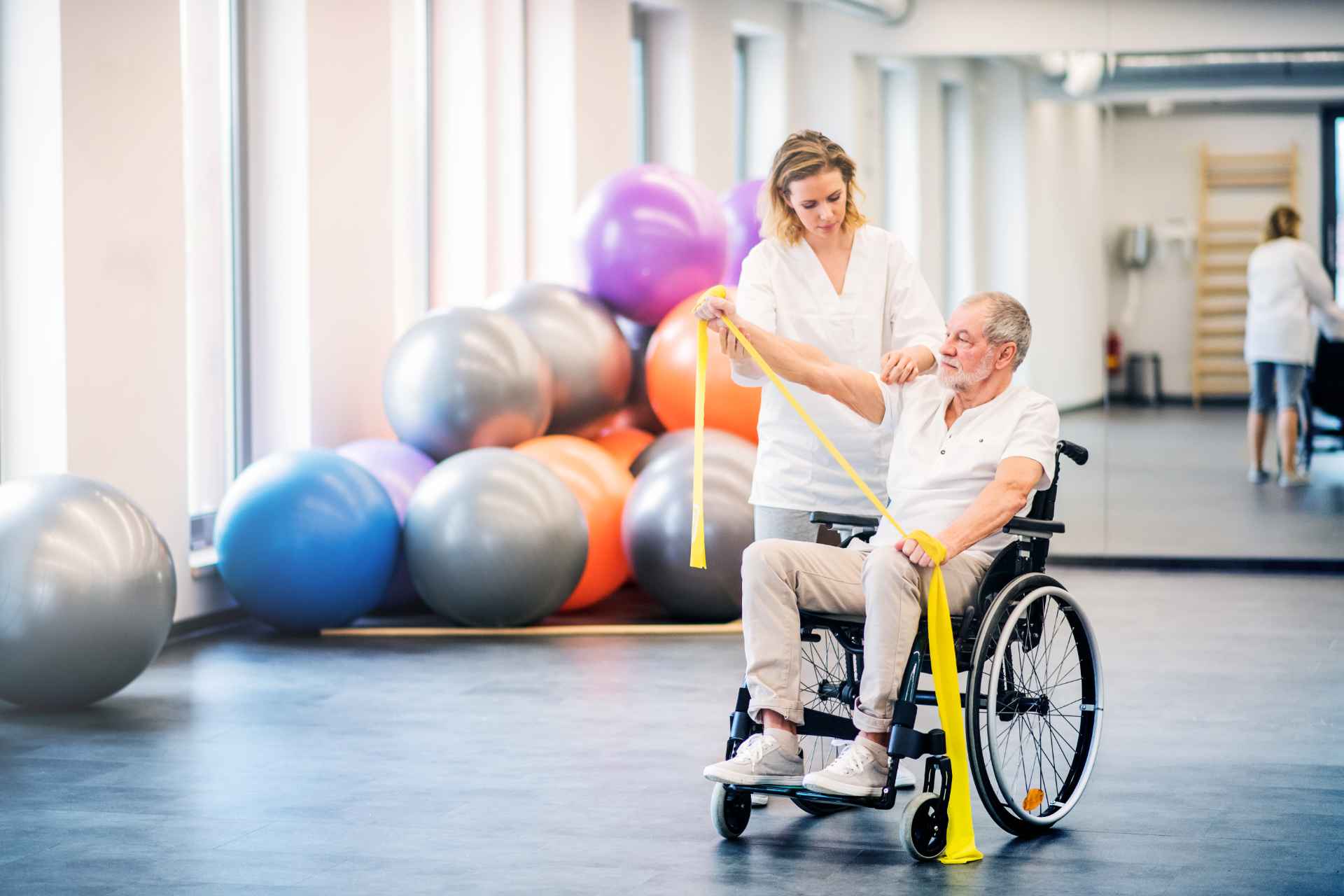
Physical Therapy Assistant vs Physical Therapist: Key Differences

If you’re thinking about a career in physical therapy, you’ve probably come across two common roles: physical therapist vs physical therapist assistant. At first glance, they might sound similar, but there are clear differences in training, responsibilities, and how each role helps patients.

Some people choose to become a physical therapist to lead treatment planning and specialize in clinical care, especially considering the job outlook in the field. Others prefer the faster path of becoming a physical therapist assistant, where they can work directly with patients and start helping sooner.

This guide breaks down the key differences between a physical therapy assistant vs physical therapist, which include considerations of job growth. We’ll cover education requirements, job duties, salary, work environments, and career outlook so you can make an informed decision that fits your goals.

Comparing Two Career Paths in Physical Therapy

Choosing between becoming a physical therapist and a physical therapist assistant is one of the first major decisions for anyone interested in physical therapy. While both roles are part of the same patient care team, the day-to-day responsibilities, education requirements, career paths, and key characteristics are different. If you’re trying to understand the key differences between a physical therapy assistant vs physical therapist, this article breaks it down clearly and practically.

Education Requirements and Credentials

Becoming a Physical Therapist

To become a licensed physical therapist, you need to complete a Doctor of Physical Therapy (DPT) degree. This typically requires:

  • A bachelor’s degree (usually in exercise science, biology, or another health-related major)
  • Acceptance into a DPT program accredited by the Commission on Accreditation in Physical Therapy Education (CAPTE)
  • 3 years of formal education in areas such as biomechanics, neuroscience, and patient care
  • Required clinical rotations in various settings
  • Passing the National Physical Therapy Examination (NPTE) to obtain licensure

This process usually takes around 7 years from start to finish.

Becoming a Physical Therapist Assistant

To become a physical therapist assistant, the path is shorter and more accessible. Here’s what most physical therapist assistants complete:

  • A high school diploma
  • An associate’s degree from a CAPTE-accredited program
  • Hands-on experience during clinical training
  • Passing the national physical therapy exam specific to assistants
  • State-specific licensure requirements

Most PTA programs take about 2 years, including on-the-job training in a clinical setting.

Comparison Table: PT vs. PTA Education

Requirement Physical Therapist (PT) Physical Therapist Assistant (PTA)
Degree Bachelor’s + DPT Associate’s Degree
Program Length ~7 years ~2 years
Clinical Rotations Yes Yes
Licensure Exam NPTE NPTE for PTAs
Accredited Program Required Yes Yes

Job Duties and Scope of Work

What Physical Therapists Do

Physical therapists are licensed healthcare professionals who diagnose and create treatment plans for patients with chronic conditions, mobility-related injuries, or recovery needs, often earning a median annual wage that reflects their expertise. They:

  • Perform the initial evaluation
  • Design individualized care plans
  • Supervise therapy staff and therapy aides
  • Monitor and adjust therapeutic exercises
  • Work in physical therapy offices, outpatient clinics, and hospitals
  • Handle clerical duties like documentation and insurance forms

What Physical Therapist Assistants Do

PTAs work under the supervision of a licensed physical therapist. Their job includes:

  • Assisting patients with specific exercises
  • Providing hands-on therapy, like stretches and massages
  • Reporting changes in the patient’s status
  • Educating family members on follow-up care
  • Supporting therapy in skilled nursing facilities, outpatient clinics, and physical therapists’ offices

They help patients recover by improving mobility, reducing pain, and guiding them through therapy sessions based on the PT’s plan.

Key Differences in Job Duties

Task PT PTA
Create treatment plans
Assist patients directly
Provide hands-on therapy
Perform initial evaluation
Adjust treatment goals
Document and report patient progress
Supervise aides and assistants

Work Environments and Daily Settings

Both PTs and PTAs can be found working in similar environments, including:

  • Physical therapy offices
  • Outpatient clinics
  • Skilled nursing facilities
  • Hospitals
  • Home health care settings

Physical therapists may also work in administrative roles, manage clinics, or consult on more complex patient cases, especially in response to an aging population. PTAs typically provide daily care and hands-on experience with patients throughout their treatment areas.

Licensure and Certification Process

PT Licensure

  • Completion of a CAPTE-accredited DPT program
  • Passing the National Physical Therapy Examination
  • Meeting state-specific licensure requirements
  • Ongoing continuing education

PTA Licensure

  • Graduation from an accredited program
  • Passing the national physical therapy exam for assistants
  • Fulfilling state licensing criteria
  • Possible requirements for Basic Life Support (BLS) certification

Salary, Job Outlook, and Growth Potential

According to the Bureau of Labor Statistics, both roles offer strong salaries and stable job growth.

Median Annual Wage

Role Median Salary
Physical Therapist $101,020
Physical Therapist Assistant $65,510

Projected Job Growth

Role Projected Growth (2022–2032)
Physical Therapist 14.2%
PTA 25.4%

Job openings for PTAs are increasing faster due to many baby boomers needing care after heart attacks, strokes, and mobility-related injuries. PTAs also help reduce the cost of physical therapy services, which increases their demand in skilled nursing facilities and modern healthcare environments.

Which Career Path Fits Your Goals?

Both careers support quality care and offer a rewarding career in healthcare. Your choice depends on the time and cost of education, work preferences, and long-term goals.

Comparison Table: Career Path Summary

Category PT PTA
Education Length ~7 years ~2 years
Degree DPT Associate’s
Starting Salary Higher Moderate
Role Type Evaluator Implementer
Patient Interaction Moderate High
Clerical Duties Yes Limited
Advancement Opportunities Specialization, management PTA-to-PT bridge, management

Career Progression and Related Opportunities

Most physical therapist assistants begin their careers working directly with patients in hospitals, outpatient clinics, or skilled nursing facilities. But the role doesn’t have to stop there. Many PTAs choose to continue their education and take on new responsibilities as their careers grow.

Pathways for Advancement

  1. PTA-to-PT Bridge Programs: One of the most common next steps is enrolling in a bridge program to become a licensed physical therapist. These programs are designed for working PTAs and often offer flexible schedules. They build on your associate’s degree and clinical experience, allowing you to earn a Doctor of Physical Therapy (DPT) degree and qualify for the national physical therapy examination. This path is longer but opens up more independence, decision-making, and higher earning potential.
  2. Teaching and Education Roles: Experienced PTAs sometimes take on instructor roles in accredited PTA programs. They help train the next generation of physical therapy assistants by teaching lab skills, supervising clinical rotations, or offering classroom instruction. Some also assist with professional development workshops for practicing therapists.
  3. Clinic Management and Leadership: With enough experience, some PTAs move into clinic coordinator or supervisory roles. These positions may involve scheduling, quality assurance, mentoring new staff, and supporting clinic operations. Strong communication and organizational skills are helpful for these roles.
  4. Specialized Care Areas: PTAs can also focus their work in specific treatment areas such as:
    • Pediatrics – working with children to improve mobility and motor function
    • Geriatrics – helping older adults manage age-related conditions
    • Orthopedics – supporting patients recovering from surgery, fractures, or joint problems

Other Related Career Paths

Even if you decide not to pursue the PT path, your background as a PTA can open doors in related fields:

  • Physical Therapy Aide – A non-licensed role focused on supporting therapists with setup, scheduling, and clerical duties
  • Exercise Science – Many PTAs go on to earn bachelor’s degrees in exercise science and move into wellness coaching, fitness training, or rehabilitation services
  • Speech and Occupational Therapy Support – PTAs may cross-train or support professionals in related fields, like speech therapists or occupational therapists, especially in multidisciplinary clinics

How to Start Your Career in Physical Therapy

If you’re thinking about entering the field of physical therapy, there are two main career paths: becoming a physical therapist or a physical therapy assistant (PTA), both of which have unique demands. Each has its steps, time commitments, and education requirements.

Path to Becoming a Physical Therapist

  1. Earn a Bachelor’s Degree: Start by completing a bachelor’s degree in a health-related field such as exercise science, biology, or kinesiology. Most Doctor of Physical Therapy (DPT) programs require coursework in anatomy, physiology, physics, and chemistry, so it’s helpful to choose a major that includes these classes.
  2. Apply to a DPT Program: Once you finish your undergraduate degree, you’ll need to apply to a Doctor of Physical Therapy program accredited by the Commission on Accreditation in Physical Therapy Education (CAPTE). Admission is competitive and usually requires a solid GPA, letters of recommendation, and observation hours in a physical therapy setting.
  3. Complete Formal Education and Clinical Rotations: DPT programs typically take about three years to complete. They include classroom instruction and hands-on clinical experience in hospitals, outpatient clinics, and other healthcare settings. Clinical rotations help you apply what you’ve learned and gain experience treating real patients.
  4. Pass the National Physical Therapy Examination (NPTE): After graduation, you’ll need to pass the NPTE to become licensed. Every state requires this exam, and some states may have additional requirements.
  5. Obtain State Licensure: Once you pass the NPTE, apply for licensure in the state where you plan to work. Licensure must be maintained through continuing education and periodic renewal.

Path to Becoming a Physical Therapist Assistant (PTA)

  1. Graduate with a High School Diploma: Most PTA programs require a high school diploma or GED. Strong grades in science and math can help during the admissions process.
  2. Apply to an Accredited PTA Program: Look for a program accredited by CAPTE. These associate’s degree programs usually take about two years and include both academic coursework and clinical training.
  3. Complete Clinical Experience: During your program, you’ll work in a clinical setting where you’ll gain hands-on experience assisting patients, learning therapy techniques, and working with supervising physical therapists.
  4. Pass the National Physical Therapy Exam for Assistants: After graduation, you must pass the national physical therapy exam to be eligible for licensure. The exam tests your knowledge of patient care, safety, and therapy procedures.
  5. Obtain Licensure for Your State: Every state requires PTAs to be licensed or certified. In addition to passing the exam, some states may require a background check or additional documentation.

Why Work with Flagstar Rehab

At Flagstar Rehab, we place licensed physical therapists, physical therapist assistants, and allied health professionals in trusted healthcare facilities across the country. Whether you’re just starting your career or looking for your next job in patient care, we can connect you with the right work environment.

  • Access to job openings in top physical therapy offices and skilled nursing facilities
  • Help with licensure, applications, and placements
  • Support for new graduates and experienced professionals

Conclusion

The difference between a physical therapist and a physical therapist assistant comes down to how each supports patient care, how long it takes to enter the field, and what responsibilities they carry. PTs focus on evaluations and treatment planning, while PTAs carry out those plans and work more directly with patients each day. Both paths offer stable, meaningful work in modern healthcare settings. As highlighted by the Bureau of Labor Statistics, job growth for these roles remains strong due to the aging population and increasing demand for physical therapy services. Whether you’re drawn to leading care plans or want to get started with hands-on support, both careers offer long-term opportunity, especially with the right training and support from a staffing partner like Flagstar Rehab.

Ready to find a job in physical therapy?

Flagstar Rehab helps connect physical therapy professionals with roles that match their goals. Whether you’re looking for your first PTA position or preparing to apply after graduating from a DPT program, we can help you take the next step.

Frequently Asked Questions

What can a physical therapist do that a physical therapist assistant can’t?

A licensed physical therapist (PT) can perform patient evaluations, diagnose conditions, and create or change treatment plans. PTs also make final decisions about the direction of care. Physical therapist assistants (PTAs) cannot diagnose or modify a care plan; they follow the treatment plan set by the PT and provide hands-on therapy under supervision.

Can you go from a physical therapy assistant to a physical therapist?

Yes. Many physical therapist assistants continue their education through PTA-to-PT bridge programs. These programs allow PTAs to apply their previous coursework and clinical experience toward earning a Doctor of Physical Therapy (DPT) degree. After completing a DPT program, they must pass the National Physical Therapy Examination and meet state licensure requirements to become a licensed physical therapist.

What is the lowest degree you need for a career in physical therapy?

To become a physical therapist assistant, the lowest required degree is an associate’s degree from an accredited physical therapy assistant program. To become a physical therapist, you need a bachelor’s degree followed by a Doctor of Physical Therapy (DPT) degree. Both roles require licensure exams and clinical experience.

Are physical therapist assistants being phased out?

No. Physical therapist assistants are not being phased out. In fact, job openings for PTAs are expected to grow. As highlighted by the Bureau of Labor Statistics, the demand for physical therapy services is increasing due to an aging population and a rise in mobility-related injuries. PTAs continue to play a key role in delivering hands-on patient care in clinics, hospitals, and skilled nursing facilities.

How to Become a Physical Therapist Assistant: Full Guide (2025)

If you’re looking into how to become a physical therapist assistant in 2025, you’re probably doing more than checking off school requirements. You want to build a reliable, in-demand career in physical therapy, and you want clear steps to get there.

At Flagstar Rehab, we work directly with licensed physical therapists, therapist assistants, and healthcare providers nationwide. We’ve helped thousands of PTA students and new graduates enter the job market with the right credentials, the right experience, and the right mindset. We know what employers expect, what programs actually prepare students well, and where many applicants fall short.

What Does a Physical Therapist Assistant Do?

A physical therapist assistant (PTA) helps licensed physical therapists carry out treatment plans. `d and electrical stimulation, and track their progress to provide physical therapy service.

As a PTA, I’ve worked in outpatient clinics, skilled nursing facilities, and home health agencies. Most PTAs work full-time under the supervision of a licensed physical therapist, supporting patients who are recovering from surgery, illness, or injury.

Common Job Duties:

  • Assist with therapeutic exercises
  • Perform ultrasound and electrical stimulation
  • Help patients perform functional activities
  • Monitor patient progress and report data to the physical therapist
  • Provide care across age groups and health conditions

Job Outlook and Salary in 2025

Industry Growth

According to the U.S. Bureau of Labor Statistics, the job market for PTAs is projected to grow by 24% between 2021 and 2031. That’s much faster than average for most professions. Around 25,500 job openings for PTAs are expected each year, driven by the aging population and increased demand for physical therapy services.

Earnings

The national median salary for physical therapist assistants is about $62,770, but that can vary based on geographic location, experience level, and setting. Some of the highest-paying positions are found in home health, outpatient clinics, and skilled nursing facilities.

Educational Path: Step-by-Step

1. Meet the Basic Requirements

To start, you need a high school diploma or GED. You also need a background in basic sciences and math. Some PTA programs may expect applicants to have completed a Basic Life Support (BLS) certification or volunteer hours in a healthcare setting.

2. Complete Pre-Requisite Courses

Before applying, most physical therapist assistant education programs will ask you to complete pre-requisite courses. These usually include:

  • Human anatomy
  • Exercise physiology
  • Biology or chemistry
  • English composition
  • Basic math

These courses may be completed before application at a community college or high school dual enrollment.

3. Apply to a Physical Therapist Assistant Program

Once the prerequisites are done, the next step is applying to a PTA program. These are usually selective admissions programs, which means not every applicant is accepted. Most programs are offered through a community college, vocational school, or school of health sciences.

What You’ll Need to Apply:

Requirement Details
Transcripts High school and/or college
GPA Minimum varies (2.5–3.0 typically)
Pre-requisite courses Must be completed prior to application
Criminal background check Required by most programs
Application essay or intent Some programs ask for a personal statement
BLS Certification Often required before clinical rotations

Inside a Physical Therapist Assistant Program

Choosing the Right Program

Look for an accredited program recognized by CAPTE (Commission on Accreditation in Physical Therapy Education). Accreditation in physical therapy guarantees that the curriculum meets national standards and prepares students for licensure.

Typical Program Structure

Most PTA programs last about two years (five semesters) and result in an associate degree or applied science degree upon successful completion . The program includes a pre-clinical phase and a technical phase.

Phase Details
Pre-Clinical General education and required courses like anatomy and writing
Technical Phase Core PTA courses, labs, and clinical placements

Total time: ~70–73 credit hours.

Course Breakdown

Required Courses Often Include:

  • Exercise physiology
  • Clinical pathology
  • Therapeutic modalities (e.g., ultrasound and electrical stimulation)
  • Behavioral science
  • Professional communication and ethics
  • Health-related conditions
  • Physical agents and interventions

Some programs also require 1 credit of “student success” or college readiness courses.

Clinical Education: Real-World Experience

Hands-on clinical education is a big part of becoming a physical therapist assistant. During this time, you’ll train under a licensed physical therapist or experienced therapist assistant at clinical sites like hospitals, home health agencies, outpatient facilities, and skilled nursing centers.

What to Expect:

  • Clinical rotations usually last 15–16 weeks
  • You’ll complete clinical courses in areas like geriatrics, pediatrics, neurology, and orthopedics
  • Schedules are typically full-time (40 hours/week)
  • The program places you at the clinical site, and you don’t have to arrange it yourself

Taking the Licensure Exam

To work legally in the U.S., you must pass the National Physical Therapy Examination (NPTE) for PTAs. This national licensure examination is managed by the Federation of State Boards of Physical Therapy.

Licensure Exam Facts:

  • Test what you learned in your PTA program
  • Includes questions on clinical practice, safety, and ethics
  • Offered throughout the year in testing centers
  • You must graduate from a CAPTE-accredited program to take the exam

Most graduates take the test shortly after finishing their PTA degree, paving the way for life long learning in the field .

After Graduation: Getting a Job

Once you pass your licensure exam, you’re ready to enter the workforce. Most new PTAs start in outpatient clinics, skilled nursing facilities, or home health settings.

If you’re looking for help finding work, agencies like Flagstar Rehab can connect you with employers in your area or across the country. We work with health care providers who are actively hiring and help prepare students for interviews, paperwork, and licensure verification.

Career Growth and Lifelong Learning

Specializations

You can keep building your skills through continuing education and certifications. The American Physical Therapy Association (APTA) offers Advanced Proficiency Pathways in several areas:

  • Geriatrics
  • Neurology
  • Pediatrics
  • Cardiovascular and Pulmonary
  • Wound Management

These specializations can help you earn more and qualify for new job titles.

Further Education

If you want to keep going after your associate degree level, some PTA graduates pursue a bachelor’s degree in health sciences or a related field. Others become adjunct instructors or rehab department supervisors. You can also transfer credits from your PTA program to a four-year school, especially if your program has articulation agreements.

Conclusion

Becoming a physical therapist assistant in 2025 is a practical, in-demand career path that requires physical therapy education and offers stability, growth, and hands-on impact. With the right education, clinical training, and licensure, you’ll be ready to provide essential physical therapy services in outpatient clinics, skilled nursing facilities, and home health agencies. At Flagstar Rehab, we help connect qualified PTAs with real job opportunities nationwide, whether you’re a student, new graduate, or licensed professional. If you’re ready to take the next step, we’re here to support your career from application to placement.

Start Your Career with Support from Flagstar Rehab

At Flagstar Rehab, we connect qualified physical therapist assistants with hiring healthcare providers nationwide. Whether you’re still a PTA student, just passed the national physical therapy exam, or looking to move into a new role, we can help.

We work with employers in clinical sites, skilled nursing facilities, and home health agencies. Our team supports every step, from job search to credentialing, to make sure you’re ready for the next phase in your PTA career. Contact us today to explore open positions or request job placement support.

Frequently Asked Questions (FAQs)

Is it hard to become a physical therapist assistant?

Becoming a physical therapist assistant can be challenging because the coursework is demanding and the schedule is often full-time. You’ll need to complete classes in anatomy, exercise physiology, and therapeutic techniques, along with hands-on clinical education. Most students succeed by staying organized, studying regularly, and using their clinical experiences to apply what they learn.

How long does it take to become a PTA in Arkansas?

It takes about 2 years to become a physical therapist assistant in Arkansas. Most PTA programs include five semesters of coursework and clinical training. After graduation, you must pass the national licensure examination to work in the state.

How long does it take to become a PTA in Oklahoma?

In Oklahoma, PTA programs usually take around two years to complete. That includes general education courses, PTA-specific training, and clinical rotations. After finishing the program, you’ll need to pass the national exam to get licensed.

Is it worth being a physical therapist assistant?

Yes. According to labor statistics, the job outlook is strong, with 24% projected growth from 2021 to 2031. PTAs earn a median salary of around $62,770, and many jobs offer flexible hours and a variety of clinical settings. It’s a hands-on role that provides job stability and opportunities for growth.