
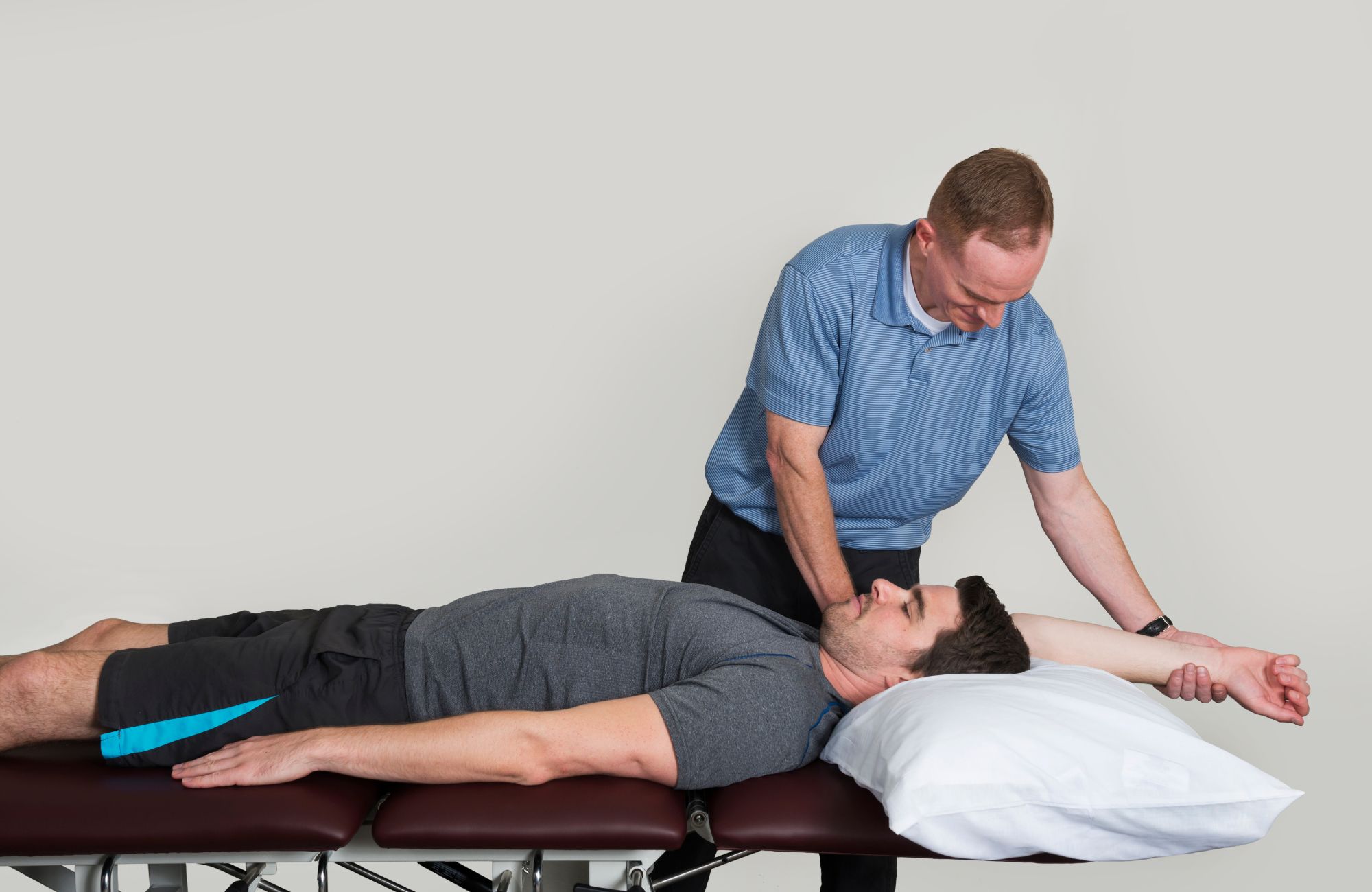
Upper extremity rehabilitation specialists bring focused skills in evaluating and treating conditions affecting the shoulder, elbow, wrist, hand, and fingers. For physical therapists and occupational therapists, developing this experience can open opportunities in outpatient orthopedic clinics, hand therapy centers, hospitals, skilled nursing facilities, and other rehabilitation settings.
Employers hiring for upper extremity PT jobs or specialized OT positions often need more than a general rehabilitation background. They may look for therapists who understand post-surgical precautions, splinting, functional task training, progressive strengthening, and the coordinated movement of the hand and upper extremity. Flagstar Rehab connects qualified rehabilitation professionals with facilities seeking these skills. Understanding what employers screen for can help candidates build stronger experience and prepare for more specialized assignments.
An upper extremity rehabilitation specialist is typically a licensed PT or OT with focused experience treating injuries, surgical cases, neurological problems, and chronic conditions involving the shoulder, arm, elbow, wrist, or hand. Their work combines clinical reasoning, movement assessment, patient education, and progressive treatment designed to restore function.
Upper extremity therapy is not limited to one joint. A problem in the shoulder may change elbow and wrist mechanics, while a hand injury may affect grip, lifting, dressing, writing, or work performance. Employers therefore value therapists who can assess the full movement chain rather than treating one body part in isolation.
Depending on the setting and scope of practice, upper extremity rehabilitation may involve:
Candidates do not always need an advanced certification to begin building these skills. However, relevant experience, continuing education, and exposure to specialized caseloads can make a PT or OT more competitive for upper extremity roles.
Upper extremity caseloads may include orthopedic injuries, repetitive-use conditions, fractures, neurological diagnoses, and recovery after surgery. The exact mix depends on the facility, referral network, patient population, and whether the role is based in an outpatient clinic, hospital, hand center, or skilled nursing facility.
Candidates should be prepared to explain which conditions they have treated, how independently they managed those cases, and which techniques they used to improve motion, strength, coordination, or functional performance.
| Condition or case type | Skills employers may look for |
| Rotator cuff injury or repair | Post-surgical precautions, shoulder mobility, progressive strengthening |
| Frozen shoulder | Joint mobility, stretching, graded movement, patient education |
| Elbow fracture or surgery | Range-of-motion progression, strengthening, functional use |
| Tennis or golfer’s elbow | Load management, ergonomic education, grip assessment |
| Wrist or hand fracture | Edema control, mobility, scar management, strengthening |
| Carpal tunnel syndrome | Nerve-related assessment, activity modification, and hand function |
| Tendon injury or repair | Protocol awareness, protected motion, splinting knowledge |
| Arthritis | Joint protection, adaptive methods, and functional task modification |
| Stroke or neurological injury | Motor retraining, coordination, positioning, task-based practice |
| Work-related hand or upper extremity injury | Job-demand analysis, functional progression, return-to-work planning |
A therapist does not need experience with every diagnosis to be considered for an upper extremity position. Hiring managers are more likely to assess whether the candidate’s current experience matches the facility’s most common referrals and whether the therapist can safely expand into more complex cases.
Upper extremity therapy may be provided by physical therapists, occupational therapists, and Certified Hand Therapists. These professionals can work with overlapping conditions, but employers may assign responsibilities according to the clinician’s discipline, experience, certification, and the needs of the facility.
Understanding the differences between PT, OT, and CHT roles helps candidates identify which positions fit their current background and which skills they may need to develop next.
| Professional | Common upper extremity focus | Skills that may strengthen candidacy |
| Physical therapist | Shoulder mechanics, elbow rehabilitation, strength, mobility, sports, or orthopedic recovery | Manual therapy, post-operative protocols, therapeutic exercise, movement analysis |
| Occupational therapist | Hand and wrist function, fine motor skills, daily activities, work tasks, adaptive strategies | Splinting, functional assessment, scar management, ergonomics, task modification |
| Certified Hand Therapist | Complex hand and upper extremity injuries, tendon repairs, nerve injuries, fractures, reconstructive cases | Advanced clinical reasoning, orthotic fabrication, surgical protocols, specialized hand therapy experience |
Physical therapists commonly manage shoulder, elbow, and whole-arm movement problems in orthopedic, sports, hospital, and rehabilitation settings. Their work may include joint mobility, therapeutic exercise, neuromuscular training, strength development, and return-to-activity progression.
For upper extremity PT jobs, employers may prioritize candidates with experience in rotator cuff rehabilitation, shoulder instability, fractures, tendon conditions, post-operative care, or sports-related injuries. A PT who can connect shoulder mechanics with elbow, wrist, and hand function may be more useful to a facility with a varied caseload.
Candidates interested in broader placement opportunities can also learn how Flagstar supports facilities through its physical therapist staffing services.
Occupational therapists often focus on how an injury or condition affects everyday function. Their treatment may address gripping, dressing, writing, computer use, meal preparation, work tasks, fine motor control, and other activities that require coordinated hand and upper extremity movement.
Employers hiring OTs for upper extremity roles may look for experience with splinting, joint protection, edema management, scar care, adaptive equipment, ergonomics, and functional task analysis. These skills are particularly relevant in hand clinics, outpatient rehabilitation departments, hospitals, and skilled nursing facilities.
A Certified Hand Therapist is a licensed OT or PT who has completed substantial direct practice in hand therapy and passed an advanced certification examination. The credential demonstrates specialized knowledge of rehabilitation involving the hand, wrist, elbow, shoulder, and related upper-quarter conditions.
According to the Hand Therapy Certification Commission, candidates for Certified Hand Therapist certification must hold a current OT or PT credential, have at least three years of professional practice, complete at least 4,000 hours of direct hand therapy experience, and pass the certification examination.
Therapists planning this career path can review Flagstar Rehab’s guide to CHT certification requirements and its overview of hand therapy practice.
Upper extremity rehabilitation specialists are hired by facilities that manage orthopedic injuries, surgical recovery, neurological conditions, work-related injuries, and functional limitations involving the arm or hand. Each setting may prioritize a different combination of experience, scheduling flexibility, documentation ability, and specialized training.
Candidates should review the facility type before applying so they can emphasize the most relevant parts of their background.
Outpatient orthopedic clinics commonly hire PTs with experience in shoulder, elbow, and post-surgical rehabilitation. Some clinics also employ OTs or hand therapists when they receive a high volume of wrist and hand referrals.
Hiring managers may look for:
Hand clinics often manage fractures, tendon repairs, nerve injuries, crush injuries, repetitive-use conditions, burns, and reconstructive surgery. These locations may prefer a Certified Hand Therapist, but some also hire experienced OTs or PTs who are actively building the direct practice hours needed for certification.
Relevant strengths include orthotic fabrication, wound and scar management, edema control, tendon protocols, sensory retraining, and detailed hand and wrist assessment.
Hospitals may need therapists who can manage upper extremity limitations after trauma, surgery, stroke, neurological illness, or extended hospitalization. Acute care roles often require candidates to work efficiently, recognize medical precautions, communicate with interdisciplinary teams, and adjust treatment according to rapidly changing patient needs.
Upper extremity experience can be especially valuable in orthopedic, neurological, trauma, and post-surgical units.
Skilled nursing facilities may hire PTs and OTs to address upper extremity weakness, reduced range of motion, neurological impairment, arthritis, fractures, and difficulty completing daily activities.
In this setting, employers may value therapists who can connect clinical treatment with transfers, dressing, grooming, wheelchair use, self-feeding, and safe participation in daily routines. Flexibility is important because upper extremity concerns are often treated alongside mobility, balance, endurance, and cognitive needs.
Rehabilitation centers may treat patients with complex orthopedic or neurological conditions that require coordinated PT and OT services. Candidates with upper extremity experience may contribute to stroke rehabilitation, traumatic injury recovery, post-surgical care, and return-to-work programs.
These employers often screen for interdisciplinary communication, goal setting, documentation quality, and the ability to adapt treatment as a patient’s function changes.
Hiring managers assess more than whether a therapist has previously treated shoulder, wrist, or hand conditions. They want evidence that the candidate can manage the facility’s caseload safely, communicate effectively, document skilled care, and recognize when a problem requires additional guidance or referral.
The strongest candidates connect each claimed skill to a specific example from their clinical experience.
A hiring manager may ask candidates to describe:
Candidates should be accurate. Treating occasional shoulder cases is not the same as managing a dedicated hand therapy caseload, and employers may ask detailed follow-up questions.
Facilities need therapists who can identify the main problem, establish measurable goals, select appropriate interventions, and modify treatment when progress changes.
Depending on the role, employers may screen for competence in:
Upper extremity specialists often work with patients after tendon repair, fracture fixation, rotator cuff surgery, joint replacement, nerve procedures, or reconstructive surgery. Employers may ask how candidates protect healing tissues while working to increase motion and restore function.
Candidates should be ready to discuss how they follow surgeon protocols, recognize precautions, document changes, and communicate concerns to the appropriate physician or referring clinician.
Splinting may be especially important for OT, hand therapy, and CHT positions. Employers may ask which orthoses a candidate has fabricated, how frequently they perform splinting, and whether they can educate patients on wear schedules, skin checks, and safe use.
Candidates who have completed specialized training should list the course, laboratory experience, and types of orthoses covered rather than simply writing “splinting” on a résumé.
Clinical ability must be supported by timely and accurate documentation. Facilities may review whether candidates can complete evaluations, progress notes, daily treatment records, and discharge documentation while meeting expected productivity levels.
Hiring managers may also ask about caseload size, appointment length, electronic medical record experience, and how the therapist prioritizes care during a busy schedule.
Upper extremity rehabilitation may involve communication with surgeons, referring clinicians, nurses, case managers, employers, family members, and other therapists. Candidates should demonstrate that they can explain findings clearly, report safety concerns, and coordinate goals across disciplines.
The career path usually develops in three stages:
Generalist → Upper Extremity Specialist → Certified Hand Therapist
Each stage reflects a higher level of clinical focus, case complexity, and employer confidence.
A generalist PT or OT treats patients across several diagnoses, body regions, and care needs rather than focusing primarily on upper extremity rehabilitation.
At this stage, therapists should strengthen their core skills in:
General orthopedic, hospital, neurological, and skilled nursing positions can expose therapists to shoulder, elbow, wrist, and hand conditions. However, upper extremity cases usually represent only part of the overall caseload.
Employers typically view generalists as suitable for broad rehabilitation roles but may provide supervision before assigning complex hand injuries, tendon repairs, custom splinting, or advanced post-surgical cases.
A therapist can begin positioning themselves as an upper extremity specialist when shoulder, elbow, wrist, or hand rehabilitation becomes a consistent part of their clinical work rather than occasional exposure.
Developing specialists often:
Relevant education may include upper-quarter anatomy, shoulder and elbow rehabilitation, hand and wrist evaluation, tendon and nerve injuries, post-surgical care, splinting, scar management, edema control, ergonomics, and work conditioning.
At this stage, employers may consider the therapist for outpatient orthopedic clinics, hand therapy departments, specialty rehabilitation centers, and positions with a heavier upper extremity caseload. Placement opportunities may increase when candidates can show documented experience with specific diagnoses, procedures, and treatment techniques.
A Certified Hand Therapist represents a more advanced level of specialization. CHT certification shows that a PT or OT has completed substantial direct practice in hand and upper extremity rehabilitation and passed a specialty examination.
Compared with an experienced upper extremity therapist without certification, a CHT may be preferred for:
Certification can strengthen professional credibility and help employers identify candidates with verified specialty knowledge. Some facilities may prefer or require CHT credentials for senior hand therapy roles, while others may hire experienced upper extremity therapists who are actively working toward certification.
Therapists interested in this path should continue accumulating relevant clinical experience, seek mentorship from experienced hand therapists, and review the formal eligibility and examination requirements outlined in the CHT certification pathway.
Upper extremity specialization can strengthen a therapist’s qualifications for positions that require harder-to-find skills, but it does not create a guaranteed pay increase. Compensation depends on the facility, geographic area, employment structure, experience level, certification requirements, schedule, productivity expectations, and local demand.
National wage data are reported for PTs and OTs as complete occupations rather than separating generalists from upper extremity specialists or CHTs. The U.S. Bureau of Labor Statistics’ May 2024 Occupational Employment and Wage Statistics reported median annual wages of $101,020 for physical therapists and $98,340 for occupational therapists. Because BLS reports these figures by occupation rather than by upper extremity specialization, they should not be interpreted as specialty-specific salaries.
Specialized experience may affect compensation when:
Candidates should compare the complete offer rather than focusing only on base pay. Hours, guaranteed scheduling, benefits, continuing education support, productivity requirements, assignment length, travel terms, and mentorship can materially affect the value of a position.
Candidates applying for upper extremity rehabilitation roles should make their relevant experience easy to identify. A general résumé that lists only job titles and facility names may not show hiring managers that the applicant has the required specialty skills.
A stronger application can include:
During interviews, candidates should use specific examples. Instead of saying, “I have hand therapy experience,” they might explain that they managed wrist fractures, performed edema and scar management, progressed range of motion, fabricated selected orthoses, and coordinated care with referring surgeons under the guidance of a senior hand therapist.
Honest detail helps staffing partners and hiring managers determine whether a candidate is ready for a role or would benefit from a position with more structured mentorship.
Upper extremity rehabilitation experience can help PTs and OTs qualify for more focused roles in orthopedic clinics, hand therapy locations, hospitals, skilled nursing facilities, and rehabilitation centers. Candidates can begin by developing relevant caseload experience, completing specialized training, finding mentorship, and documenting their progress toward advanced certification.
As a nationwide therapist recruiting and staffing company, Flagstar connects qualified physical therapists, occupational therapists, and rehabilitation professionals with facilities that need their skills. If you are ready to explore upper extremity PT jobs, OT assignments, or other rehabilitation opportunities, apply now with Flagstar Rehab to share your experience and learn about positions that may match your professional goals.
No. Many physical therapists and occupational therapists treat upper extremity conditions without holding CHT certification. However, specialized hand clinics and positions involving complex tendon, nerve, fracture, or reconstructive cases may prefer or require a Certified Hand Therapist.
Yes. Licensed physical therapists and occupational therapists can pursue CHT certification after meeting the Hand Therapy Certification Commission’s professional practice and direct hand therapy experience requirements and passing the examination.
Relevant experience may include shoulder and elbow rehabilitation, post-surgical care, orthopedic evaluation, progressive strengthening, manual therapy, range-of-motion treatment, and return-to-work or sports training. Employers may also review documentation ability, caseload independence, and knowledge of surgical precautions.
The terms overlap, but they are not always identical. Hand therapy commonly covers conditions from the shoulder through the fingers, while upper extremity therapy may also describe broader PT or OT rehabilitation that is not provided in a dedicated hand therapy setting.
Outpatient orthopedic clinics, hand therapy centers, hospitals, rehabilitation facilities, and skilled nursing facilities may all provide relevant experience. The best setting depends on the caseload, available mentorship, scope of the role, and the candidate’s current competence.